Master thermal scope positioning in Delta Force's Cold Front Season with 15 expert-tested vantage points. Learn heat signature detection at 200-300m ranges, thermal vision mechanics in cold weather, and optimal loadouts for competitive dominance.
Thermal Scopes in Cold Front Season
Thermal scopes detect heat signatures at 200-300m, crucial for spotting enemies across snowy terrain. The tech identifies temperature differentials—player heat signatures contrast sharply against frozen ground.
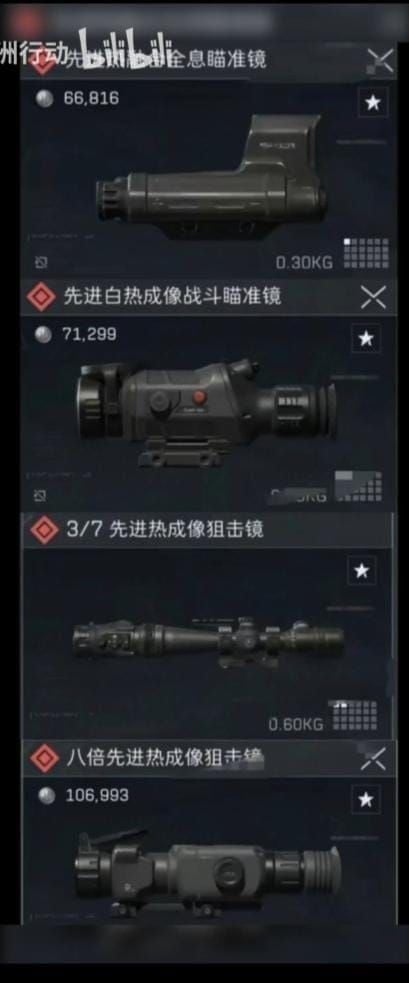
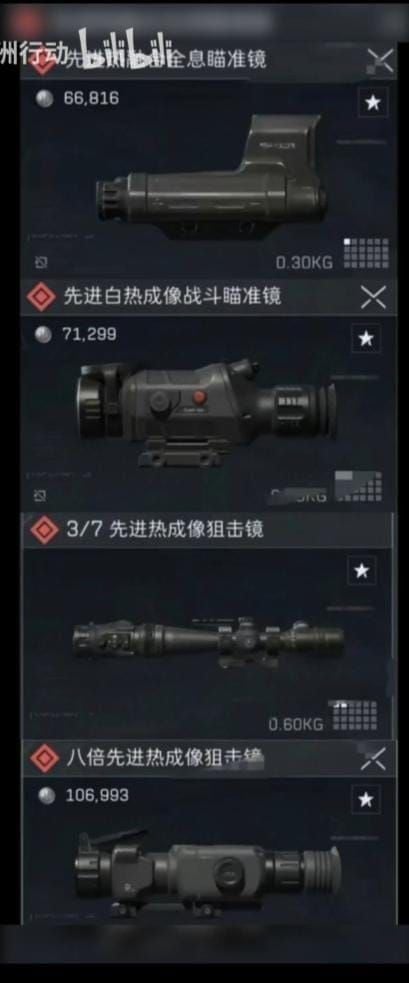
Three variants launched January 18, 2026 during Starfall Season's Attachment Permit event:
Advanced Thermal Fusion Holographic Sight: 1x magnification, close-quarters detection
White Phosphor Thermal Scope: 2x/4x magnification, mid-range engagements
Advanced Thermal Vision Sniper Scope: 8x magnification, long-range overwatch
Need quick access? Delta Force Credits Top Up via BitTopup offers secure transactions and competitive pricing.
Thermal Vision on Snow
Scopes auto-adjust magnification when aiming for seamless scanning-to-targeting transitions. Penetrates medic smoke for 1-2 seconds, revealing enemies using dark greyish smoke screens—critical during objective captures.
Limitations:
110 FOV creates dead zones on display sides—maintain peripheral awareness
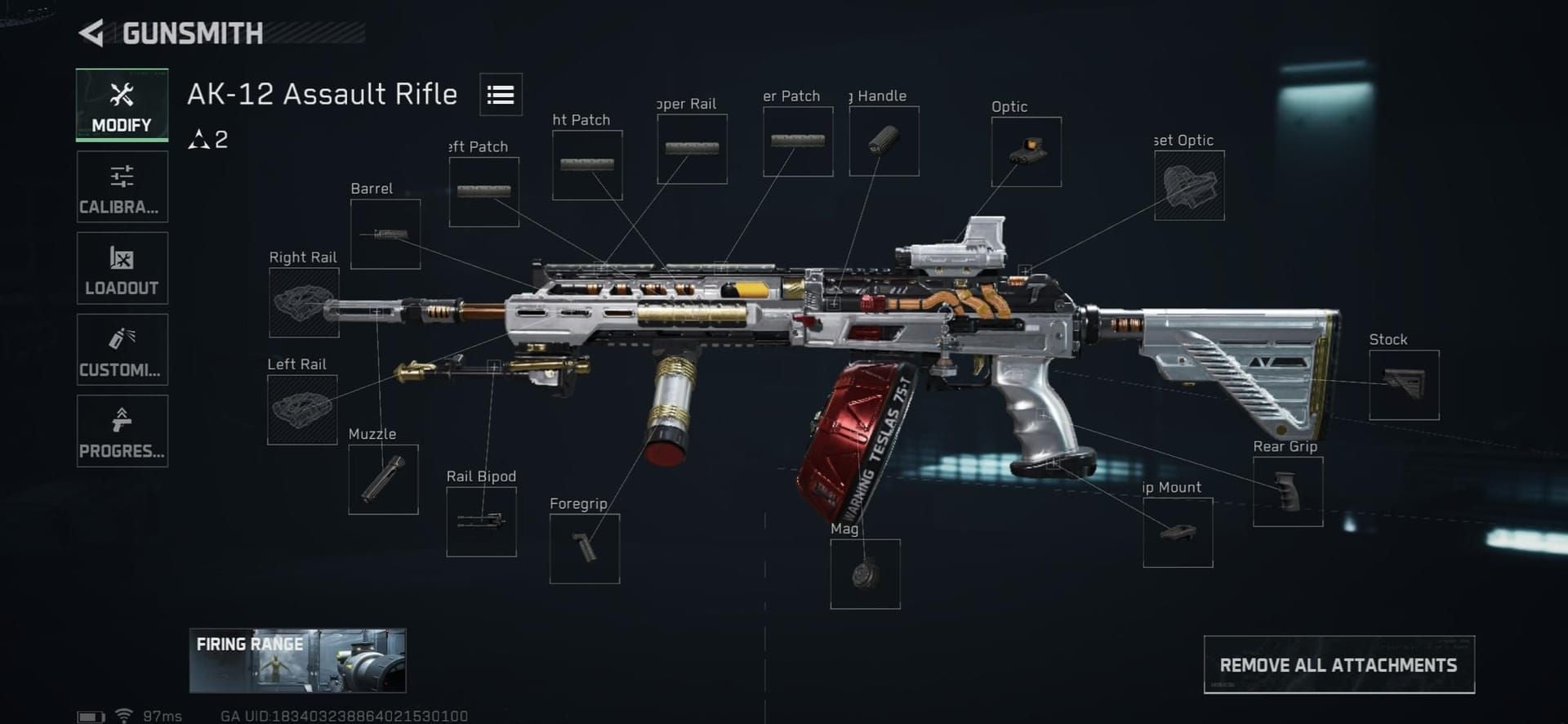
Occupies 4 attachment slots—balance thermal capability with other needs
Heat Signature Detection
Signatures visible through light cover: wooden barriers, thin metal, vegetation. System prioritizes high-contrast sources—recently-fired weapons, vehicle engines, player torsos generate strongest returns.
Cold weather amplifies effectiveness. Snow-covered terrain provides minimal heat reflection, creating clean images where enemies appear as bright white/yellow silhouettes against dark backgrounds. Target acquisition is faster than temperate environments.
Cold Weather Advantages
Snowy terrain eliminates traditional camouflage. White/grey uniforms blend visually but remain fully visible through thermal optics. This negates prone camping relying on visual concealment.
Thermal scopes maintain performance during snowfall, fog, and reduced visibility that degrade standard optics. This reliability makes thermal users dangerous during environmental transitions.
vs. Standard Optics
Thermal scopes simplify target acquisition through heat highlighting. Scan large areas quickly, identify multiple targets without tunnel vision from high-magnification conventional optics. Scanning efficiency proves invaluable for overwatch and area denial.
Purple thermal rifle scope variant equips on rifle platforms—assault rifles and DMRs leverage thermal detection without sniper rifle commitment. Enables squads where multiple players run thermal optics across engagement ranges, creating layered detection networks.
Northern Sector Spots
Northern sector features elevated terrain and industrial structures with commanding sightlines across central objectives. Ideal for long-range thermal sniping where 8x magnification maximizes 200-300m detection.
#1: Observatory Ridge Overwatch
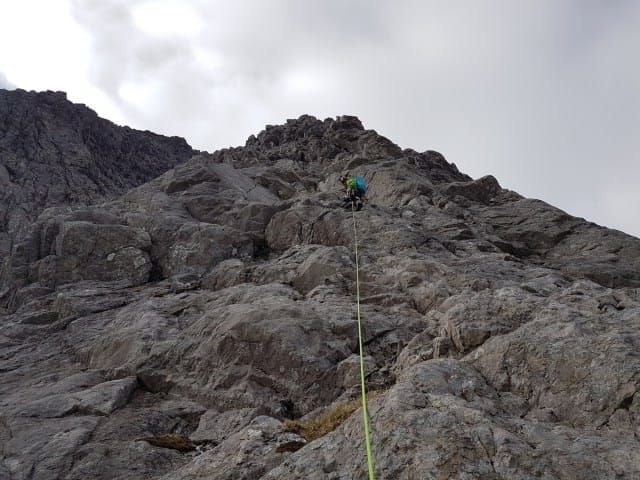
Elevated position overlooks three major approach routes toward central objectives.
Advantages:
270° field of view covering northern, eastern, and western approaches
Natural rock formations provide hard cover from counter-snipers
280m average engagement distance—optimal for thermal detection range
Setup: Advanced Thermal Vision Sniper Scope + bolt-action rifle. Position behind ridge crest, exposing only upper torso when engaging.
Pro tip: Rotate between three firing positions along 15m ridge line to avoid predictable counter-fire.
#2: Industrial Complex Rooftop
Two-story warehouse roof in northern industrial zone.
Advantages:
Elevated 8m above ground level
Thermal detection through warehouse skylights reveals interior movement
Quick ladder descent for repositioning
Setup: White Phosphor Thermal Scope (2x/4x) on DMR for mid-range flexibility.
Weakness: Exposed to air support—monitor skies, relocate after 2-3 kills.
#3: Frozen Lake Treeline
Forest edge overlooking frozen lake crossing point.
Advantages:
Concealment from treeline shadows
Lake crossing forces enemies into 150m open ground exposure
Multiple fallback positions through dense forest
Setup: Advanced Thermal Fusion Holographic (1x) for close-range backup, primary thermal sniper scope.
Tactic: Let enemies reach lake center before engaging—eliminates cover options.
#4: Communications Tower Base
Radio tower foundation with concrete barriers.
Advantages:
360° rotation capability
Hard cover from concrete walls
Tower structure blocks aerial detection
Setup: Purple thermal rifle scope on assault rifle for rapid target transitions.
Note: High-traffic area—expect close-quarters combat. Keep sidearm ready.
#5: Northern Bridge Underpass
Concrete support structure beneath main northern bridge.
Advantages:
Thermal detection of bridge-crossing enemies from below
Complete concealment from standard sightlines
Bridge overhead blocks drone detection
Setup: White Phosphor Thermal (4x) for 80-120m bridge span coverage.
Rotation: Exit south after bridge control shifts—position becomes trap if enemies cross.
Central Sector Spots
Central sector contains primary objectives with converging sightlines. Thermal scopes counter smoke spam during captures.
#6: Central Plaza Fountain
Circular fountain structure with raised stone walls.
Advantages:
360° coverage of objective zone
Stone walls stop small arms fire
Fountain basin provides prone cover
Setup: Advanced Thermal Fusion Holographic for close-range objective defense.
Tactic: Penetrate medic smoke during enemy captures—thermal reveals positions for 1-2 seconds.
#7: Shopping District Second Floor
Retail building balcony overlooking central plaza.
Advantages:
Elevated angle negates ground-level cover
Interior access for quick escapes
Multiple window positions prevent predictability
Setup: White Phosphor Thermal (2x) for 50-150m plaza coverage.
Pro tip: Pre-aim common smoke deployment spots—enemies cluster near smoke edges.
#8: Parking Garage Ramp
Multi-level garage's third-floor vehicle ramp.
Advantages:
Sloped ramp provides adjustable firing angles
Concrete pillars offer cover between engagements
Vehicle wrecks create additional barriers
Setup: Advanced Thermal Vision Sniper Scope for 200m+ sightlines through garage openings.
Weakness: Limited escape routes—don't overstay after detection.
#9: Metro Station Entrance
Subway entrance with stairs descending from street level.
Advantages:
Thermal detection of enemies using underground tunnels
Stairwell provides vertical cover
Unexpected angle—enemies don't check below street level
Setup: Purple thermal rifle scope for rapid-fire on emerging targets.
Tactic: Monitor heat signatures ascending stairs—pre-fire as heads appear.
#10: Construction Site Crane
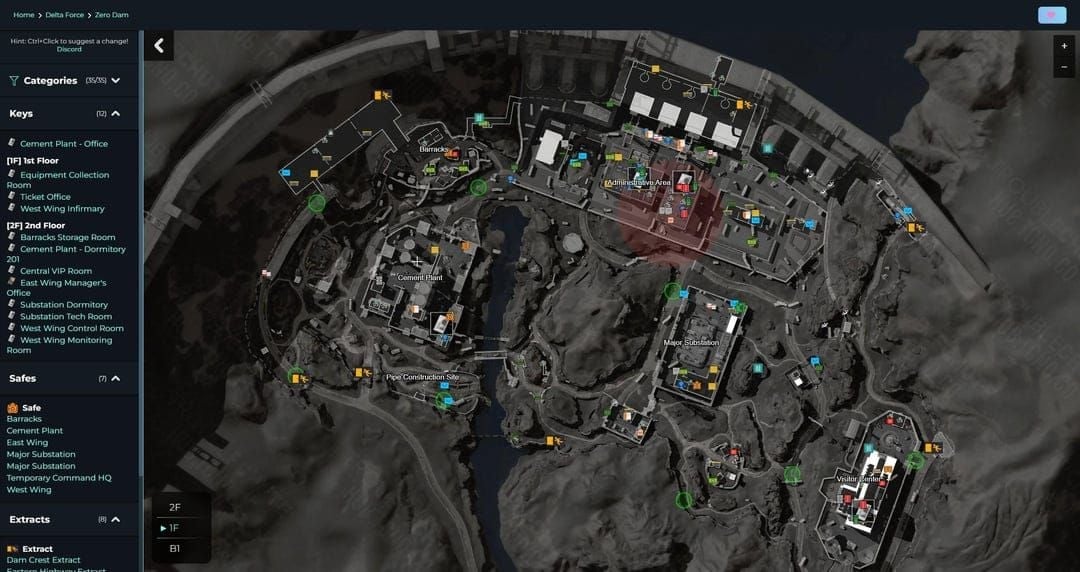
Operational crane platform accessible via ladder.
Advantages:
Highest elevation in central sector
Thermal scanning across entire map center
Crane cabin provides wind protection
Setup: Advanced Thermal Vision Sniper Scope for maximum range exploitation.
Risk: Single access point—always have escape plan. Bring rope for emergency descent.
Southern Sector Spots
Southern sector features open fields and scattered compounds. Thermal scopes dominate long sightlines.
#11: Farmhouse Attic
Two-story farmhouse with attic window facing north.
Advantages:
Concealed position—enemies rarely check attic windows
200m+ clear sightline across southern fields
Interior stairs allow quick floor changes
Setup: White Phosphor Thermal (4x) for field coverage.
Pro tip: Shoot through attic floor to engage enemies entering farmhouse below.
#12: Grain Silo Catwalk
Agricultural silo with external metal catwalk.
Advantages:
12m elevation provides unobstructed thermal scanning
Metal catwalk grating allows prone positioning
Cylindrical silo blocks flanking fire
Setup: Advanced Thermal Vision Sniper Scope for long-range dominance.
Note: Metal catwalk creates noise—reposition after firing.
#13: Southern Checkpoint Bunker
Military checkpoint with reinforced bunker.
Advantages:
Thick concrete walls stop most calibers
Narrow firing ports limit exposure
Bunker interior provides resupply safety
Setup: Purple thermal rifle scope for sustained fire through ports.
Tactic: Focus thermal detection on checkpoint approach roads—vehicles generate strong heat signatures.
#14: Forest Outpost Tower
Wooden observation tower in southern forest.
Advantages:
Natural camouflage from surrounding trees
Elevated 6m above forest floor
Ladder access allows rapid descent
Setup: White Phosphor Thermal (2x/4x) for forest and field coverage.
Weakness: Wooden structure—vulnerable to explosives. Relocate after taking explosive fire.
#15: Riverside Dock
Boat dock extending into southern river.
Advantages:
Water approach detection—thermal reveals swimmers
Dock pilings provide cover
Unexpected position—enemies focus on land threats
Setup: Advanced Thermal Fusion Holographic for close-range water threats, thermal sniper for land targets.
Tactic: Prone at dock end—thermal detects river crossings 100m+ upstream.
Loadout Optimization
Long-Range Overwatch (Spots #1, #5, #10, #12):
Advanced Thermal Vision Sniper Scope (8x)
Bolt-action rifle: .300 Win Mag or .338 Lapua
Backup: Thermal pistol or SMG for close defense
Mid-Range Flex (Spots #2, #7, #11, #14):
White Phosphor Thermal Scope (2x/4x)
DMR: M110 or SVD
High-capacity magazines for sustained fire
Objective Defense (Spots #6, #9, #13):
Advanced Thermal Fusion Holographic (1x) or Purple Thermal Rifle Scope
Assault rifle: high ROF platforms
Smoke grenades to create thermal advantage zones
Universal Attachments:
Suppressor: reduces muzzle flash that reveals position
Extended mags: thermal target-rich environments demand ammo capacity
Vertical grip: compensates for 4-slot thermal scope weight
Thermal Scope Tactics
Smoke Penetration Timing: Thermal sees through smoke for 1-2 seconds. When enemies deploy smoke, immediately scan with thermal—you'll catch positions before full concealment.
Heat Signature Priority: Target torsos first—strongest heat return. Recently-fired enemies show weapon heat—indicates active threats vs. passive players.
Dead Zone Management: 110 FOV creates side blind spots. Every 3-4 seconds, quick-scope out to check peripherals. Thermal tunnel vision gets you flanked.
Counter-Thermal Play: If enemies run thermal, minimize stationary time. Constant movement reduces their scanning efficiency. Use hard cover—thermal doesn't penetrate concrete/thick metal.
Squad Coordination: Stagger thermal scopes across ranges. One player runs 1x thermal for close defense, another runs 8x for overwatch. Layered detection prevents gaps.
Weather Exploitation: During snowfall/fog, thermal users dominate. Push aggressively when weather degrades enemy vision—your thermal maintains full effectiveness.
FAQ
Q: What's the effective range for thermal scopes?
200-300m detection range. Beyond 300m, heat signatures fade. Optimal engagement: 150-250m where signatures remain clear.
Q: Do thermal scopes work through all smoke?
Penetrates medic smoke for 1-2 seconds. Regular smoke grenades block thermal after initial deployment. Dark greyish medic smoke is most vulnerable.
Q: Can enemies see my thermal scope glow?
No visible glow to enemies. Thermal scopes don't emit light—purely passive detection.
Q: Which thermal scope is best for beginners?
White Phosphor Thermal (2x/4x). Versatile magnification, easier to manage than 8x sniper scope, more range than 1x holographic.
Q: How do I counter enemy thermal scopes?
Stay mobile, use hard cover (concrete/thick metal), minimize exposure time. Thermal excels against stationary targets.
Q: Are thermal scopes worth the 4 attachment slots?
On snowy maps, absolutely. Thermal advantage outweighs other attachments. On temperate maps, situational—depends on enemy smoke usage.