

Stay ahead of the Delta Force meta in 2026 with updated loadouts for Warfare and Operations. This refreshed guide breaks down which weapons still dominate after the April Echo season update, which picks dropped off after recent balance changes, and how new additions like Morse, M82, AR57, and the latest map rotation are shifting the way top players build for mid-range fights, suppression, and close-quarters pressure.
Delta Force 2026 Meta Overview
Delta Force’s meta looks very different in 2026 than it did during the late-2025 War Ablaze period. The biggest reason is simple: the game has now gone through a major mid-season balance pass in March and the launch of the new Echo season on April 21, bringing fresh systems, a new Recon operator, new weapons, and more map-specific pressure on how players build for both Warfare and Operations.
That means old “always S+” assumptions need to be updated. Weapons that were automatic picks in 2025 are no longer guaranteed top-tier just because they were strong before. In particular, the broad public breakdown of the April update points to M4A1 gaining value again, while M250 has lost some of the effortless dominance it used to have in support roles.
For players trying to keep up with the current meta as efficiently as possible, premium progression still matters because newer seasonal content can change how quickly you access attachments, ammo options, and test builds across modes.
BitTopup's secure platform
Editor’s note: replace this placeholder anchor with the correct Delta Force product page once available. The links you provided do not currently include a Delta Force destination.
Current Season Meta Snapshot
SRight now, the safest way to describe the 2026 meta is this: versatile ARs are back at the center of the conversation, flexible suppression builds are still useful but less automatic than before, and season-launch experimentation around M82 and AR57 is pushing players to rethink old tier lists. Echo season adds enough new variables that static 2025 rankings no longer tell the full story.
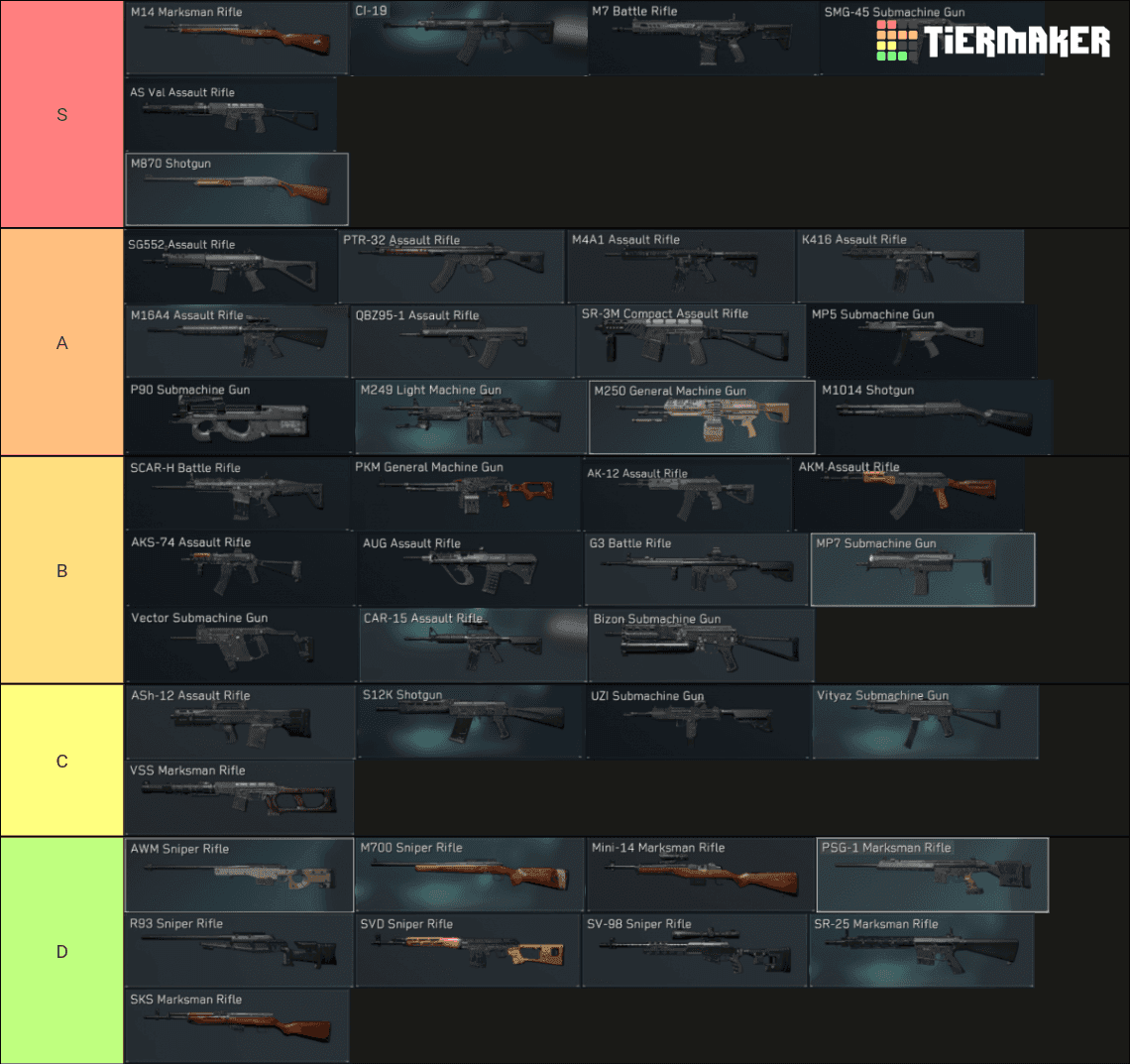
M4A1 is one of the clearest winners of the recent balance cycle because it fits the kind of mid-range fights created by newer map flow and modern objective pressure. CI-19 remains relevant as a precision-oriented rifle, especially for players who value control and consistency, but it no longer feels like the only serious answer for disciplined rifle play. Meanwhile, M250 builds still have a place, yet they now demand more intentional positioning and recoil management than many players were used to in older guides.
At the same time, the arrival of M82 and AR57 in Echo season means early-season loadout testing is shifting attention toward high-impact long-range picks and fresh hybrid rifle setups. That does not instantly erase the old meta, but it does mean any serious 2026 guide has to talk about transition, not just inheritance from 2025.
Warfare vs Operations Differences
The gap between Warfare and Operations still matters, but in 2026 it is even more important to think in terms of information control and engagement discipline.
In Warfare, map flow, lane pressure, and objective timing still reward stable rifles and coordinated support weapons. Mid-range gunfights remain common, which is part of why M4A1-style all-round builds have become more attractive again after recent changes. On some rotations, suppression is still valuable, but it no longer automatically excuses poor handling.
In Operations, Echo season adds even more pressure on awareness and sound discipline because Morse’s kit is designed around detecting noisy enemies. That means stealth, pacing, and route discipline matter more than they did in older metas where players could rely more heavily on raw gun advantage alone.
So while older guides often split the two modes mainly by range and recoil, the current difference is broader: Warfare rewards repeatable control, while Operations increasingly punishes careless movement and noisy aggression.
Best Assault Rifle Loadouts
M4A1 Meta Build
If you only update one section from the old article, make it this one. M4A1 is no longer just a reliable fallback pick — post-update analysis now treats it as one of the strongest all-around rifles in the current environment thanks to its mid-range damage profile, manageable recoil, and adaptability across both open lanes and broken urban cover.
M4A1 Long Range Warfare Configuration:
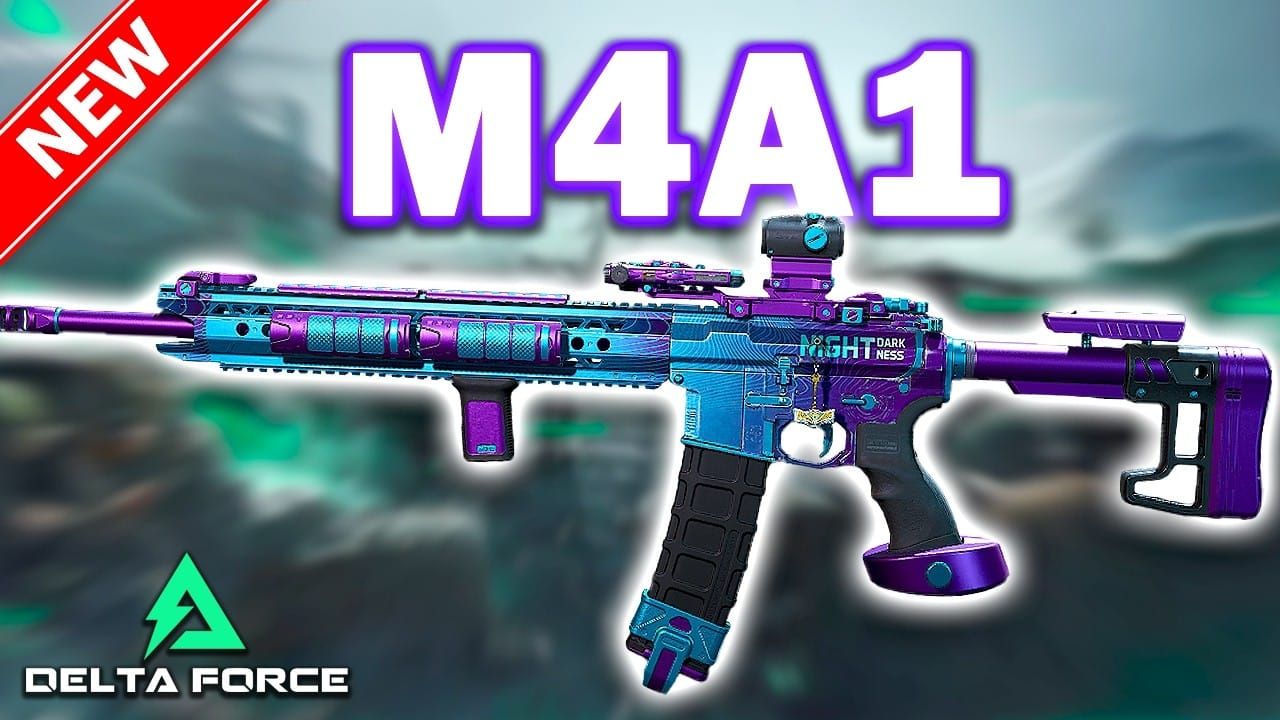
For Warfare, the ideal M4A1 concept in 2026 is still a stability-first build, but with more emphasis on fast target reacquisition instead of pure long-lane commitment. You want enough control to beam through mid-range fights, while keeping the weapon responsive enough to survive fast peeks and sudden angle changes on newer maps.
The old logic still works in one sense: recoil control and visual clarity matter more than chasing gimmick damage. But the reason M4A1 is so strong now is not that it dominates every distance — it is that it feels useful in almost every serious situation.
CI-19 Damage Setup
CI-19 still deserves a place in any serious Delta Force meta article because it remains one of the cleanest precision rifle choices for players who prefer deliberate mid-range engagements. What has changed in 2026 is the context: it is no longer enough to call it “top choice” and move on. It now competes in a field where M4A1 has improved and new-season experimentation is pulling attention toward fresh weapons.
That means CI-19 is best positioned as a high-confidence pick for players who value accurate follow-up shots and disciplined recoil patterns. It still works, but the article should present it as a precision answer inside a broader meta, not as an untouchable king of the category.
SCAR-H Long Range Configuration
SCAR-H remains a practical bridge weapon for players who want something forgiving without sacrificing too much stopping power. In 2026, that matters because the meta is getting more information-heavy and less forgiving to players who cannot land their first few shots cleanly. A balanced rifle with familiar handling still has value, especially for players moving up from casual play into more competitive lobbies.
It may not define the meta, but it remains one of the better “stable upgrade” choices in a season where experimentation is high.
Top SMG Builds for Close Combat
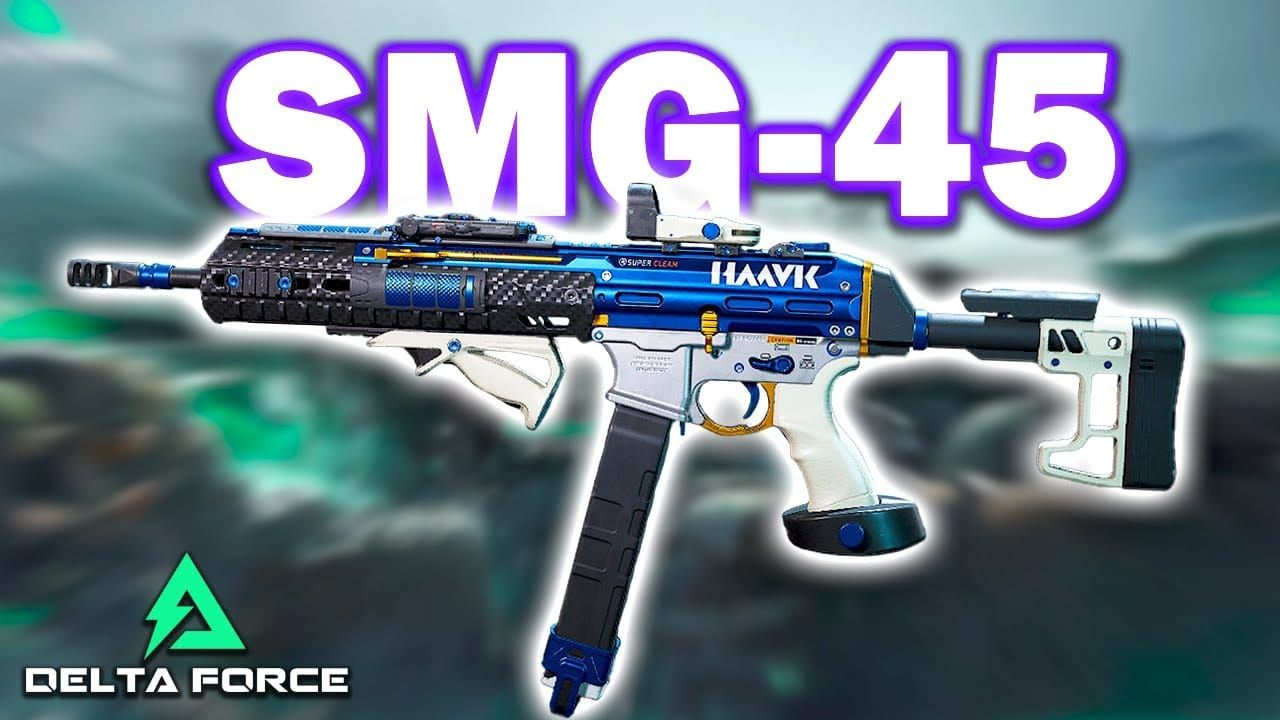
SMG-45 High Mobility Setup
SMG-45 is still relevant for close-quarters pressure, and older build philosophy around stability plus suppression utility is not completely outdated. But its role in 2026 feels more situational than universal. With players paying more attention to sound, detection, and route discipline in Operations, close-range weapons need cleaner positioning to reach full value.
So the best way to frame SMG-45 now is not “always dominant,” but “strong when the map and route let you force tight fights.” It remains effective for room clearing, interior flanks, and compact objective spaces, especially when paired with a player who understands timing instead of blind rushing.
For players looking to unlock new seasonal options faster,
BitTopup's secure platform
should also be replaced later with a correct Delta Force product page rather than one of the unrelated game links currently provided.
Vector Aggressive Configuration
Vector still carries aggressive potential because high fire-rate weapons remain dangerous in tight spaces. The difference in 2026 is that information tools and season-launch experimentation make reckless entry much less forgiving. Vector can still take over close fights, but it now shines most in practiced hands that know exactly when to commit.
This is a weapon that benefits from deliberate pathing, not just raw confidence.
P90 Sustained Fire Build
P90 remains useful for sustained pressure and defensive holds, particularly when you expect multiple short-range engagements without much downtime to reset. It is not the headline weapon of the current update cycle, but it still offers a distinct niche in drawn-out close-range fights where consistency matters more than burst lethality.
Sniper Rifle Precision Loadouts
AWM One-Shot Build
AWM still represents the classic high-confidence sniper playstyle: precision, reliable damage, and enough consistency to punish exposed players at range. That identity has not changed. What has changed is the amount of competition entering the conversation.
R93 Lightweight Setup
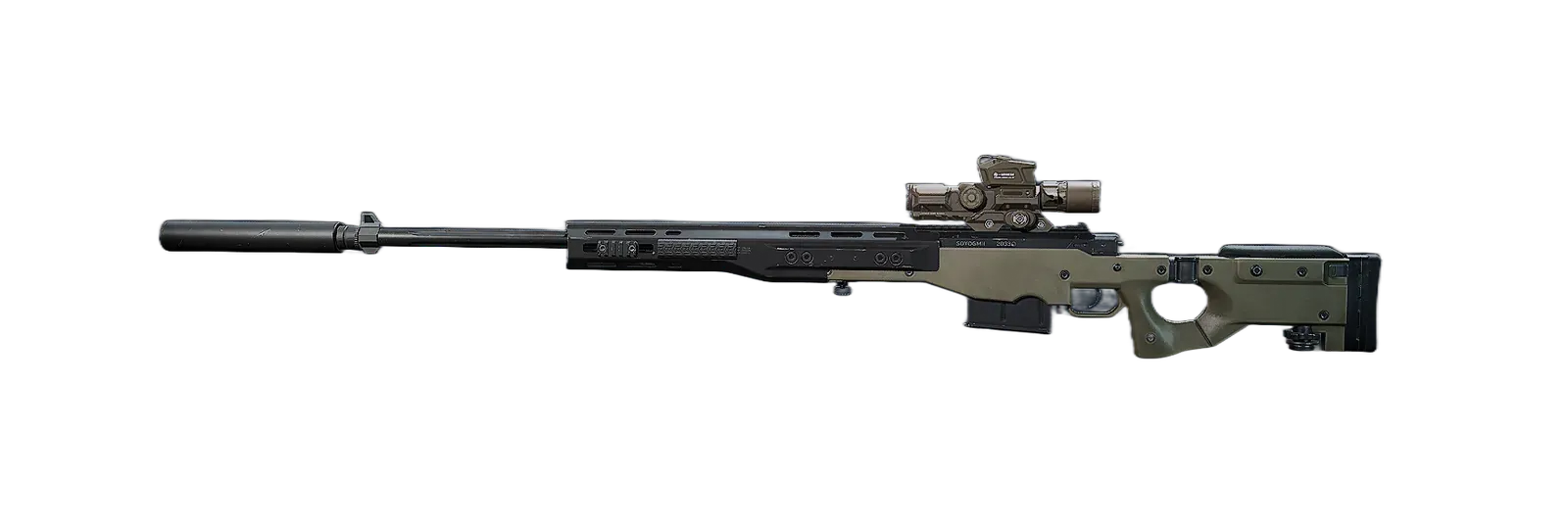
SV-98 Agile Configuration
SV-98 continues to work as a more agile precision option for players who want to bridge the gap between hard-sniping and mobile mid-range threat. That role remains useful in 2026 because the current environment rewards adaptability.
M82 Early Echo Season Outlook
This is the biggest addition the old article could not possibly account for. Echo season introduces the M82, and early official previews plus public breakdowns suggest it will become one of the most watched long-range weapons in the game, especially because the season also adds new ammo interactions that can reshape how ranged fights are approached in Operations.
That does not mean M82 instantly replaces every sniper in the game. But it absolutely means any 2026 meta guide should acknowledge that the sniper conversation is no longer just AWM, R93, and SV-98.
LMG Support and Suppression Builds
M250 Area Denial Setup
This is another section that needed a major update. In the old version, M250 was framed as a near-automatic S+ answer for Engineers. That is too strong a claim for 2026. Public patch breakdowns after the April update consistently describe M250 as being hit by control-related nerfs, which means it can still suppress effectively, but it no longer feels as forgiving or as universally dominant as before.
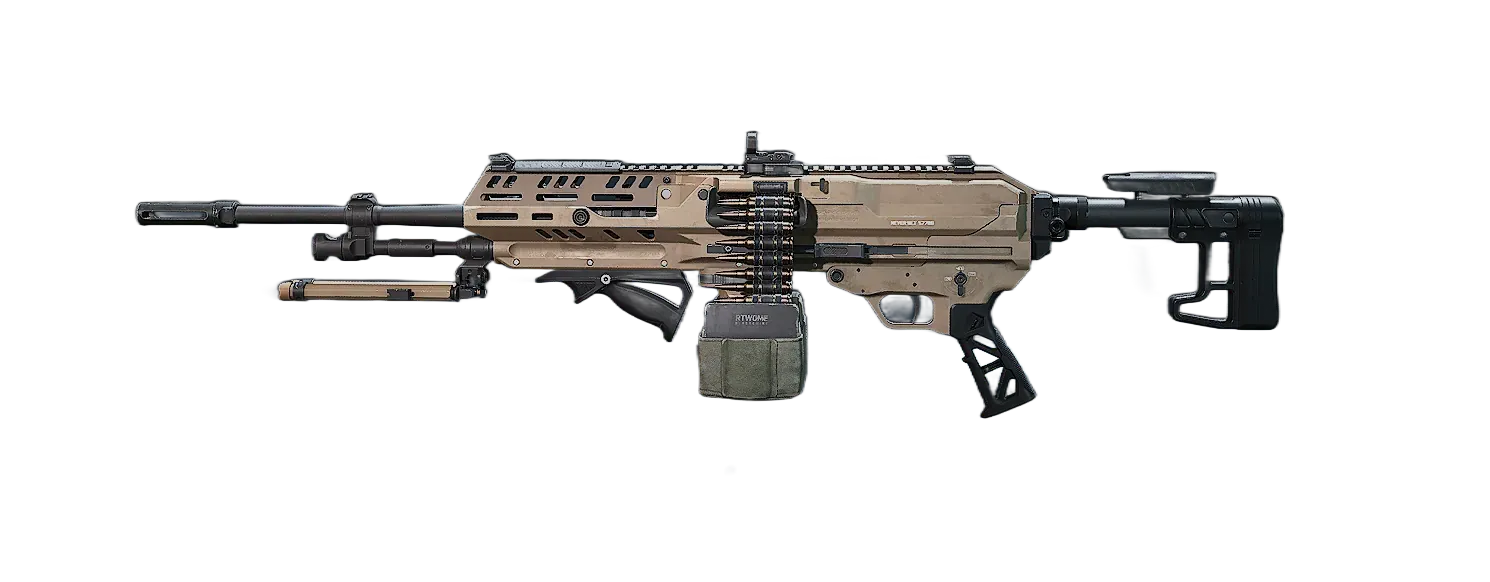
In practical terms, that changes how you should present it in the article: M250 is still a valid area-denial weapon, but now it is for players who are willing to commit to setup, angle discipline, and recoil management. It is not the old “plug-and-play monster” many 2025 readers will remember.
PKM Heavy Support Build
PKM remains the more traditional support option for players who value stability, sustained pressure, and defensive posture. In a post-nerf environment for top-end suppression picks, that kind of predictability becomes more appealing again.
QJB201 Mobile LMG
QJB201 still makes sense for players who want support capability without fully surrendering mobility. That niche remains important because not every team wants a fully anchored LMG posture.
Attachment Optimization Guide
Optics Selection Strategy
The core optics logic from the old article still works: close-range dots for fast acquisition, cleaner magnification for deliberate mid-range play, and specialized sight choices for overwatch roles. What needs updating is the reason behind those choices.
In 2026, attachment selection is not just about recoil. It is also about how fast you can reacquire targets after chaotic map transitions, environmental disruption, and utility-driven fights. The more dynamic the season becomes, the more valuable “clarity under pressure” becomes as a build principle.
Grip and Stock Combinations
Grip and stock choices should still prioritize control, but the article should avoid sounding like there is only one solved answer for every build. The current season is more fluid than that. Players are actively adjusting around new weapons, changing ammo expectations, and map-specific fight timing.
So instead of saying one exact combination is universally best, frame these attachments as tools for solving recoil, handling, and visibility problems within your preferred mode.
Muzzle Device Meta Analysis
Suppressors, compensators, and stability-oriented muzzle choices all still matter, but their value changes depending on whether you are trying to stay hidden in Operations, hold lanes in Warfare, or adapt to new-season testing around stronger ranged threats. Echo season’s ammo and weapon additions make this part of buildcraft more important, not less.
Mode-Specific Loadout Strategies
Warfare Objective-Based Builds
Warfare in 2026 still rewards stable, repeatable rifle play backed by disciplined support weapons. What the recent update cycle has changed is the exact list of safest recommendations. M4A1 now deserves more emphasis, while older support-first assumptions need more caution.
Operations Tactical Setups
Operations loadouts should now be discussed through the lens of sound, stealth, and information control. Morse alone changes how careless teams can be. A loadout that looks good on paper can still underperform badly if it forces noisy movement, overexposed peeks, or predictable pathing.
Map Adaptation Techniques
Recent updates added more map variety and changed how players value flexibility. That matters because modern Delta Force fights are increasingly shaped by route control, line-of-sight disruption, and utility timing rather than only raw weapon class rankings.
Pro Player and Competitive Builds
Tournament-Winning Configurations
The safest competitive advice in 2026 is to prioritize adaptable rifles and role clarity over trying to memorize a frozen “best gun list.” Meta discussions now move faster because official seasonal content is landing more aggressively and players are immediately stress-testing it.
Team Composition Synergies
Team composition matters more when information tools become stronger. Recon pressure, support anchoring, and adaptable rifle coverage now interact more tightly than in older tier-list content. Echo season especially reinforces that trend through Morse and broader system additions.
Counter-Meta Strategies
The best counter-meta habit in 2026 is not chasing whatever was strongest six months ago. It is identifying what the current lobby is actually doing — mid-range rifle stacking, information-heavy Operations play, new-season sniper testing, or residual suppression setups — and building to punish that pattern.
Loadout Building Tips and Common Mistakes
Beginner Optimization Guide
New players should still prioritize stability and ease of use over flashy damage fantasies. That part of the old article was correct and should stay. The difference is that now the best beginner advice also includes choosing weapons that remain useful across changing seasonal conditions.
That is why M4A1 is such a strong recommendation in the current patch cycle: it teaches transferable gunfight fundamentals while also being genuinely competitive after recent balance changes.
Advanced Customization Techniques
Advanced players should think less in terms of “copying the one true build” and more in terms of solving mode-specific problems: visual recoil, audio exposure, angle holding, ammo pressure, and target reacquisition after utility use.
Meta Adaptation Strategies
The most important lesson for 2026 is simple: the meta is moving again. March balance changes already shifted old assumptions, and Echo season adds enough new content that any article pretending the 2025 ranking still fully applies will age badly. The best builds right now are the ones that adapt to new information systems, changing map pressure, and fresh long-range threats.
FAQ
What changed most in Delta Force’s 2026 meta?
The biggest changes are the April Echo season launch, new operator Morse, new weapons M82 and AR57, and a broader reshaping of loadout priorities after recent balance adjustments.
Is M4A1 still worth using in 2026?
Yes — more than that, it is one of the strongest all-around rifles in the current environment according to recent public patch breakdowns.
Did M250 get weaker?
Recent public summaries of the April changes consistently describe M250 as nerfed in control/handling terms, so it is still playable but less automatic than before.
What is the biggest Operations meta change?
Morse increases the importance of sound discipline and information denial, which makes stealth and movement quality more important than in older guides.
Should old 2025 tier lists still be trusted?
Only as a baseline. They are useful for structure, but not as final answers for the live 2026 patch.