

Season 41 drops February 5, 2026, bringing Hernando Romero Matador—a Survivor with game-changing dash mechanics and Hunter-slowing abilities. This guide covers optimal counter-picks, trait swaps, and critical mistakes that tank your win rate in ranked.
Matador's Core Mechanics
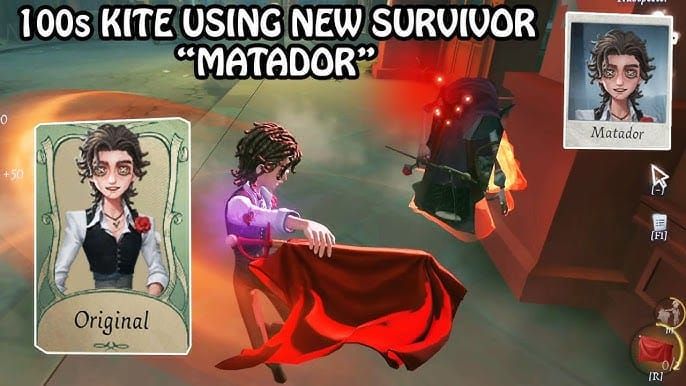
Matador's a Difficulty 2 Contain/Assist Survivor with unprecedented mobility. His Muleta Mastery dual-dash covers 6 meters initially, extending to 10 meters on second activation—16 meters total within an 11-second cooldown.
The cleave operates in a 2.5-meter radius for 0.6 seconds, applying 50% movement speed reduction to Hunters for 2.5 seconds. This slow exceeds most stun recoveries. He maintains two Energy Charges with 70-second recharge.
His Quite ability carries Survivors 13 meters forward—works for rescues and kiting. Base running speed: 3.8 m/s (standard). For Season 41 Essence pulls, Identity V echoes top up through BitTopup offers instant delivery with competitive pricing.
Gaonera Pass: Requires 100 Courage, grants two charges per match. Deploys a Muleta lasting 8 seconds within 25-meter range. Decreases Hunter Interaction Speed by 10%—counters camping and balloon carries. Stacks with Faena passive (10% Hunter Movement Speed reduction within 6 meters + 10% Survivor Vaulting Speed boost).
Against 4.6 m/s Hunters, the 10% reduction drops speed to 4.14 m/s—narrowing the gap to just 0.34 m/s (26% chase efficiency reduction). Combined with vault speed increase, standard loops become extended time sinks.
Season 41 Meta: S-Tier Hunters include Dream Witch (6.08 m/s), Breaking Wheel (8.03 m/s), Sculptor, Geisha. Matador's slow mechanics excel against mobility-dependent Hunters. Cipher decode: 81 seconds. Rescue time: 0.86 seconds (0.77 with 10% Interaction Speed boost).
Top 5 Counter-Picks
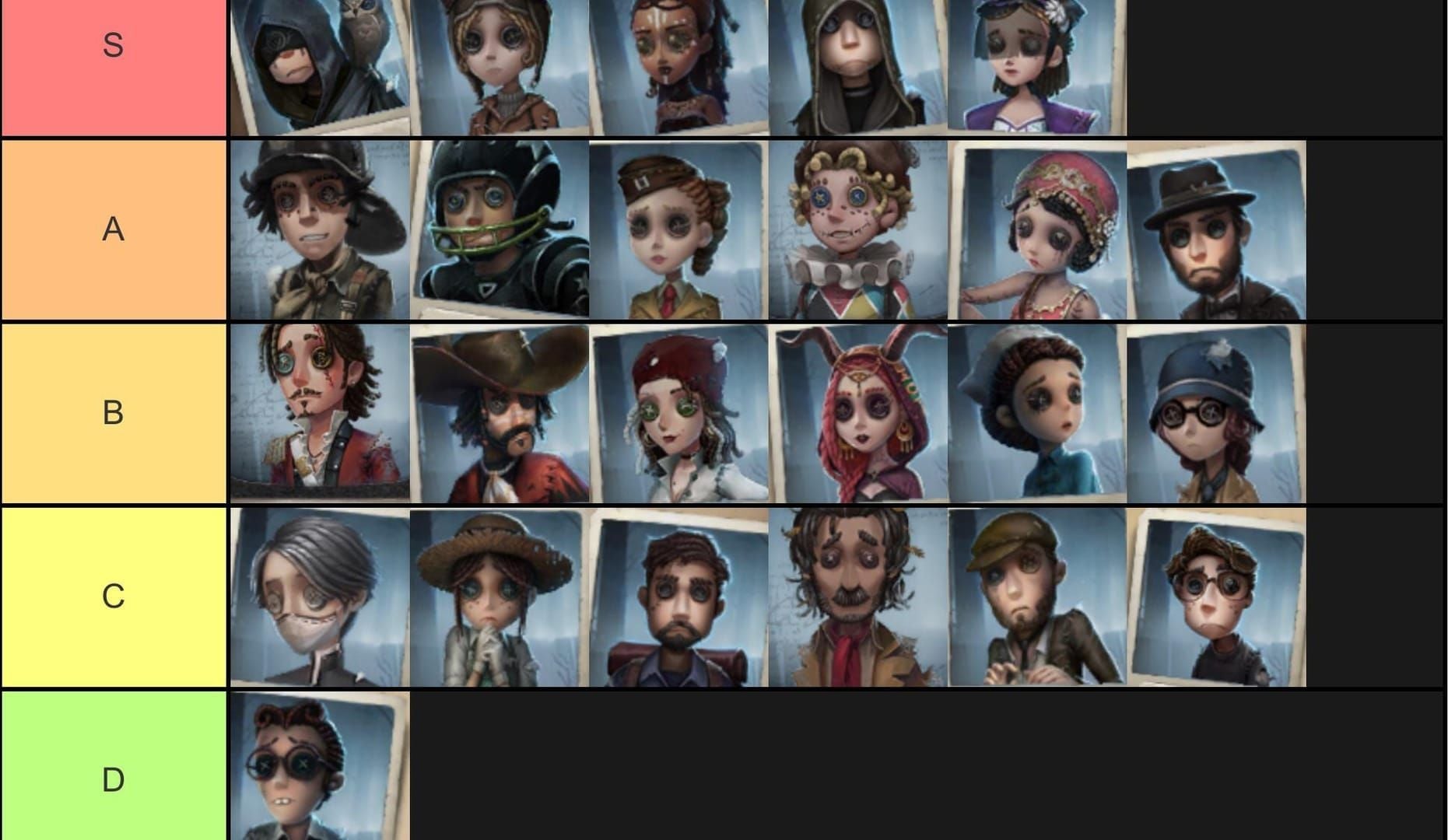
1. Mechanic: Decoding Pressure
200% decoding speed completes ciphers in 81 seconds with puppet. Remote decoding negates Gaonera Pass area denial. Deploy Trait Build 129 (mobility) for repositioning. Puppet provides info control revealing patrol routes. When Matador chases you, puppet continues decoding—unwinnable trade.
2. Priestess: Portal Mobility
Global portals bypass dash interception. Cross-map rotations fragment team pressure. Position portals at cipher clusters and rescue routes to neutralize Gaonera Pass camping. Use Trait Build 39 (kiting) with Knee Jerk Reflex and Horsefly Effect. Reserve one portal charge for rescues.
3. Seer: Owl Protection
Owl provides timed invulnerability negating Muleta Mastery slow. Deploy preemptively when Matador enters dash range—forces wasted Energy Charges. Owl vision reveals charge status for informed kiting. Trait Build 36 (rescue) with Borrowed Time and Tide Turner creates 20-second damage delay surviving camping attempts. Activate Owl immediately after unhooking.
4. Coordinator: Flare Gun Disruption
Flare Gun guarantees stun interrupting dash sequences and Gaonera Pass. Time usage with Matador's second dash activation for max punishment. Forces trades in rescues—he abandons position or eats extended stun. Equip Build 36, use Flare during Gaonera Pass. Elbow pads provide damage resistance after slow expires.
5. Antiquarian: Information Control
Cat tracks position and Energy Charge patterns. Increased interaction speed with objects creates faster vaults/pallet drops minimizing Terror Shock risk. Deploy cat at cipher clusters revealing rotations before commits. Cat vision range exceeds Gaonera Pass range—advance warning for rescue attempts.
Trait Swap Strategies
Generic builds sacrifice 15-20% win rate. Matchup-specific optimization required.
Rescue Build 36: Borrowed Time (20-second damage delay) + Tide Turner (movement boost). Survives Gaonera Pass 8-second duration with 12-second buffer. Deploy when team has dedicated decoders. Damage delay ensures successful unhooks despite extended animations. Use on maps with concentrated rescue routes.
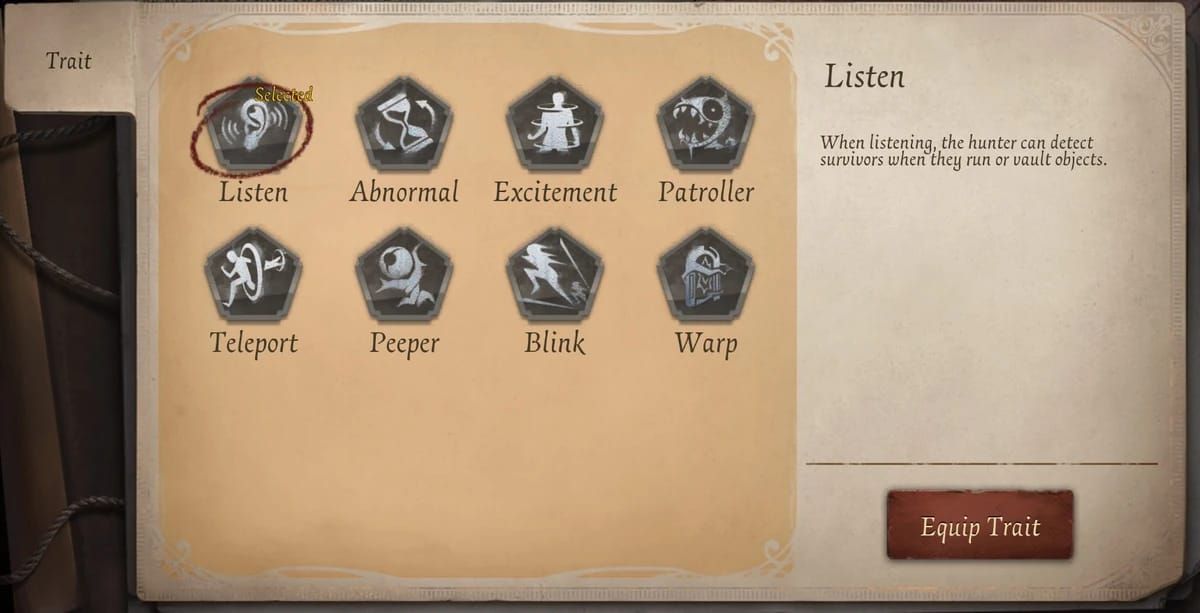
Kiting Build 39: Knee Jerk Reflex + Horsefly Effect extends chases 30-40%. Auto vault speed activates when Matador applies slow, offsetting movement penalty. Prioritize for first-chase Survivors. Transforms 60-second kites into 80-90 seconds. Buy Identity V echoes recharge online via BitTopup for trait pages and persona configs.
Mobility Build 129: Max movement speed between ciphers and tiles. Essential on large maps (Lakeside Village, Moonlit River Park). Deploy on decoders maintaining progress while avoiding patrols. Movement speed enables preemptive positioning preventing first hits.
Map-Specific:
Arms Factory: Build 36 (tight corridors, limited rescue routes)
Eversleeping Town: Build 129 (sprawling layout needs rotation)
Lakeside Village: Build 39 (open sightlines, extended transitions)
Moonlit River Park: Flexible based on team comp
Advanced Kiting Techniques
Tight vs Transition Kiting: Tight kiting works against first dash but vulnerable to second. When Matador initiates within 6 meters, transition to adjacent structures immediately. Second dash covers 10 meters—intercepts standard loops. Transition between clusters forces both charges for single hits. Target 12-15 meter routes between tiles.
Pallet/Window Timing: 0.6-second cleave creates Terror Shock risk during vaults. Delay until Matador commits first dash, then fast vault during recovery. 11-second cooldown creates safe windows. Drop pallets preemptively at 8 meters with available charges—reactive drops guarantee hits.
Baiting Charges: Players commit both dashes early for quick first hits. Bait by positioning near vaults, transition when first dash initiates. Committed second dash = 70-second cooldown where he's standard mobility. Coordinate cipher rushing and rescues during cooldowns.
Environmental Objects: Cleave extends around corners but needs line-of-sight. Use L-shaped structures to break LOS during startup, forcing missed attempts. Elevated platforms disrupt targeting—2.5-meter radius operates horizontally, creating safe zones above this height.
Mistake #1: Fatal Trait Errors
60% of ranked players use generic builds, sacrificing matchup advantages. Most common: prioritizing decode speed over rescue/kiting against Matador teams.
Why Generic Fails: Decoder builds become obsolete when Gaonera Pass and Muleta Mastery extend chases, negating raw decode advantages. Mechanic with pure decode traits completes 15% faster but contributes zero rescue value where Matador's camping demands specialized responses.
Generic assumes 60-second kites. Matador extends to 80-90 seconds against unprepared Survivors, creating cipher deficits. Without Borrowed Time or vault speed, rescues against Gaonera Pass result in double-downs eliminating team pressure.
Hidden Cost: Each trait slot = 8-12% performance variance. Decode over Borrowed Time costs 1.2 successful rescues per match (90-120 seconds lost cipher progress). Compounds across ranking system. Wrong selection creates tilt from predictable failures, degrading decisions—additional 5-10% win rate loss.
Fix: Audit trait pages before Feb 5, 2026. Ensure three builds: rescue (36), kiting (39), mobility (129). Allocate based on role—rescuers max Borrowed Time/Tide Turner, kiters prioritize vault speed. Create map-specific presets auto-loading by location.
Mistake #2: Poor Early Positioning
Early positioning determines 70% of outcomes. Critical error: spawning near isolated ciphers giving Matador easy first-chase targets without support.
Spawn Analysis: Matador's optimal patrol targets ciphers 30-40 meters from spawns—intercepts before you establish kiting positions. Edge spawns face extended transitions to teammates, creating isolated scenarios where dash secures quick eliminations.
Identify spawns with strong kiting structures within 15 meters. Eversleeping church spawn = instant multi-window access. Graveyard spawn = exposed open terrain.
Cipher Priority: Standard strategy (clustered completion) backfires—allows Gaonera Pass covering multiple final machines. Instead, prioritize spread forcing choices between distant objectives. Complete in triangular patterns spanning max distance. Three ciphers remaining = 40+ meter rotations required. 25-meter Gaonera Pass can't cover this spread.
First Chase Avoidance: Preemptive positioning based on likely spawn prevents first chases. Lakeside: Matador spawns central boat—rotate to edges immediately. Use first 15 seconds establishing cipher progress on unreachable machines before transitioning.
Deploy info Survivors (Antiquarian/Seer) tracking early movement. Once confirmed, coordinate rotations maintaining 50+ meter distance while progressing ciphers.
Mistake #3: Rescue Coordination Failures
Solo rescues without support separate winners from stagnant rankers. Fundamental error: attempting rescues without communicating Energy Charge status or Gaonera Pass availability.
Communication Gaps: Solo queue attempts rescues without signaling ability cooldowns, generating double-downs. Establish quick-chat: Focus on Decoding = Gaonera Pass available. Hunter Near Me = safe window.
Coordinate timing with cipher pops. Optimal windows occur after cipher completion when Matador chooses between camping or contesting machines.
Timing Windows: 8-second Gaonera Pass + 10% interaction penalty extends 0.86-second rescue to ~0.95 seconds. Combined with body-blocking, demands precise coordination.
Execute at 50-55% chair progress when Gaonera Pass on cooldown or both Muleta charges depleted. 70-second recharge creates extended vulnerability. Track through visual observation.
Body-Blocking: Healthy teammates absorb post-rescue attacks while rescuer escorts unhooked to safety. Position between Matador and escape routes. Essential against Gaonera Pass where penalties extend animations.
Optimize trades: rescued has Borrowed Time or rescuer has damage resistance (Coordinator pads). Acceptable trade: healthy rescuer for injured rescued at 60%+ cipher progress.
Map-Specific Strategies
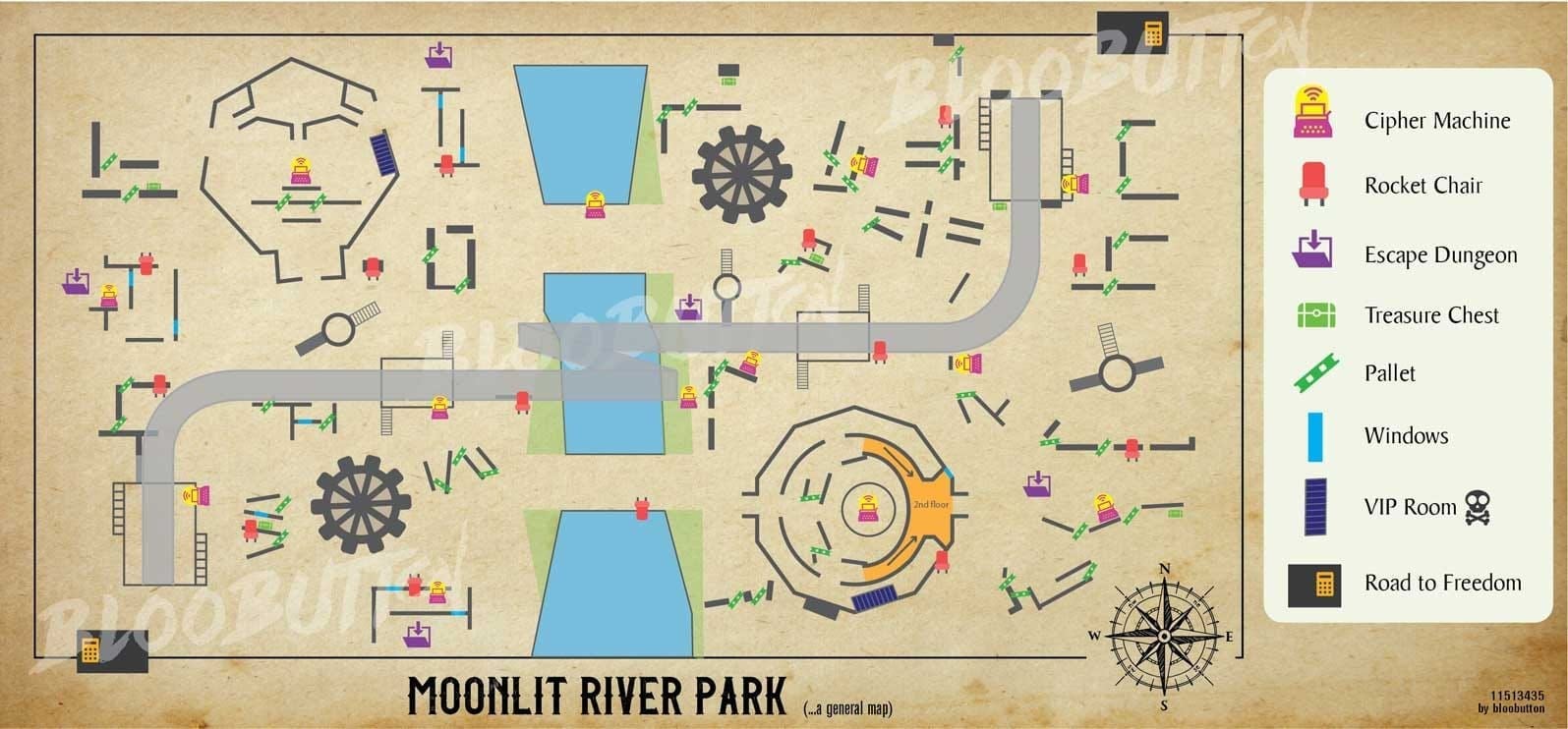
Moonlit River Park: Strong zones near central bridge and riverside buildings. Transition toward bridge using connected loops—narrow width and perpendicular obstacles break cleave LOS. Prioritize edge ciphers (escape routes to multiple structures) over central (exposed terrain).
Arms Factory: Vertical structure creates strongest camping but exploitable kiting. Multi-level platforms force extended rotation between floors. Use central machinery and conveyor belts—L-shaped corners break dash LOS. Upper walkways approach rescues from elevated angles.
Eversleeping Town: Church = superior tight kiting (multi-window, pew obstacles). Graveyard = transition between tombstones. Residential = strongest anti-Matador through connected rooms with multiple vaults. Figure-eight patterns force both charges for single hits.
Lakeside Village: Master transitions between boat, dock, shoreline. From central boat, transition to dock buildings using wooden pallets. Tight corridors and perpendicular vaults counter dash. Prioritize ciphers near structure clusters over isolated shoreline spawns.
Day-1 Prep Checklist
Practice Routine: 10-15 custom matches drilling rescue timing against Gaonera Pass before Feb 5, 2026 08:00 UTC+8. Simulate camping from multiple angles until penalties become predictable. Practice dash-baiting focusing on LOS breaks and transition timing. Record sessions identifying positioning errors. 30-40 minutes daily first week.
Resource Allocation: Season 41 Essence 1 launches with season. 1-2% S-Tier rates, guaranteed at 250 pulls (79,500 Echoes). Budget players target 100 pulls (31,800 Echoes) for 63% S-Tier chance. Prioritize unlocking Mechanic, Priestess, Seer if not owned. Season Pass delivers persona points and trait pages.
Mental Prep: Pre-match routine: five deep breaths, review win conditions, visualize successful rescues. Loss-limit rules: after two consecutive losses, switch to quick match/custom before returning. Prevents 3-5 loss spirals in Tier 4-7.
FAQ
What survivors counter Matador best? Mechanic (200% decode pressure), Priestess (portal mobility), Seer (Owl negates slow). Mechanic forces impossible cipher defense, Priestess bypasses dash interception.
How to rescue against Gaonera Pass? Rescue when Gaonera Pass on cooldown or Muleta charges depleted. 8-second duration + 10% penalty extends animations—coordinate body-blocking during escape.
Which trait build vs Matador? Build 36 (Borrowed Time + Tide Turner) for camping—20-second delay survives Gaonera Pass. Build 39 for first-chase. Build 129 for large maps.
Biggest mistakes vs Matador? Generic traits (not matchup-specific), poor early positioning near isolated ciphers, solo rescues without coordination. 15-25% win rate deficit.
How does dash work? Counterplay? 6-meter initial + 10-meter extension, 2.5-meter cleave, 50% slow for 2.5 seconds. Counter: transition 12-15 meters between structures forcing both charges, entering 70-second cooldown.
When to complete ciphers? Triangular spread 40+ meters between final three machines. Prevents 25-meter Gaonera Pass covering multiple objectives. Avoid clustered completion.
Dominate Season 41 with BitTopup! Instant Echo delivery for Survivor unlocks, trait optimization, Season Pass rewards. Fast, secure transactions with industry-leading rates. Power your rank climb at BitTopup—your Season 41 success partner.