

Delta Force Season 8 Morphosis launches February 3, 2026, introducing Aftershock—a revolutionary Warfare map with 95% destructible buildings and 550 destructible object types. This guide covers expert destruction tactics, explosive comparisons, and breach strategies using staged collapses, earthquake mechanics, and debris damage systems.
Understanding Aftershock's 95% Destruction System
Aftershock transforms environmental destruction from cosmetic detail to core combat mechanic. Nearly every structure can be compromised, collapsed, or breached, fundamentally changing positioning, cover, and map control.
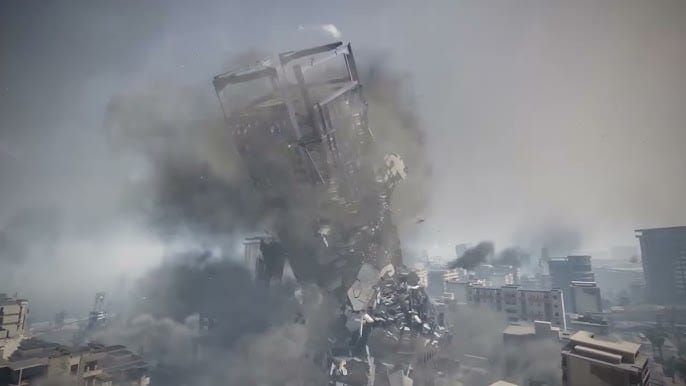
Buildings collapse in stages through a sophisticated integrity model. Walls crack and weaken before failing completely, giving visual cues about structural stability. The two CBD skyscrapers feature multi-phase collapse sequences that reshape entire map sectors.
For maximum destruction capabilities, Delta Force coins top up through BitTopup ensures immediate access to premium explosive equipment without grinding delays.
What Makes Aftershock's Destruction Unique
Earthquake events split roads and trigger cascading structural failures at unpredictable intervals, forcing constant position reassessment. Skilled players exploit these moments by timing aggressive pushes when opponents are disoriented.
Falling debris damages players caught underneath, creating lethal environmental hazards. Tactical teams bait enemies into compromised buildings before triggering final collapses, weaponizing architecture for area denial.
Collapses generate dense dust clouds obscuring vision for 15-20 seconds—free smoke screens without consuming equipment slots. Smart players coordinate breaches with natural collapses to mask entry points. Rubble creates new cover positions, constantly evolving the tactical landscape.
Structural Integrity Mechanics
The 550 destructible object types each have distinct durability thresholds and failure patterns. Load-bearing walls require concentrated explosive damage; partition walls shatter from small arms fire.
Concrete exhibits progressive damage modeling—initial impacts crater surfaces, subsequent hits penetrate deeper, final charges trigger structural failure. This multi-hit requirement demands resource management during extended engagements.
Wooden structures collapse from single C4 charges or 2-3 RPG impacts. Metal reinforcements provide intermediate resistance, typically withstanding one explosive but failing to secondary charges. Glass offers zero resistance and no cover value.
Competitive Advantages
Traditional cover tactics become obsolete when opponents eliminate defensive positions entirely. Destruction specialists force constant enemy movement, denying static setups and creating offensive pressure through environmental manipulation.
Vertical breach capabilities enable unexpected attack angles—collapsing floors beneath enemies or breaching ceilings for surprise upward assaults. These three-dimensional vectors overwhelm opponents trained for horizontal engagement.
Resource denial through strategic demolition prevents enemies from accessing high-value positions. Collapsing sniper towers and eliminating chokepoint buildings before occupation shifts map control decisively.
Explosive Arsenal Tier List
S-Tier: C4 Explosive
C4 is the gold standard for controlled demolition. Equip by pressing [6], with 3-second arming sequence requiring protected positioning. Remote detonation allows precise timing coordination with team movements.
Optimal placement targets:
Wall-floor junctions
Support column bases
Load-bearing beam intersections
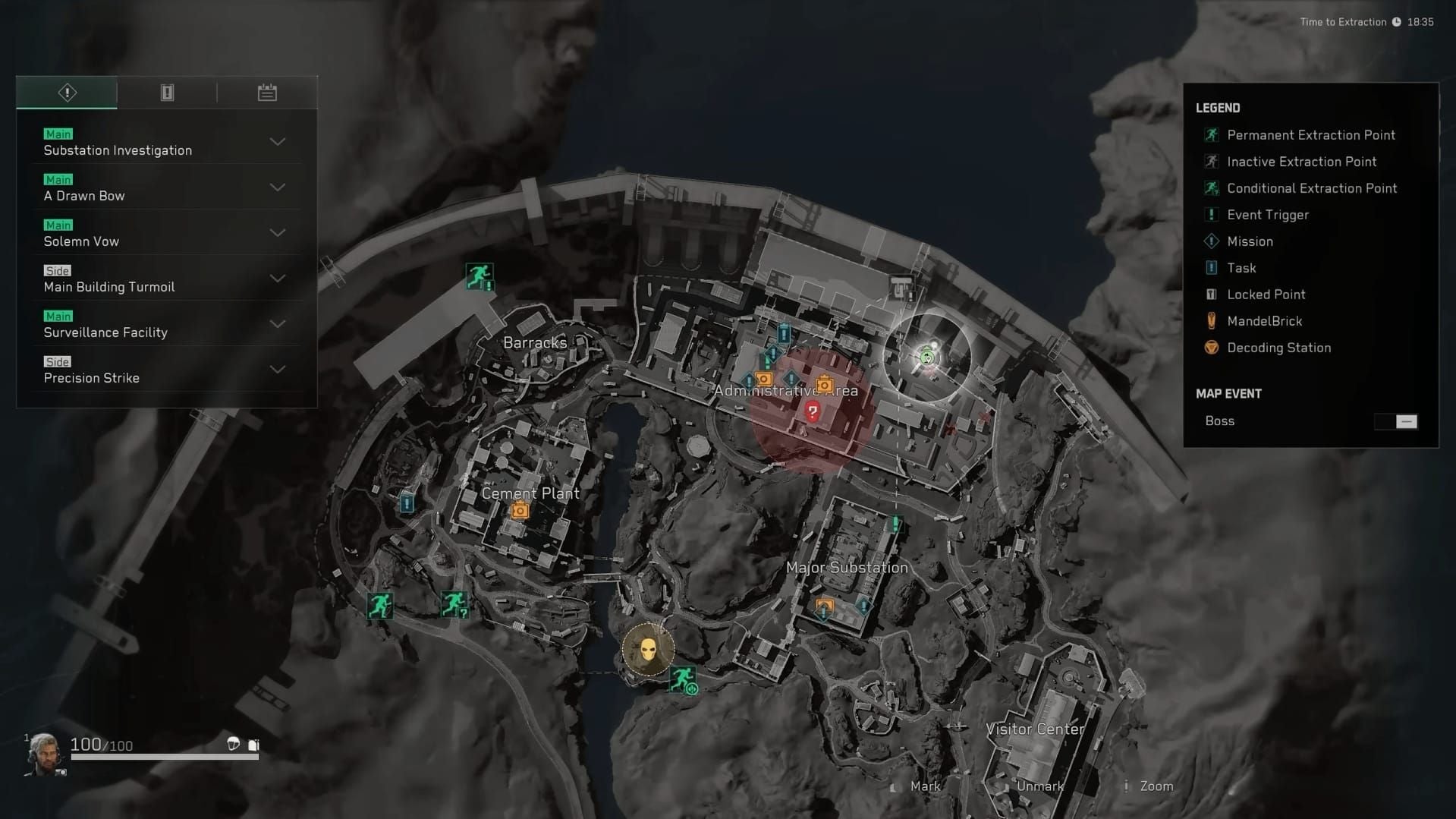
Ground-level corner charges create cascading failures propagating upward through multi-story buildings, maximizing destruction from minimal investment.
Remote detonation provides unmatched tactical flexibility. Pre-position charges on multiple buildings, then trigger collapses in sequence to herd enemies into kill zones or cut retreat routes.
The 3-second arming time creates vulnerability windows. Use teammate cover during placement or exploit distraction moments. The animation can't be cancelled—poor positioning results in death before detonation.
A-Tier: RPG-7
RPG-7 delivers immediate explosive impact without arming delays, superior for reactive demolition during active firefights. Direct-fire trajectory allows precision targeting from medium range, though projectile drop requires compensation at distance.
Single RPG hits compromise most non-reinforced walls for infantry passage, creating instant breach points. Reload time balances immediate impact—one guaranteed breach per engagement before extended vulnerability.
RPG effectiveness against vehicles extends utility beyond structural demolition. Eliminate enemy transport, destroy cover vehicles, deny mobile spawn points while maintaining anti-structure capabilities.
Limited ammunition capacity (2-3 rockets) restricts sustained demolition. Prioritize high-value targets—critical cover positions or single decisive breaches rather than widespread destruction.
B-Tier: Grenade Launcher
Grenade launchers excel at indirect fire demolition, lobbing explosives over obstacles to strike targets beyond line of sight. Arc trajectory allows demolishing upper-story positions from ground level without exposure to return fire.
Area saturation potential enables suppressive demolition—rapidly firing multiple grenades to destabilize large structural sections simultaneously. While individual grenades deal less damage than C4 or RPG, cumulative bombardment achieves comparable destruction through volume.
Requires significant practice to master trajectory prediction at varying ranges and elevations. Experienced operators develop intuitive arc understanding, enabling accurate first-shot hits on distant targets.
Ammunition capacity advantages over RPG allow sustained pressure during extended engagements. Maintain continuous demolition output, preventing enemies from reestablishing defensive positions.
C-Tier: Throwables
Standard throwables offer minimal structural damage but retain tactical utility. Frag grenades create localized weak points in damaged structures, finishing compromised walls. Universal availability makes them backup demolition tools when primary explosives are depleted.
Semtex adhesive grenades stick to surfaces for precise placement on specific elements. While lacking raw power, Semtex targets small breach points like door frames, window reinforcements, and ventilation grates.
Flashbangs disorient enemies for 8-10 seconds—critical windows for executing breaches. Coordinating flashbang deployment with explosive breaches maximizes entry success by neutralizing defenders during vulnerable transitions.
Molotovs provide area denial through fire damage, but flames trigger secondary explosions in environments with flammable materials. Use Molotovs to ignite gas lines and fuel deposits for chain reaction demolitions.
Explosive Damage Values
Concrete walls: 2-3 C4 charges for complete penetration depending on thickness. Single charges create partial breaches for visual reconnaissance but inadequate for safe passage.
Wooden structures: Single C4 charge or 2-3 RPG impacts. Grenade launchers require 4-6 direct hits for complete failure.
Metal reinforcements: Single C4 creates significant damage but rarely achieves complete penetration. Two charges guarantee breaches; RPG requires 3-4 impacts.
Glass/lightweight partitions: Shatter from small arms fire, requiring zero explosive investment. Conserve ordnance by shooting out glass barriers.
Strategic Demolition Targets
CBD skyscrapers serve as high-value targets that reshape entire map sectors when collapsed. Bringing down these structures eliminates elevated sniper positions, blocks major sightlines, and creates impassable rubble barriers redirecting enemy movement.
Shooting out indoor lights creates dark environments favoring players with night vision or thermal optics. This transforms well-lit defensive positions into shadowy mazes where attackers gain visibility advantages.
For faster equipment unlocks, buy Delta Force in-game currency recharge through BitTopup's secure platform. Quick access to night vision scopes and thermal optics directly enhances darkness tactics.
Vehicle-based demolition leverages armored transports as battering rams against structures. Driving vehicles into building supports creates massive structural damage without expending carried explosives. The amphibious vehicle introduced in Season 8 expands this to waterfront structures.
Earthquake event timing creates optimal demolition windows when natural seismic activity destabilizes structures. Monitor earthquake patterns to coordinate explosive attacks during tremors, requiring less ordnance for collapses.
Advanced Vertical Breach Techniques
Floor destruction for downward attacks: Identify ceiling weak points in rooms below target positions. C4 placement on upper floors directly above enemies creates surprise vertical breaches bypassing horizontal defenses.
Ceiling breach for upward infiltration: Precise explosive placement avoids self-damage from debris. Position charges on lower floor ceilings, retreat to safe distances, then exploit breach for rapid vertical advancement. Bypasses stairwell chokepoints and elevator kill zones.
Load-bearing structure identification: Visual indicators like reinforced columns, thicker walls, and architectural support beams signal critical elements. Destroying these triggers building-wide failures rather than localized breaches, creating friendly fire hazards.
Safe landing zones after collapse: Reinforced concrete slabs, metal framework sections, and areas with visible structural support. Recognizing these zones transforms potentially lethal hazards into tactical repositioning opportunities.
Optimal Destruction Loadouts
Destruction specialist loadouts prioritize explosive capacity through equipment optimization. Carry maximum C4 charges (2-3) combined with RPG or grenade launcher secondary for sustained demolition capability.
Primary weapon selection focuses on close-quarters effectiveness for post-breach combat. SMGs and assault rifles with high fire rates excel in chaotic engagements following breaches. Long-range precision weapons prove less valuable in collapsed building environments with reduced sightlines.
Support Operator Vlinder (launching Season 8) provides explosive mitigation protecting demolition specialists from their own ordnance. Faster revive capability keeps destruction-focused teams operational after risky breaches. Controllable smoke grenades mask demolition activities from enemy observation.

Operator Butterfly offers high mobility complementing destruction gameplay through rapid repositioning after triggering collapses. Quick movement between demolition sites prevents enemies from predicting breach locations, maintaining offensive initiative.
Team Coordination Strategies
Multi-point breach coordination: Precise timing synchronization across squad members. Designate breach countdown calls—Breach in 3, 2, 1—ensuring simultaneous detonation that overwhelms defensive attention.
Role assignment:
Dedicated breachers: Focus exclusively on demolition
Entry fraggers: Exploit created openings immediately
Support players: Provide covering fire and medical assistance
Communication protocols: Designated callouts for structural failure warnings. Develop shorthand terminology—Building coming down, north side or Collapse imminent, evacuate—conveying critical information rapidly.
Resource sharing: Players with depleted ordnance receive resupply from teammates, maintaining sustained demolition pressure. Collective resource management prevents individual ammunition shortages from degrading team capability.
Countering Destruction Meta
Recognize safe zones: Interior rooms with multiple support walls typically survive longer than exterior sections. These reinforced spaces provide temporary refuge during collapses.
Anti-breach defensive setups: Position away from exterior walls and common breach points, forcing attackers to advance through multiple compromised rooms. Defense-in-depth trades initial positions for survival.
Early warning systems: Audio cues include C4 arming beeps, RPG launch sounds, and grenade launcher firing reports. Recognize these signatures and initiate immediate repositioning before detonation. Headphone users gain significant advantages through directional audio.
Emergency evacuation routes: Identify multiple exit paths during initial building occupation. Scout exits before defensive setup begins. Single-exit positions become death traps when primary exits are blocked by rubble or enemy fire.
Common Mistakes
Wasting explosives on non-strategic targets: Depletes limited ordnance without tactical benefit. Disciplined conservation focuses demolition on high-value targets directly enabling objective completion.
Poor timing causing self-damage: C4 blast radius extends beyond visual estimates, particularly in enclosed spaces where pressure waves reflect. Develop intuitive distance judgment preventing self-inflicted casualties.
Ignoring collapse patterns: Visual warning signs—cracking sounds, dust falling from ceilings, visible structural deformation—precede major collapses by several seconds. Recognize indicators and evacuate before catastrophic failure.
Neglecting resource management: Expending all explosives early leaves teams without demolition capability during critical moments. Balance early aggression with reserve capacity for late-game scenarios.
Pro-Level Strategies
Tournament-proven building denial: Preemptive demolition of high-value positions before enemies occupy them. Professional teams identify map-dominant structures during pre-match planning, then prioritize destruction in opening minutes.
High-level breach timing: Coordinates with teammate utility—flashbangs, smoke grenades, suppressive fire—to maximize entry success. Professional players never breach in isolation; every demolition integrates into broader tactical sequences.
Demolition as psychological warfare: Repeatedly destroying prepared positions demoralizes opponents, forcing reactive defensive mindsets that surrender map initiative. Psychological impact often proves as valuable as tactical advantages.
Mode-specific adaptation: Domination benefits from area denial making capture points untenable. Search and Destroy demands surgical breaches enabling rapid objective access. Mode-appropriate tactics separate versatile teams from one-dimensional specialists.
Maximize Performance with BitTopup
BitTopup provides the fastest, most secure Delta Force currency top-up service, ensuring immediate access to premium explosive equipment and specialist operators. Competitive pricing and instant delivery mean more time dominating Aftershock, less time grinding.
Excellent customer service and high user ratings reflect commitment to player satisfaction. Secure transaction processing protects account information while delivering purchased currency within minutes. Wide game coverage serves all gaming needs through a single trusted platform.
Unlock Vlinder's explosive mitigation and Butterfly's high mobility immediately rather than waiting for progression. Premium operators provide tangible competitive advantages, and BitTopup ensures you're never outmatched due to equipment limitations.
FAQ
What percentage of buildings are destructible in Aftershock? 95% destructible buildings with 550 destructible object types. Only critical structural elements and map boundaries remain indestructible.
How does C4 placement work? Press [6] to equip, then face 3-second arming sequence. Remote detonation after arming allows tactical timing. Optimal placement targets wall-floor junctions and support column bases.
Can vehicles destroy buildings? Yes, vehicles destroy structures through direct impact. The new amphibious vehicle (Season 8) enables vehicle-based demolition without expending carried explosives.
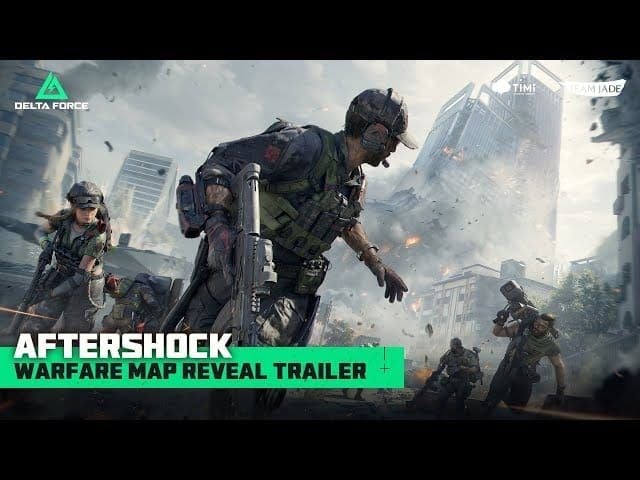
When does Season 8 Morphosis launch? February 3, 2026, introducing Aftershock map alongside operators Vlinder and Butterfly. Map reveal trailer released January 26, 2026.
How do earthquake events affect gameplay? Earthquakes split roads and trigger building destruction unpredictably, forcing constant tactical adaptation and creating opportunities for coordinated attacks during enemy disorientation.
What makes Vlinder useful for destruction teams? Explosive mitigation protects demolition specialists from ordnance hazards. Faster revive keeps aggressive breach teams operational. Controllable smoke grenades mask demolition activities from observation.
Ready to dominate Aftershock? Top up your Delta Force account instantly at BitTopup for best rates and fastest delivery. Unlock premium gear, stock up on C4, and become the destruction specialist your team needs!