

VPN services block 100% of Likee Diamonds top-ups. Anti-fraud systems flag IP mismatches and proxy connections instantly. This guide explains why payments fail and provides proven fixes for 2026.
Why Likee Blocks Diamond Top Up When VPN/Proxy Is Active
Likee's payment gateway checks IP location, device fingerprint, payment method origin, and account details simultaneously. Any mismatch triggers automatic rejection. Example: US payment card + European VPN IP = instant block.
For persistent issues, likee diamonds top up blocked by vpn solutions through BitTopup bypass detection via specialized payment routing.
Understanding Likee's Anti-Fraud Detection System
Three verification layers process within milliseconds:
Layer 1: IP Reputation - Cross-references against databases of VPN exit nodes, data centers, and proxy servers. Commercial VPNs use shared IP pools serving thousands of users—easily identifiable.
Layer 2: Transaction Velocity - Analyzes purchase patterns and geographic consistency. First-time users limited to 100-500 diamonds for 30 days while establishing baseline behavior.
Layer 3: Device Fingerprinting - Captures 50+ identifiers: browser config, screen resolution, fonts, timezone, hardware specs. Fingerprint stays consistent but mismatches with IP geolocation create red flags.
How VPN Usage Triggers Security Protocols
DNS Leak Detection - Discrepancies between advertised IP and DNS server location expose VPN usage.
WebRTC Leak Detection - JavaScript initiates WebRTC connections revealing real IP despite VPN masking.
Connection Latency Analysis - VPN introduces network hops creating measurable delays. Latency patterns inconsistent with claimed location trigger rejection.
Geographic Mismatch Between Payment Method and IP Location
Payment processors enforce strict geographic consistency. Credit cards carry metadata indicating issuing country. VPN presenting different country IP fails compliance checks.
Regional restrictions require state/province-level alignment. Prepaid cards face daily caps of 500-2000 diamonds varying by verified location. VPN prevents accurate verification, defaulting to most restrictive limits.
Declined transactions generate generic error messages, rarely specifying VPN as cause. Repeated attempts without fixing VPN issue trigger fraud flags requiring 24-48 hours to clear.
Common Payment Decline Errors and Fraud Flags Explained
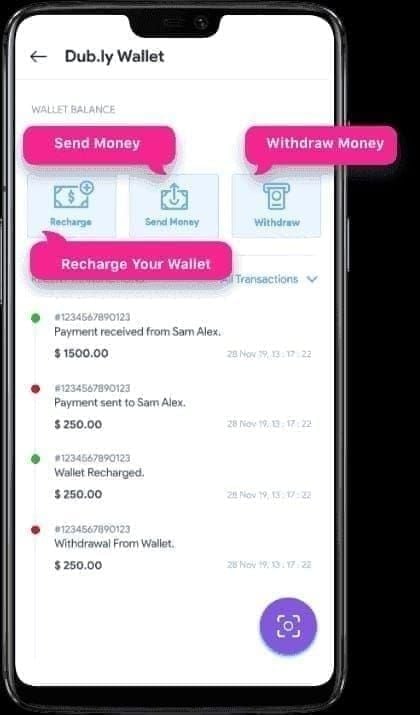
Transaction log (Wallet → Transaction Log) shows three status indicators:
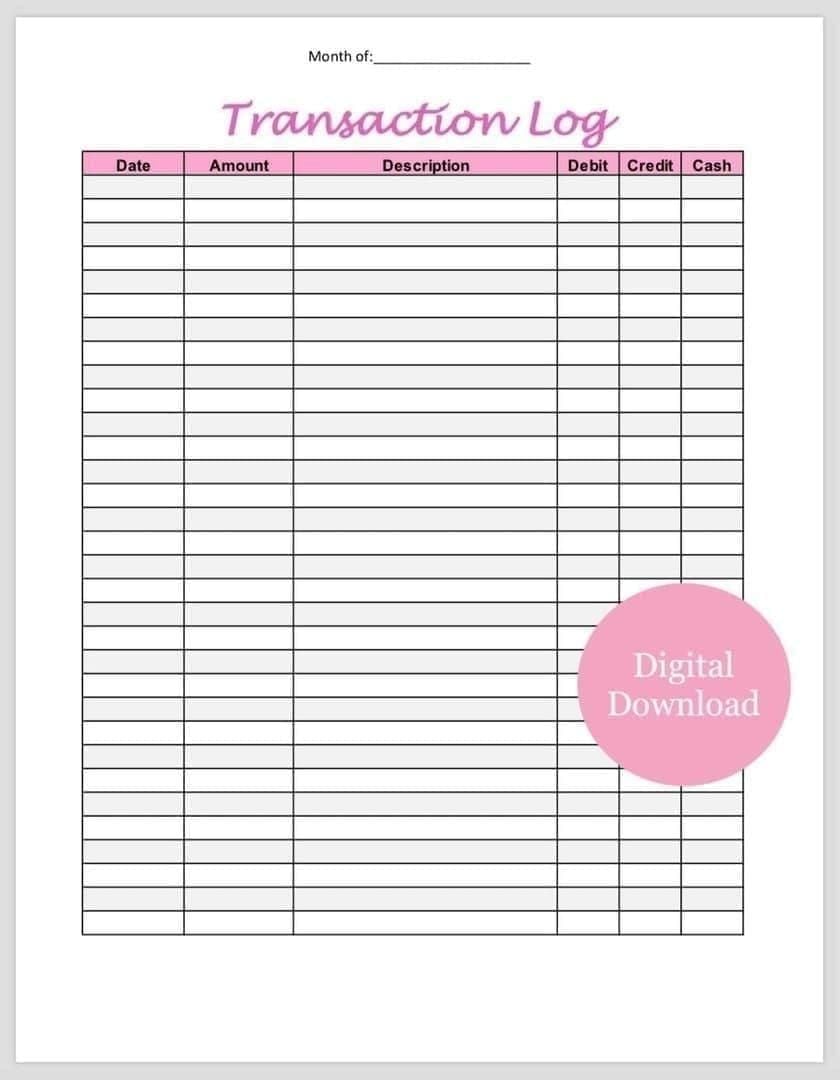
Clock icon: Pending (up to 48 hours)
Red X: Failed (refund in 3-5 business days)
Green checkmark: Successful
Error Code Breakdown
Payment method declined - Gateway rejected during authorization. Causes: VPN geographic mismatch, insufficient funds, or bank flagging suspicious patterns.
Transaction cannot be completed - Likee's fraud detection blocked before reaching gateway. Triggers: password changes, new device logins, unusual purchase patterns. VPN amplifies risk factors.
Verification required - System needs identity confirmation via email/SMS. VPN showing inconsistent location may prevent code delivery, creating deadlock.
Fraud Flag vs. Temporary Block
Temporary blocks: 10-15 minutes from rapid purchase attempts. Auto-resolve without intervention. Continuing attempts extends duration.
Fraud flags: 24-48 hours enhanced scrutiny. All purchases face manual review. Support response: 24-48 hours.
Permanent restrictions: After repeated flags or policy violations. Requires identity verification via government documents. VPN alone doesn't trigger, but combined with UID mismatches or chargebacks increases risk.
Why Accounts Get Flagged
Purchase frequency changes - Typical 500 diamonds monthly → sudden 5000 diamond attempt = potential compromise alert. VPN amplifies risk score.
Device switching - New device + VPN-masked IP prevents ownership verification, defaults to rejection.
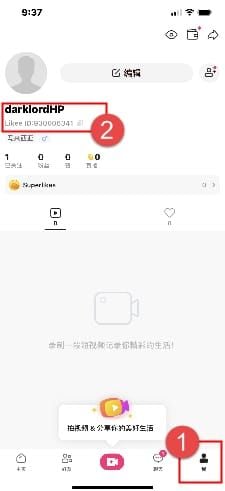
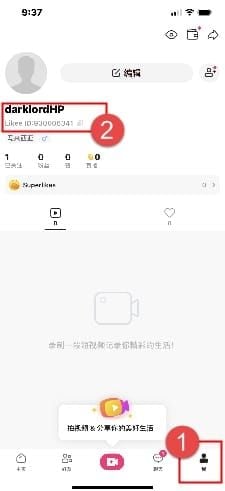
UID mismatches - Cause 60-70% of delivery failures. Always screenshot your 10-digit Likee ID (below profile name) before top-up.
How Likee Detects VPN and Proxy Servers in 2026
IP Address Analysis and Blacklist Databases
Payment processors maintain millions of IP addresses from VPN services, data centers, proxies. Databases update faster than VPN providers acquire new ranges—new servers appear in blacklists within 24-48 hours.
IP reputation scoring analyzes user count per address. Residential IPs serve single households; VPN exit nodes show hundreds/thousands of users. Statistical signature identifies shared infrastructure.
Device Fingerprinting Technology
Captures: browser user agent, plugins, canvas rendering, audio context, WebGL renderer. Creates unique identifier more reliable than cookies/IP.
VPN shifts IP geolocation but fingerprint stays unchanged. Example: North American smartphone model + Asian IP = immediate fraud alert.
Behavioral biometrics (typing patterns, touchscreen pressure, navigation habits) remain consistent regardless of VPN, linking current session to previous actual-location sessions.
DNS Leak Detection Methods
Payment gateways trigger DNS lookups while monitoring which servers process requests. DNS queries routing through actual location servers (not VPN's claimed location) expose real position.
Authentication loads resources from multiple domains designed to trigger DNS resolution. Comparing DNS server locations to advertised IP identifies VPN with high accuracy.
WebRTC STUN requests bypass VPN tunnels revealing actual IP. Modern browsers enable WebRTC by default—payment processors exploit this vulnerability.
Transaction Pattern Recognition Systems
Machine learning analyzes millions of purchases identifying VPN-characteristic anomalies. Legitimate users maintain consistent locations; fraudulent actors frequently change locations.
Time zone consistency - Activity aligned with North American zones but purchases during inconsistent hours via European VPN triggers alerts.
Purchase velocity - Fraudulent actors attempt rapid purchases from different accounts using VPN rotation. Similar timing patterns to known fraud rings increase scrutiny.
Step-by-Step Fix for VPN/Proxy Blocked Payments
Immediate Action: Disable VPN Before Recharge
Fully close VPN application (not just disconnect)
Wait 10-15 minutes before purchase attempt
Verify public IP reflects actual ISP/location via network settings
Enable airplane mode 10 seconds, disable to refresh connection
Clear Cache and Cookies for Clean Session
Android: Settings → Apps → Likee → Storage → Clear Cache (avoid Clear Data)
iOS: Settings → General → iPhone Storage → Likee → Offload App (preserves login). Wait 30-60 seconds before reinstalling.
Force close app after clearing cache. Wait 30-60 seconds before reopening.
Verify Account Information Matches Payment Details
Screenshot 10-digit Likee ID (Profile → View/Edit Profile, below name). UID mismatches cause 60-70% failures.
C
Check device requirements: iOS 12.0+, Android 6.0+, 1GB+ free storage
Contact Support: When and How to Escalate
If blocks persist after troubleshooting, contact support with:
Google Play order ID (GPA.####-####-####-#####)
Exact error message
Confirmation VPN disabled before attempt
Response time: 24-48 hours. Don't submit multiple tickets—creates duplicates delaying resolution.
For persistent issues, likee payment declined fraud flag fix via BitTopup eliminates VPN detection through optimized infrastructure.
Alternative Solution: Using BitTopup for Secure Recharge
BitTopup bypasses VPN detection via specialized payment routing. Requires only 10-digit Likee ID and payment info.
Delivery: 5-30 minutes standard, 80% complete within 24 hours. Features: encrypted processing, fraud protection, 24/7 support with faster response than native channels.
Safe Recharge Settings Configuration for 2026
Optimal Network Settings
Stable connection: minimum 1-2 Mbps bandwidth
Use residential internet (not public WiFi—shared IPs flagged high-risk)
Disable battery optimization: Android Settings → Battery → Optimization → Likee → Don't optimize
Payment Method Selection Best Practices
Credit cards: Highest approval (85-90%) due to fraud protection and clear geographic attribution.
Avoid new cards for first purchase—limited transaction history = higher risk. Use card for other purchases 1-2 weeks before Likee top-up.
International transactions: Verify card's international settings enabled via bank app.
Account Security Verification Setup
Enable 2FA (Settings → Account → Security)—reduces fraud flags
Verify email and phone number—allows authentication codes for high-value purchases
Maintain consistent login patterns from same devices
BitTopup: The Secure Solution for Likee Diamond Recharge
Why BitTopup Works Without VPN Issues
Processes payments through merchant accounts configured for international gaming. Pre-established trust with gateways bypasses geographic matching requirements.
Pre-validates transactions (UID verification, payment validation, account checks) before Likee submission—eliminates trial-and-error triggering fraud flags.
Dedicated IP addresses with established merchant reputations (not VPN exit nodes serving thousands).
Step-by-Step BitTopup Recharge Process
Navigate to BitTopup Likee Diamonds page, select package
Enter 10-digit Likee ID (platform validates format real-time)
Select payment method (credit/debit cards, digital wallets optimized for region)
Complete payment authorization with real-time fraud screening
Monitor delivery via dashboard (5-30 minutes standard, first-time 24-48 hours possible)
Security Features That Prevent Fraud Flags
SSL encryption, PCI DSS compliance
Tokenization (no complete card details stored)
Dedicated support with merchant-level Likee access
Automated refund for failed deliveries
Preventing Future Payment Blocks and Fraud Flags
Best Practices for Consistent Successful Recharges
Regular intervals (500 diamonds monthly) vs. sporadic large transactions (6000 annually)
Purchase from same device when possible
Wait 48-72 hours after password resets/email updates before purchases
Network Environment Checklist Before Payment
✓ VPN completely disabled and closed ✓ Public IP confirms actual location ✓ Connected to residential internet (not public WiFi/mobile hotspot) ✓ Stable connection: 1-2 Mbps minimum, low latency ✓ Close background apps consuming bandwidth
Account Maintenance Tips
Keep email/phone current for verification codes
Update Likee app regularly via official stores
Engage with platform (view/create content) between purchases—10-15 minutes daily establishes legitimate behavior
Understanding Regional Payment Compliance
Payment regulations vary by country affecting methods and limits. Research local requirements for international digital purchases.
Some regions require identity verification above certain thresholds. Stay below reporting thresholds to avoid mandatory document submission.
Use payment methods in local currency—improves approval vs. real-time conversion (higher fraud risk).
Troubleshooting Persistent Payment Issues
When Standard Fixes Don't Work
Log out completely (Settings → Account → Log Out), wait 30-60 seconds, log back in
Force refresh diamond wallet (pull down on Profile → Diamond icon)
V
Account Recovery After Fraud Flag
Stop all purchase attempts 24-48 hours (flag expires naturally)
Contact support with clear explanation, transaction details, timestamps
Use alternative payment method after flag clears
Device-Specific Issues
iOS: Reset network settings (Settings → General → Reset → Reset Network Settings). Removes saved WiFi passwords.
Android: Disable battery optimization for Likee and payment apps (Settings → Battery → Optimization).
Older devices: Below iOS 12.0/Android 6.0? Use BitTopup web-based recharge bypassing app requirements.
Payment Method Alternatives Comparison
Credit cards: 85-90% approval, robust fraud protection
Debit cards: 70-75% approval, stricter limits/restrictions
Prepaid cards: 50-60% approval, daily limits 500-2000 diamonds, first-time 100-500 for 30 days
Digital wallets: 80-85% approval when using verified underlying methods
Expert Tips from Experienced Likee Players
Community-Tested Solutions
Off-peak timing: Purchase 2-6 AM your timezone. 5-10 minute delivery vs. 50-100% longer during peak (6-10 PM).
Test purchase first: 100-500 diamonds establishes trust before larger transactions. Wait 24 hours between.
Dedicated gaming device: Fewer issues than shared devices with varied usage patterns.
Timing Your Recharge for Better Success Rates
Avoid purchases immediately after major updates/events (wait 2-3 days for system stabilization)
Purchase during business hours in card's issuing country (faster manual review if needed)
Q2 2026 updates enable 40% faster delivery processing
Avoiding Common Mistakes
Don't purchase while traveling internationally without updating account location 48 hours prior
Never use public computers/shared devices (mixed fingerprints trigger blocks)
Respond to verification emails/SMS within 10-15 minutes (failure = auto-cancellation + potential flags)
Future-Proofing Your Recharge Strategy
Stay informed on payment compliance changes in your region
Maintain 2-3 verified payment methods for immediate switching
Build positive history through consistent moderate purchases vs. infrequent large ones
Frequently Asked Questions About Likee Payment Blocks
Why does Likee block diamond top up when using VPN?
Payment gateways detect geographic mismatches between IP and payment method origin. VPN routes through shared high-risk IPs. System interprets location discrepancy as account compromise, auto-rejecting transactions.
How does Likee detect VPN or proxy during payment?
IP blacklist matching, device fingerprinting (identifies device location vs. IP inconsistencies), DNS leak detection, WebRTC leak exploitation. Combined techniques achieve near-perfect VPN detection in 2026.
Can I safely recharge Likee Diamonds with VPN enabled?
No. VPN blocks 100% of top-ups. Disable VPN completely, wait 10-15 minutes before purchase. VPN usage guarantees failure and may trigger 24-48 hour fraud flags.
How long does Likee fraud flag last on account?
24-48 hours from triggering incident. All purchases face manual review during this period. Flag auto-clears after review period. Repeated violations extend duration or escalate to permanent restrictions.
What payment methods work without VPN issues on Likee?
All require VPN disabled. Credit cards (Visa/Mastercard): 85-90% approval. Digital wallets: 80-85%. Prepaid cards: 50-60% (strictest limitations).
Is BitTopup safe for Likee Diamond recharge?
Yes. SSL encryption, PCI DSS compliance, automated fraud protection. High user ratings for consistent delivery. 5-30 minute standard delivery, 80% complete within 24 hours. Dedicated support and guaranteed refunds for failures.
Skip VPN blocks and fraud flags—recharge Likee Diamonds safely through BitTopup today! Instant delivery, zero payment issues, 100% secure. Get your Diamonds now →