

Buying an iTunes Gift Card HK in 2026 is straightforward — if you know what to watch for. The card is region-locked to Hong Kong Apple IDs, comes in denominations from HK$50 to HK$2,000, carries no expiry date, and redeems via a 16-digit code starting with X. The danger isn't the product. It's a surge in sophisticated scams targeting HK buyers, timed to exploit real Apple ecosystem changes happening this year.
Why 2026 Is a Higher-Risk Year for HK iTunes Card Buyers
Two forces are colliding. Apple is making structural changes to its HK ecosystem, and scammers are timing attacks to exploit buyer confusion around those changes.
Confirmed Apple changes:
iTunes services supported only until December 2026 — remaining balances auto-migrate to Apple Account credit. No funds lost, no action needed. But scammers are already sending phishing messages claiming your iTunes balance will expire unless you act immediately.
A promotional rebate deadline of 15 March 2026 (promotion ending 31 March 2026) creates another urgency-exploitation window.
Scam data:
Average loss: HK$3,000 per victim, typically spread across four cards to stay under transaction alert thresholds
Peak activity: January–February, coinciding with Lunar New Year gifting season
Global context: gift card fraud hit $110 million in H1 2023 alone, with 26% of cards drained before the legitimate buyer attempts redemption
iTunes Gift Cards are officially non-returnable and non-refundable. Once a code is redeemed by a fraudster, Apple cannot reverse it. Prevention is the only reliable strategy.
Tip 1: Only Buy From Sellers Who Provide a Verifiable Purchase Receipt
This is the single most important filter. No timestamped, transaction-referenced receipt? Walk away.
A receipt isn't paperwork — it's your legal proof of purchase and the primary tool for any dispute with Apple Support or your payment provider. Apple's escalation process for invalid or already-redeemed codes requires the card's serial number (prefixed GCA, PBH, or EPY), photos of the card, and proof of purchase. Without a receipt, your case stalls immediately. Grey-market sellers who refuse receipts know this. It's not an oversight.
What a legitimate digital delivery includes:
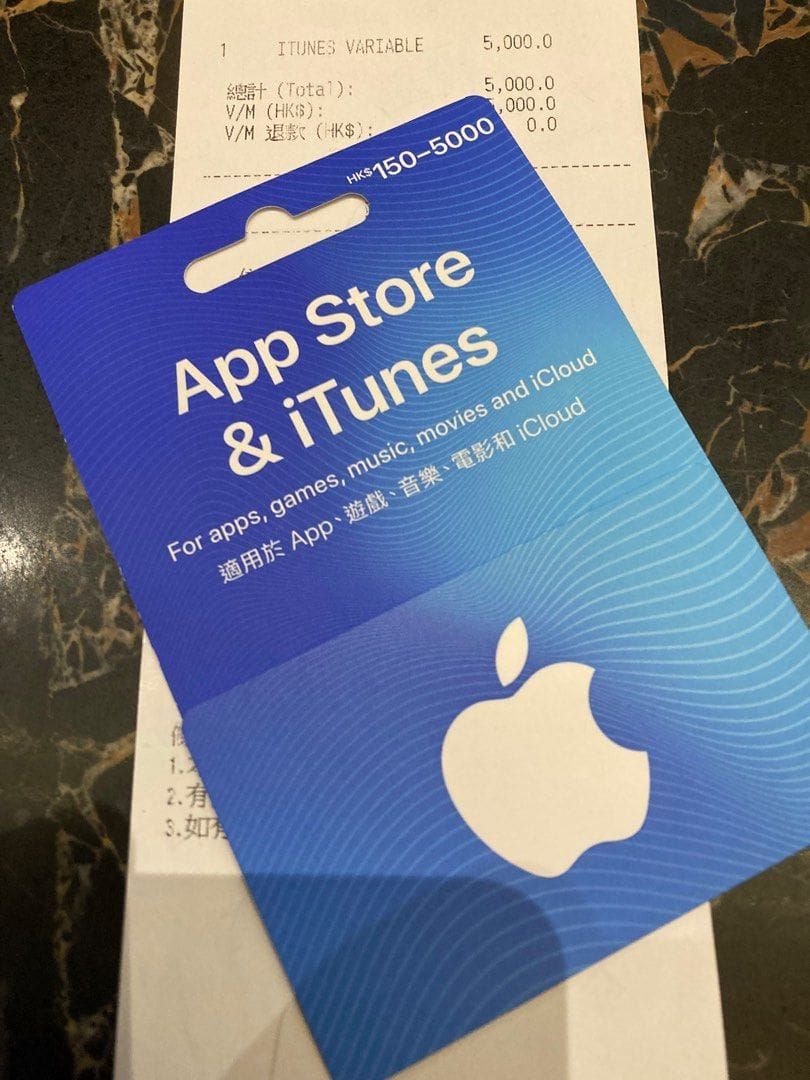
The 16-digit code
Denomination and region (HK)
Transaction ID or order number
Timestamp
Seller contact or support channel
Missing any of these — especially the transaction reference — is a red flag.
For a reliable digital option, you can buy iTunes gift card online securely through BitTopup, which provides purchase history and digital receipts accessible after every transaction.
New seller rule: Start with HK$50 or HK$100. Verify the code works, confirm the receipt format, then scale up. Don't open with HK$1,000.
Tip 2: Recognize the 'Already Redeemed' Scam
This is the most technically sophisticated scam targeting HK buyers. Most guides describe it too vaguely. Here's exactly how it works.
A fraudster obtains a physical card, photographs the 16-digit code beneath the scratch-off panel, reseals the packaging to look untouched, then returns it to a shelf or secondary channel. You buy it, scratch the panel, enter the code — already redeemed. The fraudster redeemed it the moment the card activated at point of sale.
Inspect physical cards before leaving the counter:
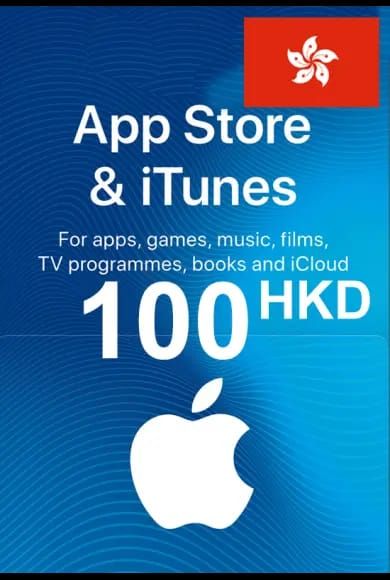
Scratch-off panel: Fully intact, no signs of prior scratching or re-coating
Holographic elements: Undamaged, proper light refraction — tampered holograms show micro-tears or dull patches
Packaging seal: Resealing leaves adhesive residue, misaligned edges, or slightly different plastic sheen
Buy physical cards from behind the counter at authorized HK retail locations, not open display racks.
HK$1,000 and HK$2,000 denominations are specifically targeted — high value, minimal handling. For larger digital purchases, wait 24 hours after receiving a third-party code before redeeming, to allow fraud detection systems to flag suspicious activation patterns.
Tip 3: Verify the Seller's Refund Policy Before You Pay
Most buyers check price first and policy never. Reverse that.
All sales final on a gift card listing is a specific red flag. Legitimate sellers maintain dispute resolution processes because digital goods can have delivery failures. Sellers who refuse any recourse are structurally protected against fraud complaints — by design.
Before paying, confirm:
Documented refund or replacement policy for invalid codes?
Customer support channel with a response time commitment?
Purchase history accessible after the transaction?
If the answers aren't clearly yes, don't proceed.
Tip 4: Use Apple's Official Balance Checker Before Redeeming
Don't redeem first. Verify first. The sequence matters.
Steps:
Go to **secure.store.apple.com/shop/giftcard/balance
**
Enter the 16-digit code manually — don't copy-paste (common character errors: B/8, D/O, E/3, G/6, O/Q/0, S/5, U/V, Z/2)
Confirm the balance matches your purchased denomination
Alternatively, call Apple HK Support at 800-908-988 for verbal confirmation
If the balance shows zero or already redeemed, don't attempt redemption. Screenshot the error, save your receipt, and start the dispute process within 60 minutes.
That 60-minute window isn't arbitrary. Payment providers have internal fraud escalation timelines — the faster you report, the higher your chargeback probability. After 24 hours, options narrow. After 60 days, most chargeback windows close entirely.
Tip 5: Confirm Your Apple ID Region Before Purchasing
An iTunes Gift Card HK cannot be redeemed on a non-HK Apple ID. This is a hard technical restriction, not a variable policy. Region mismatch is the most common redemption failure for international buyers — and it's not a scam, but it costs real money.
Check your region: Settings → [Your Name] → Media & Purchases → View Account → Country/Region
This must show Hong Kong before you attempt redemption.
Switching to HK requires:
Zero Apple Account balance
No active subscriptions
A valid HK payment method or address
It's not instant. Confirm your region before purchasing, not after.
Apple's stricter region enforcement in 2026 means accounts with mismatched payment methods and regional settings face additional verification steps. Expatriates and international buyers using HK Apple IDs should ensure account settings are fully consistent — mismatches can trigger redemption holds that look like scam errors but are actually account verification flags.
Tip 6: Use a Traceable, Chargeback-Eligible Payment Method
Payment method is your last line of defense.
Credit cards (Visa, Mastercard) and PayPal both offer chargeback mechanisms for fraudulent transactions. In the HK market, this means you can dispute a charge if you receive an already-redeemed code or no code at all — and your issuer can recover funds directly from the merchant. The trade-off is minor: small foreign transaction fees on some HK-issued cards for international purchases. Trivially small compared to the protection.
Never use:
Crypto payments — zero chargeback protection
Bank wire transfers — unrecoverable once processed
Gift-card-for-gift-card payment — always fraudulent
Any seller insisting on crypto or wire transfer is structurally eliminating your recovery options. That's not a coincidence.
The gift-card-for-gift-card variant deserves specific mention: a seller asks you to pay for your iTunes HK card using another gift card. Apple officially confirms it never requests gift cards for any payment — taxes, bills, debts, utilities, emergencies. Never.
Ready to purchase with proper payment protection? Purchase Apple gift card HK instant delivery through a platform that accepts standard payment methods and maintains transaction records for disputes.
Tip 7: Monitor Apple's Official HK Announcements for 2026 Policy Changes
Where to find official updates:
Apple Media Services Terms and Conditions (HK) at apple.com — bookmark the HK-specific page, not the global version
Apple Support HK: support.apple.com with region set to Hong Kong
Apple HK Support phone: 800-908-988
Apple's gift card scam reporting guidelines were last updated July 22, 2025.
Two 2026 changes that matter:
iTunes transition (December 2026): Balances auto-migrate to Apple Account. No action required. Any seller claiming you must transfer or convert your balance before this date is running a scam.
Promotion deadline (31 March 2026): Urgency messaging around this date from unofficial sources should be treated with extreme suspicion.
Complete Red Flags Checklist
Run through this before every purchase. One checked box means stop.
One thing most guides miss: scammers increasingly impersonate Apple Support itself, contacting buyers after a purchase to verify the code — then draining it. Apple Support will never proactively call you to verify a gift card code. If you get that call, hang up immediately.
What to Do If You've Already Been Scammed
Speed determines your recovery options. The first 60 minutes matter most.
Step 1 — Call Apple HK Support: 800-908-988
Navigate to: Apps & Services → App Store → Gift Card & Codes → Gift Card Scams
Provide:
Photos of the card (front and back)
Serial number (GCA, PBH, or EPY prefix)
Purchase receipt with transaction reference
Exact error message received
Recovery isn't guaranteed — especially if the fraudster has already spent the balance — but documentation creates a case record that supports your payment dispute.
Step 2 — Dispute the charge immediately
Contact your credit card issuer or PayPal within 60 minutes. State clearly: I purchased a digital good delivered in a fraudulent state — the code had already been redeemed before delivery. Provide your Apple Support case number. Change your Apple ID password immediately as a precaution.
Step 3 — Report to Hong Kong Police
File an e-report. Document all seller communications, listing screenshots, payment confirmation, and your Apple Support case reference. Share scam seller details in HK Apple user communities — it prevents the next victim.
Frequently Asked Questions
Is it safe to buy iTunes Gift Card HK online in 2026? Yes, with the right seller. The risk is entirely in the purchase channel. Verified platforms with receipts, credit card payment, and documented dispute policies are safe. Anonymous sellers with crypto-only payment and no receipts are not.
Can I use an iTunes Gift Card HK on a non-HK Apple ID? No. Hard region lock. Confirm your Apple ID region at Settings → [Your Name] → Media & Purchases → View Account → Country/Region before purchasing.
How do I verify my code before redeeming? Use secure.store.apple.com/shop/giftcard/balance or call 800-908-988. Enter the 16-digit code manually — watch for O vs 0, S vs 5, B vs 8. A valid unused card shows its full denomination as available balance.
What 2026 Apple changes should HK buyers know about? iTunes transitions to Apple Account in December 2026 (balances carry over automatically) and a promotional rebate ends 31 March 2026. Neither requires urgent action. Any message claiming your balance expires or must be transferred before these dates is a scam.
Are discounted HK iTunes cards from third-party sites ever legitimate? Occasionally. Discounts of 5–10% below face value can be legitimate from verified resellers. Anything 30–50% off is always fraudulent. No legitimate seller can sustainably offer 40% off Apple gift cards. If the deal seems impossible, it is.
What's the safest denomination to start with as a new buyer? HK$100 to HK$200. Limits exposure while testing the full purchase-to-redemption workflow. Once you've confirmed a seller is legitimate, scaling to HK$500 or HK$1,000 is reasonable. Balances stack with no limit, so buying several smaller denominations from a trusted source is a valid hedging strategy.
The iTunes Gift Card HK remains one of the most flexible ways to fund your HK App Store in 2026 — no expiry, stackable balances, straightforward redemption. The seven tips above form a specific sequence: confirm your Apple ID region, choose a seller with receipts and credit card payment, verify the balance before redeeming, and act within 60 minutes if anything looks wrong. Follow that sequence and the scam statistics stop applying to you.