

Family Battle tactics for non-whales in 2025 prioritize strategic timing over raw spending. The updated 1:1 Combat Points ratio for sent and received gifts fundamentally shifts competitive dynamics, allowing budget players to compete through coordinated shield deployments at 5-7 seconds before PK conclusions, optimized gift allocation (20-30% early, 40-50% final), and multi-guest streams during peak 7-10 PM hours. Success hinges on precise execution, team coordination, and exploiting high-rebate PKs yielding 50-85% Bean returns.
Understanding the 2025 Family Battle Meta
The Combat Points system now operates on a 1:1 ratio for both sent and received gifts, replacing the previous 1:3 ratio that favored big spenders. Every Bean you receive as host or send as supporter contributes equally to your family's monthly prestige ranking.
Family Battles run 3-10 minutes (official PKs: 5-10 min, friendly PKs: 3-5 min). Multi-guest streams accommodating up to 12 streamers boost engagement by 60% compared to single-host formats. For strategic small recharges when they matter most, Top Up Bigo Diamonds through BitTopup provides competitive pricing and instant delivery.
What Family Battle Means for Non-Whales
Structural requirements:
Founders need account level 10+ to create families (max 100 members)
Minimum initial members: S1/S8 need 7, S2/S3/S4 need 5
Monthly prestige rankings reset at month start
S1 threshold: 130,000 beans monthly
Must maintain 10+ members within 30 days
Participate in 5+ family events monthly to stay active
Key Meta Changes Favoring Strategic Play
The 1:1 ratio rewards coordination over capital. Strategic hosts who cultivate engaged supporters gain equal Combat Points from received gifts, making community building as valuable as direct spending.
Shield defense mechanics:
Light Shields: 1,500-2,500 beans
Standard Shields: 2,500-5,000 beans
Heavy Shields: 5,000-10,000 beans
Emergency Shields: 10,000+ beans
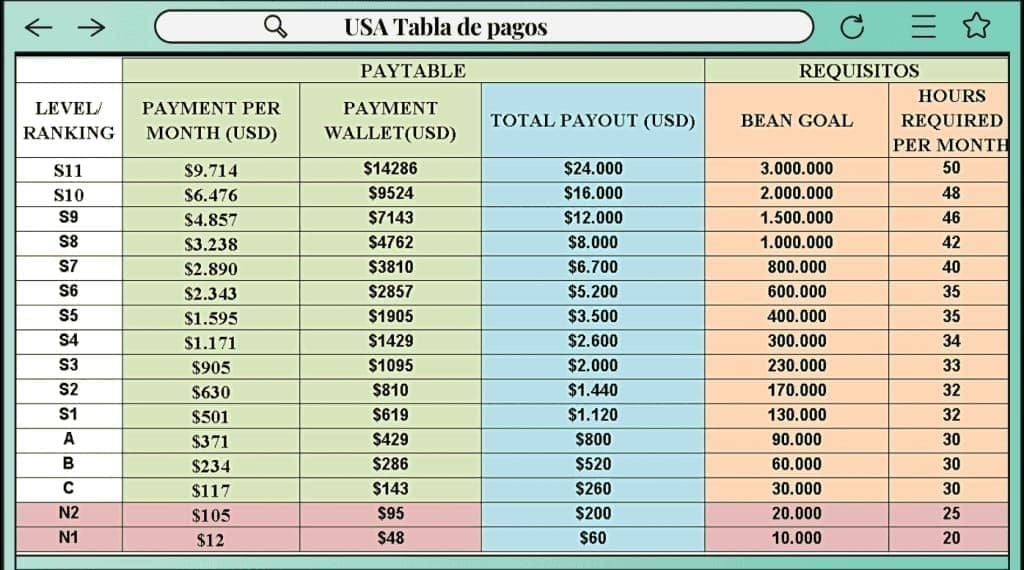
Non-whale families allocate monthly shield budgets of 10,000-25,000 beans across designated activators rather than relying on single-player emergency spending.
Can F2P Users Actually Compete?
Yes. The experience point system generates beans without spending:
Hosts: 1 EXP per streaming minute (120-session cap), 3 EXP per Bean received
All users: 25 EXP from daily login, 1 EXP per Bean sent
High-rebate PKs yielding 50-85% Bean returns transform participation economics. Strategic families schedule PKs during peak 7-10 PM hours when viewership maximizes organic gifts, then reinvest rebated beans into subsequent battles.
How Family Battle Scoring Works
Combat Points determine family rankings through 1:1 conversion. Every Bean received by family hosts adds 1 Combat Point; every Diamond sent by supporters adds 1 Combat Point. Family Monthly Prestige Ranking aggregates these points across all members, resetting monthly.
Regional Families ($120 USD) and International Families ($175 USD) compete within separate ranking structures, preventing direct whale-vs-F2P mismatches in lower tiers.
Breaking Down Battle Points
Individual contribution tracking operates through family profile interface. Members access detailed Combat Points breakdowns showing sent versus received contributions. Co-founder and Deputy roles unlock at 50 members.
Conversion rate: 210 Beans = $1 USD. Non-whale families calculate cost-per-Combat-Point efficiency, prioritizing activities that generate points through engagement over direct bean purchases.
Hidden Multipliers Non-Whales Can Exploit
Multi-guest stream formats create force multiplication. A 12-streamer session distributes viewer attention across multiple hosts, each accumulating Combat Points from their supporter segments simultaneously. This parallel point generation allows coordinated families to match whale output through teamwork.
Peak hour concentration (7-10 PM local) delivers 60% higher engagement rates. Non-whale families synchronize PK schedules to these windows, maximizing organic viewer participation.
Timing Windows That Maximize Free Gift Impact
Gift timing strategy:
20-30% in first 60 seconds: establishes psychological momentum
Conserve during middle period
40-50% in final 60-90 seconds: capitalizes on viewer investment
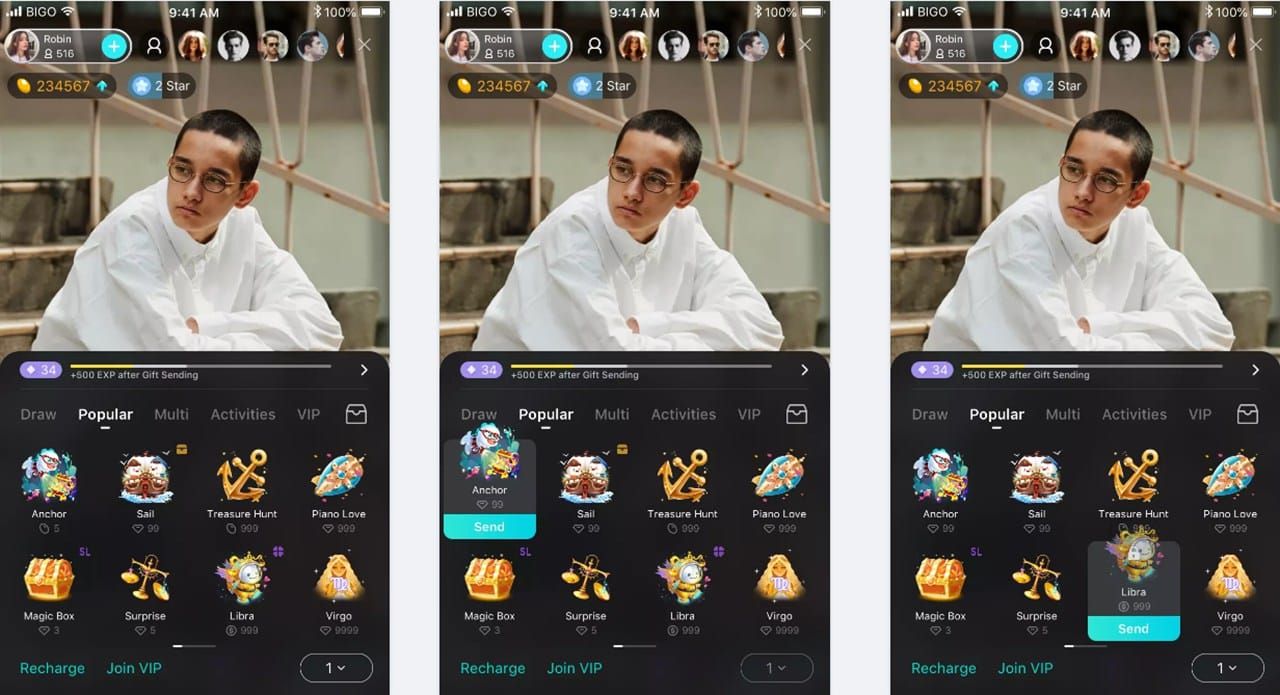
Gifts sent at 2-second mark before PK conclusion achieve 85-90% success rates using WiFi with 20-50ms latency. This precision timing requires designated gift coordinators using countdown synchronization.
Pre-Battle Preparation: 30-Day Non-Whale Strategy
Daily Task Optimization for Maximum Bean Accumulation
Daily login: 25 EXP consistently
Hosts: 1 EXP per streaming minute (run 120-min sessions daily)
Each Bean received: 3 EXP
Supporters: 1 EXP per Bean sent
Supporters participate in family-coordinated gift exchanges during friendly PKs that recycle beans within the family ecosystem through rebates.
Building Your Support Network
Recruitment protocol:
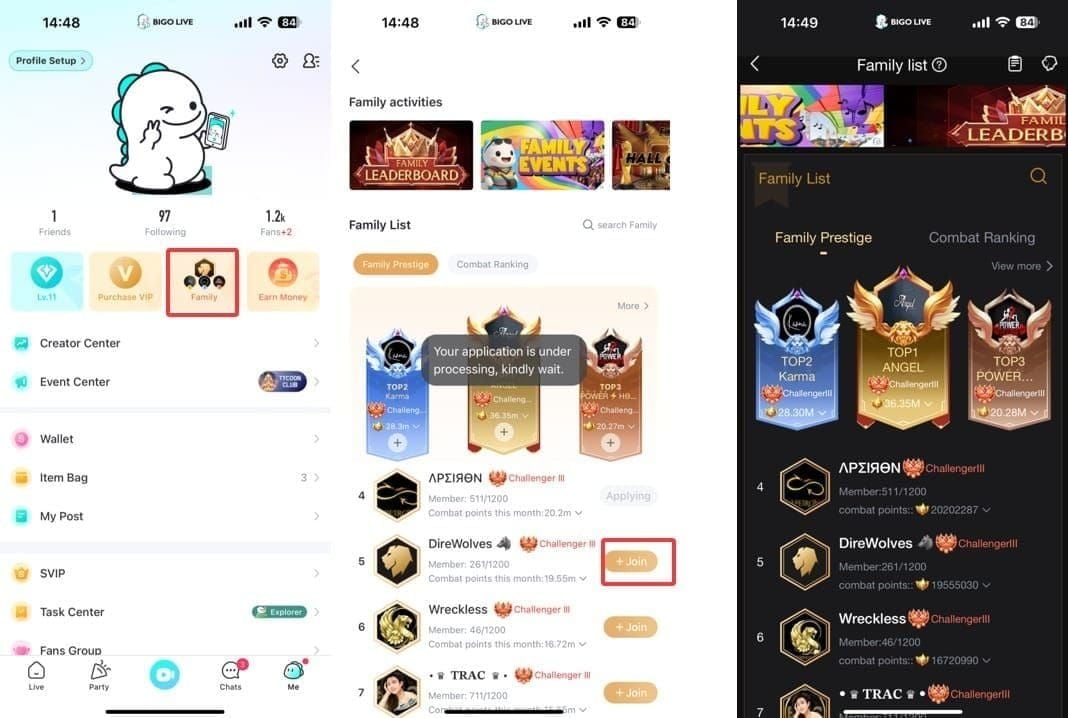
Founders: Profile > Family Badge > 3 dots > Invite
Prospective members: Profile > Family Badge > Explore
Filter by activity level and ranking tier
Role assignment:
Access: Family Profile > 3 dots > Admin > Choose member and role
Designate 3-5 primary shield activators
Assign gift coordinators and host rotations
Resource Stockpiling Without Spending
Hosts running daily 120-minute sessions at moderate viewership (50-100 viewers) generate 15,000-25,000 beans monthly through received gifts and EXP conversion.
Ten active members each contributing 2,000 beans monthly creates a 20,000-bean collective pool for strategic deployment, matching recommended monthly shield budgets without individual whale spending.
Core PK Tactics for Budget-Conscious Players
Strategic Gift Timing Method
Three-phase allocation:
Opening (First 60 sec): Deploy 20-30% to establish early lead
Conservation (Middle): Minimize spending, observe opponent patterns
Closing (Final 60-90 sec): Release 40-50% in coordinated waves at 2-second mark
This exploits viewer psychology—early leads attract bandwagon supporters, while final surges capitalize on accumulated audience investment.
Coordinated Wave Attacks vs Sustained Pressure
Wave attacks: Concentrate multiple supporters sending gifts simultaneously. Designate wave leaders who signal timing through family chat, synchronizing 5-8 supporters to send 500-1,000 beans each within 3-5 second windows.
Sustained pressure: Distributes same total gift volume across longer timeframes, maintaining consistent scoreboard presence. Suits families with fewer active supporters.
Psychological Tactics That Don't Cost Beans
Shield timing creates psychological impact beyond defensive value. Deploying Heavy Shields (5,000-10,000 beans) at 5-7 seconds before PK conclusion signals resource depth, often causing opponents to abandon final pushes. The deterrent effect matters more than actual defensive benefit.
Twelve-streamer lineups demonstrate family depth and coordination capability, intimidating smaller families into avoiding direct competition.
Leveraging Free Gifts
Daily login rewards and task completion gifts provide zero-cost PK ammunition. Families coordinate collection timing so members accumulate free gifts immediately before scheduled PKs.
Friendly PK arrangements with allied families generate Combat Points through mutual gift exchanges returning 50-85% value through rebates. These practice sessions build coordination skills while minimizing net resource expenditure.
Beans Management Mastery
The 70-20-10 Allocation Rule
70% Reserve: Critical ranking battles and emergency shields
20% Active Deployment: Scheduled PKs and strategic gifting
10% Experimental: Testing tactics, supporting allies, building goodwill
This prevents depleting resources early in monthly cycles, leaving families unable to compete during final ranking pushes.
When to Save vs Spend
Deploy beans when:
Current PK directly impacts monthly ranking thresholds (within 5,000 points of tier advancement)
Opponent shows resource exhaustion (slowing gift frequency, smaller values)
Allied families coordinate simultaneous battles
High-rebate PK conditions guarantee 70%+ bean return
Conserve beans when:
Opponent demonstrates 3x+ spending rate
Current PK holds no ranking implications
Family already secured monthly ranking tier with comfortable margin
Upcoming scheduled events offer better strategic opportunities
Smart Recharge Timing
Strategic small recharges through Bigo Live Diamond Recharge at BitTopup maximize value through timing:
Optimal recharge windows:
Pre-Month-End (Days 25-28): Final ranking pushes when small additions create disproportionate impact
Post-Rebate Events: After high-rebate PKs when bean reserves depleted but rebates pending
Alliance Coordination: When allied families schedule synchronized battles
Small recharges of 5,000-10,000 beans timed to critical moments outperform larger random recharges.
Team Coordination Strategies
Role Assignment
Effective families distribute responsibilities:
Shield Coordinators (3-5 members): Monitor PK timers, deploy shields at 5-7 second marks, manage monthly 10,000-25,000 bean shield budgets
Gift Wave Leaders (2-3 members): Signal timing for coordinated waves, track opponent spending
Host Rotation Managers: Schedule multi-guest streams during peak 7-10 PM windows
Resource Trackers: Monitor family-wide bean reserves, recommend spending/conservation
Role assignment: Family Profile > 3 dots > Admin interface.
Communication Protocols During Live PK
Real-time coordination framework:
Pre-PK Briefing (5 min before): Confirm availability, review opponent history, set spending limits
Opening Call (0-60 sec): Wave leader signals initial gift deployment
Mid-Battle Updates (Every 90 sec): Resource tracker reports remaining beans
Final Push Countdown (Last 30 sec): Shield coordinator confirms defensive timing
Post-PK Review: Document opponent tactics, assess effectiveness
Building Alliance Networks
Inter-family alliances multiply effectiveness through:
Staggered PK Timing: Avoid simultaneous battles dividing supporter attention
Mutual Shield Support: Loan shield activators during critical battles
Opponent Intelligence Sharing: Document whale family patterns, spending thresholds
Friendly Practice PKs: Generate Combat Points through high-rebate mutual exchanges
Alliance formation prioritizes families at similar ranking tiers with complementary peak activity hours.
Counter-Strategies Against Whale Opponents
Momentum Disruption Technique
Counter whale early spending:
Delayed Response: Absorb initial whale spending without major counter-gifts
Mid-Battle Shield Wall: Deploy Heavy Shields at 5-7 second marks during lulls
Final Second Surge: Release coordinated 40-50% gift reserves at 2-second mark
This forces whales to spend throughout entire PK duration rather than coasting after early leads.
Smart Battle Selection
Decline PKs when:
Opponent shows 3x+ higher recent Combat Points accumulation
Current monthly ranking already secured
Family resource reserves below 30% of monthly budget
Timing falls outside peak 7-10 PM supporter availability
Family founders access battle management: Profile > Family Badge > 3 dots.
Exploiting Whale Complacency
Predictable whale patterns:
Autopilot Spending: Deploy gifts at consistent intervals without monitoring responses
Early Victory Assumptions: Large early leads cause reduced attention during final seconds
Shield Timing Errors: Deploy defenses too early (10+ seconds remaining)
Document whale opponent patterns across multiple encounters, identifying behavioral tendencies for counter-tactics.
Common Mistakes That Doom Non-Whale Campaigns
The Early Spending Trap
New non-whale families exhaust monthly budgets in first-week battles, leaving no resources for critical end-month ranking pushes.
Implement strict spending caps:
Week 1: Maximum 20% of monthly budget
Week 2: 25%
Week 3: 25%
Week 4: 30% (reserve for final week)
Over-Committing to Unwinnable Battles
Establish pre-battle withdrawal thresholds: if opponent spending exceeds your rate by 3x+ for 90+ consecutive seconds, execute tactical withdrawal. Document opponent's spending patterns for future reference.
Neglecting Community Building
Maintain consistent streaming schedules during non-battle periods, running daily 120-minute sessions that hit EXP caps while building viewer relationships. Supporters who recognize and like hosts contribute more generously during critical battles.
Maximizing Value with Strategic Recharges via BitTopup
Best Value Recharge Amounts
Optimal recharge amounts: 5,000-15,000 beans, sufficient to fund 2-3 Heavy Shield deployments or supplement final-push gift waves. At 210 Beans per $1 USD, this represents $24-$71 USD investments.
BitTopup's competitive pricing and instant delivery ensure strategic recharges arrive exactly when tactical situations demand them.
Timing Recharges Around Battle Events
Strategic recharge timing:
72 Hours Before Major Battles: Ensures resources available with time to resolve transaction issues
Immediately After High-Rebate PKs: Replenishes depleted reserves using rebated beans as partial funding
Mid-Month Ranking Threshold Moments: When family sits within 5,000-10,000 Combat Points of tier advancement
How Small Investments Create Disproportionate Advantages
A 10,000-bean recharge ($48 USD) deployed as five Heavy Shields across month-end ranking battles can secure tier advancements worth 20,000-50,000 Combat Points through protected victories. This 2-5x ROI occurs because shields prevent opponent surges that would otherwise require 2-3x counter-spending.
Small recharges unlock psychological advantages—families known to maintain modest reserves face fewer challenges as opponents avoid battles against prepared competitors.
Seasonal Events and Meta Adaptation
Upcoming Format Changes
Anticipated 2025 adjustments:
Expanded Multi-Guest Capacity: Potential increase from 12 to 16 streamers
Tiered Shield Costs: Family-level-based shield pricing
Enhanced Rebate Events: More frequent high-rebate PK windows (70-85% returns)
Event-Specific Tactics
Seasonal event opportunities:
Double Combat Points Weekends: Concentrate monthly activity during 2x point accumulation
Free Gift Bonuses: Enhanced daily login rewards for resource stockpiling
Alliance Battle Formats: Team-based competitions favoring coordination over individual spending
Staying Competitive
Long-term competitiveness requires:
Document All Battles: Record opponent tactics, spending patterns, timing strategies
Monthly Tactical Reviews: Assess which approaches generated best Combat Points per bean ratios
Cross-Family Knowledge Sharing: Participate in alliance intelligence networks
Continuous Protocol Refinement: Update shield timing, gift allocation, coordination procedures
FAQ
Can you win Family Battles without spending money?
Yes. The 1:1 Combat Points system equally values received and sent gifts. Hosts building engaged supporter communities through consistent 120-minute daily streams generate 15,000-25,000 beans monthly from viewer gifts and EXP conversion. Coordinated families of 10+ active members create collective resource pools of 20,000+ beans monthly, sufficient for competitive participation in S2-S4 ranking tiers.
How does the scoring system work in 2025?
Every Bean received by family hosts adds 1 Combat Point; every Diamond sent by supporters adds 1 Combat Point to monthly prestige rankings. Rankings reset at month start, with S1 tier requiring 130,000 beans monthly. The system tracks individual contributions through family profiles.
What are the best free tactics for PK?
Deploy 20-30% of gifts in first 60 seconds, conserve during mid-battle, then release 40-50% in final 60-90 seconds timed to 2-second mark. Use multi-guest streams with up to 12 streamers during peak 7-10 PM hours. Coordinate 3-5 shield activators to deploy defenses at 5-7 seconds before PK conclusions.
How should non-whales allocate beans?
Follow the 70-20-10 rule: maintain 70% reserves for critical battles, deploy 20% in scheduled PKs, allocate 10% to experimental tactics. Limit first-week spending to 20% of monthly budget, reserving 30% for final week when ranking positions solidify.
When is the best time to send gifts?
Send gifts at 2-second mark before PK conclusion using WiFi with 20-50ms latency for 85-90% success rates. Allocate 40-50% of total gift budget to this final surge window. Coordinate wave attacks where 5-8 supporters simultaneously send 500-1,000 beans within 3-5 second windows.
How do small families compete against whales?
Avoid direct confrontation by declining PKs when opponents show 3x+ higher spending rates. Use momentum disruption: absorb early whale spending, deploy Heavy Shields at mid-battle, then surge at 2-second mark. Build alliances with similarly-sized families for coordinated scheduling and mutual shield support.
Ready to compete in Family Battles without breaking the bank? Get maximum value for your beans with BitTopup's secure, fast recharge service. Smart players choose BitTopup for the best rates and instant delivery. Boost your Family Battle power today!