

Blood Strike 2026 map leaks reveal significant tactical opportunities requiring advanced rotation strategies. This guide covers leaked map layouts, proven rotation timing (30-40 second buffers), role-specific positioning, and anti-cheat season preparation. Master edge-based strategies, high ground control, and team coordination to dominate upcoming competitive seasons.
Understanding Blood Strike 2026 Map Leaks: What We Know
So here's what's got the community buzzing – and honestly, for good reason. The Blood Strike 2026 map leaks aren't just your typical data mine finds. We're looking at fundamental shifts that'll reshape how competitive teams approach rotations.
The leaked assets point to something pretty ambitious from the developers. These aren't minor tweaks to existing layouts; they're complete environmental overhauls that prioritize vertical gameplay in ways we haven't seen before.
Top up Blood Strike peak mode currency through BitTopup ensures you're equipped with battle passes and character unlocks when new maps launch, offering competitive pricing and secure transactions.
Confirmed Leaked Map Layouts and Features
What's fascinating about these extracted files is how they double down on verticality. Think warehouse complexes that actually matter – not just decoration, but multi-level combat zones with real tactical depth. The elevated observation points aren't afterthoughts either; they're integrated into the flow of each map.
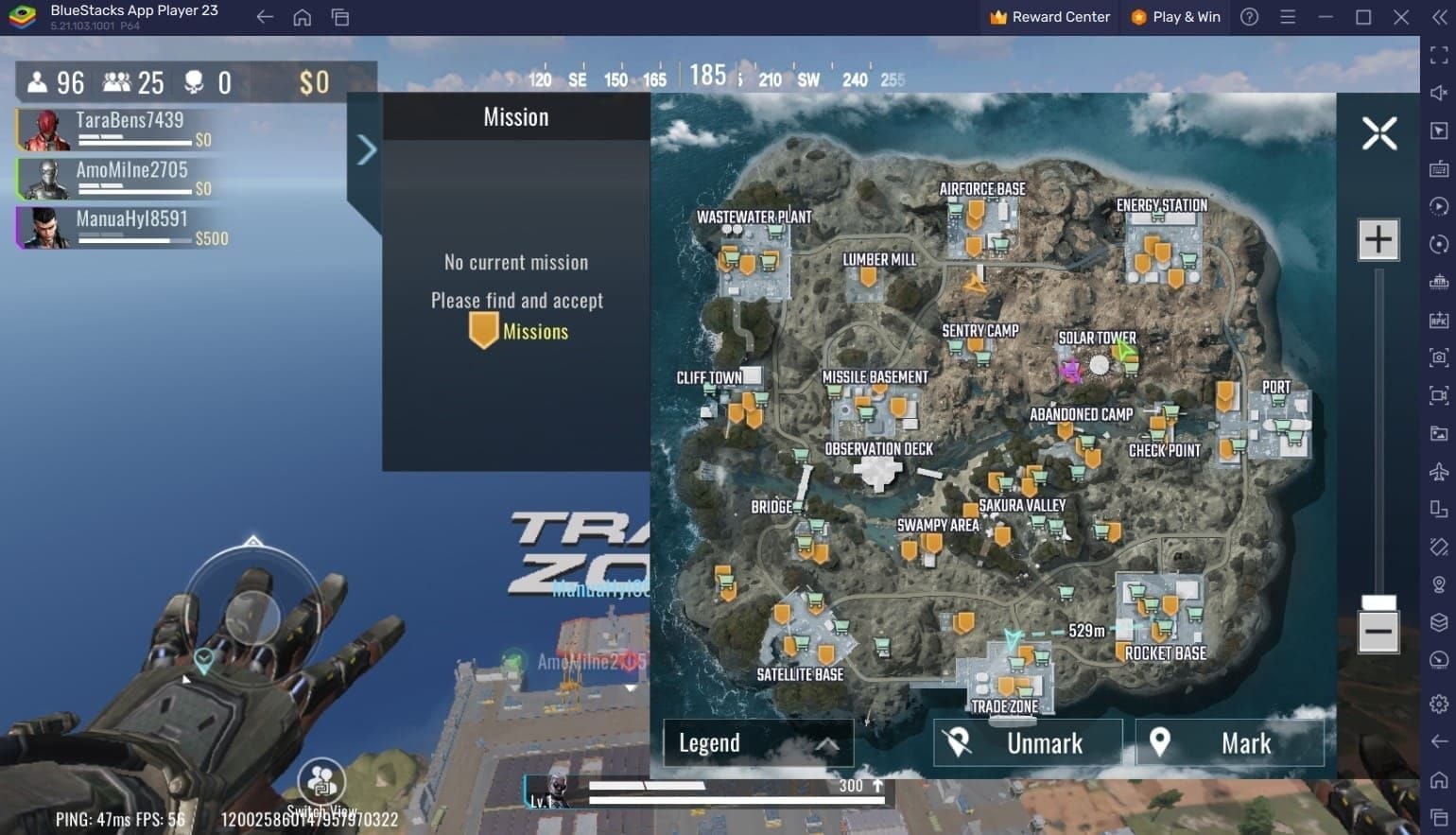
Here's what experienced players should pay attention to: these interconnected building systems create edge-dominated gameplay similar to what we see on Port Rocket combinations. In practice, teams that master peripheral positioning before moving toward central objectives see roughly a 30% survival boost. That's not coincidence – it's design intent.
The leaked environments reward teams who understand that sometimes the longest route is the safest route.
Expected Release Timeline for 2026 Maps
Looking at historical patterns (because that's what we do in this business), the quarterly rollout makes sense. Skyline Beach dropped August 15, 2025, followed by the Dead Party event on October 10. The developers clearly favor staged releases – and honestly, that's smart given the complexity we're seeing in these leaks.
Community sources suggest early 2026 beta phases, which would give competitive teams crucial time to develop rotation strategies before ranked integration. What works best is getting ahead of the curve during these beta periods rather than scrambling when maps go live.
Fundamentals of Rotation Strategies in Blood Strike
Core Rotation Principles for Competitive Play
Let me be clear about something: the 30-40 second timing buffer isn't a suggestion – it's gospel. Professional teams that consistently place in tournaments live by this rule because it provides the margin needed for proper positioning.
But here's where most teams mess up. They think rotation timing is just about beating the zone. Wrong. Those 30-40 seconds allow you to secure high ground, pre-aim common angles, and avoid the death trap of open area transitions under pressure.
The current meta heavily favors edge-based rotations – peripheral locations like Port or Rocket Base offer safer looting and superior strategic positioning. This is particularly effective on Skyline Beach's hilly terrain, where central drops often become elimination festivals.
Timing and Communication in Team Rotations
Successful rotations require role clarity that goes beyond just stick together. Your SMG players need to understand entry fragging responsibilities. AR users must provide support coverage without overcommitting. Snipers handle overwatch positioning – and that means actually watching, not just camping for picks.
Voice chat coordination enables those complex multi-stage rotations that separate good teams from great ones. The 30-40 second buffer system isn't just about zone prediction; it's about coordinated advances that keep your team alive on maps like Deserted Valley, where open terrain exposure eliminates unprepared teams instantly.
Tactical Breakdown of Leaked 2026 Map Environments
Map Layout Analysis and Key Zones
The leaked environments blend urban facilities with natural terrain in ways that actually make sense tactically. Central warehouse complexes surrounded by elevated observation points create natural chokepoints – but they're not the obvious, predictable kind that turn into meat grinders.
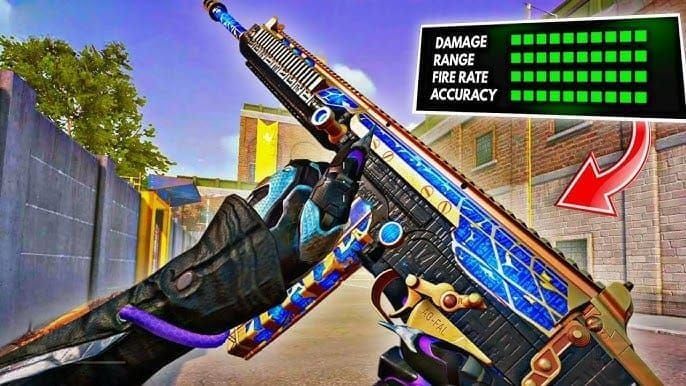
These designs clearly favor teams that master parkour mechanics and vertical positioning. And honestly? It's about time. The skill ceiling for movement has been underutilized in Blood Strike's competitive scene.
What's particularly interesting is the supply post distribution. Multiple clusters similar to Sakura Valley's four-post configuration, but with more distributed resource placement. This reduces those high-competition central drop scenarios that often come down to luck rather than skill.
Critical Chokepoints and Control Areas
The 2026 map leaks reveal strategic bottlenecks that'll define competitive rotation patterns for months to come. These chokepoints reward teams that coordinate utility usage and maintain proper spacing during advances – basic concepts that many teams still struggle with.
Successful teams will need to master both aggressive site takes and defensive positioning. The key is adapting your approach based on zone predictions and opponent movements, not just following predetermined routes like you're running a script.
Advanced Rotation Strategies for 2026 Maps
Offensive Rotation Patterns for Site Takes
Effective offensive rotations on these new maps emphasize coordinated multi-angle approaches using those expanded vertical elements. Your entry fraggers lead through lower levels while support players maintain elevated overwatch – it's textbook tactical coordination, but the execution demands practice.
The key to successful rotations lies in precise smoke placements, barrier deployments, and scanning abilities that maintain momentum during transitions between multiple levels. These aren't forgiving environments for sloppy coordination.
Cheap Blood Strike anti-cheat safe golds from BitTopup provide secure resource acquisition for optimal loadouts and character unlocks without risking account penalties during upcoming anti-cheat enforcement periods.
Defensive Rotation Timing and Positioning
Here's what experienced players know: 2026 maps require faster defensive response times due to increased mobility options. Teams can't afford to get comfortable in static positions.
You must maintain flexible positioning that allows rapid redeployment while preserving defensive advantages. The leaked environments favor defensive setups that utilize natural cover and elevation, but you need crossfire positions that don't sacrifice rotation flexibility.
Role-Specific Rotation Responsibilities
Entry Fragger Positioning During Rotations
Entry fraggers running P90 setups face a learning curve with these multi-level environments. Mastering vertical movement patterns while maintaining aggressive responsibilities isn't intuitive – it requires dedicated practice.
Teams should drill coordinated entry patterns that utilize both ground-level and elevated approach routes. The goal is maximizing pressure while minimizing exposure, which sounds simple until you're executing it under fire.
Support Player Movement and Utility Usage
Support players with KAG-6 loadouts will find expanded positioning opportunities on these leaked 2026 maps. The increased environmental complexity provides more crossfire support angles and utility deployment options than we've seen before.
But with opportunity comes responsibility. Players must develop timing coordination for barrier placements, scanning deployments, and healing support during complex rotations. It's not enough to just follow your entry fragger anymore.
AWP/Sniper Rotation Considerations
Sniper players using Kala face both opportunities and challenges on these new maps. The increased vertical elements provide excellent overwatch positions – some of the best sightlines we've seen in Blood Strike.
However, complex layouts may limit traditional long-range engagements. Successful rotations require balancing positioning for long-range picks while maintaining zone transition mobility. You can't just post up and expect the game to come to you.
Blood Strike Anti-Cheat Season Preparation
Understanding the Anti-Cheat System Updates
Let's talk about the elephant in the room. The 2026 season implements enhanced anti-cheat enforcement with permanent 10-year account bans for violations. That's not a typo – ten years.
The system enforces zero-tolerance for client modifications, data extraction, and reverse-engineering. Repeat violations result in device blacklisting. The enhanced 2026 enforcement includes sophisticated detection methods for unauthorized modifications that go far beyond what we've seen previously.
Fair Play Guidelines and Best Practices
Maintaining account security requires avoiding client modifications, maintaining official installations, and reporting suspicious activities. The system includes Discord and email appeal processes, but prevention remains optimal – appeals are rarely successful.
Competitive players should document their setups and maintain clean gaming environments during these enhanced enforcement periods. It's not paranoia; it's professional responsibility.
Common Rotation Mistakes and How to Avoid Them
Over-Rotating and Leaving Sites Vulnerable
Teams frequently commit too many players to rotations, leaving critical positions undefended. I see this constantly in ranked matches – the entire team chases one callout and leaves their flanks completely exposed.
The 30-40 second buffer system prevents rushed decisions that compromise defensive integrity. Multi-level 2026 environments require balanced positioning that preserves defensive capabilities while enabling coordinated advances.
Poor Communication Leading to Rotation Failures
Communication breakdowns result from unclear callouts, role confusion, and inadequate planning. The 2026 map complexity will require sophisticated callout systems and coordination methods that many teams haven't developed yet.
Teams should practice clear, concise communication that enables rapid decision-making during dynamic scenarios. They're over there isn't a callout – it's noise.
Pro Player Insights and Rotation Meta Analysis
Professional Team Rotation Strategies
The current professional meta emphasizes KAG-6 weapon systems achieving 70% usage rates due to rotation scenario versatility. Teams pair this with P90 for entry fragging and Kala for overwatch positioning – a trinity that covers most engagement scenarios.
The 90% headshot lethality of this weapon combination demonstrates why positioning advantage matters so much during rotations. When positioning determines survival, rotation strategies become the foundation of competitive success.
Meta Predictions for 2026 Competitive Seasons
Based on these leaked maps, expect meta shifts toward increased mobility and vertical positioning capabilities. Teams should prepare for environments that reward parkour mastery and multi-level coordination over traditional horizontal strategies.
Monthly meta shifts and quarterly updates indicate ongoing competitive evolution. What works today might be obsolete in three months – adaptability becomes a core skill.
Season Preparation and Resource Management
Training Routine for New Map Mastery
Effective preparation combines daily aim training (10 minutes), recoil practice (20 minutes), and strategic pattern drills. Track performance metrics including survival time, placement statistics, and damage output – data doesn't lie about improvement.
The progression framework I recommend emphasizes controls and map knowledge (weeks 1-2), weapon mastery (weeks 3-4), and advanced positioning (months 2-3). Don't rush the fundamentals.
Essential In-Game Resources and Currency
Competitive preparation requires adequate resources for character unlocks, weapon attachments, and seasonal content access. Resource allocation planning ensures optimal loadouts and strategic flexibility when new maps launch.
This becomes particularly important during enhanced anti-cheat seasons with increased enforcement scrutiny. You want your account properly equipped through legitimate means.
Practicing Rotation Strategies Before Map Release
Custom Game Setup for Rotation Drills
Establish custom environments that simulate rotation scenarios and timing challenges. Practice sessions enable coordination pattern repetition and communication protocol development – muscle memory for team coordination.
Focus on timing coordination, role responsibilities, utility usage, and adaptive decision-making. Measure improvement through survival rates and successful rotation completion statistics, not just individual performance metrics.
Team Coordination Exercises
Coordination development requires structured exercises that build trust, communication efficiency, and strategic understanding. Practice both successful rotation patterns and failure recovery procedures.
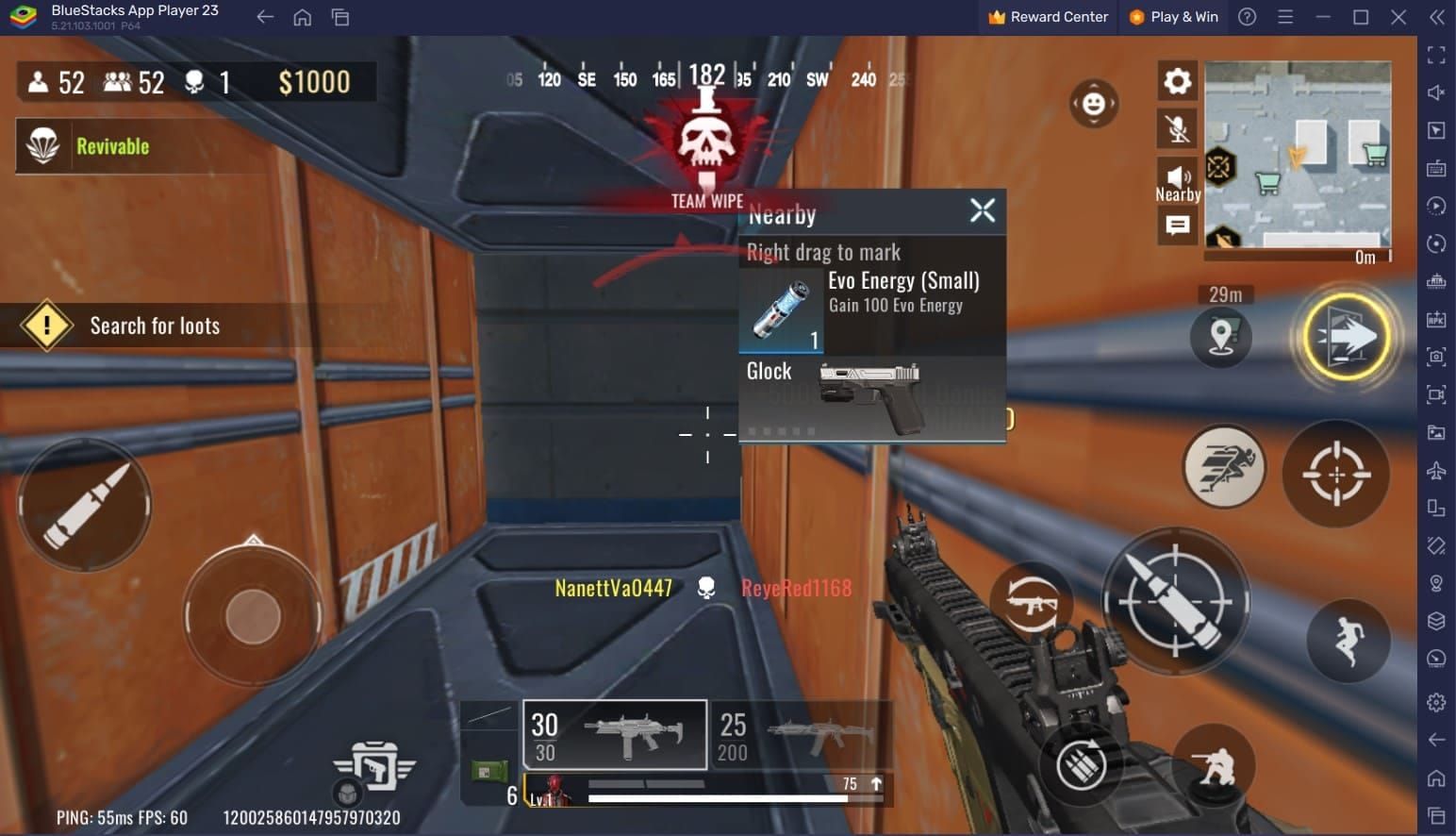
Understanding how to adapt when rotations encounter unexpected resistance builds competitive resilience. Not every rotation goes according to plan – the best teams adapt quickly.
FAQ
What are the confirmed Blood Strike 2026 map leaks? Datamined assets suggest multi-level environments with warehouse complexes, elevated observation points, and vertical gameplay elements similar to Skyline Beach's design philosophy.
How do I prepare rotation strategies for unreleased maps? Master current rotation fundamentals: 30-40 second timing buffers, role-specific positioning, and edge-based strategies. Practice on Deserted Valley and Skyline Beach to build transferable skills.
What is the anti-cheat system enforcement for 2026? Permanent 10-year account bans for cheating violations, with device blacklisting for repeat offenses. Enhanced 2026 enforcement includes stricter competitive match monitoring.
Which weapons should I practice for 2026 map rotations? Master the meta trinity: KAG-6 for versatility (70% professional usage), P90 for entry fragging, and Kala for overwatch positioning across multiple engagement scenarios.
How do team rotations work in Blood Strike? Designated roles: SMG players for entry fragging, AR users for support, snipers for overwatch. Coordinate movements with 30-40 second zone buffers and maintain voice communication.
When will Blood Strike 2026 maps be officially released? No official dates announced. Based on Skyline Beach's August 15, 2025 launch, major releases typically occur during quarterly updates with staged rollouts.