

The EVOLYS LMG dominates Arena Breakout S11 random raids through superior suppressive fire. This guide covers attachment builds (180,000-520,000 Koens), T4 BP ammo (566.4 penetration vs Level 5 armor), and tactical positioning for Valley, Forbidden Zone, TV Station, Farm, and Armory. Master burst control, bipod mechanics (85% vertical reduction), and 15-minute event spawns for a 31% survival advantage over assault rifles.
EVOLYS LMG: S11 Meta Stats
The EVOLYS establishes premier suppressive fire capability in Season 11 (launched December 18, 2026). This belt-fed 5.56x45mm LMG features 100-round standard mags, expandable to 150 rounds. Design prioritizes sustained fire over mobility for specialized random raid roles.
With T4 BP ammo, EVOLYS delivers 566.4 penetration—defeating Level 5 armor consistently. This exceeds most assault rifles, especially during extended fights where armor degradation matters. Arena Breakout bonds buy discount through BitTopup ensures access to premium ammo and attachments.
EVOLYS provides 31% survival advantage vs meta ARs in random raids through:
150-round capacity enabling prolonged engagements without reloads
Effective suppression forcing defensive positions
Exceptional armor penetration maintaining lethality
Unlike RPK-16 (600 RPM), EVOLYS balances fire rate with controllability for sustained accuracy.
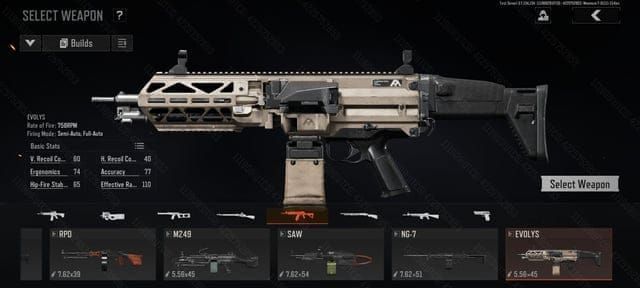
EVOLYS vs M249 vs PKM
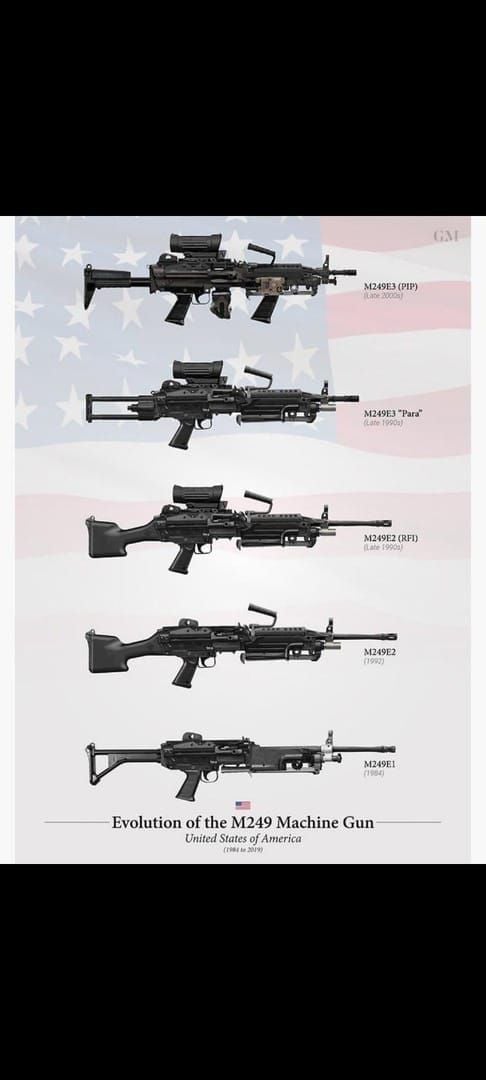
EVOLYS excels at 57-190m medium-range where burst control matters. M249 offers higher fire rates for CQB suppression. PKM delivers superior per-shot damage but heavier recoil.
For random raids, EVOLYS balances:
Common 5.56x45mm ammo availability
Manageable recoil for accurate sustained fire
Diverse attachment compatibility
150-round mags eliminating reload vulnerabilities during multi-target fights
Random Raid Events: February 2026
Events spawn every 15 minutes across high-value zones, creating predictable EVOLYS deployment windows. Three phases: initial spawn (low density), escalation (squad convergence), extraction (exit competition). EVOLYS dominates escalation and extraction when controlling sightlines determines survival.
Position before escalation to establish fire superiority. High-value loot favors limited approach vectors—TV Station corridors, Farm perimeter, Armory chokepoints become force multipliers with sustained fire. Ammunition capacity disrupts standard AR engagement patterns built around cover-reload cycles.
Map Modifications
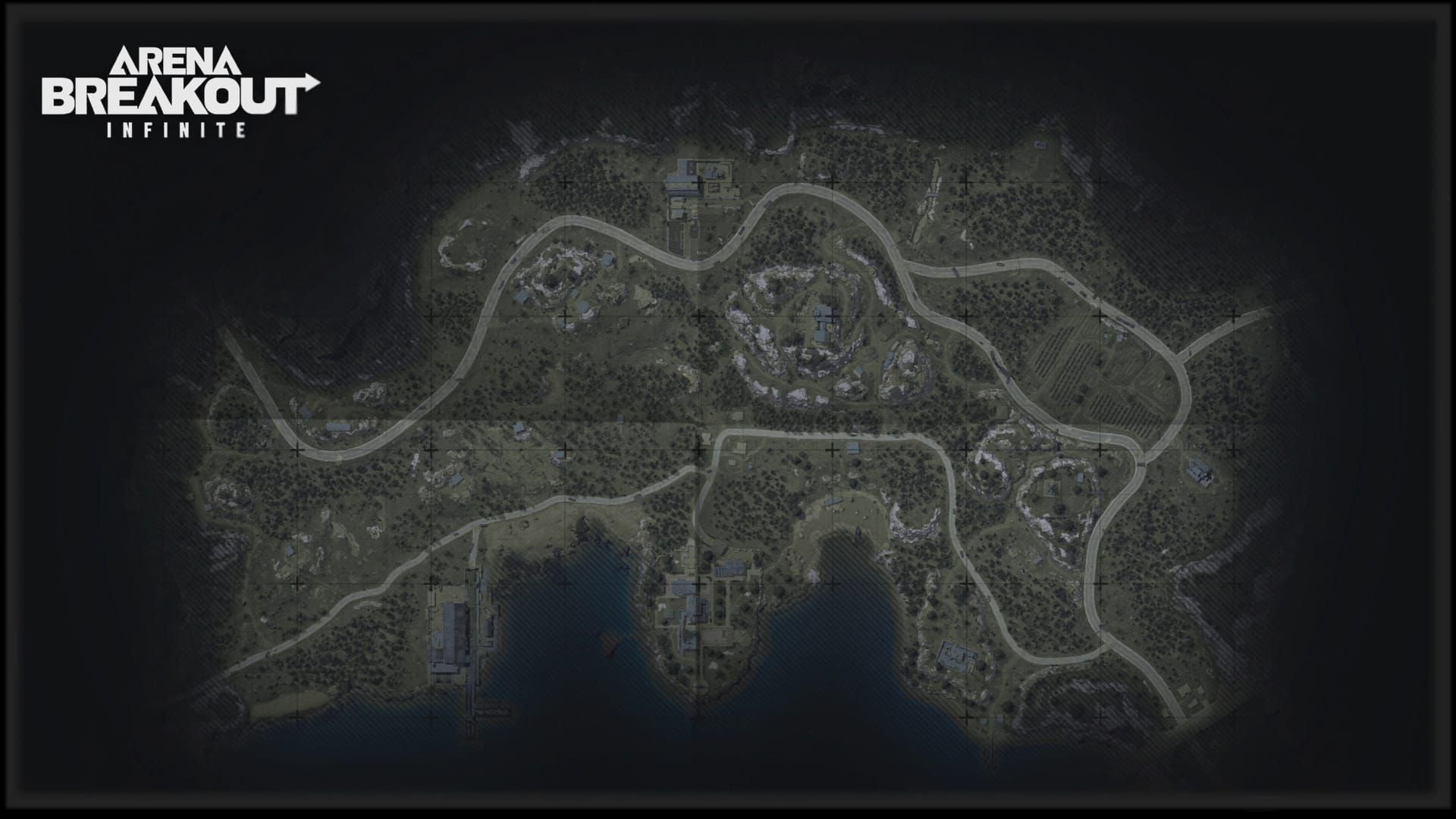
Valley and Forbidden Zone feature 160m+ sightlines where EVOLYS performs optimally. Establish overwatch early, using suppression to control movement corridors while teammates maneuver.
TV Station interiors create unique opportunities—single EVOLYS operator maintains continuous fire on multiple doorways, forcing retreats or exposure during minimal reload windows. Critical for extraction phase building control.
Farm and Armory demand mixed-range flexibility: 100m+ open approaches and tight interiors. EVOLYS versatility across varied environments justifies higher costs vs specialized weapons.
Optimal Attachment Builds
Phase 1 (180,000 Koens):
RK-6 foregrip: 30% vertical recoil reduction
DTK-1 compensator: muzzle rise control
Immediate usability for AR-to-LMG transitions
Phase 2 (350,000 Koens):
1-4x variable optic: precise target acquisition
Extended barrel: improved velocity and range
Bipod: 85% vertical reduction + zero horizontal drift when deployed prone/mounted
Phase 3 (520,000 Koens):
Tactical stock: enhanced freehand stability
Laser module: improved hip-fire accuracy
150-round mags: eliminates reload vulnerabilities
Recharge Arena Breakout Mobile bonds online via BitTopup for premium components
Muzzle Devices
DTK-1 compensator: superior vertical control, +15% audio radius. Trade-off acceptable in events where engagement inevitability makes stealth secondary.
Alternatives:
FishS: balanced recoil + moderate sound increase
PreF: horizontal stability over vertical
Suppressors conflict with EVOLYS doctrine—suppressive fire relies on audible pressure. Reserve suppressor budgets for sidearms.
Bipod Deployment
Deploy when:
Establishing overwatch before event escalation
Defending extraction routes with clear sightlines
Holding chokepoints without immediate repositioning needs
Avoid when:
CQB requiring rapid position changes
Engaging targets across wide angles
Facing flanking threats
Deployment/recovery animation: 1.2s vulnerability window. Pre-position near deployable cover for rapid setup.
Optimal positions feature:
Elevated angles (downward fire superiority)
Hard cover (return fire protection)
Multiple exits (prevents entrapment)
Examples: Valley ridgelines, TV Station upper floors, Farm barn lofts.
Ammunition Strategy
T4 BP: Optimal balance—566.4 penetration defeats Level 5 armor, cost-effective for regular events. Ensures lethality vs protected targets without excessive per-round costs.
T3: Early progression option, acceptable vs Level 4 armor, significantly reduced expenses. Viable during familiarization with suppression positioning and burst control.
T6: High-tier encounters requiring maximum penetration. Guarantees armor defeat at any level. Reserve for confirmed high-value events or coordinated squads.
Capacity Management
150-round extended mag enables 15-20s continuous fire—pins multiple opponents while teammates maneuver or controls extraction routes. Eliminates reload vulnerability windows.
Burst discipline extends engagement duration:
3-5 round bursts at 57-190m maintain accuracy
Balances suppressive effect vs ammo efficiency
Enables multi-engagement sustainability
Carry minimum 2 spare mags (450 total rounds) for extended events. Supports three full engagement cycles plus reserve. Weight negligible given stationary deployment doctrine.
Suppressive Fire Execution
Establish fire superiority through immediate aggressive engagement. Ammunition capacity enables sustained fire forcing reactive defensive positions vs coordinated offense. Initial bursts target cover positions—goal is area denial and movement restriction, not immediate elimination.
Squad coordination callouts:
Suppressing east ridge 15 seconds, advance now
Maintaining fire on doorway, prepare breach
Solo tactics demand heightened risk management. Suppress 5-7s to establish threat, reposition 10-15m to prevent location exploitation, re-engage from new angle. Maintains pressure while mitigating flanking vulnerabilities.
Burst Control
3-5 round bursts (medium range):
3 rounds: max precision for headshots/specific cover
5 rounds: increased hit probability vs moving targets
Pause 0.5-0.8s between bursts (matches target response time). Maintains perceived continuous fire while allowing minimal recoil reset. Opponents perceive constant fire despite 60-70% actual uptime.
10-15 round bursts for:
Breaking destructible cover
Forcing immediate retreats from exposed positions
Creating audio masks for teammate movements
Reserve longer bursts for tactical necessity—accelerates ammo depletion and recoil accumulation.
Positioning & Area Denial
High-ground advantages:
Downward fire bypasses partial cover
Forces disadvantageous upward aim angles
Creates psychological pressure through dominant positioning
Valley ridgelines and TV Station upper floors transform adequate performance into overwhelming superiority.
Chokepoint control: Farm entrance corridors, Armory stairwells, Forbidden Zone bridge approaches become impassable under accurate suppression. Enables squad control with minimal personnel.
Cover-to-cover movement: Pre-identify next position before firing. Engage Position A for 8-12s, communicate movement, sprint to Position B during opponent suppression, re-engage before adjustment. Prevents position fixation while maintaining continuous pressure.
Extraction Route Lockdown
Position 40-60m from primary extraction with clear sightlines on approach vectors. Engage any movement with sustained bursts, forcing retreats or unfavorable advances under fire.
Coordinate timing through suppressive coverage: EVOLYS maintains fire on threat positions while teammates move to extraction, then covers EVOLYS operator's final movement. Leapfrog pattern ensures continuous coverage preventing last-second ambushes.
Pre-identify secondary routes during initial positioning. EVOLYS weight makes rapid route changes challenging—ensure fallback options don't require extended sprints exposing operators to pursuit.
Recoil Management
Pattern characteristics:
Rounds 1-10: 15° vertical climb, negligible horizontal
Rounds 11-30: slight rightward drift + vertical climb
Compensate with smooth downward input beginning round 3-4, gradually increasing as burst extends. RK-6 foregrip's 30% reduction flattens pattern. Bipod's 85% reduction virtually eliminates compensation when deployed.
Accuracy comparison:
Freehand: acceptable to 80m, degrades beyond 100m
Bipod-deployed: 190m+ accurate range, consistent headshots where ARs struggle with body shots
Training Methods
Offline practice:
10-round bursts at 50m for tight groupings
Progress to 15-round bursts as compensation becomes automatic
Extend to 100m targets once 50m achieves head-sized accuracy
Moving targets:
Lead by 0.5-1m at 100m+ distances
Extended barrel improves velocity, reducing lead requirements
Adjust as attachment configs change
Event simulation: Rapid position transitions between cover while maintaining suppression on designated zones. Develops multitasking: recoil management, threat tracking, squad comms, ammo monitoring.
Common Mistakes
Over-commitment to positions: Maintaining fire 20-30s+ enables flanking. Establish internal timer—after 25s, reposition or disengage regardless of immediate situation.
Ammunition waste: Distinguish high-priority targets (threatening squad/blocking extraction) from distant potential threats. Reserve sustained fire for high-priority, use short warning bursts for low-priority.
Audio mismanagement: Every trigger pull broadcasts position. Avoid test firing or warning shots providing position info without tactical benefit.
Bipod Timing Errors
Improper deployment: 1.2s animation during active CQB creates vulnerability. Reserve for pre-engagement positioning, defensive positions with limited approach vectors, or mid-engagement when opponents retreat beyond freehand range.
Failed undeployment: Monitor threats continuously. When flanking indicators appear (callouts, unexpected audio, extended no-contact), undeploy preemptively vs waiting for threat confirmation.
Budget Optimization
Phase 1 (180,000 Koens): 70-80% of premium performance at 35% cost. Superior value during skill development. RK-6 + DTK-1 deliver essential recoil control.
Insurance calculations: Binary outcomes (successful completion with recovery OR early elimination before significant ammo use) create better return rates vs ARs frequently lost after partial ammo consumption.
Koen efficiency: Single successful event yields 400,000-600,000 Koens, offsetting even 520,000 Koen premium loadouts. Rewards skilled operators converting suppression superiority into consistent extractions.
Upgrade Timing
Phase 2 (350,000 Koens): Upgrade after 60%+ survival with Phase 1. Threshold indicates proficiency justifying increased investment. Bipod and extended barrel provide meaningful improvements only with fundamental positioning and burst control skills.
Phase 3 (520,000 Koens): Progress after consistently securing 2+ successful extractions per session. Extended mags and premium stock provide marginal advantages determining high-skill opponent outcomes. Laser benefits experienced operators mastering position transitions requiring hip-fire.
Counter-Tactics vs EVOLYS
Audio identification: Distinctive sustained fire—continuous 3-5 round bursts with brief pauses—unlike AR rhythms. Recognition provides 3-5s warning for counter-positioning.
Flanking strategies: Exploit mobility limitations and restricted bipod aim angles. Upon identifying fire, communicate position and initiate wide flanks (minimum 40m lateral before advancing). Forces difficult choice: maintain suppression while vulnerable OR reposition and surrender fire superiority.
Grenade displacement: Deployment requires specific terrain (cover, elevation, sightlines) limiting viable positions. Once general position identified through audio, grenades force abandonment or damage acceptance. Both disrupt suppression and create counter-attack opportunities.
Advanced Tips
Map-specific spots:
Valley northwest ridgeline: 180° coverage of event spawns, elevation + multiple retreats
TV Station 3rd floor southeast: controls stairwell + exterior, interior fallback
Armory central catwalk: suppresses ground-floor loot, height advantage vs approaches
Weather impacts: Minimal—medium-range role less affected than CQB or extreme-range. Rain slightly reduces psychological impact. Fog favors EVOLYS by limiting visibility while tracers/muzzle flash provide aiming references.
Event timing: Position 2-3 minutes before 15-minute intervals. Early arrival enables optimal position selection, bipod deployment without pressure, psychological advantage through established superiority.
Psychological Warfare
Sustained fire creates pressure beyond tactical effects. Continuous incoming fire causes decision paralysis—cover instinct conflicts with flanking awareness. Mental pressure forces errors: premature movements, panic retreats, communication breakdowns.
Rhythm variations: Establish baseline 3-5 round bursts, occasionally extend to 10-15 rounds creating increased aggression perception. Prevents accurate prediction of safe movement windows, maintaining uncertainty compounding stress.
Verbal pressure: Proximity chat callouts like maintaining continuous fire or unlimited ammunition (even false) create additional mental pressure. Opponents hearing this must consider whether engaging represents wise resource allocation—often resulting in disengagement achieving suppression without ammo expenditure.
FAQ
Best EVOLYS attachments for S11? RK-6 foregrip (30% vertical reduction), DTK-1 compensator, bipod (85% vertical reduction deployed), 1-4x optic, extended barrel, 150-round mags. Premium Phase 3: 520,000 Koens. Budget Phase 1 (RK-6 + DTK-1): 180,000 Koens with excellent value.
How does suppressive fire work in random raids? Sustained incoming fire forces defensive positions, restricting movement and enabling squad maneuvers. 150-round capacity maintains 15-20s continuous pressure. Use 3-5 round bursts at 57-190m, balancing ammo efficiency vs psychological impact.
What ammo for EVOLYS random raids? T4 BP optimal: 566.4 penetration defeats Level 5 armor, economically viable for regular events. T3 for early progression vs Level 4. T6 reserves for high-value encounters requiring guaranteed penetration.
When do random raids spawn in S11? Every 15 minutes across Valley, Forbidden Zone, TV Station, Farm, Armory. Position 2-3 minutes before intervals to secure optimal deployment with elevation and sightlines before opponent concentration.
EVOLYS loadout costs? Phase 1: 180,000 Koens (RK-6 + DTK-1). Phase 2: 350,000 Koens (adds bipod, barrel, optic). Phase 3: 520,000 Koens (extended mags, stock, laser). Ammo: 15,000-40,000 Koens depending on tier.
Where to position for suppressive fire? Elevated positions with downward angles, 40-60m standoff from event zones. Valley northwest ridgeline, TV Station upper floors, Farm barn lofts, Armory catwalk. Ensure hard cover, 100m+ sightlines, multiple exits preventing entrapment.
Dominate S11 random raids with optimized EVOLYS loadouts. BitTopup offers competitive Arena Breakout bonds pricing with instant delivery, secure transactions, and 24/7 support. Trusted by thousands, BitTopup provides the fastest, most reliable way to access premium gear and maximize event performance. Power up today with industry-leading service and unbeatable rates!