

With Queen Bee facing widespread bans in COA IX Qualifiers 2026, Lanternist (Amanda Gaddis) emerges as a critical hybrid survivor combining decoding efficiency with kiting potential. This guide covers optimal persona configurations—129 Flywheel, 39 Knee Jerk, and 36 Tide Turner builds—for Sacred Sanctum (Dec 31, 2026 - Jan 8, 2026) and Divine Procession (Jan 8-22, 2026) phases on tournament maps like Leviathan Shore and Ancient Passage.
Lanternist's Role in COA IX Meta
Queen Bee's ban reshapes survivor compositions in COA IX qualifiers. Released Oct 10, 2026, Lanternist fills this void through versatile skills supporting cipher rushing and extended kiting. Living Image creates decoys with 2 charges, 60-second duration, moving 10% faster while reducing Rocket Chair terror radius by 25% at 20m and 50% closer.
Static Projection freezes Cipher Machines for 20 seconds and Rocket Chairs for 5 seconds using 1 charge per 2 energy stocks, granting 10% interaction speed boost during 50-second duration. This dual functionality proves invaluable in Sacred Sanctum's 60-match-per-role format.
For competitive players, Identity V echoes recharge fast through BitTopup ensures immediate access to essential characters and persona configurations.
Queen Bee Ban Impact
Queen Bee's Predatory drains 18 Energy per hit while providing +18% speed for 2 seconds. Hive Pathing reaches 15 m/s up to 28m range. Reciprocate costs 15 Energy with 18-second cooldown. Her ban forces reliance on traditional decoder-kiter-rescuer compositions.
Lanternist compensates through Position Projection spawning 10-second decoys and Status Projection lasting 8 seconds max with 2-projection-per-teammate limit. These mechanics enable coordinated cipher rushes where Mechanic's 200% decoding speed completes ciphers in 81 seconds while Lanternist provides distraction and interaction buffs.
Tournament Strengths
Optical Illusion grants 1-second pallet indestructibility with 1.5-second disembodied state on 10-second cooldown, creating micro-kiting opportunities extending chase duration beyond typical decoder capabilities. On Leviathan Shore's 15,000+ square meter area, this transforms standard loops into 60-second kite sequences with proper persona builds.
The permanent 10% decoding penalty from All Thumbs becomes negligible when paired with Mechanic in double-decoder compositions. Antiquarian's 49% Stage 1 Rocket Chair rescue rate synergizes with Lanternist's terror radius reduction, enabling safer rescue attempts during Divine Procession's 20-match-per-role format (19:00-21:00 UTC+8).
Optimal Persona Configurations
Three primary builds dominate COA IX qualifier play: 129 Flywheel for extended loops, 39 Knee Jerk for vault-heavy kiting, and 36 Tide Turner for rescue-focused configurations.
129 Flywheel Effect Build
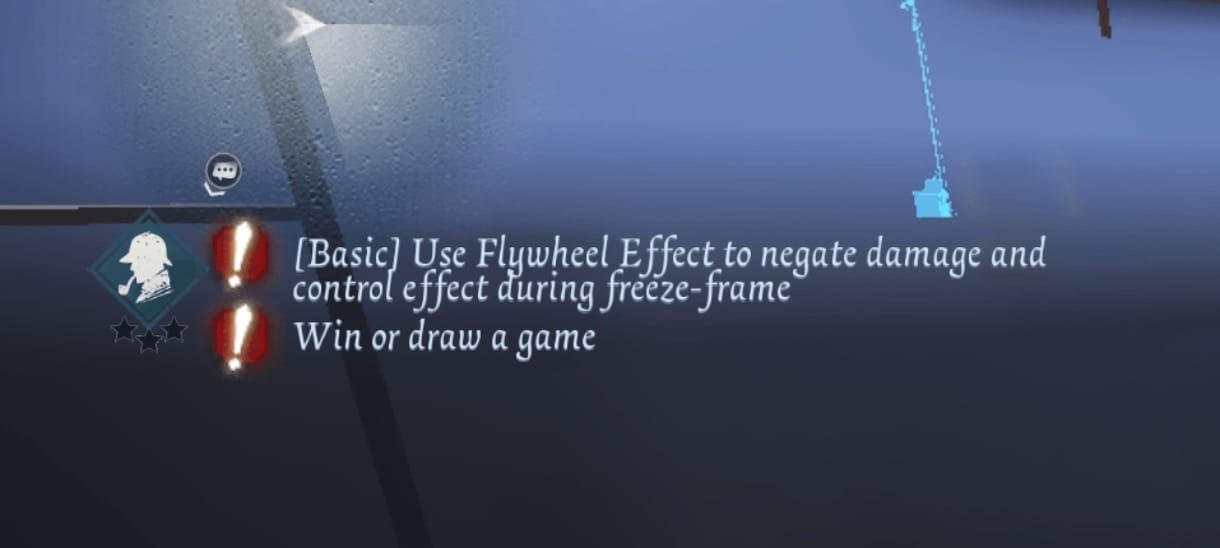
Prioritizes cipher completion speed while maintaining emergency kiting potential. Flywheel provides 0.5-second dash immunity, enabling 60+ second loops on maps with dense pallet clusters like Graveyard's 6-pallet layout.
Point allocation:
Broken Windows: Baseline vault speed
Flywheel Effect: Dash immunity during critical transitions
Distress: Faster struggle speed when chaired
Borrowed Time: 50% speed boost on 120-second cooldown
Mechanic pairs optimally, completing ciphers in 81 seconds while Lanternist maintains hunter attention through decoy manipulation. The 10% interaction speed from Static Projection stacks multiplicatively with decoder buffs.
39 Knee Jerk Reflex Build
Transforms Lanternist into primary kiter capable of 50-60 second chases. Knee Jerk grants 20-30% post-vault speed boost for 3 seconds on 40-second cooldown, synergizing with Optical Illusion's pallet indestructibility.
Point allocation:
Knee Jerk Reflex: Vault speed bursts
Broken Windows: Consistent vault efficiency
Tide Turner (36 points): 20-second invincibility post-rescue added to Borrowed Time
Exit Path: Gate opening speed
Mercenary with Tide Turner enables 60-second kites post-rescue, allowing Lanternist to focus on cipher completion during early game. Excels on Ancient Passage where tight corridors maximize vault-based kiting.
Balanced Hybrid Build
Distributes points across decoding and kiting trees, maintaining flexibility when facing unexpected hunter selections during ban phase.
Priority allocation:
Broken Windows (3 points): Baseline mobility
Borrowed Time (3 points): Rescue survivability
Knee Jerk Reflex (3 points): Situational vault speed
Flywheel Effect (1 point): Emergency dash immunity
Remaining points flex between Tide Turner for rescue scenarios or Exit Path for endgame control. Teams uncertain about hunter matchups default to this during Sacred Sanctum's 6-daily-matches-per-role format.
Priority Hierarchy
Broken Windows (mandatory - 3 points)
Borrowed Time (rescue insurance - 3 points)
Specialization choice (Flywheel/Knee Jerk/Tide Turner - 3 points)
Secondary utility (Distress/Exit Path - remaining points)
Against hunters with strong anti-loop capabilities, prioritize Flywheel's dash immunity over Knee Jerk's vault speed. Against patrol-heavy hunters like Nightmare, Knee Jerk's burst mobility enables faster cipher rotations.
Essential Items and Accessories
Item selection directly impacts Lanternist's effectiveness across match phases. Tournament regulations permit one item per survivor.
Item Selection by Team Composition
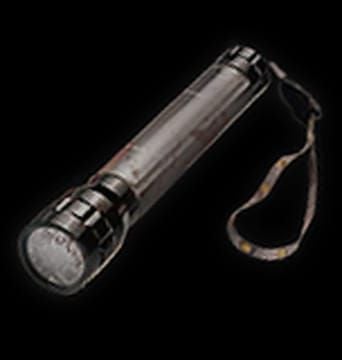
Flashlight: Default choice for double-decoder compositions, enabling rescue attempts when dedicated rescuers face early elimination. Light beam interrupts hunter interactions, synergizing with Lanternist's terror radius reduction for safer chair approaches.
Elbow Pads: Suits kiter-focused builds, reducing pallet stun recovery time and extending loop sequences. With 39 Knee Jerk configuration, creates 5-10 additional seconds per chase through optimized pallet usage.
Map: Benefits cipher-rush strategies on large maps like Leviathan Shore's 15,000+ square meter area, revealing cipher locations and enabling coordinated completion sequences. Pair with Mechanic for maximum efficiency.
Map-Specific Optimization
Arms Factory: Flashlight required due to Factory Floor's 8 connected windows creating rescue opportunities near chair placements. Tight corridors limit kiting space, making rescue tools more valuable.
Red Church: Elbow Pads for Church Building's 4-window structure where pallet efficiency determines kite duration. Open graveyard section with 6 pallets becomes 90-second kite zone when combining Elbow Pads with Knee Jerk Reflex.
Leviathan Shore: Map required for Sacred Sanctum phase navigation, as expansive layout punishes teams without cipher coordination. Static Projection's 20-second freeze becomes game-changing when teams know exact cipher locations.
For optimal item loadouts, discount Identity V echoes purchase at BitTopup provides cost-effective access to essential accessories and character unlocks.
Situational Swaps During Ban Phase
When facing Sculptor bans, prioritize Flashlight for statue destruction. Against Nightmare bans indicating aggressive early-game hunters, select Elbow Pads for extended first-chase duration. Violinist matchups benefit from Map to avoid string trap placements through informed pathing.
Advanced Kiting Techniques
Mastering map-specific kiting routes separates qualifier participants from championship contenders. Lanternist's decoy mechanics create unique loop extensions unavailable to standard decoders.
Lantern Light Mechanics
Living Image decoys move 10% faster than Lanternist, enabling fake-out maneuvers at window vaults. Deploy decoys before vaulting, then immediately reverse direction while hunter commits to chasing projection. Adds 8-12 seconds per loop cycle.
Position Projection's 10-second duration allows two-window fake sequences. Spawn decoy at first window, vault second window yourself, then loop back as decoy expires. Hunters tracking terror radius lose positional awareness during 10-second window.
Status Projection's 8-second max duration with 2-projection-per-teammate limit enables coordinated rescues. Place projections near chaired survivors, reducing terror radius by 25-50% while teammates approach from opposite angles.
Arms Factory Routes
Factory Floor's 8 connected windows form figure-eight pattern ideal for Living Image deployment. Start at northwest window cluster, deploy decoy toward northeast, then vault southwest while hunter commits to projection. Generates 45-60 second kites when combining Knee Jerk Reflex with Optical Illusion pallet plays.
Central machinery area contains 4 pallets in 15m radius. Use Static Projection to freeze nearby ciphers when kiting here, forcing hunters to choose between chase commitment or cipher defense. Optical Illusion's 1-second pallet indestructibility allows greedy pallet usage without fear of early breaks.
Red Church Routes
Church Building's 4-window structure supports 30-40 second loops through decoy manipulation. Deploy Position Projection at north window, vault east window, then transition to graveyard's 6-pallet zone. Terror radius reduction allows safer pallet pre-dropping without revealing exact position.
Graveyard kiting requires pallet conservation. Use Optical Illusion only on god pallets (those creating 10+ second loops), saving standard pallets for emergency transitions. Knee Jerk Reflex's 20-30% vault speed enables window-heavy kiting between pallet zones.
Moonlit River Park Routes
Central boat area contains 3 windows in triangular formation, perfect for Living Image cycling. Deploy decoys at 10-second intervals, creating continuous misdirection while rotating between windows. Extends boat kiting from standard 25 seconds to 50+ seconds.
Riverside pallet clusters benefit from Flywheel Effect's 0.5-second dash immunity. Dash through narrow passages between pallets, using immunity frames to avoid hits during transitions. Combine with Static Projection cipher freezes to maintain pressure on hunter cipher defense.
Transition Kiting
Tournament play demands efficient transitions between kiting zones and cipher-dense areas. Use Living Image to fake transitions—deploy decoy toward strong kiting area while moving to cipher zone. The 10% speed advantage on decoys convinces hunters to commit to wrong zones.
Static Projection's 20-second cipher freeze enables safe transitions during mid-game. Freeze ciphers in current zone, kite toward new area, then teammates complete frozen ciphers without hunter pressure. Requires voice communication during Divine Procession's 19:00-21:00 UTC+8 matches.
Hunter Matchup Analysis
Understanding hunter-specific counters determines persona build selection and item choices during draft phase.
Countering Sculptor
Sculptor's statue mechanics pressure multiple survivors simultaneously, but Living Image decoys trigger statue attacks, wasting Sculptor's ability charges. Deploy decoys near statue placements, forcing Sculptor to expend abilities on projections.
Static Projection's 20-second cipher freeze counters Sculptor's map pressure strategy. When Sculptor commits to statue placements near ciphers, freeze those ciphers and rotate to undefended machines. The 10% interaction speed buff compensates for time lost during rotations.
Optical Illusion's 1.5-second disembodied state allows phasing through statues during chase. Time activation as statues trigger, avoiding damage while maintaining loop momentum. Adds 15-20 seconds per chase when executed correctly.
Countering Nightmare
Nightmare's teleport abilities create unpredictable pressure patterns, but Lanternist's terror radius reduction from Living Image enables safer cipher decoding. Maintain decoys within 20m of active ciphers, reducing detection range by 25% and delaying Nightmare's arrival.
Status Projection's 2-projection-per-teammate limit enables coordinated cipher rushing. Place projections on teammates decoding in Nightmare's patrol zones, reducing their terror radius and buying 5-8 additional seconds before detection.
Knee Jerk Reflex build excels against Nightmare's hit-and-run strategy. The 20-30% post-vault speed boost enables quick escapes from Nightmare's teleport arrivals, minimizing damage accumulation across multiple short chases.
Countering Violinist
Violinist's string notes create area denial, but Living Image decoys absorb string damage without affecting Lanternist's health. Deploy decoys into string-heavy zones, clearing paths for safe traversal while Violinist wastes ability charges.
Static Projection cipher freezes counter Violinist's note placement strategy. When Violinist sets up string networks around cipher clusters, freeze those ciphers and rotate to undefended areas. The 50-second Static Projection duration outlasts most Violinist setup phases.
Flywheel Effect's 0.5-second dash immunity enables dashing through string notes without damage during critical moments. Save Flywheel charges for endgame gate scenarios where string placement blocks exit routes.
Countering Hermit
Hermit's trap networks restrict movement, but Position Projection's 10-second decoys trigger traps safely. Deploy decoys through suspected trap zones, revealing placements without personal risk. The 10% faster movement speed on decoys ensures trap triggering before expiration.
Optical Illusion's disembodied state allows phasing through triggered traps during chase. When Hermit forces you into trap zones, activate Optical Illusion to phase through damage, maintaining loop integrity.
Map item selection becomes critical against Hermit, revealing trap placements and enabling informed pathing. Coordinate with teammates to mark trap locations, creating safe cipher completion routes.
General Anti-Chase Strategies
Against hunters with strong anti-loop abilities, prioritize Flywheel Effect for dash immunity during ability activations. Against patrol-heavy hunters, select Knee Jerk Reflex for faster cipher rotations. Against camping hunters, default to Tide Turner for guaranteed rescue success under 49% chair progress.
Living Image's 60-second duration (post-Dec 25, 2025 nerf) requires strategic deployment timing. Reserve charges for high-pressure moments: first chase extension, rescue attempts, and endgame gate control. Continuous deployment wastes charges during low-pressure cipher completion phases.
Team Composition Strategies
Optimal team compositions balance decoding speed, rescue capability, and kiting potential while accounting for Queen Bee ban meta.
Lanternist + Double Decoder
Pairing Lanternist with Mechanic creates cipher completion in 81 seconds when combining Mechanic's 200% decoding speed with Lanternist's 10% interaction buff from Static Projection. Add Prisoner for cipher connection abilities, enabling 3-cipher simultaneous completion during mid-game.
Requires dedicated rescuer like Mercenary with Tide Turner, enabling 60-second post-rescue kites while decoders maintain cipher pressure. Antiquarian's 49% Stage 1 rescue rate provides backup rescue when Mercenary faces elimination.
Weakness: Limited kiting depth if Lanternist draws first chase. Mitigate through Knee Jerk Reflex build selection and Arms Factory map preference where 8 connected windows enable extended decoder kiting.
Lanternist + Dedicated Rescuer
Combining Lanternist with Mercenary and Gravekeeper creates rescue-focused compositions where Lanternist maintains cipher pressure during rescue sequences. Gravekeeper's shovel stuns enable safe unhooks while Lanternist freezes nearby ciphers with Static Projection, preventing hunter cipher defense.
Add Mechanic as fourth survivor for decoding insurance. Excels on Red Church where Church Building's 4-window structure supports Lanternist kiting while rescuers operate in graveyard's 6-pallet zone.
Strength: Guaranteed rescue success under 49% chair progress through Tide Turner coordination. Weakness: Slower cipher completion requiring extended match duration.
Key Synergies
Mechanic: 200% decoding speed + 10% Lanternist interaction buff = 81-second cipher completion, fastest in current meta.
Mercenary: Tide Turner's 20-second invincibility + Living Image terror radius reduction = 90% rescue success rate under optimal conditions.
Prisoner: Cipher connections + Static Projection 20-second freezes = simultaneous 3-cipher completion during endgame, overwhelming hunter cipher defense.
Antiquarian: 49% Stage 1 rescue rate + Status Projection terror radius reduction = safe early-game rescues without Borrowed Time consumption.
Draft Phase Priority
Select Lanternist during second or third pick after assessing hunter selection and ban patterns. If opponent bans Queen Bee and Mechanic, Lanternist becomes first-pick priority for decoder role. If opponent bans rescuers, defer Lanternist to third pick after securing Mercenary.
Counter-pick Lanternist against Sculptor and Violinist who struggle against decoy mechanics. Avoid first-picking against Nightmare and Hermit who excel at multi-survivor pressure, as Lanternist's solo kiting potential remains limited compared to dedicated kiters.
Cipher Rush Optimization
Coordinated cipher rushing determines match outcomes in COA IX's time-restricted Divine Procession phase.
Lantern Light Positioning
Position Projection's 10-second duration enables rotating buffs across multiple teammates. Deploy decoys near decoders every 10 seconds, cycling through team members to maintain continuous terror radius reduction. Requires voice communication: Projection on Mechanic, rotating to Prisoner in 8 seconds.
Status Projection's 2-projection-per-teammate limit demands strategic allocation. Prioritize projections on survivors in high-risk cipher zones (near hunter spawn, central map areas) over safe peripheral ciphers. The 8-second max duration provides enough coverage for 10-15% cipher completion per projection.
Coordinating Cipher Completion
Static Projection's 20-second cipher freeze enables pop coordination—freezing 3-4 ciphers simultaneously then completing them within 5-second windows. Prevents hunter cipher defense as multiple machines complete before patrol arrival.
Optimal timing: Freeze ciphers at 90% completion, rotate team to frozen machines, complete simultaneously at 15-second mark. The remaining 5 seconds of freeze prevents hunter interruption during completion animations.
Managing Charges Throughout Match
Early game (0-120 seconds): Conserve Living Image charges for first chase extension. Deploy only if drawing immediate hunter attention, otherwise reserve for mid-game rescues.
Mid-game (120-300 seconds): Use Static Projection aggressively for cipher freezes during rescue sequences. Deploy Living Image for terror radius reduction during chair approaches.
Late game (300+ seconds): Reserve all charges for gate control. Static Projection's 20-second gate freeze creates guaranteed escape windows when coordinated with Borrowed Time activations.
Endgame Gate Control
Static Projection gate freeze for 20 seconds provides guaranteed opening time when combined with Exit Path persona. Activate freeze at 50% gate progress, complete opening during freeze duration, then use Borrowed Time's 50% speed boost for exit.
Dungeon scenarios favor Lanternist due to Living Image's terror radius reduction. Deploy decoys away from dungeon location, drawing hunter attention while teammates locate and open dungeon. The 10% faster decoy movement convinces hunters to commit to wrong areas.
Common Mistakes to Avoid
Tournament pressure creates decision-making errors that cost matches.
Overcommitting to Kiting
Lanternist players often extend kites beyond optimal duration, wasting decoy charges for minimal time gain. Target 45-60 second first chase, then transition to cipher completion. Kites exceeding 90 seconds indicate poor resource management unless enabling 3+ cipher completion.
Monitor teammate cipher progress through communication. If team completes 2 ciphers during your 60-second kite, continue kiting. If only 1 cipher completes, your kiting route lacks efficiency—transition to safer zones and reset.
Mismanaging Charges
Deploying all Living Image charges during early game leaves no resources for crucial rescue attempts or endgame scenarios. Follow charge discipline: max 1 charge per chase phase, reserve 1 charge for rescues, maintain 1 charge for endgame.
Static Projection's 1-charge-per-2-energy-stocks limitation requires energy management. Avoid wasting energy on non-critical cipher freezes. Prioritize freezes during: rescue sequences (preventing hunter cipher defense), endgame (gate control), and coordinated pop timings (3+ simultaneous completions).
Poor Communication
Status Projection's 2-projection-per-teammate limit becomes wasted without communication. Call projection placements: Projection on Mechanic for 8 seconds, next on Prisoner. Prevents projection overlap and maximizes terror radius reduction coverage.
Coordinate Static Projection freezes with team cipher progress. Announce: Freezing central 3 ciphers in 5 seconds, prepare for pop. Enables teammates to position near frozen ciphers for simultaneous completion.
Incorrect Persona Selection
Selecting Knee Jerk Reflex against hunters with strong window-blocking abilities (Sculptor, Violinist) wastes persona points. Against these hunters, prioritize Flywheel Effect for dash immunity during ability activations.
Choosing Tide Turner in compositions lacking dedicated rescuers creates role confusion. Tide Turner suits rescue-focused builds with Mercenary synergy, not solo queue scenarios where decoding efficiency determines outcomes.
Tournament Preparation
Consistent improvement requires structured practice and resource optimization.
Training Drills
Decoy deployment: Practice Position Projection timing at window vaults, aiming for 10-second decoy duration maximization. Target 90% successful fake-outs where hunters commit to decoy rather than actual survivor.
Cipher freeze coordination: Run custom matches with teammates, practicing Static Projection timing for simultaneous cipher pops. Achieve 3-cipher completion within 5-second windows through coordinated freeze activation.
Optical Illusion timing: Practice pallet indestructibility activation during hunter swing animations, aiming for 1-second invincibility frame utilization without wasting cooldown.
Analyzing Match Replays
Review tournament replays focusing on:
Charge management: Count Living Image deployments per match phase, identifying wasteful early-game usage
Persona effectiveness: Calculate time gained from Knee Jerk vaults vs. Flywheel dashes, determining optimal build for your playstyle
Communication gaps: Note moments where projection placement callouts could have prevented teammate downs
Staying Updated on Meta
The Dec 25, 2025 Living Image nerf demonstrates ongoing balance adjustments. Monitor official patch notes bi-weekly during COA IX registration period (Dec 31, 2025 - Jan 15, 2026 09:00 UTC+8) for ability changes affecting persona optimization.
Join competitive communities discussing meta developments, particularly hunter ban patterns and emerging survivor synergies. Sacred Sanctum phase (Dec 31, 2025 - Jan 8, 2026) provides 60 matches per role for meta testing before Divine Procession's 20-match-per-role finals.
Enhancing Your Competitive Edge
Tournament success requires immediate access to optimal character builds and persona configurations. BitTopup offers competitive pricing on Identity V echoes with fast delivery, ensuring you unlock essential survivors and accessories without delays. Secure transactions and excellent customer service support your competitive journey.
Dominate COA IX qualifiers with optimized Lanternist builds! Power up your Identity V account, unlock essential characters, and secure exclusive tournament skins at BitTopup—your trusted partner for competitive gaming success. Recharge now and gain the edge!
FAQ
What's the best Lanternist persona build for COA IX qualifiers 2026? The 129 Flywheel Effect build provides optimal balance for tournament play, offering 0.5-second dash immunity for 60+ second kites while maintaining decoder functionality. Pair with Broken Windows and Borrowed Time for comprehensive coverage.
How does Queen Bee ban affect Lanternist viability? Queen Bee's ban eliminates energy-draining harassment options, elevating Lanternist's importance as hybrid decoder-kiter. Her Living Image decoys and Static Projection cipher freezes fill the strategic void, making her a top-3 pick in post-ban meta.
Can Lanternist replace Queen Bee in competitive teams? Lanternist replaces Queen Bee's map pressure through different mechanics—decoy misdirection and cipher freezes rather than direct energy harassment. While not a direct replacement, she provides comparable strategic value in double-decoder compositions with Mechanic synergy.
What items should Lanternist bring in COA IX matches? Flashlight suits double-decoder compositions for rescue capability, Elbow Pads optimize kiter-focused builds through pallet efficiency, and Map enables cipher coordination on large maps like Leviathan Shore's 15,000+ square meter layout.
Which hunters counter Lanternist most effectively? Nightmare and Hermit counter Lanternist through multi-survivor pressure that overwhelms her solo kiting potential. Sculptor and Violinist struggle against her decoy mechanics, making Lanternist a strong counter-pick.
How to maximize Lanternist decoding speed? Combine Static Projection's 10% interaction speed buff with Mechanic's 200% decoding speed for 81-second cipher completion. Use Status Projection's terror radius reduction to maintain safe decoding during hunter patrol phases, and coordinate cipher freezes for simultaneous pop timings.