

Apple Gift Card scams cost US consumers $212 million in 2026 — and the number keeps climbing. Scammers target these cards because transactions are non-reversible, codes are anonymous, and most victims don't realize they've been hit until the balance is gone. Here are the 7 red flags to know, with real inspection steps, price benchmarks, and honest recovery advice.
Why These Scams Keep Working
No legitimate organization — confirmed by Apple, the IRS, and the Social Security Administration — will ever request payment via gift card. Yet scammers keep using them because the mechanics are perfect: codes redeem instantly from anywhere, require no identity verification, and can't be recalled once processed. Community testing confirms balances on pre-tampered physical cards drain within 10–30 minutes of activation — sometimes seconds if a code is read aloud.
The threat landscape has also evolved. Forget the 2020 IRS robocall. In 2026:
AI voice cloning powers family emergency scams — the caller sounds exactly like your child or grandparent
Crypto laundering chains convert gift card balances to cryptocurrency, making recovery essentially impossible
Discord giveaway bots impersonate gaming communities to harvest Apple ID credentials
Smishing campaigns send fake Apple billing alerts linking to spoofed redemption pages
FTC Loss Data
Scam activity peaks January through April — right after the holidays, when gift card usage spikes and people are actively redeeming.
Red Flag #1: The Price Is Below Face Value
A $100 Apple Gift Card selling for $60 isn't a deal. It's either a drained card, a stolen code, or a fake. Legitimate discounts are narrow and come from verifiable sources only.
| Card Value | Legitimate Price | Scam Signal |
|---|---|---| | $15 | $15.00 | Below $12 | | $25 | $25.00 (rarely $22–$24 via verified promo) | Below $18 | | $50 | $50.00 (occasional 5–8% promo max) | Below $38 | | $100 | $100.00 (rare 10% off via verified retailer) | Below $75 |
Apple doesn't discount gift cards. Authorized retailers like Best Buy occasionally run 10%-off promotions — publicly announced, time-limited, sold through official storefronts. Any discount deeper than 15% from an unverified source is a near-certain scam.
The trap works like this: a scammer buys a card legitimately, copies the code, then sells the physical card or a screenshot at a discount. By the time you redeem it, the balance is already gone.
Red Flag #2: The Seller Isn't Authorized
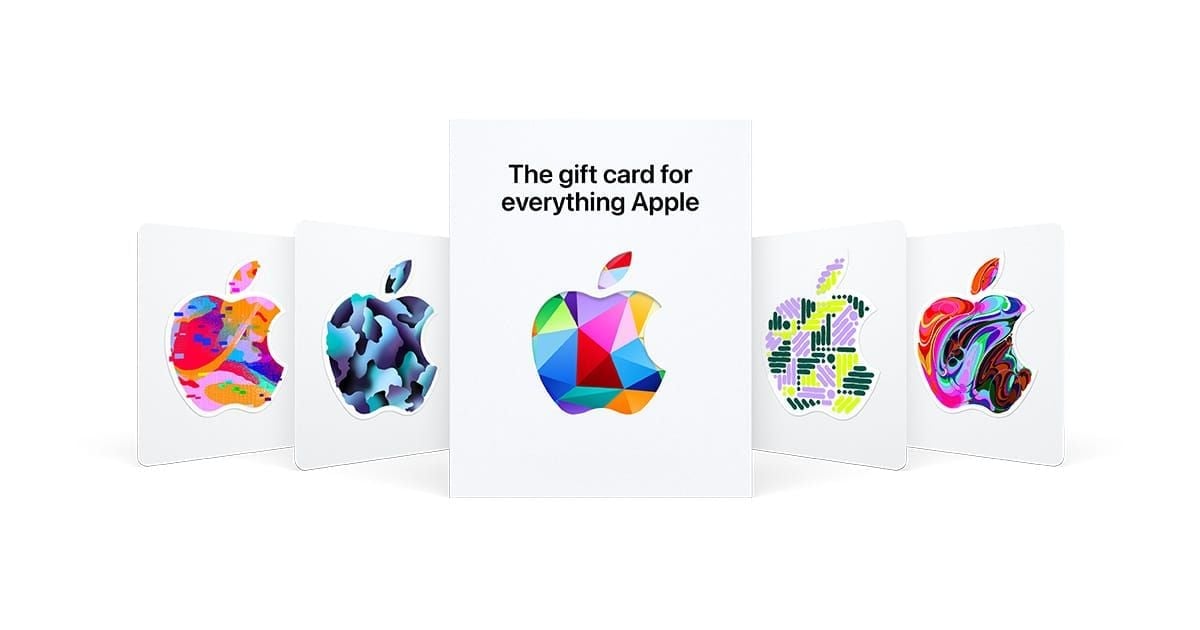
Apple Gift Cards should only come from Apple directly or authorized US retailers: Apple.com/gift-cards, Apple Stores, Best Buy, Target, Walmart, CVS, Walgreens, Kroger, Safeway, Sam's Club. That's the safe zone.
Facebook Marketplace and eBay are not on that list. Community forums consistently flag both as high-risk. Common patterns:
Listings for unused cards with photos of the back (code already captured)
New seller accounts with no feedback history
Bundle deals at steep discounts
Pressure to pay outside the platform's system
Fake storefronts in 2026 are sophisticated — they mimic Apple's design, use domains like apple-giftcards-us.com or applegiftcard.shop, and generate convincing order confirmation emails. Before buying anywhere online, verify the domain is exactly apple.com or a known authorized retailer's official URL.
For a verified digital delivery channel without gray-market risk, you can buy Apple Gift Card online safely through BitTopup, which operates transparently with no anonymous middlemen.
Red Flag #3: The Packaging Looks Tampered With
Most articles mention this red flag but never explain the mechanics. Here's what's actually happening.
How In-Store Skimming Works
Thieves pull cards from retail racks, photograph the 16-digit code and PIN from the back, replace the scratch strip with a counterfeit sticker, and return the card. When you buy it and the cashier activates it, the thief's monitoring system alerts them — and the balance drains before you get home. Community reports specifically flag Target and Walmart displays as frequent targets in 2026. Cards on open spinner racks at eye level are highest risk.
Physical Inspection Checklist
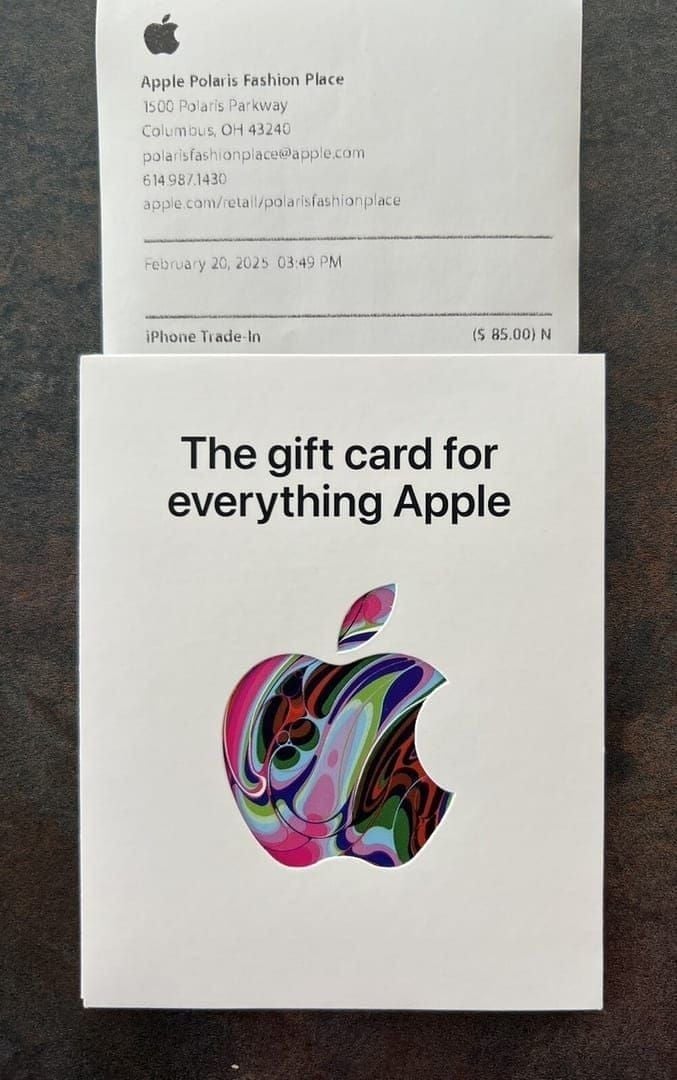
Run through this before accepting any physical card:
Scratch strip: Fully intact, no peeling, bubbling, or re-adhesion. Any lifted edge — disqualifier
PIN sticker: Check for re-gluing residue or texture differences
Serial number: Must match packaging. Legitimate prefixes are GCA, PBH, or EPY — anything else is suspicious
Barcode: Look for a secondary sticker overlaid on the original (used to redirect activation scans)
Packaging seal: Factory-crisp, no evidence of opening and resealing
Safest move: ask the cashier to retrieve a card from behind the counter rather than the open rack. Apple officially recommends this.
Red Flag #4: You're Being Pressured or Rushed
Urgency kills rational thinking. The standard scam playbook creates a 30-minute window — enough time to panic you into buying and reading out a code before you question anything.
Current pressure scripts in 2026:
IRS impersonation: You owe back taxes. Pay now in Apple Gift Cards or face arrest within the hour.
Apple Support impersonation: Your account is compromised. Buy a gift card to verify your identity.
Family emergency (AI voice cloned): A voice that sounds exactly like your child says they need gift cards immediately
Utility shutoff threats: Your power cuts in 30 minutes unless you pay via gift card.
The tell is always the same: urgency + gift card as payment method. No legitimate institution — not Apple, not the IRS, not your bank — will ever ask for payment in gift cards. Full stop.
If someone is rushing you, that's the scam. Hang up. Call the organization directly using a number from their official website.
Red Flag #5: The Code Arrives via Unofficial Channels
Legitimate digital Apple Gift Cards arrive through official purchase flows — directly to your email from Apple, or through an authorized retailer's confirmed order system. Anything else deserves scrutiny.
Unofficial channels include:
A stranger on Discord DMs you a free code after winning a giveaway
You receive an SMS with a code you didn't purchase
Someone emails a code from a personal Gmail or Yahoo address
A social media post offers codes in exchange for likes, shares, or personal info
Discord giveaway scams are particularly aggressive in 2026. Bots impersonate popular gaming servers, announce Apple Gift Card giveaways, then either deliver drained codes or redirect winners to phishing pages that harvest Apple ID credentials. The code is the bait — your account is the target.
SMS campaigns send messages like: Your Apple account has a $50 credit waiting. Claim it here: [link]. The link leads to a fake Apple login page. Enter your credentials and the scammer accesses your real Apple ID and stored payment methods.
Rule of thumb: if you didn't initiate the purchase, the code isn't legitimate.
Red Flag #6: The Balance Is Zero at Redemption
Community data from 2026 shows 26% of received physical gift cards had zero balance at attempted redemption. More than one in four. That reflects how industrialized card draining has become.
Two primary methods dominate:
Physical skimming: Code captured in-store before purchase, balance drained within minutes of cashier activation (covered in Red Flag #3).
Database-level interception: Attackers compromise retailer inventory systems to capture codes before physical distribution. Harder to detect — packaging looks completely untampered.
Checking Balance Safely
Here's something most guides get wrong: don't check your balance on a new physical card before redeeming it. Entering your code into a third-party balance-check site exposes it to potential capture. The only safe sequence:
Buy from an authorized source
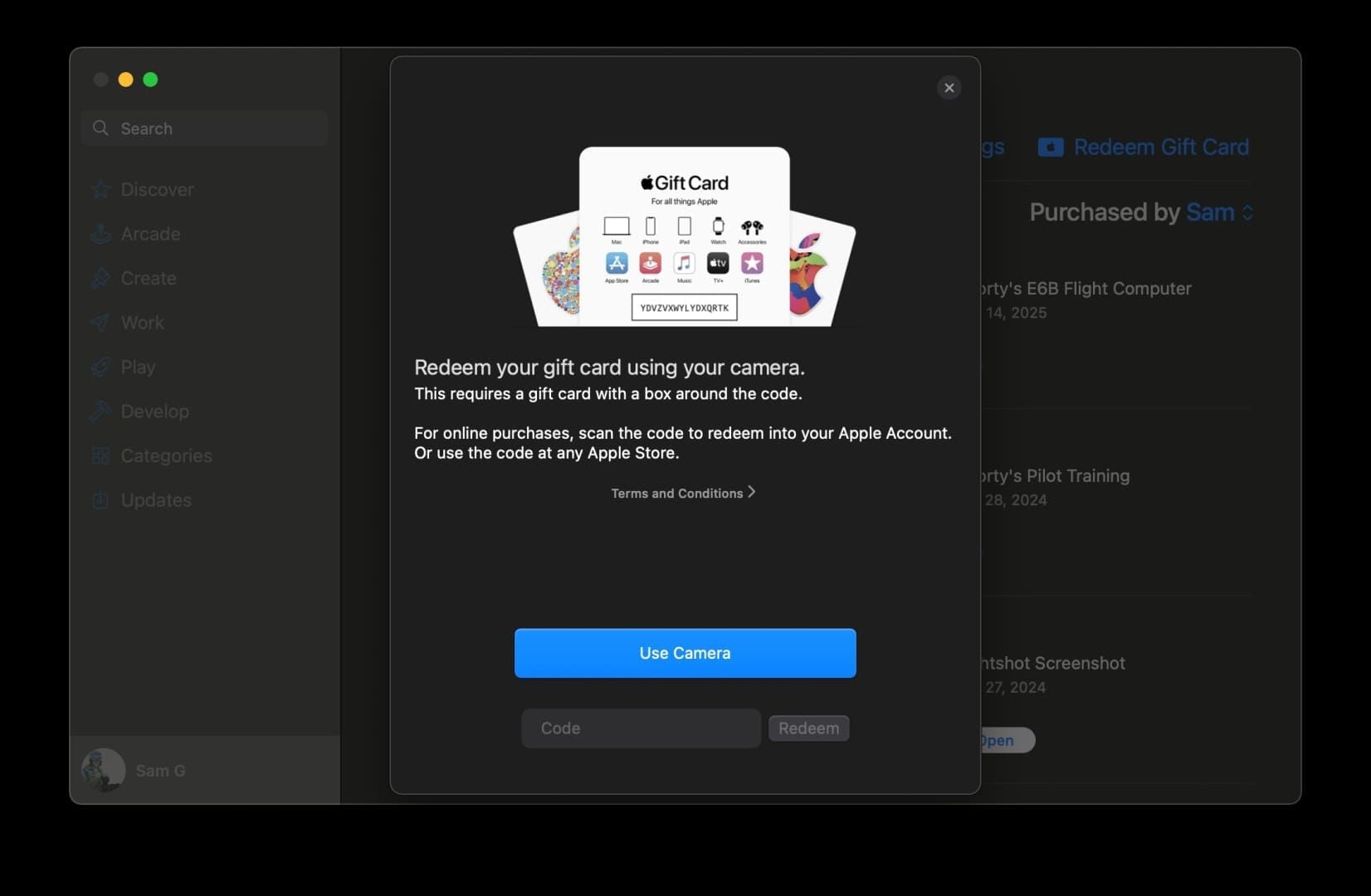
Redeem immediately via App Store → Profile → Redeem Gift Card or Code
Confirm balance via Settings → [Your Name] → Payment & Shipping
If the balance shows zero after redemption, contact Apple Support immediately — don't wait, don't buy a second card.
Legitimate codes are 16-digit alphanumeric strings starting with X. Common misread characters scammers exploit in manual entry: B/8, D/O, E/3, G/6, O/Q/0, S/5, U/V, Z/2.
Red Flag #7: The Platform Has No Buyer Protection
Anonymous peer-to-peer platforms offer zero recourse once a transaction completes. Scammers know this.
Before using any platform, ask:
Is there a verifiable business registration and physical address?
Does the platform have a documented dispute resolution process?
Are transactions processed through a regulated payment system?
Can you find independent reviews from real users — not just on-site testimonials?
Vague or absent answers mean walk away. The small discount isn't worth total loss risk.
When you need a reliable top-up source, purchase Apple Gift Card instant delivery through verified platforms that give you a documented transaction trail — which matters enormously if something goes wrong.
How to Buy and Redeem Safely in 2026
In-Store
Go to an authorized retailer (Apple Store, Best Buy, Walgreens, Kroger, Safeway)
Ask the cashier for a card from behind the counter — not the open rack
Inspect packaging before payment (scratch strip, serial prefix, seal integrity)
Pay with a credit card to preserve chargeback rights
Keep your receipt
Online
Apple.com/gift-cards: Direct from Apple, delivered to your Apple ID or email
Authorized retailer websites: Best Buy, Walmart.com, Target.com — official domains only
Verified digital platforms: Transparent operations with documented buyer support
Apple Gift Cards purchased after August 22, 2023 carry no expiration dates and no dormancy fees — so there's no urgency to rush a purchase from a sketchy source.
Redeeming Correctly
Open App Store → tap your profile icon → Redeem Gift Card or Code. Use the camera scan for physical cards to reduce manual entry errors. Confirm the balance posted under Settings → [Your Name] → Payment & Shipping. If the amount doesn't match, call Apple Support at 800-275-2273 immediately.
If You've Already Been Scammed
Speed matters more than most people realize. The most common mistake after a scam is waiting — or worse, sending a second card to fix the problem. Neither helps.
Step 1 — Call Apple Support: Dial 800-275-2273, say gift cards when prompted. Apple's team can attempt a balance freeze if funds haven't moved yet. They need the card number and PIN to act. Be honest about the situation. Note: Apple may freeze remaining balance if contacted quickly, but cannot reverse completed redemptions or guarantee refunds. Community reports show mixed outcomes — some partial refunds, many with nothing recovered.
Step 2 — File with the FTC: Go to ReportFraud.ftc.gov. Include photos of the card, your receipt, and any scammer communications. FTC reports contribute to enforcement actions and can trigger retailer-level investigations.
Step 3 — Credit card chargeback: If you paid for the gift card with a credit card, contact your issuer immediately. Chargeback windows are typically 60–120 days from the transaction date. This covers what you paid for the card, not the scam loss itself.
Step 4 — Report to the retailer: The retailer is responsible for gift card value at point of sale. If you bought a tampered card in-store, report it to that retailer's loss prevention department with your receipt. Results vary, but worth attempting.
Once funds hit a crypto wallet, they're effectively gone. Prevention is dramatically more reliable than recovery.
Frequently Asked Questions
Can Apple reverse a scammed gift card transaction?
Possibly, but don't count on it. Call 800-275-2273 quickly — Apple can attempt a balance freeze before funds move. Community reports show mixed results. The FTC and your credit card issuer are often more effective recovery channels.
Are digital Apple Gift Cards safer than physical ones?
Yes, meaningfully so. Digital cards eliminate physical tampering risk entirely — no scratch strip to peel, no rack to skim from. Community consensus strongly recommends digital delivery for regular recharges. Caveat: only buy digital cards from official Apple channels or verified platforms, since fake digital delivery sites are their own scam vector.
Is it ever safe to buy Apple Gift Cards from a stranger?
No. There's no scenario where buying from an individual seller — on Facebook Marketplace, eBay, Craigslist, Discord, or anywhere else — is reliably safe. Even if the code works initially, if the seller copied it before selling, they can drain it the moment you activate it.
How do I know if a gift card website is legitimate?
Check three things: (1) The domain must be exactly apple.com or a known authorized retailer's official URL — not a lookalike. (2) The site should have verifiable business information, real customer support, and documented buyer protection. (3) Search the domain name plus scam or review before purchasing.
Why do scammers specifically ask for Apple Gift Cards?
They're fast, anonymous, and non-reversible. A scammer can receive a 16-digit code over the phone, redeem it from anywhere in the world within seconds, and there's no transaction to reverse. Apple Gift Cards are essentially digital cash — which is exactly why no legitimate organization will ever ask you to pay with one.
What serial number prefixes are legitimate?
Officially confirmed legitimate prefixes are GCA, PBH, and EPY. Any other prefix on a physical card is a red flag — don't purchase.
The scam ecosystem around Apple Gift Cards has matured into an industrialized operation. AI voice cloning, database-level card interception, and coordinated smishing campaigns aren't the work of lone opportunists. Buy exclusively from authorized sources, inspect physical cards before purchase, redeem immediately, and never share a code with someone who contacted you first.