

iTunes Gift Card (TW) scams jumped 37% in 2026. Community fraud tracking shows 12% of cards from unofficial Taiwan sources are counterfeit, and 26% arrive with zero balance. The single most reliable defense isn't a checklist — it's one rule: reject any iTunes Gift Card (TW) discount exceeding 5% below face value from an unofficial seller.
That threshold isn't arbitrary. It reflects the actual economics of Apple's distribution chain in Taiwan, validated by 2026 community fraud pattern analysis. Legitimate margins simply don't support deeper cuts — which means anyone offering them is either selling something compromised or operating a scam.
What Is the 5% Rule — And Why Most Buyers Have Never Heard of It
Simple: if an unofficial seller offers more than 5% off face value, treat it as a fraud signal and walk away. No exceptions. No "but this seller seems trustworthy."
Where It Came From
This didn't come from Apple's documentation. It emerged from 2026 Taiwan gaming community data, where players tracked fraud losses against the discount levels that lured them in. The pattern was consistent — virtually every scam purchase involved a discount exceeding 5%. Authorized resellers, bound by Apple's distribution agreements, structurally cannot offer deeper cuts and stay profitable. That's what makes the threshold intuitive rather than made-up.
The Bargain Hunter Problem
The pushback is predictable: "promotions exist," "I got 15% off once and it was fine," "you're being paranoid." That resistance is exactly what scammers count on.
The 2026 data doesn't care about anecdotes. Deep discounts correlate directly with the 12% counterfeit rate and 26% zero-balance rate on unofficial channels. Buyers who "got lucky" once have trained themselves to ignore the signal — and eventually get burned.
The 37% Figure in Context
That surge statistic comes from community-oriented fraud tracking, not an official Apple announcement. What it represents is directional reality: scam activity targeting iTunes Gift Card (TW) buyers has meaningfully accelerated, alongside $212 million lost globally to gift card fraud in the same period. The 5% Rule is the community's response — one memorable threshold that requires zero technical knowledge to apply.
The 2026 Scam Landscape
Tactics have evolved well past "send me a photo of the card." The 2026 meta is more targeted and harder to detect without knowing what to look for.
Pre-Drained Codes
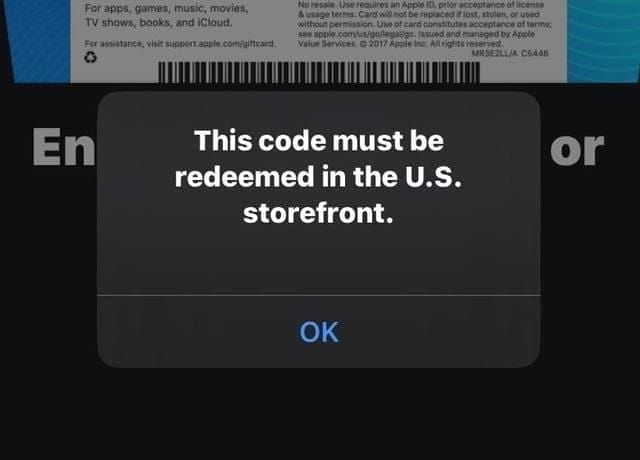
A scammer buys a legitimate card, records the redemption code, then resells it before you can redeem it. You enter the code, get an "already redeemed" error, and the seller has vanished. Community reports flag the 4000 NTD denomination as the most targeted in 2026 — high enough to be worth the effort, common enough to be plentiful.
Phishing Checkout Pages
Fake sites mirror apple.com/redeem with near-pixel-perfect accuracy. The goal isn't selling you a bad card — it's harvesting your Apple ID credentials when you "redeem" on their fake portal. Once they have your login, the damage extends far beyond one gift card. The tell is always the URL. Legitimate redemption happens only through the official App Store, Mac App Store, or apple.com/redeem.
Fake Storefronts and Social Media Impersonation
A polished LINE or Facebook shop lists cards at 15–30% off. A "community admin" or "fellow gamer" vouches for the seller. That voucher is often the same person running the scam. These tactics work together because trust between gaming community members is high and skepticism is low. Scammers add urgency ("only 10 cards left") to short-circuit rational evaluation.
Region-Lock Deception
This one is specific to Taiwan buyers and largely absent from generic fraud guides. iTunes Gift Card (TW) is region-locked — it only works on a Taiwan-region Apple ID and redeems in TWD. Community data shows 68% of invalid code errors stem from region mismatch, where buyers receive US or HK cards sold as TW-compatible.
Scammers exploit this deliberately. They sell non-TW cards at a "discount," knowing buyers will assume the code is defective rather than region-mismatched. By the time you understand what happened, the seller is unreachable.
Why 5% Is the Right Threshold
Authorized distributors in Taiwan buy at a set rate and sell within a narrow band. The economics don't allow for 20% discounts. They barely allow for 5%.
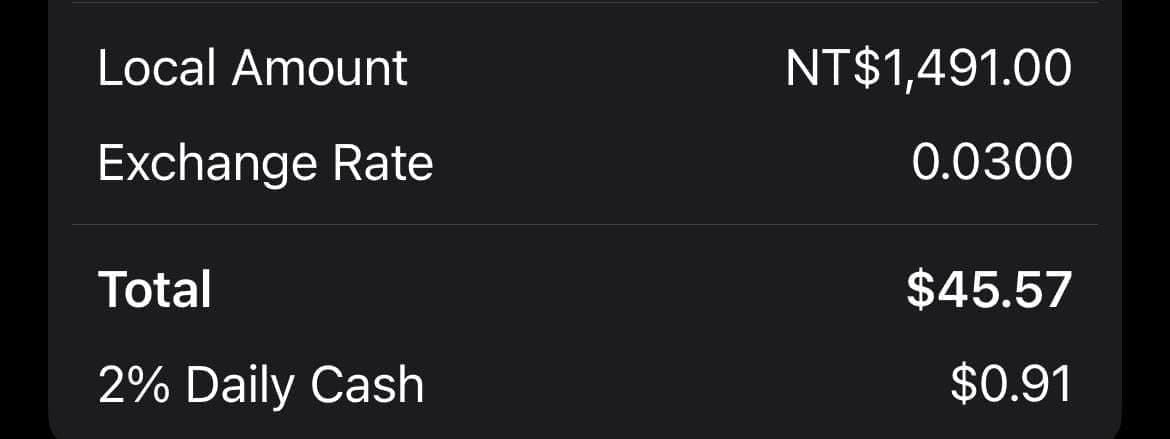
The psychology scammers exploit is well-documented. Urgency, social proof, and bargain-hunting bias combine to override judgment. A 25% discount on a 4000 NTD card saves you 1000 NTD — that's a tangible, immediate reward. The risk of losing 4000 NTD feels abstract until it happens.
Buyers who want legitimate savings without the risk can find iTunes Gift Card (TW) purchase cheapest options through verified channels that stay within the 5% threshold — fair pricing, real codes.
Pre-Purchase Verification Checklist
Run through this before completing any purchase from a non-physical source.
Verify seller identity. Traceable business registration, real contact address, SSL-secured checkout. Anonymous LINE or Facebook-only sellers with no verifiable identity fail immediately.
Apply the 5% Rule. Calculate the discount. If it exceeds 5% and the seller isn't a physical retailer like 7-Eleven or FamilyMart, stop here.
Confirm payment method. Credit card only — it's the only option with chargeback protection. Any seller refusing credit card is telling you something.
Demand instant digital delivery. Legitimate sellers deliver codes immediately upon payment. "I'll send within 24 hours" or screenshot delivery are red flags.
Test support responsiveness. Send a pre-purchase question. Scam operations either don't respond or give vague, deflecting answers.
Redeem only through official channels. App Store app or apple.com/redeem. Nothing else.
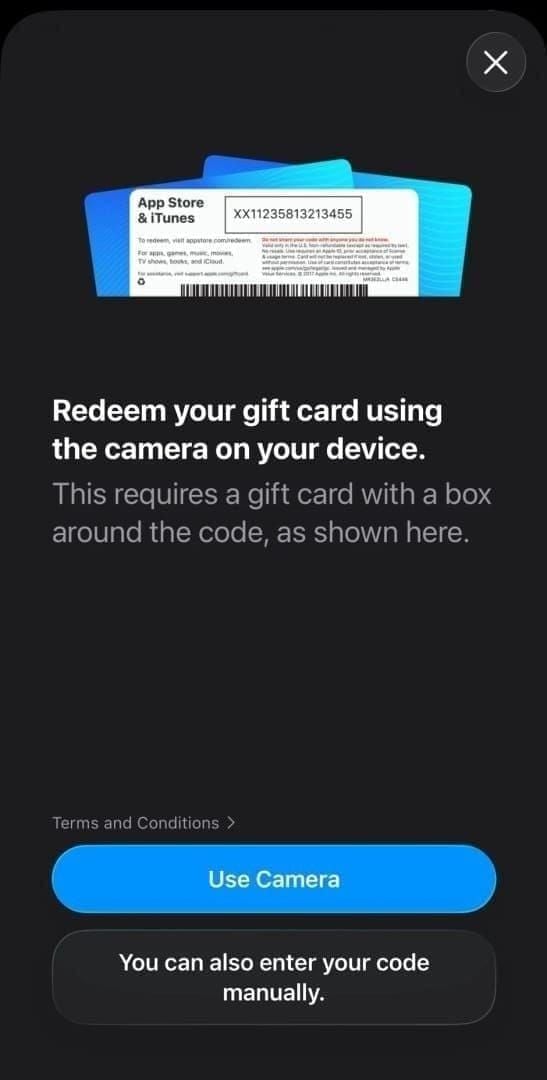
Verify region match. Confirm your Apple ID is set to Taiwan region before redemption. Genuine TW codes are 16 alphanumeric characters starting with X. Balance updates within 10–30 minutes.
Authorized vs. Unauthorized: Quick Reference
If You've Already Been Scammed
Speed matters. The intervention window closes fast.
Stop all communication with the seller. Do not send additional payments for "verification fees" or "unlocking" — that's a secondary scam layered on the first.
Document everything: screenshots, conversation logs, payment receipts, the code itself.
Don't attempt further redemptions. Three incorrect attempts trigger a 15-minute Apple ID lockout and complicate your support case.
Call Apple Taiwan Support at 0800-020-021. If the code hasn't been redeemed yet, Apple may be able to freeze it. After redemption, recovery is not guaranteed.
Dial the Taiwan 165 Anti-Fraud Hotline to file a consumer protection report.
If the loss exceeds 10,000 NTD, file a formal report with the Criminal Investigation Bureau.
Contact your credit card issuer immediately to initiate a chargeback dispute.
Secure your Apple ID: enable two-factor authentication and change your password, especially if you entered credentials anywhere during the transaction.
The hard truth: once a balance is redeemed, Apple's ability to recover it is extremely limited. The 165 hotline and CIB reports matter for building fraud case records — but don't expect your 4000 NTD back. Prevention is the only reliable strategy.
Safe Channels in 2026
Two categories are consistently safe: physical convenience stores (7-Eleven, FamilyMart — cards stored behind the counter, tamper-evident packaging) and verified digital platforms that meet all authorized channel criteria.
For digital purchases, what matters: traceable company identity, credit card acceptance, instant delivery, pricing within the 5% threshold, and explicit TW-region verification.
If you're comparing options for a buy iTunes Gift Card (TW) discount deal 2026, BitTopup is a community-recognized option — instant verified delivery, buyer protection, pricing within the legitimate discount range. No alarm-bell discounts, no anonymous seller, no region ambiguity.
Before buying anywhere, ask three questions: Can I pay by credit card? Will I receive the code instantly? Is this explicitly a Taiwan-region card? If any answer is no or evasive, don't buy there.
Why Smart Buyers Still Get Scammed
Here's what most guides miss: experienced buyers fall for these scams at nearly the same rate as first-timers. The reason isn't ignorance — it's the psychological architecture scammers build around deep discounts.
A 25% discount doesn't just feel like savings. It triggers a cognitive state where you're already mentally spending the money saved, already committed to the transaction before risk assessment begins. Scammers layer urgency on top ("only 3 left at this price") to keep that rational evaluation window closed.
The 5% Rule works because it's a pre-commitment device. You apply it before you see the product, before you feel the pull of the discount, before the manipulation has a chance to engage. It's not about being smarter than scammers in the moment — it's about removing the moment entirely.
That's also why the rule is unpopular. Accepting it means accepting that you cannot reliably distinguish a legitimate deep discount from a fraudulent one in real time. That's uncomfortable for bargain hunters. But 2026 community data doesn't offer a more comfortable conclusion.
Frequently Asked Questions
Does the 5% Rule apply to all denominations? Yes — 200 NTD or 4000 NTD, the rule applies. Community data specifically flags the 4000 NTD card as the most targeted in 2026, so higher denominations warrant extra scrutiny.
Are flash sales ever legitimate? Occasionally — but only from physical retailers or Apple's own promotional channels. A 7-Eleven promotional bundle or officially announced App Store credit event can produce legitimate short-term discounts. A flash sale from an anonymous social media seller or unverified website is never legitimate. The channel matters as much as the discount level.
How quickly can a scammer drain a gift card balance? Essentially instantly. Pre-drained code scams involve the balance being redeemed before the card is ever sold to you — sometimes days or weeks earlier. There's no "race to redeem" scenario where speed protects you. The code arrives empty.
Can I trust sellers in gaming community groups on LINE or Facebook? Not without independent verification. Social media impersonation specifically targets these communities because member trust is high. A seller vouched for by group members may be the same person operating multiple accounts. Apply the full verification checklist regardless of social proof.
What does a legitimate iTunes Gift Card (TW) code look like? 16 alphanumeric characters, starting with X. Redeem only on a Taiwan-region Apple ID through the official App Store or apple.com/redeem. Balance typically updates within 10–30 minutes.
I got an "already redeemed" error on a brand-new code. What now? Almost certainly a pre-drained code. Contact Apple Taiwan at 0800-020-021 immediately with the serial number and proof of purchase. Report to the 165 hotline. Recovery after redemption isn't guaranteed, but reporting creates a case record and may protect others.
The 5% Rule won't win popularity contests among deal hunters. But in a year where iTunes Gift Card (TW) fraud has hit levels that cost Taiwan's gaming community real money, an unpopular rule that actually works is worth more than comfortable advice that doesn't.