

Recovering merit in PUBG Mobile requires strategic Classic mode gameplay. Earn +3 merit for top 10 finishes, +2 for ranks 11-50, and +1 for ranks 51-100. The 60-merit threshold unlocks duo/squad modes—drop below and you're stuck in solo matches with 50% reduced BP and EXP. Fastest recovery: complete multiple Classic matches with high placements while avoiding team damage and cheater associations.
Understanding the Merit System and 60-Point Threshold
What Merit Controls
Merit functions as your fair play score, directly impacting matchmaking and rewards. Everyone starts at 100 points. The system adjusts in real-time after each match or detected violation.
Merit gates game modes and progression. At 100 merit, you get maximum 200 BP daily increase. Need premium content? PUBG Mobile UC recharge through BitTopup offers competitive pricing and instant delivery.
The system integrates with anti-cheat infrastructure. Violations trigger automatic point deductions based on severity, ensuring consistent fair play enforcement globally.
The 60 Merit Barrier
Drop below 60 and duo/squad modes lock immediately—solo only. This prevents low-merit players from ruining team experiences.
Merit 60-90: 30% reduced BP/EXP. Below 60: 50% reduction, halving progression speed. These economic penalties compound social isolation, creating strong recovery motivation.
The lock is absolute. Attempting to join team lobbies triggers immediate notification. No circumventing through party invites or quick-join.
How Merit Calculates
The system processes each match on completion, evaluating placement, damage patterns, and behavioral flags. Positive gains apply automatically.
Deductions follow tiered severity:
First teammate kill: -10 merit
Second within 7 days: -15 merit
Third within 7 days: -30 merit
Player-reported kills: -20/-30/-60 merit (escalating)
Violation patterns track across rolling 7-day windows. Penalties reset after one week of clean play. Continuous friendly fire (3+ per week) triggers automatic deductions. Clicking OK on friendly fire warnings confirms the deduction.
Common Merit Loss Causes
Teammate damage: Most frequent cause. New players unfamiliar with weapon spread, grenade trajectories, or vehicle controls accumulate friendly fire incidents. Even experienced players trigger penalties in chaotic combat.
Cheater association: Teaming with a player who gets banned within 7 days costs you -15 merit per violation. This guilt-by-association discourages knowingly partying with cheaters.
Using cheats: After ban expiration, you return with -60 merit, immediately locking you into solo-only mode with maximum penalties.
Complete Merit Recovery Timeline
Recovery Time by Starting Score
From 50 merit: 10-15 matches with top-50 finishes = 4-7 hours over 1-2 days.
From 40 merit: 20-30 matches = 8-15 hours.
From 30 merit: 30-45 matches = 12-22 hours.
Below 20 merit: 50+ matches = 20-30 hours across multiple days.
Time scales non-linearly as deficits grow.
Merit Gained Per Match
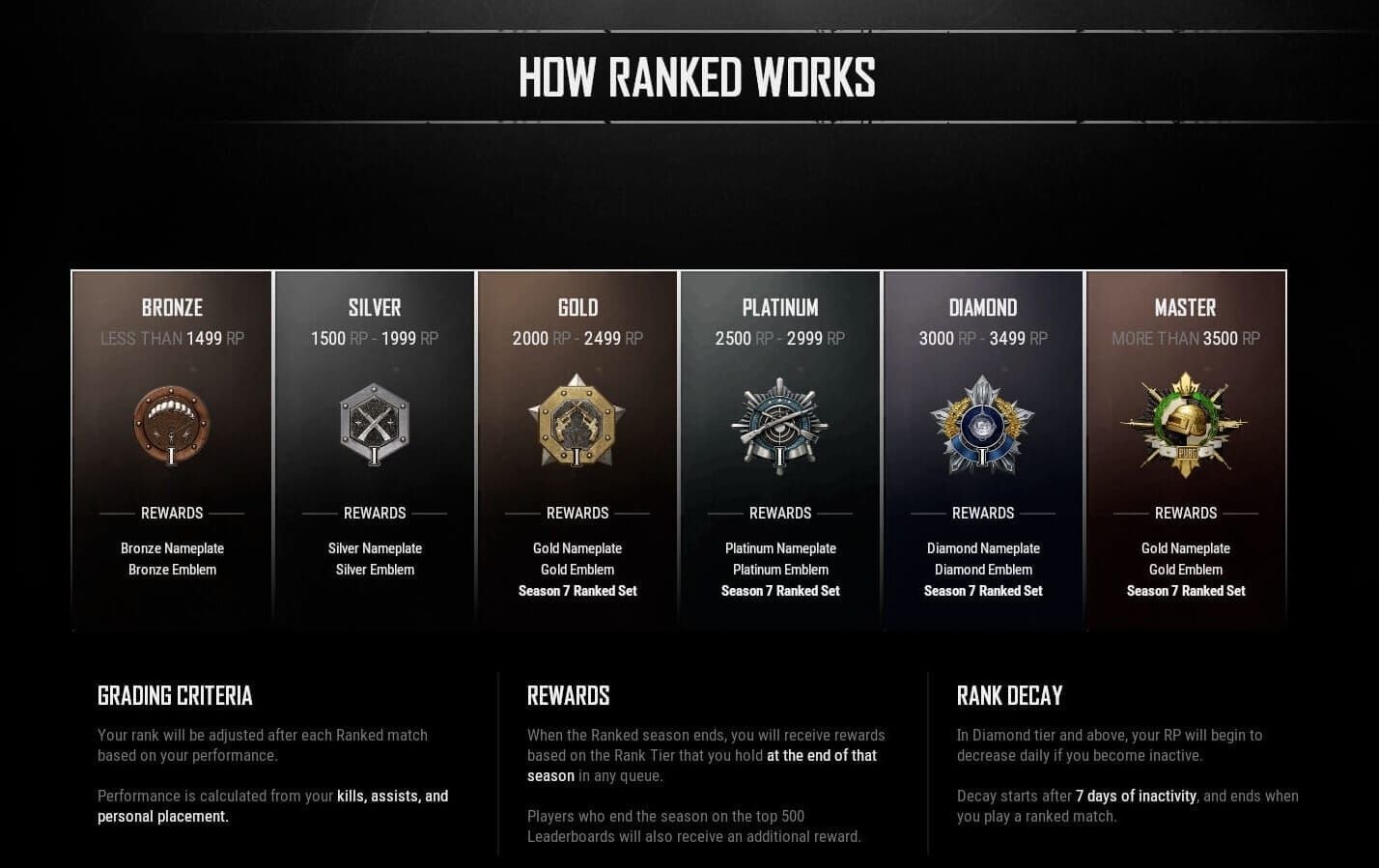
Classic mode awards based on placement:
Top 10: +3 merit (most efficient)
Ranks 11-50: +2 merit
Ranks 51-100: +1 merit
Outside top 100: 0 merit
A player consistently hitting top 10 recovers 30 merit in 10 matches. Top 50 average needs 15 matches for the same recovery.
Match completion matters more than kills. Rank 80 with zero kills = rank 80 with 10 kills = 1 merit point. System encourages survival over aggression.
No Automatic Regeneration
PUBG Mobile has no passive merit regeneration. Points only increase through active match participation. You can't wait it out.
Time-based elements exist only in penalty escalation windows. Violation severity resets after 7 days without new infractions, preventing indefinite stacking.
Merit restoration depends on play time and behavior, not calendar time. Complete 20 matches in one day = faster recovery than spreading them across two weeks.
Realistic Speedrun Goals
24-hour recovery from 45-55 merit: Requires 6-8 hours dedicated gameplay, 8-12 matches with consistent top-50 finishes. Suits experienced players with full-day availability.
48-hour recovery: More realistic for most. 3-4 hour daily sessions across two days. Complete 15-20 matches, sufficient for recovering from 35-40 merit to 60.
Below 30 merit: Rarely permits sub-48-hour recovery unless you dedicate 10+ hours daily. Most should target 3-5 day timelines for severe deficits.
Fastest Merit Recovery Method (Step-by-Step)
Step 1: Check Current Merit and Calculate Points Needed
Press the helmet icon on left side/top of Lobby screen. Opens profile with merit displayed. Or: select Tier (upper right Space section) > Tier Overview > ? icon right of Merit.

Tap Info button on landing page for precise score below Merit text (middle right). Note: displays in UTC timezone—add 9 hours for KST.
Calculate deficit: 60 minus current score. Divide by 3 (optimistic top-10), 2 (moderate top-50), or 1 (conservative top-100) to estimate required matches.
Step 2: Select Optimal Modes
Classic mode only. Arcade variants don't award merit. Choose Erangel, Miramar, Sanhok, or Vikendi based on your survival strengths.
Solo mode is mandatory below 60 merit, but this benefits recovery—eliminates teammate damage risks. You control all decisions without coordination or friendly fire risk.
Pick maps where you consistently place higher. Smaller maps like Sanhok = faster completion (15-20 min) but intense combat. Larger maps like Erangel = more hiding opportunities. Match your playstyle.
Step 3: Execute High-Placement Matches
Prioritize survival over kills. Land peripheral locations away from flight path hotspots. Secure basic gear quickly, then position inside upcoming circles.
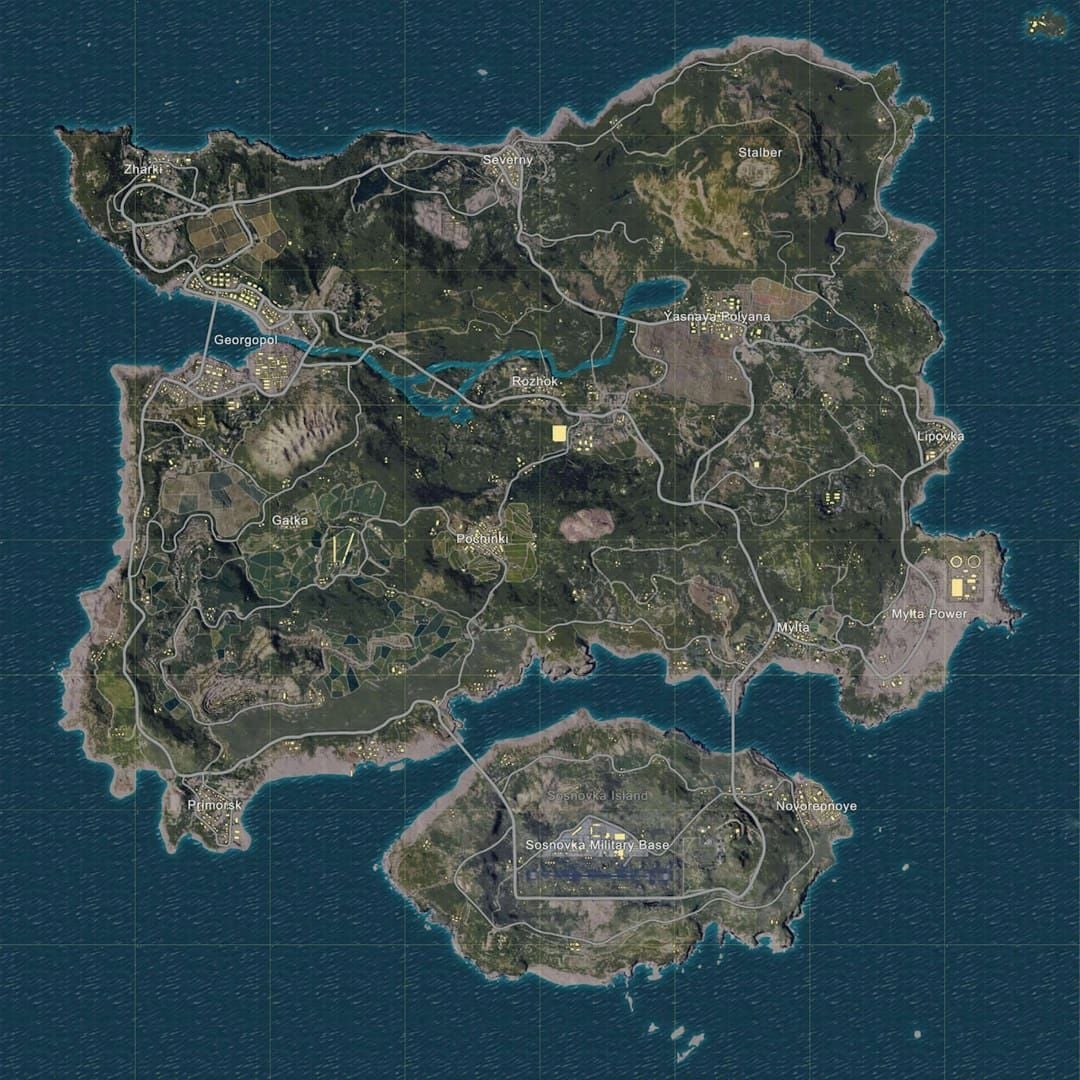
Monitor alive count and circle timings. Stay mobile mid-game, rotate early to avoid edge congestion. Use vehicles for long rotations but abandon before final circles.
Late-game (20-30 alive): focus on top-10 for maximum merit. Find strong cover with multiple exits. Engage only when necessary. Each top-10 = 3 merit points, 3x more efficient than barely top-100.
Step 4: Avoid Merit-Reducing Behaviors
Play solo exclusively during recovery. Even after regaining 60 merit, continue solo until 70-80 to build buffer. Accidental squad friendly fire reverses progress.
Never accept invites from unknown players. Teaming with someone who later gets banned = -15 merit for guilt by association.
Complete every match you start. Don't exit early even if eliminated. Maintain consistent positive behavior across all gameplay.
Step 5: Track Progress and Adjust
Check merit every 3-5 matches to verify gains and trajectory. If not increasing as expected, review placements—ensure you're hitting top-100. Outside top-100 = zero gains.
Calculate merit-per-hour after first session. Divide total gained by hours played. Below 5 merit/hour? Adjust toward more conservative survival.
Set incremental milestones: celebrate 45, 50, 55 merit as progress markers. Maintains motivation during extended grinds. Ready to enhance gameplay? Top up PUBG Mobile UC at BitTopup for secure transactions.
Game Mode Efficiency Analysis
Classic Mode: The Only Option
Classic is the only viable merit recovery mode. Awards 1-3 merit based on placement. Average match: 25-30 minutes including queues.
Top-10 consistency: 6-9 merit/hour. Recover 50→60 in 3-4 hours.
Top-50 average: 4-6 merit/hour. Same recovery in 5-7 hours.
Top-100 average: 2-3 merit/hour. Requires 10-15 hours.
Efficiency gap shows why improving survival skills accelerates recovery dramatically.
Arcade/TDM/Arena: Zero Merit
Arcade variants award zero merit points. Quick Match, War Mode, other Arcade formats = entertainment only, no recovery benefit.
This exists because Arcade has respawns, shortened durations, and modified rules that don't align with fair play measurement. Placement-based merit requires permanent elimination structure.
Avoid Arcade completely during recovery. Even warm-up matches waste 10-15 minutes that could contribute to Classic progress.
EvoGround: No Recovery Value
EvoGround modes (Payload, Infection, limited-time variants) don't contribute to merit. Unique mechanics fall outside Classic framework where merit applies.
No current evidence suggests these award merit. Assume zero benefit unless official announcements confirm otherwise.
Mode Efficiency Summary
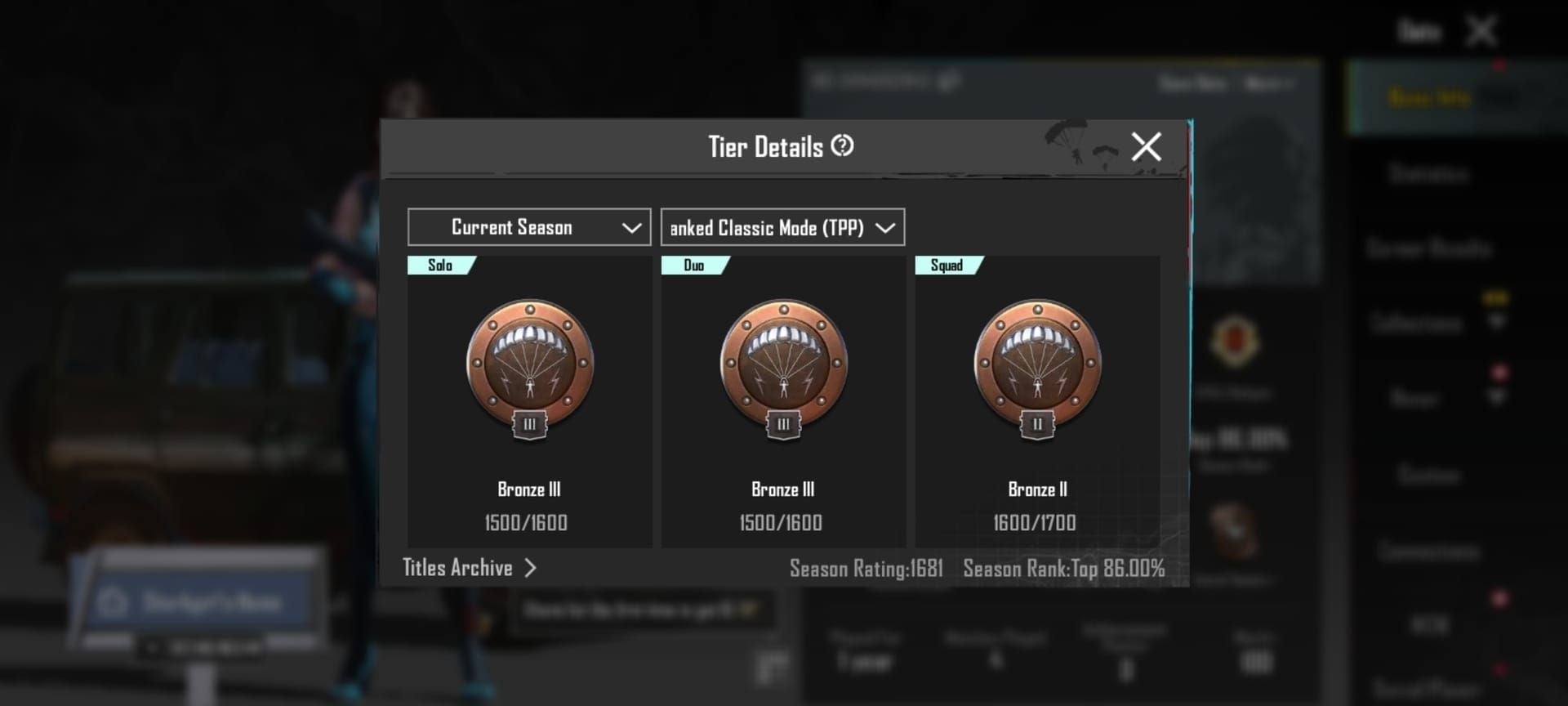
Classic top-10: 3 points/match (maximum efficiency)
Classic top-50: 2 points/match (moderate)
Classic top-100: 1 point/match (minimum viable)
All other modes: 0 points (zero value)
Binary choice: play Classic for recovery, or accept your session won't contribute.
Track merit gains across 10 Classic matches, optimize based on actual performance data vs. theoretical maximums.
Advanced Optimization Techniques
Maximize Through Match Completion
Survival duration = placement ranking. Time-alive is your primary metric. Drop low-traffic peripheral locations. Secure weapon, armor, healing in first 2-3 minutes, then position for first circle.
Avoid unnecessary combat early/mid-game. Each engagement risks elimination. Only fight when enemies block rotation or you hold overwhelming advantage.
Sound discipline prevents detection. Minimize gunfire, walk in contested areas, avoid vehicles in final circles. Each minute survived moves you toward top-50/top-10 thresholds.
Solo vs Squad During Recovery
Solo is mandatory below 60, but this benefits efficiency. Eliminates teammate damage risks entirely. Complete behavioral control without coordination.
Solo allows purely selfish survival decisions. No reviving teammates, sharing loot, or compromising position for squad cohesion. Every decision serves your placement.
Even after hitting 60, consider continuing solo until 70-80. Buffer prevents immediate re-restriction from minor infractions.
Time-of-Day Strategies
Play during regional peak hours (6-11 PM local, weekend afternoons) to minimize queue times. Shorter queues = more matches/hour = faster recovery.
Select popular maps (Erangel, Sanhok) during off-peak to ensure faster matchmaking. Less popular maps may have extended queues.
Monitor average queue duration. Consistently exceeding 2-3 minutes? Switch maps or adjust schedule to higher-activity periods.
Short vs Long Matches
Aggressive early elimination: 1 merit every 15 min (ranks 60-80) = 4 points/hour. Suits players with limited survival skills.
Conservative survival: 3 merit every 30 min (top-10) = 6 points/hour. Rewards patient players with strong positioning.
Track real merit-per-hour across both approaches, commit to whichever produces better results for your skill level.
Merit Recovery Without Active Play
No Automatic Regeneration
PUBG Mobile has zero passive merit regeneration. Score remains static when not playing. No daily restoration like other games.
This ensures players demonstrate behavioral improvement through gameplay, not time-based forgiveness.
No shortcuts, purchases, or waiting periods bypass this. Must play Classic matches.
No Daily Restoration
No daily automatic merit exists. Monday morning score = Sunday night score if you haven't played.
The 7-day violation window affects penalty escalation, not restoration. After one week without infractions, next violation returns to first-offense levels. Prevents permanent stacking but doesn't restore points.
Must actively earn back every point through Classic placement.
No Merit Recovery Items
No merit recovery items, consumables, or UC-purchasable restoration exist. No items directly increase merit or accelerate recovery.
This prevents bypassing consequences through spending. Merit requires demonstrating improved behavior through match performance.
Focus resources on gameplay time and skill improvement, not non-existent shortcuts.
Passive Recovery: None
Without active gameplay, merit freezes permanently. 45 merit today = 45 merit one year later. No background processes, seasonal resets, or maintenance procedures restore merit.
Can't wait out penalties. Breaks don't resolve low scores—just delay the grind.
Plan recovery around available playtime. 2-3 hours weekly = multiple weeks. 6-8 hours weekend = rapid restoration through concentrated effort.
Critical Mistakes That Slow Recovery
Behaviors That Lower Merit
Teammate damage: Highest risk, but solo-only below 60 eliminates this. After recovering to 60+, exercise extreme caution with grenades, vehicles, spray-fire. One accidental kill = -10 merit, erasing 3-10 matches of progress.
Teaming with unknowns: Random squadmate uses cheats and gets banned within 7 days = you lose -15 merit per violation. Applies even without knowledge.
Clicking OK on friendly fire warnings: Confirms merit deduction. Avoid all friendly fire entirely.
Match Abandonment
While exact penalties aren't specified, abandonment contradicts completion-focused behavior merit rewards. Leaving before elimination/victory potentially triggers penalties.
Complete every match. Spectate or return to lobby properly. Ensures system registers participation and applies earned merit.
Network disconnections create ambiguity. Reconnect immediately if disconnected. Frequent disconnections may trigger automated penalties. Maintain stable internet.
Team Damage Impact
First teammate kill: -10 merit. Subsequent within 7 days: -15, then -30. One bad squad session with multiple kills erases days of progress.
Player-reported kills: -20/-30/-60 (escalating). Intentional team killing triggers reports, applying maximum penalties. Could drop 60→0 in one match.
Continuous friendly fire (3+ per week): automatic deductions even without kills. Maintain strict fire discipline post-recovery.
Why Some Matches Don't Award Merit
Outside top 100: Zero gains. Dying early with 70+ alive = no progress. Wastes 10-15 minutes.
Non-Classic modes: Arcade, TDM, Arena, EvoGround = zero merit regardless of performance. Mixing modes dilutes efficiency.
Violations during match: Teammate damage penalties may cancel or exceed placement gains. Clean gameplay ensures positive progress.
Tracking Recovery Progress
Check Current Merit
Primary: Press helmet icon (left side/top of Lobby). Opens profile with merit displayed.
Alternative: Tier (upper right Space) > Tier Overview > ? icon right of Merit. Shows rules and score.
Quick check: Info button on landing page. Merit displays below Merit text (middle right). Remember UTC timezone—add 9 hours for KST.
Calculate Matches Remaining
Subtract current from 60 for deficit. Player at 47 needs 13 points.
Divide by expected average:
Top-10 finishers: ÷3 = 5 matches (13÷3=4.33 rounded up)
Top-50 finishers: ÷2 = 7 matches
Top-100 finishers: ÷1 = 13 matches
Build safety margins. If calculations say 5 matches, plan for 7-8 to account for variance.
Use Match History
Check merit before/after sessions. Record starting merit, play 5-10 matches, check ending merit. Divide total gained by matches played for real average.
Compare actual vs. theoretical to identify improvements. Averaging 1.5 when targeting 2.0? Analyze placements—maybe dying at rank 55-60, just missing top-50.
Track merit-per-hour across sessions. Accounts for queues, duration variance, consistency. Use data to optimize schedule, map selection, strategy.
Set Realistic Daily Goals
Establish targets based on available time and performance. 3 hours daily, 1.5 merit/match average, 30-min matches = ~9 merit/day (6 matches × 1.5). This player needs 2 days for 45→60.
Break large deficits into milestones. From 30 merit: day-1 reach 40, day-2 reach 50, day-3 reach 60. Incremental targets maintain motivation.
Adjust based on actual performance. First session yields lower gains? Revise timeline rather than forcing extended sessions that cause fatigue. Sustainable pacing beats burnout.
FAQ
How long to recover 40→60 merit?
20 merit points needs 7-20 matches. Top-10 finishes: ~7 matches (3-4 hours). Top-50 average: 10 matches (5-6 hours). Top-100 average: 20 matches (10-12 hours across multiple sessions).
Fastest mode to recover merit?
Classic mode only. Arcade, TDM, Arena, EvoGround = zero merit. Within Classic, all maps offer identical structure (3/2/1 points), so choose where you personally place highest.
Can you recover without playing?
No. Zero passive regeneration. Score unchanged when not playing. Must complete Classic matches with qualifying placements. No time-based restoration, daily allowances, or purchasable items exist.
How many matches to reach 60?
Depends on starting merit and placement. From 50: 4-10 matches (3-6 hours). From 40: 7-20 matches (4-12 hours). From 30: 10-30 matches (6-18 hours). Top-10 consistency minimizes grind.
Does merit auto-recover?
No. Only increases through active Classic mode participation with qualifying placements. No daily points, time-based restoration, or passive regeneration. Must earn every point through gameplay.
What happens below 60 merit?
Immediate duo/squad lock—solo only. 50% reduced BP/EXP, halving progression. Penalties remain until you recover to 60+ through Classic placement. System prevents team matchmaking entirely.