

PUBG Mobile 3.5 gyroscope sensitivity codes like 7435-8846-3421-0303-0728 enable precise M416 6x scope spray control with gyro at 120-195% and ADS at 15-20%. Import via Settings Cloud, calibrate on flat surfaces, test with full magazine sprays at 50m in Training Mode. Adjust in 5-10% increments after 10-15 minutes practice. Compensator reduces vertical kick by 25%, while proper gyro config eliminates manual recoil compensation during mid-to-long range fights.
Understanding Gyroscope Sensitivity in PUBG Mobile 3.5
Gyroscope uses device motion sensors to counter M416's 2.8 vertical and 3.1 horizontal recoil. Enable via Settings > Sensitivity with Gyroscope Always On activated. Tilting your device downward during sustained fire automatically compensates for recoil, creating smoother sprays than thumb adjustments alone.
The 3.5 update introduced decoupled recoil per scope type. Each magnification needs specific calibration—Red Dot works at 280-400% gyro, while 6x demands 120-195% to prevent over-compensation. Master these distinctions for mid-to-long range dominance.
For premium weapon skins and Royale Pass rewards, PUBG Mobile UC buy at BitTopup provides fast, secure transactions with 24/7 support.
M416 remains most versatile AR due to balanced fire rate and manageable recoil. With Compensator (25% vertical reduction), Vertical Grip, and Tactical Stock (+15% recovery, -10% shake, +20% stability), it achieves near-zero recoil during 6x sprays at 150+ meters.
What Is Gyroscope and How It Affects Recoil Control
Gyroscope converts physical device movement into in-game camera adjustments. During M416 6x sprays, tilting downward 10-15 degrees counters vertical climb, keeping bullets centered without thumb dragging. Effective for 30-40 round sustained fire.
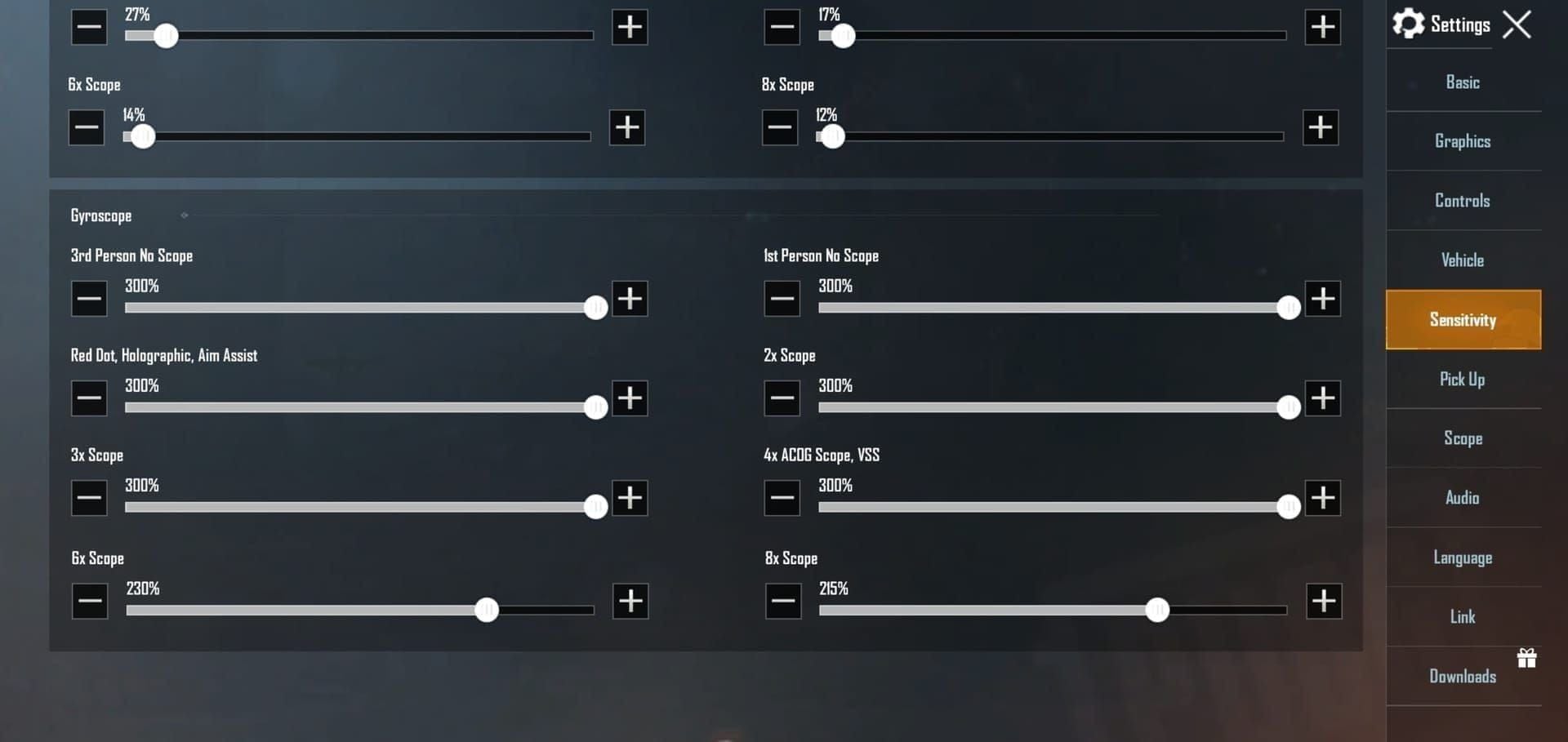
Gyro operates independently from ADS sensitivity sliders. No-scope gyro at 300-400% enables rapid close-quarters adjustments, while 6x gyro at 120-195% provides long-range control. This separation ensures optimal performance across all distances.
Pro players leverage gyro for accuracy during movement and vehicle combat. Real-time response eliminates input lag from touch controls, reducing target acquisition time by 150-200ms in competitive scenarios.
Changes to Sensitivity Mechanics in 3.5 Update
Patch 3.9 introduced decoupled recoil per scope, changing how sensitivity codes function. Previous versions applied uniform patterns, but current mechanics require individualized gyro and ADS for Red Dot (50-70% ADS), 2x (35-60%), 3x (25-50%), 4x (20%), 6x (15-20%), and 8x (12%).
This increased importance of comprehensive codes addressing all scope types. Pre-3.5 configs cause inconsistent sprays when switching magnifications, particularly 3x to 6x transitions.
Tactical Stock's +15% recovery now synergizes better with calibrated gyro, creating compound stability improvements. Recalibrate after each major patch for optimal performance.
Why M416 Dominates Current Meta with Gyro
M416's 2.8 vertical and 3.1 horizontal recoil create predictable patterns gyro sensors consistently counter. With full attachments, achieves 40-45% total recoil reduction before gyro even applies.
Compatibility with all scopes (Red Dot to 8x) makes it versatile across maps. Engage at 50m with Red Dot gyro at 280-400%, then switch to 6x with 120-195% for 200m sprays without changing weapons.
Pro player Jonathan uses M416 gyro with Red Dot at 300% and 3x at 236%. ScoutOP's config of Red Dot ADS at 55-60% with gyro 3x at 60-65% shows alternative approaches while maintaining M416 as primary choice.
Complete M416 Gyroscope Sensitivity Codes for 3.5
Code 7435-8846-3421-0303-0728 provides comprehensive M416 no-recoil gyro optimized for 6x sprays. Sets gyro 6x at 120-195% and ADS 6x at 15-20%. Alternative 7462-2496-3022-3831-210 offers higher gyro for aggressive players.
For recharge PUBG UC global accounts quickly, BitTopup delivers instant top-ups with secure payment processing.
Code 7307-1085-6780-4282-435 enables cloud import for saving configs across devices. Code 7478-5115-3389-3888-855 suits aggressive 4-finger claw players needing higher gyro for rapid transitions.
Device-specific codes: 7182-2143-7949-4840-905 optimizes Android 90-120Hz devices (20-25% higher sensitivity). iOS code 7120-0143-8549-4140-855 accounts for Apple's gyro calibration (5-10% higher). iPad code 7478-5115-3389-3888-854 adjusts for larger screens.
Copy-Paste Sensitivity Codes for All Scopes
Code 7435-8846-3421-0303-0728 configures:
No-scope gyro: 300-400%
Red Dot gyro: 280-400%
2x gyro: 270-350%
3x gyro: 180-260%
4x gyro: 160-200%
6x gyro: 120-195%
8x gyro: 55-70%
Import complete code rather than manual adjustments to maintain tested balance. Code 7275-1794-4178-8556-303 provides 4-finger claw alternative with 15-20% higher no-scope/Red Dot while maintaining identical 6x settings.
Specialized 6x Scope Configuration
6x scope bridges mid-range 3x and long-range 8x. Gyro at 120-195% with ADS at 15-20% enables full 40-round sprays at 150-200m. Requires tilting downward 12-18 degrees during sustained fire.
Test at 50m wall markers—proper settings produce 30-40cm vertical spreads, translating to chest-to-head hits at 150m. Adjust gyro in 5-10% increments if bullets climb above shoulders or drop below waist.
Compensator's 25% vertical reduction synergizes by reducing tilt angle from 18 to 12 degrees. Vertical Grip stabilizes horizontal drift, keeping sprays centered without left-right corrections.
ADS vs Scope Sensitivity Explained
ADS controls touchscreen camera speed when aiming. Scope sensitivity affects magnified optic responsiveness. Gyro operates independently, creating three-layer control. For M416 6x: ADS at 15-20% provides baseline positioning, scope maintains magnification adjustments, gyro at 120-195% handles recoil via device motion.
High ADS (50-70%) with low gyro (80-100%) creates twitchy sprays. Low ADS (15-20%) with moderate gyro (120-195%) produces smooth, controllable patterns for sustained fire.
Pro configs maintain ADS 8-12x lower than gyro for same scope type. This ratio ensures gyro provides primary compensation while ADS handles target acquisition.
Camera Sensitivity Complementary Settings
Camera at 95-100% complements M416 gyro by enabling rapid 180-degree turns without affecting ADS spray control. This separation allows aggressive rotations while maintaining precise aim.
Graphics settings interact via frame rate stability. Smooth graphics with max FPS (90-120Hz) reduce input lag by 15-25ms. Disable shadows, maintain brightness at 125-150% for target visibility during 6x sprays.
Step-by-Step Guide: Inputting Sensitivity Codes
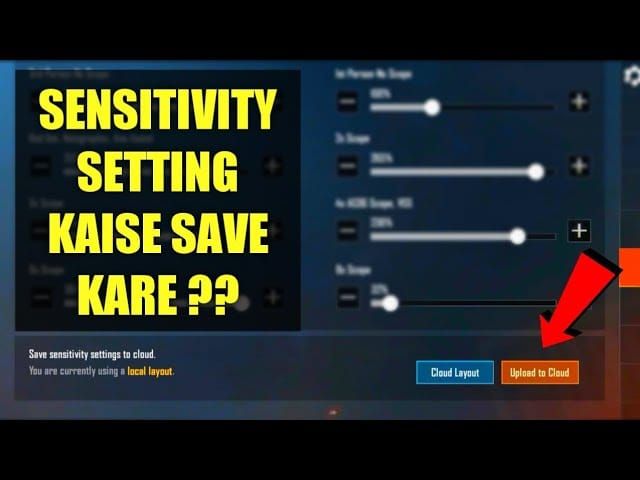
Access Settings > Sensitivity > Cloud. Tap Cloud icon (upper-right), select Enter Code. Input complete code (7435-8846-3421-0303-0728) with hyphens, tap Confirm to apply all scopes simultaneously.
Before testing, calibrate gyro by placing device on flat surface for 5-10 seconds. Access Settings > Basic > Gyroscope > Calibrate to reset baseline readings.
In Training Mode, equip M416 with Compensator, Vertical Grip, Tactical Stock, Extended Quickdraw, 6x scope. Fire 40-round mags at 50m wall markers. Proper codes produce tight vertical spreads with minimal horizontal drift. Adjust gyro 6x in 5-10% increments if needed, retest after 10-15 minutes practice.
Navigating Settings Menu
Tap gear icon (upper-right lobby screen). Select Sensitivity from left menu. Menu organizes into Camera, ADS, Gyroscope, and Scope Sensitivity categories.
Cloud icon (upper-right) enables code import and syncs settings across devices. Create multiple profiles for different playstyles—aggressive close-range, balanced mid-range, precision long-range. Switch profiles before matches based on squad composition.
Understanding Each Slider Function
Gyroscope sliders control motion-based adjustments per scope independently. Gyroscope Always On toggle determines if gyro functions during all aiming or ADS only. Enable Always On for M416 spray control.
ADS sliders affect touchscreen camera speed when scoped. Lower values (15-20% for 6x) reduce thumb movement, letting gyro provide primary compensation. Higher values (50-70% for Red Dot) enable rapid target switching.
Scope sliders modify magnification-specific responsiveness separate from ADS. Lower percentages for high-mag scopes (6x, 8x), higher for low-mag (Red Dot, 2x) prevent over-rotation when tracking targets.
Saving and Testing Configuration
Tap Confirm (lower-right) to save. System applies to all modes. Select Training Mode to validate before ranked matches.
Testing protocol: Start with stationary 50m wall sprays for baseline patterns. Progress to 100m and 150m distances. Introduce moving targets, maintaining full-auto while tracking lateral movement.
Record sessions via screen capture for frame-by-frame analysis. Review for over-compensation (bullets dropping) or under-compensation (excessive climb). Adjust gyro in 5% increments, repeat testing until achieving chest-to-head groupings at 150m.
Creating Multiple Profiles
Cloud management saves up to three configs per account. Create specialized profiles: Assault (higher gyro for pushing), Support (balanced mid-range), Sniper (lower sensitivity for precision).
Name profiles descriptively via Cloud menu. Access by tapping Cloud icon, selecting from dropdown. System applies all values simultaneously.
Sync across devices by logging into same account. Valuable for players using different devices for scrims vs casual matches. Synchronization completes within 3-5 seconds.
Device-Specific Gyroscope Adjustments
iOS requires 5-10% higher gyro than Android due to sensor calibration differences. Code 7120-0143-8549-4140-855 optimizes for Apple's implementation. iPhone users start here, adjust downward if over-compensating.
Android 90-120Hz devices demand 20-25% higher sensitivity than 60Hz screens. Code 7182-2143-7949-4840-905 accounts for increased frame rates. Upgrading from 60Hz to 120Hz requires complete recalibration.
Mid-range devices with less responsive sensors benefit from 10-15% reduction to prevent lag and stuttering. Budget phones exhibit 50-80ms delayed response, requiring lower sensitivity for controllable sprays.
iOS Calibration and Tweaks
iPhone/iPad use CoreMotion framework applying automatic smoothing, creating delayed but stable inputs. Compensate by increasing gyro 5-10% above Android values while maintaining identical ADS settings.
Calibrate iOS by placing face-up on level surface, accessing Settings > Privacy > Motion & Fitness > Reset Calibration Data. System-level reset complements in-game calibration. Perform weekly, especially after iOS updates.
iPad code 7478-5115-3389-3888-854 adjusts for larger screens and different grip angles. Tablets held at 25-35 degrees vs phones' 45-55 degrees require modified gyro. Larger screen enables more precise visual feedback, allowing slightly higher sensitivity.
Android Optimization
Android accesses gyro directly via Sensor API, providing lower latency but less stable inputs. Code 7182-2143-7949-4840-905 optimizes for direct access, particularly on 90-144Hz displays. Samsung, OnePlus, ASUS ROG devices perform best.
Enable Game Mode to prioritize CPU/GPU resources, reducing input lag from 60-80ms to 35-45ms. Disable battery optimization for PUBG Mobile to prevent sensor throttling.
Android gyro drift occurs more frequently. Recalibrate every 2-3 matches via Settings > Basic > Gyroscope > Calibrate. Place device flat for 5 seconds, especially after heating from prolonged gameplay.
iPad and Tablet Considerations
Tablets need unique configs due to 9.7-12.9 inch screens and different grips. Code 7478-5115-3389-3888-854 reduces gyro by 15-20% vs phone settings while increasing ADS by 10-15% for greater thumb travel.
Tablet grip angles (25-35 degrees) vs phones (45-55 degrees) affect vertical tilt required. Shallower angle necessitates higher gyro for equivalent downward motion. Test by measuring actual tilt angles during Training Mode sprays, adjust until achieving 12-15 degree compensation.
iPad Pro 120Hz ProMotion requires highest iOS sensitivity—25-30% above standard iPad. Increased refresh creates smoother response but demands higher sensitivity for equivalent compensation speed. Maintain separate Cloud profiles when switching between standard and Pro iPads.
Budget Phone Limitations
Budget devices (under $300) use lower-quality sensors with 50-100ms lag and reduced precision. Manifests as stuttering sprays and delayed compensation. Reduce gyro by 10-15% to prevent over-compensation from delayed response.
Enable Smooth graphics, lock FPS at 30-40 to maintain consistent gyro polling. Higher graphics on underpowered hardware cause frame drops desynchronizing gyro from visual feedback. Prioritize stable frames over visual quality.
Some budget devices lack gyro entirely, relying on accelerometer-only. These can't achieve true gyro compensation—focus on optimized ADS instead. Check device specs before importing gyro codes.
Mastering M416 6x Sprays: Training Routines
Structured Training Mode practice builds muscle memory over 10-15 minute daily sessions. Begin at 50m wall markers firing full 40-round mags in full-auto while maintaining crosshair on single point. Proper gyro produces 30-40cm vertical spreads with minimal horizontal drift using Compensator and Vertical Grip.
Progress to 100m after consistent 50m groupings. Increased range requires more pronounced tilting (15-18 degrees) for bullet drop and recoil accumulation. Fire 5-10 full mags at 100m, adjust gyro in 5% increments if bullets climb above shoulders or drop below waist.
Introduce moving targets at 100-150m. Maintain full-auto while tracking, letting gyro handle vertical recoil while thumb manages horizontal tracking. Simulates actual combat where enemies strafe during fights.
Wall Spray Pattern Analysis
Wall analysis reveals compensation effectiveness via bullet hole patterns. Optimal M416 6x at 50m produces tight vertical groupings spanning 30-40cm with horizontal spread under 20cm. Bullets cluster in slightly diagonal upward-right pattern, reflecting M416's 2.8 vertical and 3.1 horizontal recoil.
Over-compensation shows downward-curving patterns where later bullets impact below initial aim. Indicates excessive gyro or too much tilting. Reduce gyro 6x by 5-10%, retest.
Under-compensation produces upward-climbing patterns where bullets rise progressively. Requires increased gyro or more aggressive tilting.
Horizontal drift indicates grip issues or missing Vertical Grip. M416's 3.1 horizontal recoil creates rightward drift that Vertical Grip reduces by 30%. If spread exceeds 25cm at 50m, verify Vertical Grip and ensure stable grip without lateral tilting.
Distance Markers: 50m, 100m, 150m, 200m Drills
50m establishes baseline with minimal bullet drop. Fire 10 consecutive full mags, observe consistency. Success produces repeatable groupings where 35-40 of 40 bullets impact within 40cm circle. Indicates proper calibration and muscle memory.
100m introduces significant drop requiring 2-3 degree upward aim adjustment before firing. Maintain same downward tilting (12-15 degrees) while starting with crosshair at target head level. Bullets drop to chest during sustained fire. Practice 5-7 minutes daily until achieving 30+ hits per 40-round mag.
150m represents max effective range for M416 6x full-auto. Beyond this, bullet velocity drop and recoil accumulation reduce hit probability below 60%. Aim 4-5 degrees above head, maintain aggressive compensation (15-18 degrees). Expect 20-25 hits per mag on stationary targets.
200m pushes beyond optimal range but remains viable for suppression. Single-tap or 3-5 round bursts more effective than full-auto. Use 200m drills for burst-fire rhythm and drop compensation rather than sustained spray.
Moving Target Practice
Training Mode's moving targets simulate lateral strafing at 100-150m. Enable automated targets, position perpendicular to movement path. Initiate full-auto when targets enter view, using thumb for horizontal tracking while gyro handles vertical recoil. This separation represents core gyro advantage.
Lead moving targets by 0.5-1m at 100m and 1-2m at 150m for bullet travel time. Maintain continuous fire while adjusting lead based on hit feedback. Proper gyro lets you focus on horizontal tracking without conscious vertical management.
Practice transitioning between multiple targets without releasing fire. Develops spray transfer skills for squad-wipe scenarios. Successful transfers maintain 60%+ accuracy across 2-3 consecutive targets.
Muscle Memory Development
Muscle memory develops through repetitive 10-15 minute daily sessions over 2-3 weeks. Neural pathways strengthen through consistent tilting motions, eventually enabling automatic compensation. This frees mental resources for tactical decisions.
Vary routines between stationary wall sprays, moving targets, and quick-scope drills to prevent scenario-specific memory. Real combat presents unpredictable situations requiring adaptable compensation.
Monitor improvement via metrics: hit percentage per mag, grouping diameter at ranges, spray transfer success rates. Record baseline during initial sessions, reassess weekly. Expect 15-25% accuracy improvements over first two weeks.
Optimal M416 Attachments for Gyro
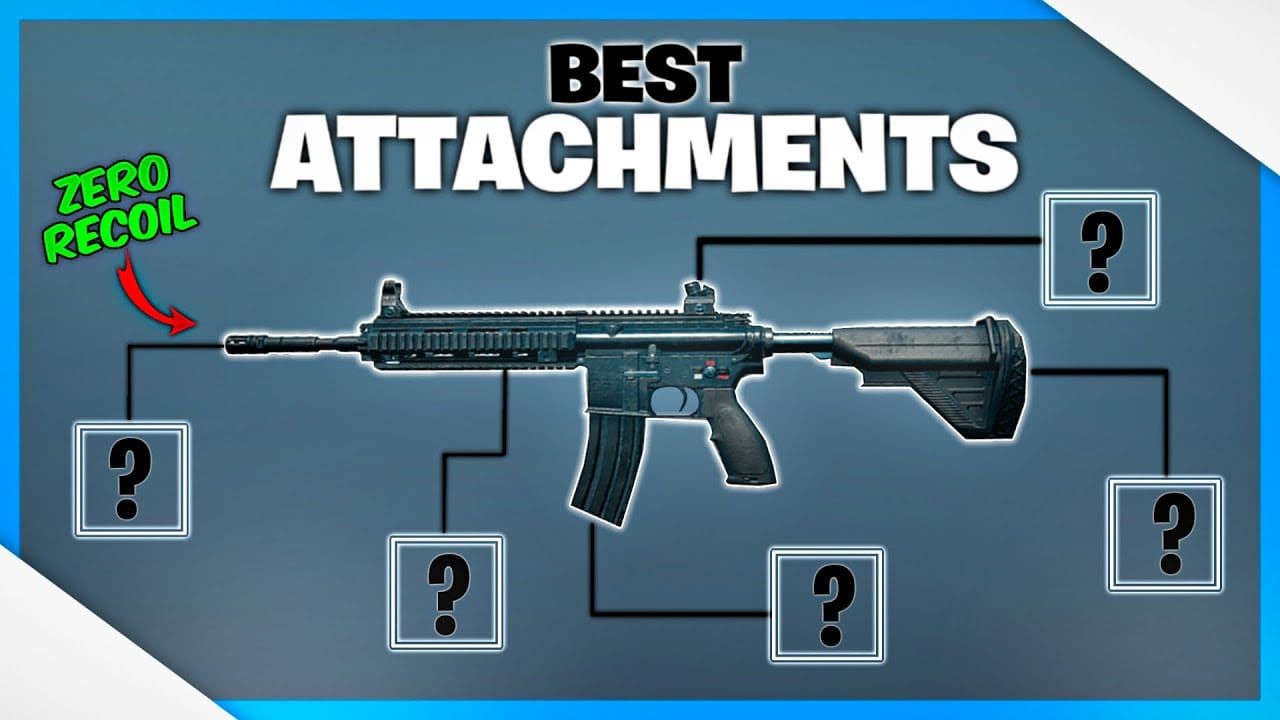
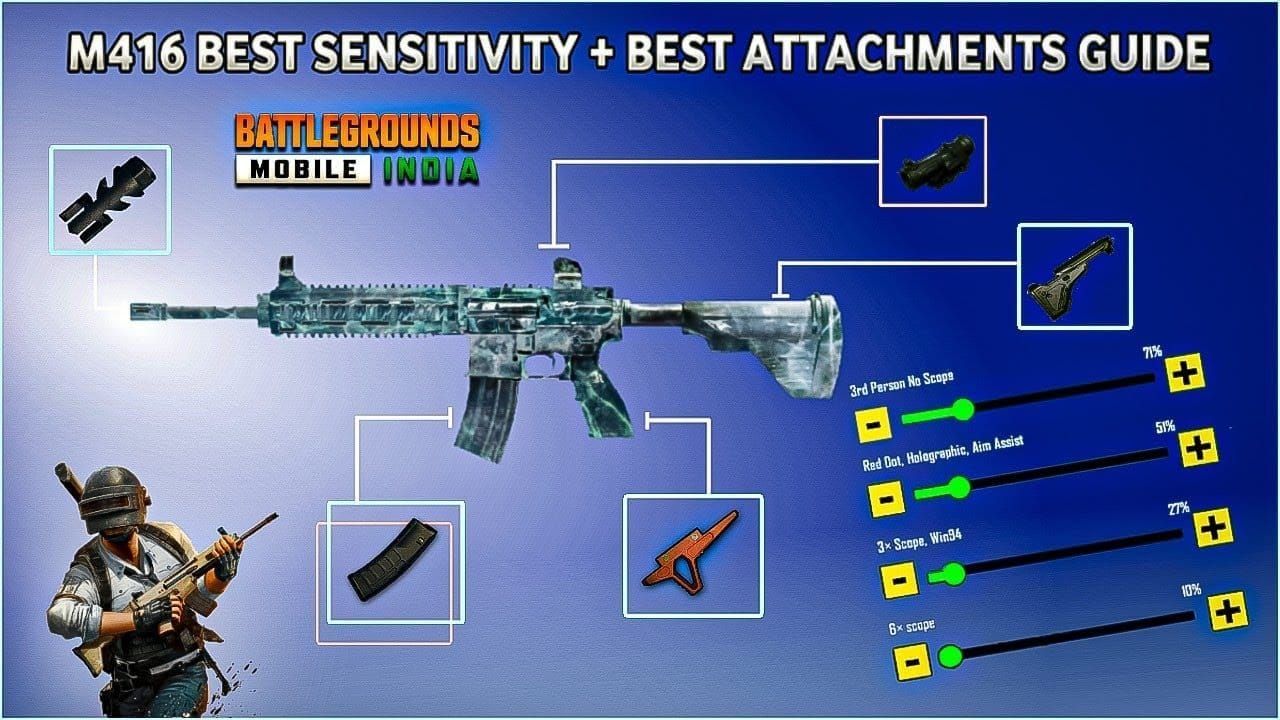
Compensator reduces vertical recoil by 25%, decreasing required gyro tilting from 18 to 12 degrees during 6x sprays. Improves consistency and reduces fatigue. Superior to Suppressor for gyro spray control—recoil reduction outweighs sound concealment.
Vertical Grip minimizes horizontal drift by 30%, keeping sprays centered without left-right corrections. M416's 3.1 horizontal recoil creates rightward drift that Vertical Grip neutralizes. Allows pure vertical gyro focus, simplifying tilting motion.
Tactical Stock provides +15% recoil recovery, -10% shake, +20% stability. Combined effects synergize with gyro by reducing time between shots requiring compensation. Faster recovery means each bullet needs less gyro adjustment. Most impactful attachment for gyro M416 builds.
Compensator vs Suppressor Impact
Compensator's 25% vertical reduction translates to 0.7 points off M416's 2.8 base, lowering effective recoil to 2.1. Decreases required gyro angles from 15-18 to 12-14 degrees, improving consistency and reducing strain. Maintain accurate fire for 40-50 rounds vs 30-35 with Suppressor before fatigue affects accuracy.
Suppressor provides no recoil reduction, adds slight 5% vertical kick increase. Sound concealment valuable for stealth but compromises spray control. Gyro optimized for Compensator requires 10-15% sensitivity increases when switching to Suppressor.
Competitive players prioritize Compensator for final circles where spray control determines outcomes. Suppressor suits early-game rotations and third-party avoidance. Maintain separate gyro profiles for each attachment.
Vertical vs Half Grip for 6x Sprays
Vertical Grip reduces horizontal by 30%—optimal for sustained 6x sprays where maintaining horizontal accuracy over 30-40 rounds proves critical. M416's 3.1 horizontal creates rightward drift that Vertical Grip neutralizes, letting gyro focus purely on vertical compensation.
Half Grip reduces both vertical and horizontal by 15% while improving recovery by 10%. Balanced approach suits burst-fire over full-auto. Faster recovery enables controlled 5-10 round bursts at 150-200m, though sustained spray suffers vs Vertical Grip.
Angled Foregrip prioritizes scope-in speed over recoil reduction, providing minimal spray benefits. Suits aggressive close-range but compromises 6x effectiveness. Players focused on M416 long-range mastery should avoid Angled for Vertical or Half Grip.
Tactical Stock Necessity
Tactical Stock's +15% recovery, -10% shake, +20% stability create compound improvements significantly enhancing gyro spray control. Recovery bonus reduces time between shots from 0.086s to 0.073s, letting gyro reset quicker between bullets. Creates smoother sprays with less accumulated error.
Shake reduction of 10% decreases random deviation occurring independently of recoil patterns. This unpredictable movement can't be gyro-compensated, making its reduction particularly valuable. Lower shake improves hit probability at 150+ meters where minor deviations cause misses.
+20% stability affects how quickly weapon returns to center after each shot, synergizing with recovery improvements. Combined, these reduce total gyro compensation required per mag by 15-20%, enabling longer sustained fire before accuracy degradation. Mandatory attachment for serious M416 6x builds.
Magazine and Sight Choices
Extended Quickdraw provides 40-round capacity and 30% faster reload—both critical for sustained sprays. Additional 10 rounds (vs standard 30) enable longer suppression and increase margin for error during spray transfers. Faster reload reduces vulnerability from 2.9s to 2.0s.
6x scope represents optimal magnification for M416 spray control, balancing zoom with manageable recoil compensation. Higher mags (8x) amplify visual recoil beyond effective gyro capabilities, while lower mags (3x, 4x) underutilize M416's range potential. 6x enables accurate target ID and precise aim at 150-200m while maintaining sprayable patterns.
Red Dot or Holographic serve as backup for close-range when 6x proves too magnified. Quick-switch between 6x and Red Dot (tap scope icon during ADS) enables engagement flexibility. Maintain separate gyro configs—280-400% for Red Dot vs 120-195% for 6x.
Common Mistakes and Troubleshooting
Over-compensation occurs when gyro exceeds optimal values or players tilt too aggressively, causing bullets to impact progressively lower. Manifests as downward-curving sprays where final 10-15 rounds hit below initial aim. Reduce gyro 6x by 5-10%, practice maintaining consistent 12-15 degree tilts rather than increasing tilt as mags deplete.
Under-compensation results from insufficient gyro or inadequate tilting, producing upward-climbing patterns. Bullets rise progressively during sustained fire, with final rounds impacting 50-100cm above initial aim at 50m. Increase gyro 6x by 5-10%, ensure consistent downward tilting throughout entire mags.
Gyro drift causes gradual camera rotation even when device remains stationary, disrupting aim. Occurs due to sensor calibration errors or accumulated motion data. Recalibrate by placing device flat, accessing Settings > Basic > Gyroscope > Calibrate. Perform every 2-3 matches or when drift becomes noticeable.
Over-Compensation: Shots Go Too Low
Over-compensation typically stems from gyro 15-25% higher than optimal. Players accustomed to manual control often over-tilt when transitioning to gyro, creating compound compensation driving bullets downward. Reduce gyro 6x from 195% to 160-170%, practice lighter, controlled tilting.
Device grip pressure affects gyro consistency—excessive tension causes unintentional tilting beyond intended angles. Maintain relaxed grip, focus on wrist-based tilting vs finger pressure. Monitor spray patterns for downward curves indicating excessive compensation.
Over-compensation becomes more pronounced at closer ranges (50-75m) where bullet drop requires minimal compensation. Players calibrated for 150m often over-compensate at shorter distances. Develop range-specific muscle memory by practicing at multiple distance markers, adjusting tilt based on engagement distance.
Under-Compensation and Vertical Recoil
Under-compensation indicates gyro 15-25% below optimal or insufficient tilting. Players new to gyro often hesitate to tilt aggressively enough. Increase gyro 6x from 120% to 145-160%, practice more pronounced tilting (15-18 degrees) during full-mag sprays.
Fatigue-induced under-compensation occurs during extended sessions when arm/wrist muscles tire, reducing tilt consistency. Manifests as sprays starting controlled but climbing progressively as matches continue. Take 5-10 minute breaks every 45-60 minutes. Maintain proper posture and arm positioning.
Missing Compensator creates 25% higher vertical recoil that standard gyro can't fully compensate. Verify attachment loadout before adjusting sensitivity—climbing sprays may indicate missing Compensator rather than inadequate gyro. Prioritize Compensator acquisition in early-game looting.
Gyro Drift and Calibration
Gyro drift manifests as gradual camera rotation (5-15 degrees over 30s) even when device remains stationary. Occurs due to sensor baseline errors accumulating over time, particularly after device heating. Recalibrate every 2-3 matches via Settings > Basic > Gyroscope > Calibrate, placing device flat for 5-10 seconds.
Temperature-induced drift increases as components heat during extended sessions. Gyro sensors exhibit reduced accuracy above 40°C (104°F), with drift rates increasing 200-300% vs room temperature. Enable device cooling via external fans, remove cases trapping heat, or take cooling breaks every 45-60 minutes.
Magnetic interference from nearby electronics, metal surfaces, or magnetic mounts disrupts calibration. Maintain distance from laptops, wireless chargers, metal furniture. Test for interference by calibrating in different locations—persistent drift regardless of calibration indicates hardware issues.
Sensitivity Feels Different in Matches vs Training
Performance anxiety and elevated heart rate during matches affect fine motor control, making gyro feel less precise than Training Mode. Adrenaline-induced tension reduces tilt smoothness. Practice breathing techniques and pre-match warm-ups to maintain physiological consistency.
Network latency in matches introduces 30-80ms delays between gyro input and visual feedback that Training Mode's offline environment doesn't replicate. This lag creates perceived sensitivity differences where compensation feels delayed. Test settings in custom rooms or Arena replicating online latency before ranked gameplay.
Environmental factors in matches—moving vehicles, uneven terrain, stance changes—affect device grip angles and gyro baseline readings. Training Mode's controlled environment doesn't prepare for these variables. Practice spray control while moving, from vehicles, in various stances to develop adaptable muscle memory.
Advanced Techniques: Situational Adjustments
Close-range hip fire gyro at 300-400% enables rapid target acquisition during building assaults. High sensitivity allows quick 180-degree turns and vertical adjustments when enemies appear at unexpected angles. Maintain separate no-scope gyro 3-4x higher than 6x settings.
Mid-range 3x and 4x transitions require intermediate gyro (180-260% for 3x, 160-200% for 4x) bridging close and long-range configs. These mags handle 75-125m engagements where full-auto spray remains viable but requires more compensation than Red Dot. Practice smooth transitions by quick-switching during Training Mode drills.
Vehicle combat introduces unique gyro challenges due to constant motion and unstable positioning. Reduce gyro by 20-30% when engaging from vehicles to compensate for vibration and movement-induced baseline shifts. Practice vehicle shooting in Training Mode's driving range.
Close-Range Hip Fire Settings
Hip fire gyro at 300-400% enables aggressive building clearing where ADS time proves prohibitive. High sensitivity allows rapid vertical/horizontal adjustments when enemies appear suddenly at 5-15m. Combine with high camera sensitivity (95-100%) for maximum responsiveness.
Extreme sensitivity difference between hip fire (300-400%) and 6x (120-195%) requires mental compartmentalization—treat as entirely separate control schemes. Practice switching between extremes during drills alternating between close-range assaults and long-range wall sprays.
Hip fire gyro proves particularly effective with laser sight attachments improving hip fire accuracy. Gyro handles rapid acquisition while laser reduces spread, creating viable hip fire at 10-20m. Enables aggressive pushing without ADS delays creating vulnerability.
Mid-Range 3x and 4x Transitions
3x gyro at 180-260% handles 75-125m engagements representing most common combat ranges. Provides sufficient zoom for target ID while maintaining manageable recoil for full-auto. Pro Jonathan uses 3x gyro at 236%, demonstrating mid-range effectiveness for competitive play.
4x gyro at 160-200% extends effective spray to 100-150m while requiring more aggressive compensation than 3x. Increased magnification amplifies visual recoil, demanding smoother, controlled tilting. Practice 4x sprays at 100m Training Mode markers before attempting in matches.
Quick-switching between 3x and 6x during engagements enables range adaptability without weapon changes. Tap scope icon during ADS to cycle between equipped optics, automatically applying corresponding gyro values. Valuable when enemies push or retreat during fights.
Long-Range 6x and 8x Control
6x represents max practical magnification for M416 full-auto, with gyro at 120-195% enabling controlled fire at 150-200m. Beyond this, bullet velocity drop and recoil accumulation reduce hit probability below 50% for full-auto. Transition to burst-fire or single-tap at 200+ meters.
8x gyro at 55-70% suits precision single-tap rather than spray control. Extreme magnification amplifies even minor recoil, making sustained full-auto impractical regardless of gyro. Use 8x for DMR and snipers rather than ARs, reserving M416 8x for stationary target single-taps at 250+ meters.
Bullet drop compensation becomes critical at long ranges—aim 4-6 degrees above target head for 6x at 150-200m. Gyro handles horizontal recoil while initial aim adjustment addresses drop. This separation simplifies long-range execution vs manual control requiring simultaneous vertical/horizontal adjustments.
Vehicle Combat and Stabilization
Vehicle combat requires 20-30% reduced gyro to compensate for constant motion and vibration disrupting baseline readings. Vehicle movement creates false gyro inputs compounding with intentional compensation, causing erratic sprays. Reduce 6x gyro from 120-195% to 85-135% when engaging from vehicles.
Passenger seat shooting provides more stable gyro than driver seat due to reduced control input requirements. Passengers focus entirely on aim and compensation while drivers divide attention between navigation and combat. Coordinate with squad to assign dedicated shooters to passenger seats.
Practice vehicle combat in Training Mode's driving range by circling stationary targets while maintaining fire. Develops muscle memory for compensating both vehicle motion and weapon recoil simultaneously. Expect 40-50% lower accuracy from vehicles vs stationary—serves primarily for suppression and emergency engagements.
Pro Player Settings Analysis
Pro Jonathan utilizes ADS gyro Red Dot at 300% and 3x at 236%, demonstrating preference for aggressive mid-range combat. These values enable rapid acquisition and spray transfers during tournaments where engagement distances average 75-125m. Prioritizes versatility over specialized long-range performance.
ScoutOP employs ADS Red Dot at 55-60% with gyro 3x at 60-65%, representing lower-sensitivity approach emphasizing precision over speed. Suits players with exceptional crosshair placement minimizing required adjustments. Demonstrates multiple viable approaches within professional play.
Analyzing pro settings reveals common patterns: most maintain gyro 4-6x higher than corresponding ADS for same scope type. This ratio ensures gyro provides primary compensation while ADS handles gross acquisition. Replicate this ratio when adapting pro settings rather than copying absolute values directly.
Sensitivity Ranges Used by Top Players
Pros typically use gyro 6x between 120-180%, clustering around 145-160% as most common. This moderate band balances compensation effectiveness with controllability, avoiding over-compensation issues plaguing higher settings. ADS 6x among pros ranges 15-25%, with 18-20% representing median.
Red Dot gyro among pros spans 250-400%, with aggressive fraggers preferring 350-400% for maximum responsiveness. Support players and snipers often use 250-300% Red Dot, prioritizing precision over speed. This 150-point range demonstrates significant individual variation based on role specialization.
Camera sensitivity among pros universally remains high (90-100%) to enable rapid rotations and building scans between engagements. This consistency indicates camera optimization provides universal benefits regardless of playstyle. Adopt high camera even when using lower ADS and gyro for scoped combat.
Adapting Pro Settings to Your Playstyle
Begin by importing pro codes and testing in Training Mode for 10-15 minutes. Observe whether sprays climb (insufficient compensation) or drop (over-compensation). Adjust gyro in 5-10% increments from pro baseline until achieving consistent patterns at 50-100m.
Consider engagement range preferences when selecting pro settings. Players favoring aggressive close-range should examine fraggers like Jonathan (higher Red Dot and 3x), while those preferring long-range should study sniper-focused configs with lower 6x and 8x. Match pro role specialization to personal playstyle.
Account for device differences—pros often use flagship devices with superior gyro sensors and high-refresh displays. Budget/mid-range users should reduce pro sensitivity by 10-15% to compensate for inferior hardware responsiveness. Test adapted settings across multiple matches before committing to ranked.