Task scams on Poppo Live exploit users through fake earning opportunities demanding forced top-ups before withdrawal. Scammers pose as agencies requiring training fees of $20-50 and additional recharges before releasing earnings, despite the platform's legitimate $10 minimum withdrawal threshold. Critical red flags: unsolicited task offers, 30%+ coin discounts (80% fraudulent), withdrawal blocks citing verification needs, and pressure for quick transactions. Official Poppo Live features never require upfront payments or external contact additions.
Understanding Poppo Live Task Scams: The 2026 Landscape
Task scams involve fraudsters impersonating agencies or recruiters, promising easy earnings through simple tasks like watching streams or sending gifts. The core deception: accumulated earnings become inaccessible at withdrawal, triggering forced top-up demands for funds that never existed.
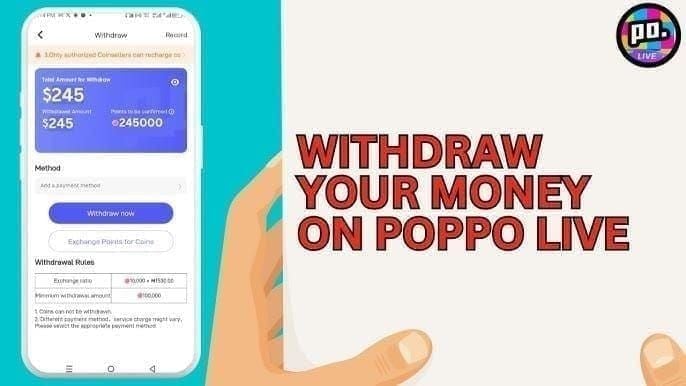
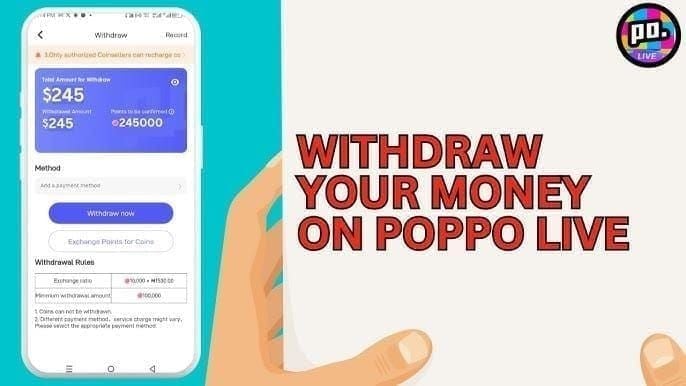
The platform's legitimate economy: 10,000 points = $1 USD, minimum withdrawal 100,000 points ($10 USD). Hosts retain 70% of gifted coins (10,000 coins = 7,000 points). These transparent mechanics contrast sharply with scam operations fabricating complex requirements.
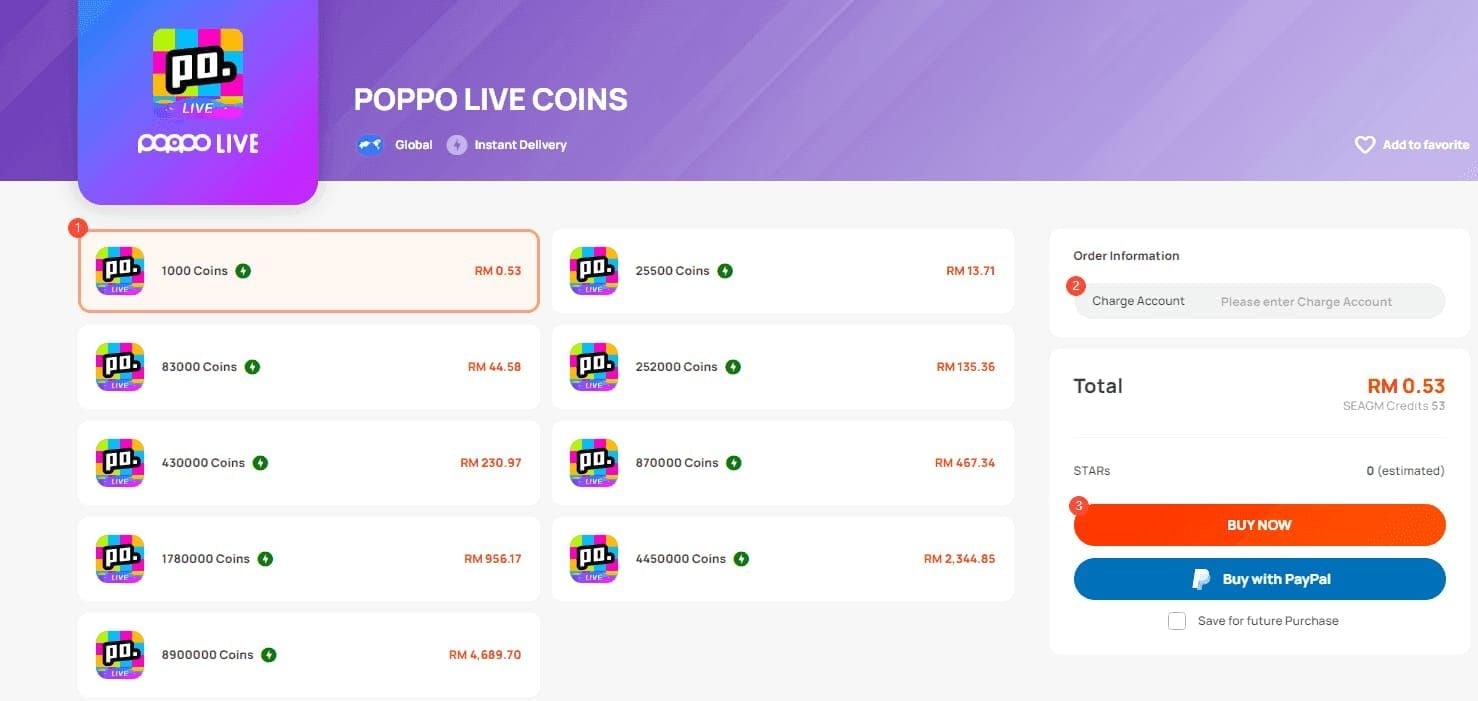
For legitimate coin purchases without scam risks, Poppo Live coins top up through BitTopup provides secure transactions with transparent pricing and instant delivery.
What Defines a Task Scam
Fraudulent operations begin with unsolicited contact via private messages, comments, or external social media. Scammers present as agency representatives offering paid tasks with minimal effort, targeting users seeking income or new to the platform.
The scam pattern:
Initial small payments to establish trust
Gradual task complexity increase
Accumulated earnings in fake dashboards
Withdrawal blocks requiring verification deposits or account activation fees ($20-50 initially, escalating with compliance)
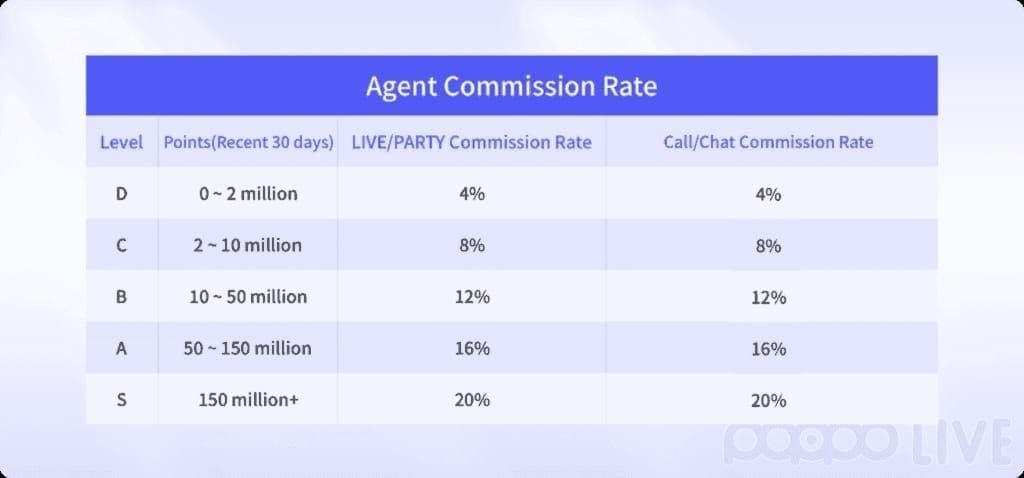
Legitimate Poppo Live earning never requires upfront payments. Official agency system demands performance metrics—10+ active hosts, 1 hour daily broadcasts, 10 hours weekly—but never monetary deposits. Commission structures: C Tier (2-10 million monthly points, 8% Live commission) to S Tier (150 million+ monthly points, 20% Live/Party commission, 50% Match/1v1 commission).
Evolution of Scam Tactics in 2026
Scam methodologies have grown sophisticated, exploiting legitimate verification requirements. Scammers falsely claim Level 5 face verification (required for 18+ users) necessitates financial deposits. Actual verification requires only government ID (valid 6+ months) and address proof (under 90 days), with 3-5 business day approval—no payments.
Discount-based scams proliferate: fraudsters offer coin packages 30%+ below official rates. 80% of heavily discounted offers are fraudulent, often causing Error 1006 or Error 1001. Official pricing: 430,000 coins at $50 USD. Scam offers advertise 458,000 coins for $50, creating artificial urgency through limited-time promotions.
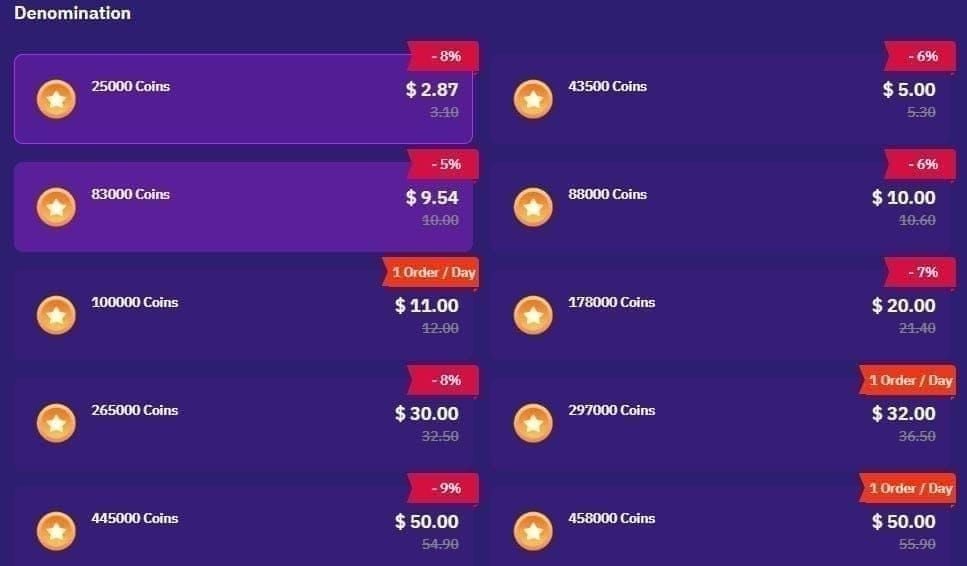
Cryptocurrency payment demands represent another 2026 evolution. Scammers request USDT TRC20 transfers, exploiting the platform's actual use of this method (15 minutes processing, 1-3% fees, $1-5 flat charges) to appear credible. Legitimate transactions occur through official channels, not private wallet addresses.
Why Task Scams Target Poppo Live Users
The platform's global reach attracts users across varying economic contexts, many seeking legitimate earning opportunities. Real commission potential provides scammers with credible cover stories.
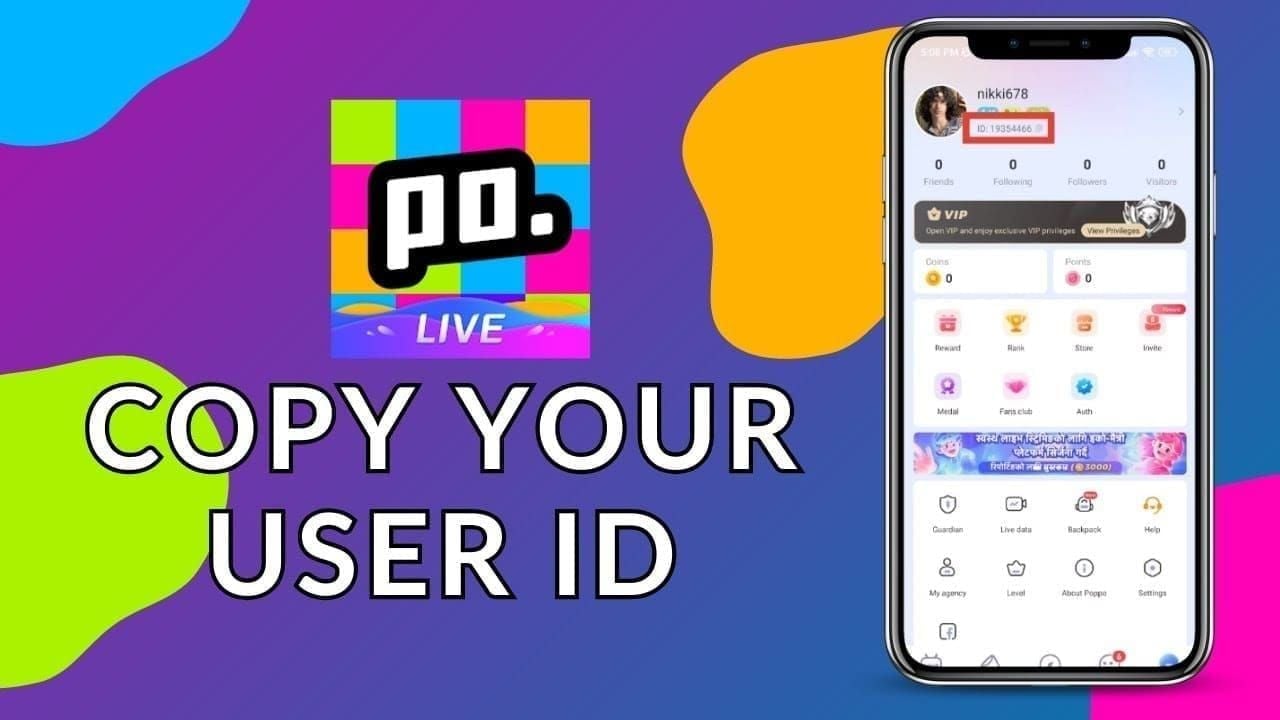
User ID structures (7-10 digits numeric, e.g., 63101690) allow convincing fake profiles. Social features enable direct messaging, which scammers weaponize for initial contact. New users unfamiliar with official procedures become particularly vulnerable.
The withdrawal system's legitimate complexity—weekly deadlines (Sunday 23:59 UTC+8), multiple payment methods (USDT TRC20, bank transfers with 3-7 business days processing), varying fee structures (2-4% fees, $5-15 fixed for bank transfers)—provides scammers with technical jargon to confuse victims.
The Forced Top-Up Scam Mechanism
Initial Contact
Scammers initiate contact via direct messages, broadcast comments, or external group invitations. Initial pitch: Earn $50-100 daily by completing simple tasks or Join our agency for guaranteed income as a viewer, no broadcasting required.
They target users who engage with content but haven't established hosting profiles. Urgency tactics: Only 5 positions available this week or Limited recruitment period ending soon.
Credibility through fabricated evidence: screenshots of supposed earnings, fake testimonials, professional-looking agency materials. They reference legitimate features like agency tier systems, blending factual information with fraudulent claims.
The Fake Task Assignment Process
Initial training tasks appear simple: watch specific streams, send small gifts using provided coins, engage through likes and comments. These may actually be completed on-platform, creating legitimacy illusion.
Scammers provide small initial payments ($5-10) through legitimate methods as psychological hooks. They explain larger earnings require more substantial tasks, gradually increasing complexity.
A tracking system (spreadsheet, external dashboard, messaging app interface) shows accumulated earnings—entirely fabricated. Users see balances of $50, $100+, believing they've earned substantial amounts.
The Withdrawal Block Trap
When victims attempt withdrawal, scammers introduce barriers: Your account requires Level 5 verification before withdrawal (real requirement, but not requiring payment), The system needs a security deposit to process large withdrawals, or You must complete minimum transaction volume before accessing funds.
Fabricated requirements always demand immediate payment, typically matching or exceeding supposed earnings. Urgency through time limits: Complete verification within 24 hours or forfeit earnings.
Scammers provide detailed payment instructions, often directing victims to purchase coins through unofficial channels with suspicious discounts. They request screenshots of purchase confirmations, gathering information for further exploitation.
Escalating Top-Up Demands
After initial forced payment, scammers introduce additional requirements: The system flagged your account for unusual activity—additional verification deposit required or Tax withholding must be paid before international transfer.
Amounts escalate strategically. A user who paid $50 initially might face $100 second demand, then $200. Scammers exploit sunk cost fallacy—victims continue paying because they've already invested significantly.
Eventually, scammers disappear, block the victim, or maintain the charade indefinitely while extracting periodic payments. Promised earnings never materialize because they never existed.
Critical Red Flags
Unsolicited Task Offers Through Private Messages
Legitimate agencies don't recruit through unsolicited private messages. Official partnerships require formal applications, performance history review, and mutual agreement.
Scammers use newly created accounts with minimal platform history, generic profile pictures, or usernames incorporating Agency, Official, or Recruiter. Check account creation date, broadcast history, and follower authenticity.
Communication style: excessive enthusiasm, multiple emojis, immediate pressure to respond. Phrases like You've been selected, Exclusive opportunity, or Act now before positions fill create artificial urgency.
Promises of Unrealistic Earnings
Platform's actual earning potential requires significant effort, audience building, and consistent content creation. Claims of earning $50-100 daily through passive task completion contradict economic reality.
Scammers cite specific numbers: Our top task completers earn $3,000 monthly or Average earnings of $75 per day with just 2 hours of work. These lack verifiable evidence.
Even S Tier agencies (requiring 150 million+ monthly points) earn through percentage-based commissions on host performance, not task completion by non-broadcasting members.
Requests to Add External Contacts
Legitimate platform activities occur entirely within the Poppo Live app. Requests to continue conversations on external messaging apps, join private social media groups, or add personal contacts indicate scam operations avoiding platform monitoring.
Justification for external communication: easier coordination, faster response times, or access to exclusive training materials. Legitimate agencies manage all coordination through official channels.
Pressure to Complete Tasks Quickly
Scammers create artificial time pressure: This offer expires in 2 hours, Only 3 positions remaining, or Complete registration today to secure your spot.
Legitimate opportunities allow time for research, questions, and consideration. Official agency partnerships involve detailed discussions of expectations, performance requirements, and commission structures.
Pressure intensifies when users express hesitation: I'm trying to help you earn money and you're wasting this opportunity or Other people are ready to take your position if you're not interested.
Upfront Payment Requirements
No legitimate earning opportunity on Poppo Live requires upfront payment. Official agency system, host programs, and viewer engagement features are free to join.
Scammers justify payments: Training materials cost $30, We need $50 deposit to ensure serious applicants, or Platform verification requires $20 processing fee.
Legitimate verification requires only document submission (government ID and address proof) with no costs.
For legitimate coin purchases, buy Poppo coins recharge online through BitTopup ensures transparent pricing, secure transactions, and immediate delivery without hidden requirements.
Vague Task Descriptions
Legitimate work arrangements specify clear expectations, deliverables, and employer identity. Scam operations maintain vagueness: simple online tasks, engagement activities, or platform promotion work.
When pressed for details, scammers provide circular explanations: Full details are provided in training materials, You'll receive your task list after registration.
Employer identity remains deliberately obscure. Scammers claim affiliation with Poppo Live Official or Platform Partner Agency without verifiable registration or online presence.
Real Task Scam Scenarios (2026 Examples)
The Fake Agency Recruitment Scam
User receives direct message from Top-Tier Poppo Live Agency seeking members. Message highlights: Our hosts average $2,000 monthly earnings and We provide full support and guaranteed minimum income. Recruiter needs engagement specialists who watch streams and send gifts.
Recruiter requests $30 training fee for proprietary strategies. After payment, victim receives generic information available freely. Recruiter assigns tasks: watch specific streams for 30 minutes, send gifts worth 10,000 coins, recruit two members. Victim completes using personal coins.
When claiming promised $50 payment, recruiter introduces withdrawal requirement: Your account needs Level 5 verification and minimum transaction history of $100 in coin purchases to process agency payments. Victim directed to purchase additional coins through suspicious discount link. After purchase, recruiter becomes unresponsive.
The Earnings Accumulation Withdrawal Block
User encounters Poppo Live Task Platform through external social media. Professional dashboard tracks completed tasks and accumulated earnings. Initial tasks: like broadcasts, follow users, watch streams. Dashboard credits small amounts—$2, $5, $8—per task.
After several days, dashboard shows $87 in earnings. Withdrawal attempt displays error: Minimum withdrawal amount is $100. Complete additional tasks or make qualifying deposit to reach threshold. User completes more tasks, reaching $103. Next withdrawal triggers: Account verification required. Deposit $50 to confirm account ownership and unlock withdrawal function.
User makes $50 deposit. System then requires tax withholding of 15% ($15.45). After payment, new requirement: International transfer fee of $25 must be paid by recipient. Each compliance triggers additional demands.
The Account Verification Top-Up Fraud
User receives message claiming to be from Poppo Live Security Team stating account selected for verification upgrade to prevent future restrictions. Message explains Level 5 verification benefits: extended coin expiration (12 months vs. 3 months), higher withdrawal limits, priority support. These benefits are partially accurate, making message appear credible.
Scammer instructs user to complete verification by submitting identification documents and making verification deposit of $40 to confirm financial account linkage. Instructions match legitimate verification process (government ID valid 6+ months, address proof under 90 days) but add fraudulent payment requirement.
After user submits documents and payment, scammer claims processing takes 3-5 business days (matching actual timelines). During this period, scammer may request additional information or payments for expedited processing. Eventually, scammer disappears or informs user verification was denied due to incomplete information while refusing refund.
The VIP Upgrade Requirement Scheme
User receives offer for VIP Task Access promising higher-paying opportunities. Scammer explains standard tasks pay $2-5, but VIP tasks pay $20-50. Upgrade requires $60 membership fee for lifetime access to premium earning opportunities.
After payment, user receives access to private group where VIP tasks are posted. Tasks involve purchasing coin packages and gifting to specified users, with promises of receiving coin value plus 20% commission. Example: purchase 70,000 coins (official price $9.99) and gift to designated host, with promised payment of $12.
User completes several tasks, spending $50 on coin purchases expecting $60 returns. When requesting payment, scammer introduces withdrawal threshold of $100 in completed tasks, requiring additional coin purchases. Pattern continues, with user funding scammer's designated accounts while promised payments never materialize.
Official Poppo Live Features vs. Fake Task Systems
Legitimate Ways to Earn
Primary earning mechanism: content creation and audience engagement. Hosts broadcast live content, receive virtual gifts from viewers, convert to withdrawable earnings. Conversion: 10,000 coins gifted yield 7,000 points to host (70% retention), 10,000 points = $1 USD.
Agency partnerships: agencies recruit and support multiple hosts, earning commission percentages based on collective performance. Tier system: C Tier (2-10 million monthly points) earns 8% commission on Live broadcasts; S Tier (150 million+ monthly points) earns 20% on Live/Party, 50% on Match/1v1.
Platform features legitimate engagement activities like lucky number game (picks 1-30) and interactive features during broadcasts. These are entertainment-focused, occur within app, never require external payments or promise guaranteed earnings.
How Official Tasks Actually Work
Platform doesn't operate formal task system as promoted by scammers. Official activities and challenges are announced through in-app notifications, official social media, and platform updates—publicly visible to all users, not distributed through private messages.
When platform hosts promotional activities, participation requirements are clearly stated, accessible to all eligible users, never require upfront payments. Rewards distributed automatically through app system based on verifiable activity completion.
Official communications use verified channels, maintain professional language, provide clear contact information. Actual customer support responds to user-initiated inquiries through official help systems, never initiating unsolicited contact to demand payments.
Authorized Coin Purchase Methods
Platform supports coin purchases through official in-app payment systems with transparent pricing. Standard packages: 7,000 coins for $0.99, 70,000 coins for $9.99, 210,000 coins for $29.99, 430,000 coins for $50 USD.
Payment processing occurs through established, secure methods integrated into app. Users complete transactions without leaving platform or providing payment information to individual users. Purchase confirmation immediate, coins appear in account within seconds.
Official pricing never includes extreme discounts (30%+ off). While legitimate promotions may offer modest bonuses, these are announced publicly and available to all users. 80% fraud rate associated with 30%+ discount offers.
BitTopup provides authorized alternative for coin purchases, offering competitive pricing, secure transactions, and instant delivery. Transparent pricing structure, excellent customer service, and high user ratings establish it as trustworthy option.
Recognizing Official Communication Channels
Official communications originate from verified accounts with established histories and public visibility. These display verification badges, maintain consistent branding, have substantial follower bases with authentic engagement.
Official customer support operates through documented contact methods: in-app help systems, verified email addresses, official social media accounts. Support interactions follow standard protocols, never requesting sensitive information through insecure channels or demanding payments.
Official policy updates, feature announcements, and promotional activities documented in publicly accessible resources. Verify information by checking official help documentation, community forums with platform moderator presence, verified social media accounts.
Immediate Actions If You Encounter a Task Scam
Don't Send Money Under Pressure
Most critical action: refuse payments when encountering red flags, regardless of pressure tactics. Scammers create urgency and fear: Your account will be permanently restricted if you don't complete verification within 24 hours.
These threats are fabricated. Legitimate account restrictions occur only for actual policy violations (harassment, inappropriate content, fraudulent activity) and are communicated through official channels.
If already engaged with suspected scammer, immediately cease all communication and financial transactions. Don't attempt to recover previous payments by complying with additional demands.
Document All Communication
Before blocking or reporting, preserve evidence. Screenshot all messages, payment requests, fake dashboards, materials provided. Document usernames, account IDs, external contact information, websites or payment addresses used.
This documentation supports reports to platform security, provides evidence for financial dispute processes, contributes to community awareness. Detailed records enable security teams to identify patterns, track scammer networks, implement protective measures.
Note specific details: initial contact method, promised opportunities, requested payments, information about supposed agency affiliations.
Block and Report Suspicious Accounts
Use platform's built-in reporting mechanisms for fraudulent activity. Provide all documented evidence and detailed descriptions. Comprehensive reports enable security teams to take swift action.
Block scammer's account to prevent further contact attempts. Scammers often persist with additional pressure tactics, threats, or manipulation attempts after initial refusal.
If scam involved external platforms, report fraudulent activity to those platforms as well. Cross-platform scam operations use multiple services to appear legitimate and avoid detection.
Contact Official Support Immediately
Report scam attempt to official platform support through verified channels. Provide comprehensive information: documented evidence, scammer account details, description of fraudulent operation.
If you've shared account credentials or personal information, inform official support immediately. Support team can help secure account, implement additional verification measures, monitor for unauthorized access attempts.
Official support can clarify legitimate platform policies and features, helping you understand which aspects of scammer's claims were based on actual platform operations versus fabrications.
Comprehensive Prevention Strategies
Account Security Settings
Implement two-factor authentication: Settings → Account Security → Enable Two-Factor Authentication. This additional verification layer prevents unauthorized access even if login credentials are compromised.
Regularly update password using strong, unique combinations not reused across platforms. Navigate to Settings → Account Security → Change Password. Strong passwords combine uppercase and lowercase letters, numbers, special characters.
Review connected accounts and authorized applications regularly, revoking access for unfamiliar or unused services. Maintain awareness of all authorized connections.
Privacy Controls
Adjust privacy settings to restrict who can send direct messages, view profile information, interact with account. Navigate to privacy settings and configure message permissions, profile visibility, interaction controls.
Be cautious about information shared in public profile, broadcast descriptions, community interactions. Avoid sharing financial situations, earning goals, or personal circumstances scammers might exploit.
Regularly review follower list and interaction history, blocking suspicious accounts: newly created profiles, generic usernames, minimal platform activity, patterns of following many users without reciprocal engagement.
Education on Social Engineering Tactics
Common techniques:
Authority exploitation: Scammers impersonate platform officials, agency representatives. Verify authority claims through official channels.
Scarcity creation: Artificial limitations (only 5 positions available) trigger fear of missing opportunities. Legitimate opportunities allow time for consideration.
Social proof fabrication: Fake testimonials, forged screenshots, manufactured success stories. Verify claims through independent research.
Reciprocity manipulation: Small initial payments create psychological obligation to reciprocate. Unsolicited benefits often serve manipulative purposes.
Commitment escalation: Gradual increase in requests exploits consistency principle. Initial agreement doesn't obligate continued compliance.
Regular Security Audits
Conduct monthly reviews of account activity: transaction history, coin balance changes, gift sending/receiving patterns, unfamiliar actions. Unexplained activity may indicate account compromise.
Monitor registered email and phone for unusual login notifications, password reset requests, security alerts. Respond immediately to legitimate security alerts from official channels.
Review agency affiliation status regularly. If not intentionally part of agency, account should show no agency connection. Navigate to Settings → Join Agency to verify status. If unauthorized enrollment found, leave immediately (Settings → Join Agency → Leave Agency) and change password.
Stay informed about current scam tactics through official platform announcements, community forums, trusted security resources. Share knowledge with fellow community members.
Recovery Steps for Scam Victims
If You've Already Sent Money
Immediately cease all communication with scammer. Don't comply with additional payment requests. Scammers intensify pressure after initial success, claiming just one more payment will resolve issues.
Document all transactions: dates, amounts, payment methods, transaction IDs or confirmation numbers. Essential for dispute processes with financial institutions and reports to platform security.
If payments made through credit cards or payment platforms with buyer protection, initiate dispute processes immediately. 70% chargeback success rates for documented fraud cases, though processing takes 60-90 days. Chargebacks may trigger account restrictions (24-48 hours suspension, potentially 14 days for permanent ban risk).
Contact financial institution to report fraud and explore recovery options. Banks and payment processors have dedicated fraud departments. Time-sensitive action improves recovery likelihood.
Reporting to Official Channels
File comprehensive report with official platform support, providing all documented evidence. Include scammer account information, communication records, payment details, clear narrative of scam progression.
Request account security review and assistance implementing additional protective measures. If you shared account credentials or personal information, official support can help secure account, monitor for unauthorized access, guide through credential updates.
Inquire about platform-level protections or recovery assistance available to scam victims. Platforms typically don't provide financial reimbursement for user-to-user scams, but may offer account restoration services, security consultations, or other support measures.
Financial Institution Dispute Procedures
Contact bank, credit card company, or payment service provider to initiate fraud disputes. Provide comprehensive documentation: transaction records, communication evidence, detailed explanation of fraudulent operation.
Follow institution's specific dispute process: completing fraud report forms, providing supporting evidence, potentially submitting written statements. Response timelines vary, but most processes conclude within 60-90 days.
Be prepared for possibility disputes may not succeed, particularly if you voluntarily authorized payments (even under false pretenses). However, comprehensive documentation of fraud and clear evidence of deceptive practices improve success rates.
Protecting Your Account After Compromise
If you shared account credentials, immediately change password: Settings → Account Security → Change Password. Use strong, unique password not used on other platforms.
Enable two-factor authentication if not already active. Navigate to Settings → Account Security to implement, following platform's verification process.
Review all account settings, connected applications, authorized devices, revoking access for anything unfamiliar or unnecessary. Scammers may have modified settings, linked external applications, or authorized additional devices.
Monitor account activity closely for several weeks, watching for unauthorized actions, unusual transactions, suspicious activity. Set up available account alerts or notifications for immediate warnings of login attempts, password changes, significant account modifications.
Community Awareness
Sharing Scam Warnings
When encountering scam attempts, share information with community through appropriate channels: trusted forums, social media groups focused on platform discussion, direct communication with friends or connections who might be targeted.
Frame warnings constructively, focusing on education rather than shame. Creating supportive community environments where scam discussion is normalized encourages more users to share information and seek assistance.
Verify information before sharing to avoid spreading misinformation or false accusations. Ensure accounts you identify as scammers have actually engaged in fraudulent behavior.
Educating New Users
New platform users represent particularly vulnerable targets due to unfamiliarity with legitimate features. Experienced community members can provide valuable mentorship, explaining how platform actually works and highlighting common scam tactics.
Create or contribute to educational resources: beginner guides, FAQ documents, video tutorials, community posts explaining legitimate earning methods and warning about common scams.
Respond to questions in community spaces with accurate, helpful information addressing both specific query and broader context.
Building a Safer Environment
Collective security requires ongoing community engagement and cooperation with platform security efforts. Report suspicious accounts and fraudulent activity promptly.
Support platform security initiatives and policy updates designed to enhance user protection. While some security measures may create minor inconveniences, these protections significantly reduce scam success rates.
Foster community culture that values security awareness, mutual support, and information sharing. Communities where users actively discuss security concerns, share scam warnings, and support victims create environments where scammers struggle to operate successfully.
FAQ
What is a task scam on Poppo Live? A fraudulent scheme where scammers pose as agencies promising earnings for completing simple tasks. The scam involves accumulating fake earnings that become inaccessible at withdrawal, triggering forced top-up demands ranging from $20-50 initially and escalating with compliance. These operations exploit legitimate features while inserting fabricated payment requirements.
How do scammers force users to top-up before withdrawal? Scammers create artificial withdrawal barriers after victims accumulate supposed earnings. They claim Level 5 verification requires payment deposits, minimum transaction volumes must be met through coin purchases, or security deposits are necessary. Each compliance triggers new requirements rather than releasing funds. Actual withdrawal requires only 100,000 points ($10 USD) minimum and legitimate verification through document submission—never upfront payments.
What are warning signs of fake task offers? Unsolicited contact through private messages, promises of earning $50-100 daily through minimal effort, requests to add external contacts or join groups outside app, pressure to act quickly without verification time, any upfront payment requirements, and vague task descriptions without clear employer identity. Coin discount offers exceeding 30% off official prices are 80% fraudulent, often resulting in Error 1006 or Error 1001.
Can I get my money back after a task scam? Recovery options depend on payment methods. Credit card and payment platform transactions may be disputed through chargeback processes, with 70% success rates for documented fraud cases, though processing takes 60-90 days. Contact financial institution immediately to initiate fraud disputes. Chargebacks may trigger temporary account restrictions (24-48 hours) or permanent ban risk (14 days). Document all transactions and communications thoroughly.
How to verify if a task is legitimate? Legitimate earning occurs through official content creation (hosting broadcasts and receiving gifts) or formal agency partnerships with transparent commission structures. Platform doesn't operate task system where non-broadcasting users complete activities for payment. Verify any opportunity by checking official platform announcements through verified channels, confirming no upfront payments required, ensuring all communication occurs within app, and researching agency/employer through independent sources.
How to safely purchase coins without scams? Purchase coins exclusively through official in-app payment systems or authorized platforms like BitTopup. Official pricing: 7,000 coins for $0.99, 70,000 coins for $9.99, 210,000 coins for $29.99, 430,000 coins for $50 USD. Avoid offers claiming 30%+ discounts (80% fraudulent). Never purchase through links provided by individual users in private messages, external websites not verified as official partners, or payment methods requiring direct transfers to personal accounts. BitTopup provides secure transactions with transparent pricing, instant delivery, and excellent customer service.
Protect yourself from task scams and top-up safely! Purchase authentic Poppo Live coins through BitTopup—the secure, transparent, and instant way to recharge without withdrawal restrictions or hidden requirements. Get your coins now with complete peace of mind!