

Level 5 hosts on Poppo Live face a critical choice: Solo Live delivers 5,000-10,000 points/hour for new hosts during their first week through task bonuses, while Party Room offers 1,000 points/hour baseline from seat occupancy plus shared gifts at 70% retention. Veteran hosts average 4,000 points/hour across both modes. Neither mode dominates long-term—optimal choice depends on audience size, engagement quality, and host strengths.
Understanding Poppo Live Streaming Modes
Solo Live operates as single-host broadcasts where you control all content and keep 100% of gifts before the 70% platform retention rate. Requires face authentication with live selfie and head tilt verification. New female Level 5 hosts earn 20,000 points per 2-hour session daily during week one; males earn 10,000 points under identical conditions.
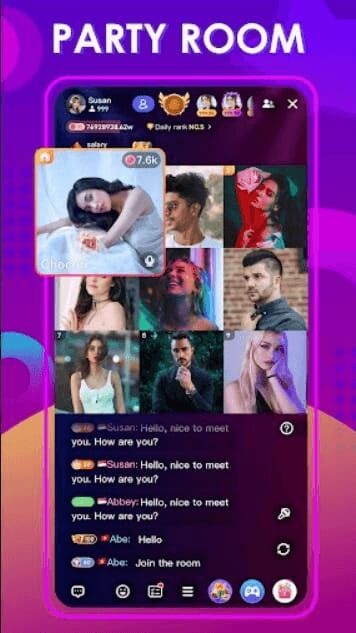
Party Room supports 16 standard seats (25 for Diamond VIP/SVIP). Multiple hosts share space, creating group dynamics. Each occupied seat generates 1,000 points/hour guaranteed. Gifts split among active hosts, then apply 70% retention. To start: tap Live icon → PARTY tab → set title/category → go live. Add co-hosts via room settings → Host Management → Add Co-Host → enter Poppo ID.
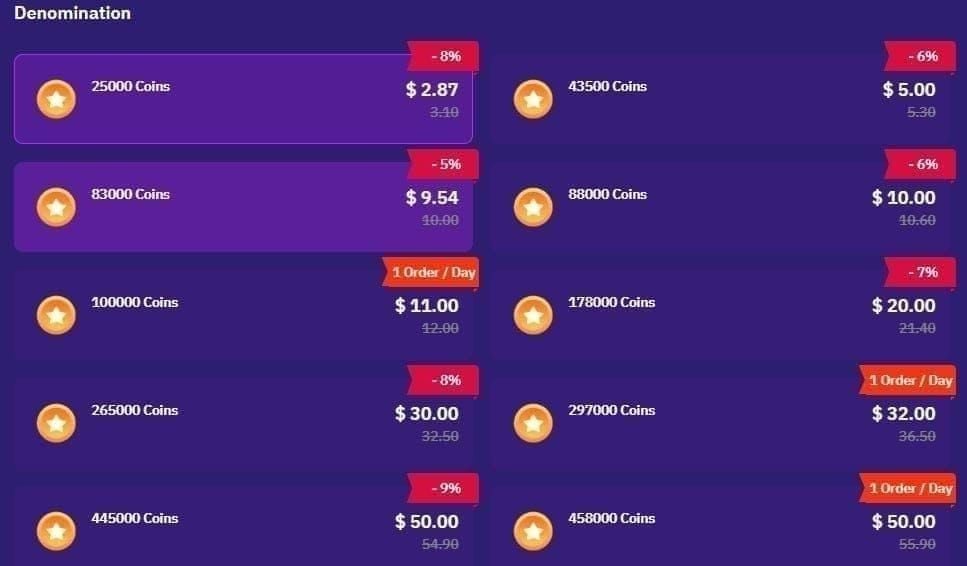
For Poppo Live Coins Recharge, BitTopup provides secure transactions with competitive pricing and fast delivery.
Key Differences

Solo Live:
100% gift allocation before 70% retention
Intimate one-on-one viewer dynamics
Complete creative control
Requires sustained individual energy
Party Room:
1,000 points/hour seat baseline guaranteed
Room-wide gifts split equally among hosts
Directed gifts to specific hosts bypass splitting
Distributed hosting responsibilities
Level 5 Requirements: 1-2 days active engagement, 70% verification pass rate, 12-48 hour approval. Unlocks 70% gift retention (standard broadcasts), 40% retention (private matches/chats), 100,000 points ($10) minimum withdrawal. Withdrawals process weekly, deadline Sunday 23:59 UTC+8. Requires app version 2.9.6+ (since Sept 28, 2025).
Points Per Hour Calculation Methodology
Level 5 hosts earn through multiple channels:
Baseline streaming: 1,000-4,000 points/hour standard
Optimized streaming: 10,000+ points/hour
Exceptional sessions: 100,000-500,000 points/hour (peak hours, high engagement)
Crown activities: 800 points/hour supplementary
PK battles: 2,000 points/hour (1,000 per 30-min session)
Video chats: 84,000-252,000 points/hour (1,400-4,200 points/min)
Private matches: 48,000-240,000 points/hour (800-4,000 points/min)
Conversion: 10,000 points = $1 USD
New Host First Week:
Female: 140,000 total points (2 hours daily Solo Live)
Male: 70,000 total points (2 hours daily Solo Live)
Post-Bonus Baseline: 1,000 points/hour without established audience
Veteran Average: 4,000 points/hour across both modes (5M+ lifetime points)
Peak Hours: 7-11 PM weekends generate 200-300% higher engagement vs. off-peak
Solo Live Performance Analysis
First Week (Task Bonuses):
Female: 10,000 points/hour
Male: 5,000 points/hour
Post-Bonus (No Established Audience): 1,000 points/hour baseline
Veteran Performance: 4,000 points/hour average
Optimized Sessions: 10,000+ points/hour with strategic engagement
Peak Performance: 100,000-500,000 points/hour during exceptional circumstances (wealthy viewer battles, event multipliers, viral moments)
Peak Time Slots
Weekend 7-11 PM generates 200-300% higher engagement. Consistent broadcasting during premium slots builds audience habits—viewers return at same times weekly, creating stable gift revenue.
Off-peak streaming serves different purposes: international audiences, content variety, algorithmic visibility. Generates 50-70% lower points/hour than prime-time.
Audience Impact
Quality beats quantity. 50 active viewers sending small gifts regularly outperform 500 passive viewers. High-value viewers (5-10 dedicated supporters sending 10,000+ point gifts weekly) provide more stable income than viral viewer counts.
Viewer retention: 60%+ throughout 2-hour sessions indicates strong engagement correlating with higher gift frequency.
Gift Patterns
Regular gift-givers follow predictable patterns:
Stream start (greetings)
Special moments/achievements
Stream end (farewells)
Gift cascades: One large contribution triggers competitive giving from others. Cultivate through personalized thanks, leaderboards, community identity.
Seasonal spikes: Holidays, platform events, personal milestones multiply hourly earnings by 300-500% during event periods.
Pros and Cons
Advantages:
100% gift retention before platform fees
Intimate viewer connections
Complete creative control
Maximum earning per engaged viewer
Disadvantages:
Vulnerability to performance inconsistency
No co-host backup during off moments
Harder audience growth (individual appeal only)
Higher sustained energy demands
Party Room Performance Analysis
Guaranteed Baseline: 1,000 points/hour from seat occupancy (regardless of gifts)
Average Performance: 4,000 points/hour with active gift-giving audiences
Exceptional Sessions: Match Solo Live peaks when all hosts bring engaged audiences plus gift cascades occur
Gift Distribution Mechanics
Directed gifts: Targeted host receives 100% of gift value → 70% retention (identical to Solo Live)
Room-wide gifts: Split equally among active hosts → then 70% retention
Example: 10,000-point room gift in 4-host room = 2,500 points per host → 1,750 points after retention
Strategic approach: Encourage fans to direct gifts specifically rather than room-wide contributions. Preserves Solo Live earning advantages while benefiting from Party Room's collaborative audience building.
Co-Host Selection Impact
Compatible co-hosts amplify earnings:
Similar demographics, different content styles
Overlapping viewers who appreciate variety
Combined audience exceeds individual sums
Mismatched co-hosts reduce earnings:
Conflicting personalities
Incompatible content approaches
Competing for same narrow audience
Optimal size: 2-3 hosts balance audience diversity against gift dilution. Larger rooms work only when all hosts bring substantial engaged fan bases.
Pros and Cons
Advantages:
Guaranteed 1,000 points/hour baseline
Distributed hosting responsibilities
Collaborative audience building
Reduced performance pressure
Brief breaks while co-hosts maintain engagement
Disadvantages:
Room-wide gift dilution
Coordination complexity
Scheduling conflicts
Shared viewer attention
Success depends heavily on co-host quality
Head-to-Head Comparison
New Level 5 (First Week):
Solo Live: 5,000-10,000 points/hour (task bonuses)
Party Room: 1,000 points/hour baseline + minimal beginner gifts
Winner: Solo Live
Post-Bonus (Building Audience):
Solo Live: 1,000 points/hour baseline
Party Room: 1,000 points/hour baseline + co-host audience exposure
Winner: Party Room (slight edge)
Veteran Hosts:
Both modes: 4,000 points/hour average
Winner: Tie (depends on optimization)
When Solo Live Wins
Established fan bases: 100% gift retention before 70% platform fee means 40,000 points in gifts = 28,000 retained. Same volume in 4-host Party Room = 7,000 per host.
Strong individual personalities: Viewers seeking intimate connections prefer Solo broadcasts. Dedicated supporters send larger individual gifts.
Peak hours: 100,000-point hourly peak in Solo = 70,000 retained. Same in 4-host Party Room = 17,500 per host.
Break-even threshold: 20-30 engaged viewers with typical gift patterns. Above this, Solo Live's undiluted retention increasingly outperforms Party Room splits.
When Party Room Wins
Audience building: Guaranteed 1,000 points/hour provides stable earnings while developing skills and attracting followers.
Strategic partnerships: 4 hosts × 50 engaged fans = 200-viewer room attracting algorithmic promotion. Collective energy encourages competitive gift-giving exceeding separate Solo stream potential.
Off-peak hours: Guaranteed baseline maintains consistent earnings when Solo Live generates minimal gifts.
Below break-even: Under 20 engaged viewers, Party Room's guaranteed income often exceeds variable Solo Live performance.
Factors Influencing Points Per Hour
Viewer engagement quality > quantity
10 highly engaged viewers > 100 passive viewers
Quality indicators: chat frequency, gift patterns, session duration, return rates
Gift multiplier events: 2x-3x multipliers create 10,000-20,000 points/hour even for mid-tier hosts. Occur during holidays, platform anniversaries, promotions.
Streaming duration sweet spot: 2 hours balances engagement sustainability and total earnings. Solo Live sees diminishing returns after 90-120 minutes. Party Room supports 3-hour sessions through rotating host focus.
Seasonal variations:
Holidays: 150-250% normal gift activity
Summer weekdays: Reduced engagement
Platform events: 200-400% normal hourly earnings
Host charisma and content quality: Personality factors (humor, warmth, authenticity, energy) affect earnings more than technical quality.
Common Misconceptions
Myth: Party Rooms always generate more total points
Total room points often exceed Solo streams, but per-host earnings frequently lag
16,000 points/hour across 4 hosts = 4,000 per host (matches veteran Solo average, doesn't exceed)
Myth: Gift splits are always equal
Directed gifts bypass splitting entirely
Only room-wide gifts split among participants
Unequal host popularity creates 3-5x earning disparities despite equal room-wide splits
Myth: More hosts = more earnings
Expanding 2 to 4 hosts halves room-wide gift shares
Requires doubled total gift volume just to maintain previous per-host earnings
Quality partnerships > quantity
Truth: Strategic mode selection based on strengths
Strong individual personalities + established fans → Solo Live
Collaborative skills + building audience → Party Room
Flexible hosts master both, switch based on conditions
Optimization Strategies
Solo Live Optimization
Build 10-20 dedicated high-value supporters:
Consistent gift revenue regardless of casual viewer fluctuations
Personal relationship building through DMs, special recognition, genuine appreciation
Exclusive content for regulars:
Special streaming times
Behind-scenes access
Personalized interactions
Tiered recognition systems
Consistency builds trust:
Regular schedule
Quality content
Stable personality presentation
Party Room Optimization
Compatibility assessment:
Personality fit
Audience demographics
Content style
Commitment levels
Trial sessions before committing
Complementary hosts:
High-energy + calm conversationalist
Gaming specialist + music performer
Variety appeals to broader audiences
Clear partnership agreements:
Streaming schedules
Gift expectations
Room management responsibilities
Conflict resolution
Hybrid Approach
Strategic mode switching:
Solo Live: Peak weekend evenings with established audiences
Party Room: Weekday off-peak hours for guaranteed baseline
Event-based switching:
Gift multiplier events → Solo Live (established hosts)
New feature launches → Party Room (group dynamics)
Development phases:
Audience building → Party Room (exposure + guaranteed income)
Monetization → Solo Live (undiluted gift retention)
Peak Hours and Event Multipliers
7-11 PM weekend slots: 40-60% of total weekly earnings from 15-20% of streaming time
Event multiplier periods: Increase streaming from 10 to 15-20 hours weekly during 2x-3x events. Same effort = double/triple returns.
Combined advantages: 2x multiplier during Saturday 8-10 PM = 4-6x normal earning potential
Content Planning
Session structure:
Strong opening (hook viewers)
Varied middle segments (maintain interest)
Memorable closing (encourage return)
Interactive elements:
Polls, Q&A, viewer challenges
Transforms passive watching → active participation
Increases session duration + gift motivation
Recurring segments:
Weekly features create anticipation
Fan Friday recognition
Monthly milestones
Seasonal events
Resource Management
Strategic coin investment:
Room decorations: Ongoing returns through improved appeal
Promotional gifts: Attract larger audiences
Visibility boosts: Encourage reciprocal gift-giving
Room decoration ROI:
Solo Live: 10,000-100,000+ coins
Professional rooms increase session length 20-40%
Party Room: Costs split among co-hosts (25,000 vs. 100,000 per host for premium)
Promotional gifts:
5,000-50,000 coins depending on target host popularity
Attracts 10-50 new viewers per gift
5-10% convert to regular attendees
For Buy Poppo Coins Online, BitTopup offers competitive pricing with fast delivery and secure transactions.
Budget Allocation
New Level 5 hosts:
60-70% room decoration (lasting value)
20-30% targeted promotional gifts (audience building)
10% experimental activities
Established hosts:
40% room upgrades
30% promotional activities
30% event participation + special content
Reinvestment strategy:
First 3-6 months: 30-50% of monthly earnings
After stable audience: 15-25% maintenance reinvestment
Final Verdict
No single mode dominates. Optimal selection depends on host characteristics, audience stage, strategic goals.
Recommended by Personality
Introverted hosts: Solo Live (one-on-one interactions, deep conversations, intimate connections)
Extroverted hosts: Party Room (group energy, varied interactions, social coordination)
Analytical hosts: Test both systematically, measure metrics, commit to superior performer
Points Per Hour Winner by Scenario
First week new Level 5: Solo Live (5,000-10,000 vs. 1,000 points/hour)
Building audience (weeks 2-8): Party Room (guaranteed baseline + exposure)
Established audience (3+ months): Solo Live (4,000-10,000+ vs. 2,000-5,000 points/hour)
Peak weekend evenings: Solo Live (established hosts capture spikes undiluted)
Off-peak hours: Party Room (guaranteed 1,000 points/hour stability)
Event multipliers: Solo Live (established hosts capture full multiplied values)
Action Plan
Week 1: Solo Live testing (track points/hour, viewers, gifts, energy levels)
Week 2: Party Room testing (identical schedule for fair comparison)
Analysis: Calculate averages, identify peaks, note sustainability and enjoyment
Commitment: 4-6 weeks developing specialized skills in higher-performing mode
Periodic testing: Verify choice remains optimal as skills and audience evolve
Long-Term Strategy
S-IDOL requirements: 40M+ points monthly, 3+ fan clubs, 2+ hours daily solo streaming
Transition focus: Mode optimization → comprehensive platform mastery
Success factors: Consistent quality, audience relationships, continuous improvement > mode selection
FAQ
How many points per hour can Level 5 hosts earn in Solo Live?
New hosts: 5,000-10,000 points/hour first week (task bonuses). Post-bonus: 1,000 points/hour baseline. Veterans: 4,000 points/hour average. Optimized: 10,000+ points/hour. Exceptional: 100,000-500,000 points/hour (special circumstances).
Does Party Room split points among all hosts?
Only room-wide gifts split equally before 70% retention. Directed gifts to specific hosts bypass splitting—targeted host receives 100%, retains 70% (identical to Solo Live). Each seat generates 1,000 points/hour guaranteed baseline.
Which mode is better for new Level 5 hosts?
Solo Live during first week (maximize 5,000-10,000 points/hour task bonuses). After bonuses expire, Party Room often better for building audiences (guaranteed 1,000 points/hour + co-host exposure). Test both after week one.
How does audience size affect points per hour?
Solo Live: 20-30 active viewers match Party Room baseline; 100+ engaged viewers generate significantly higher points/hour (undiluted retention). Party Room: Combined audience creates critical mass but splits dilute earnings. Quality > quantity in both modes.
Can you switch between modes during streaming?
No. Must end current session and start new broadcast in alternative mode. Strategic hosts switch across different sessions: Solo Live (peak hours), Party Room (off-peak hours).
What time generates most points?
Weekend 7-11 PM: 200-300% higher engagement. Produces 40-60% of weekly earnings from 15-20% of streaming time. Both modes benefit equally, but Solo captures undiluted spikes while Party Room splits increased volumes.
Ready to maximize Poppo Live earnings? Recharge coins instantly through BitTopup for best rates and exclusive bonuses. Invest in room decorations, promotional gifts, strategic enhancements to boost points/hour—whether Solo Live or Party Room. Visit BitTopup now!