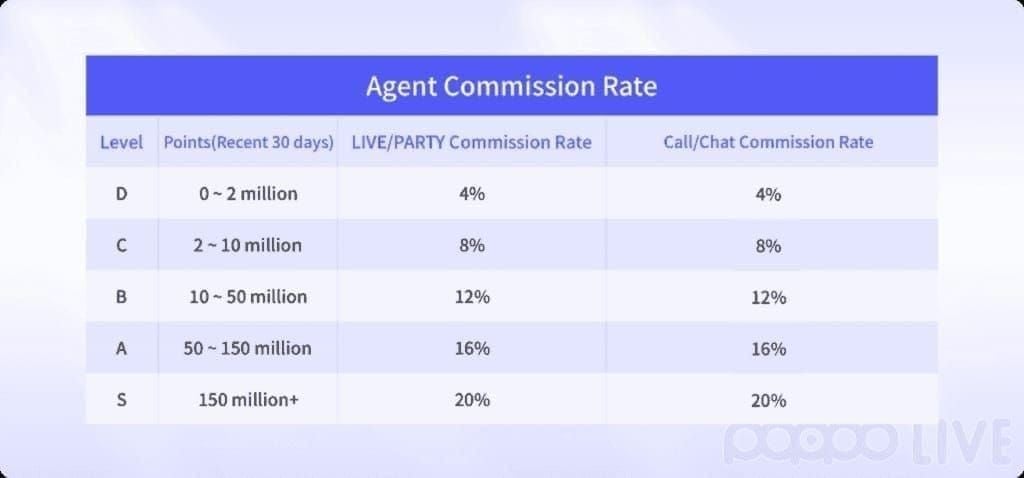
Poppo Live's agency commission operates on five tiers (D-S) based on 30-day rolling points. Level S offers peak rates: 20% on live/party streams, 50% on match/chat. Reaching Level S requires 150M+ monthly points through 10+ active hosts streaming 1+ hour daily.
Understanding Poppo Live Agency Commission Tier System: Complete 2026 Framework
The commission structure rewards performance through five progressive tiers with escalating percentages based on monthly activity. This dynamic model recalculates eligibility every 30 days using rolling points—metrics from host earnings and activity.
Complete Tier Breakdown:
Level D (0-2M points): 4% live/party, 30% match/chat
Level C (2-10M points): 8% live/party, 35% match/chat
Level B (10-50M points): 12% live/party, 40% match/chat
Level A (50-150M points): 16% live/party, 45% match/chat
Level S (150M+ points): 20% live/party, 50% match/chat
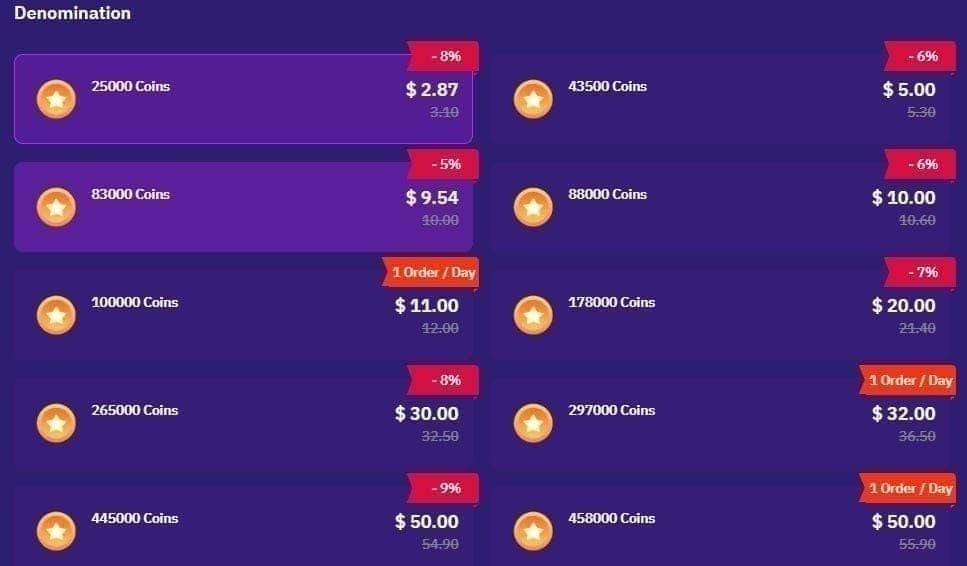
Live/party streams: hosts retain 70%, agencies earn from platform's 30% share. Match/chat: hosts keep 40%, agencies access larger pool from remaining 60%. For agencies managing BitTopup transactions, understanding this split is crucial: buy Poppo Live coins for agency earnings ensures hosts receive timely incentives driving tier advancement.
Points convert at fixed rate: 10,000 points = $1 USD. A Level S agency earning 20% commission on a host generating 5M live stream points ($500 host earnings) receives 1M points ($100) from that host's monthly activity.
The Significance of 20% Base vs 50% Premium Commission Rates
Level D to Level S represents 400% increase in live/party commissions, 67% increase in match/chat. For agencies managing hosts generating 200M monthly points across both streams, the financial difference is substantial.
At Level D with 100M live/party and 100M match/chat points: 4M + 30M = 34M points ($3,400). Same performance at Level S: 20M + 50M = 70M points ($7,000)—double the revenue from identical activity.
This scaling creates powerful incentives. A 10% activity increase pushing an agency from 145M to 160M points doesn't just add 10% revenue—it unlocks the entire Level S multiplier.
How March 2026 Rolling Points Policy Restructured Agency Economics
Rolling points calculate eligibility using a 30-day window updating continuously rather than resetting monthly. Points finalize each Sunday 23:59 UTC+8, creating weekly checkpoints.
September 15th tier status reflects August 16-September 15 activity. On September 22nd, the window shifts to August 23-September 22. This continuous evaluation rewards sustained performance while making temporary spikes less impactful.
The policy eliminated previous loopholes where agencies manipulated calendar boundaries. Maintaining Level S now requires consistent 150M+ generation across every rolling 30-day period.
What Is Level S Agency Status and Why It Matters
Level S represents the apex, accessible only to operators demonstrating sustained excellence across multiple dimensions.
Defining Level S: The Highest Commission Tier
Level S requires three simultaneous conditions: 150M+ points within any rolling 30-day period, 10+ active hosts streaming 1+ hour daily, and collective weekly hours exceeding 10. These create quality thresholds preventing point manipulation.
The 10-host minimum ensures diversification. You can't reach Level S through a single superstar—the structure demands sustainable rosters. Each host must achieve Level 5 verification (30 days platform activity), pass facial authentication, and maintain 18+ age verification.
Active status requires daily streaming commitments. A host streaming 7 hours one day but nothing the next six doesn't count toward the 10-host minimum.
Financial Impact: Earnings Difference Between Tiers
Mid-sized agency with 15 hosts generating 12M points monthly each (180M total). At Level B (12% live/party, 40% match/chat), assuming 60/40 split:
Live/party: 108M × 12% = 12.96M points
Match/chat: 72M × 40% = 28.8M points
Total: 41.76M points ($4,176)
Same performance at Level S:
Live/party: 108M × 20% = 21.6M points
Match/chat: 72M × 50% = 36M points
Total: 57.6M points ($5,760)
This $1,584 monthly difference ($19,008 annually) from identical activity shows why tier optimization matters more than marginal host recruitment.
Exclusive Benefits Beyond Commission Percentages
Level S agencies gain priority platform support with faster response times. High-performing hosts research agency tier status before committing, recognizing Level S offers superior earning potential. This creates a virtuous cycle where top-tier status attracts quality hosts maintaining qualification.
Withdrawal processing receives preferential treatment. Level S operators report consistently faster processing during peak weekday windows (8AM-12PM UTC+8), with most transactions completing in 5-15 minutes versus 1-3 hours for lower tiers.
March 2026 Rolling Points Policy: Complete Breakdown
Rolling points replaced calendar-based systems to create accurate performance measurement and reduce gaming opportunities.
What Are Rolling Points and How They Replace Previous Systems
Rolling points aggregate all host activity within a continuous 30-day window, recalculating daily as the oldest day drops and newest adds. Unlike monthly systems where September 1 performance becomes irrelevant October 1, rolling calculations maintain September 1's contribution until October 1—then it phases out gradually.
This creates smoother tier transitions. An agency generating 160M in August and 140M in September wouldn't immediately drop from Level S if daily distribution was balanced. The system evaluates whether any continuous 30-day span exceeded 150M, not just calendar totals.
Previous calendar systems created perverse incentives for end-of-month spikes. Rolling calculations reward consistent daily performance over manipulative timing.
Key Policy Changes from Pre-2026 Structures
Current framework introduced critical modifications. Point calculation now includes weighted factors for host tenure—new hosts (first 30 days) contribute 80% of points toward agency totals, established hosts (90+ days) contribute 100%. This prevents churning through new hosts for short-term boosts.
The 10-host minimum increased from previous 8-host requirement, and daily streaming hour requirement became strictly enforced. Previously, agencies met thresholds through weekend-heavy patterns. Current rules require demonstrable daily activity.
Sub-agent commission structures now cap at 50% splits (40-60% negotiation range), preventing multi-level schemes that diluted host earnings.
Level S Requirements: Exact Qualification Criteria
Achieving Level S demands precision across multiple vectors. Missing any single requirement disqualifies regardless of strength elsewhere.
Active Host Count Thresholds
Mandatory minimum of 10 active hosts requires each to stream 1+ hour daily and collectively contribute 10+ weekly hours. Operating at exactly 10 hosts creates fragility—a single host's vacation immediately disqualifies.
Experienced Level S operators maintain 12-15 hosts as buffer zones. This provides redundancy when hosts take breaks and allows for performance variability.
Host quality matters more than quantity. Three hosts generating 30M monthly each contribute more than ten generating 10M each, while requiring less management overhead. Ideal roster balances star performers (20M+ monthly) with consistent mid-tier hosts (10-15M) and developing talent (5-10M).
Monthly Revenue Targets and Verification Methods
The 150M point threshold translates to $15,000 in host earnings monthly. Since hosts retain 70% of live/party points and 40% of match/chat, agencies must facilitate substantially higher gross revenue. For 60/40 live/party to match/chat split:
Live/party: Hosts earn 70%, so 150M agency-eligible points requires ~214M total
Match/chat: Hosts earn 40%, so 150M agency-eligible points requires ~250M total
Combined: ~$23,200 in total host earnings generates points needed for Level S
Verification occurs automatically through backend systems. Agencies can't manually report points—the system tracks every transaction real-time. Points finalize each Sunday 23:59 UTC+8, with tier adjustments effective following Monday.
Rolling Points Accumulation Benchmarks
Breaking 150M monthly into daily/weekly benchmarks enables proactive management. Daily targets should average 5M points (150M ÷ 30 days), though weekends often generate 30-40% more than weekdays.
Weekly checkpoints of 35M points (5M × 7 days) provide early warning. If Week 1 generates only 28M, you need 122M across remaining three weeks—40.7M weekly average, 16% above baseline. Catching shortfalls early allows corrective action through host incentives.
Many successful agencies use recharge Poppo Live coins to boost host income during mid-month reviews, purchasing coins through BitTopup to fund bonuses driving final two weeks' activity.
Host Quality Metrics: Activity Rate and Engagement Standards
Beyond raw hours, host engagement quality significantly impacts point generation. A host streaming 2 hours with 500 concurrent viewers generates substantially more than 4 hours with 50 viewers. Level S agencies track viewer retention rates, gift frequency, and chat interaction density.
Top-performing hosts maintain 15+ minute average viewer sessions and receive gifts from 8-12% of audience. These benchmarks indicate compelling content driving revenue.
Facial authentication and Level 5 verification ensure host legitimacy. Agencies can't inflate numbers through bot accounts—every host must demonstrate genuine platform engagement over 30+ days before contributing to tier calculations.
Rolling Points Calculation: Step-by-Step Formula with Examples
Understanding precise calculation methodology enables accurate forecasting and strategic decision-making.
How Host Revenue Converts to Rolling Points
Conversion follows two steps. First, host earnings convert to points at 10,000 points = $1 rate. Second, agency commission percentage determines how many points count toward tier qualification.
For live/party streams where hosts retain 70%, a $100 gift generates 1M points total. Host receives 700K points ($70), while 300K points ($30) enter commission pool. At Level B (12% commission), agency earns 36K points ($3.60). These 36K count toward rolling 30-day total.
Match/chat operates differently. A $100 match generates 1M points, with hosts retaining 400K (40%) and 600K entering commission pool. At Level B (40% commission), agency earns 240K points ($24)—significantly more than live/party, explaining why agencies prioritize match/chat adoption.
Weighting Factors: New Hosts vs Established Hosts
New hosts (first 30 days) contribute 80% of generated points to agency rolling totals. A new host generating 10M points in first month adds 8M to tier calculation. This prevents exploiting new host bonuses.
Established hosts (90+ days) contribute 100%. The 30-89 day window uses graduated scale: 85% contribution in days 31-60, 92.5% in days 61-90, then full 100%.
For tier planning, calculate weighted contributions. Agency with 5 new hosts (8M points each, 80% weighted = 6.4M counted) and 10 established hosts (12M each, 100% weighted = 12M counted) generates 32M + 120M = 152M qualifying points despite 160M raw earnings.
Sample Calculation: 50-Host Agency Scenario
Mature Level A agency with 50 hosts aiming for Level S:
10 star hosts: 25M each = 250M total
20 mid-tier hosts: 12M each = 240M total
15 developing hosts: 6M each = 90M total
5 new hosts: 8M each × 80% weighting = 32M total
Total qualifying points: 612M (well above 150M threshold)
However, if only 8 hosts stream daily 1+ hour, the agency fails the 10-host minimum despite massive point generation. This illustrates why Level S requires balanced excellence.
Common Calculation Errors and How to Avoid Them
Most frequent mistake: confusing gross host earnings with agency-qualifying points. New operators see hosts generating 200M monthly and assume automatic Level S qualification, not realizing commission percentages and weighting factors reduce counted totals.
Another error: misunderstanding rolling windows. Strong calendar months (January: 180M, February: 120M) don't guarantee Level S if daily distribution created a 30-day span from January 15-February 14 with only 145M.
Solution: daily tracking. Monitor rolling 30-day point total every Sunday when calculations finalize, comparing against 150M threshold with at least 10M buffer (160M target).
Strategic Roadmap: Reaching Level S in 90-180 Days
Systematic tier progression requires phased execution with clear milestones.
Phase 1: Foundation Building (Months 1-2)
Begin with infrastructure development. Establish host recruitment pipelines targeting quality over quantity—seek hosts with existing social media followings (5K+ followers) or entertainment experience.
Set initial targets for Level B qualification (10-50M points). This requires 5-7 active hosts generating 8-12M monthly each. Focus on training: consistent streaming schedules, viewer interaction strategies, gift acknowledgment protocols.
Implement basic tracking systems. Create spreadsheets monitoring each host's daily hours, viewer counts, and point generation. Weekly review meetings identify performance issues early.
Phase 2: Acceleration and Scaling (Months 3-4)
With Level B secured, expand roster to 12-15 hosts while maintaining quality standards. This phase focuses on diversification—recruit hosts with different content styles (gaming, music, talk shows) to capture varied audience segments.
Target Level A qualification (50-150M points). This requires either doubling host count or increasing per-host productivity by 60-80%. Most agencies use hybrid: adding 3-5 new hosts while implementing performance incentives boosting existing hosts' output by 30-40%.
Introduce sub-agent structures if managing 15+ hosts becomes unwieldy. Promote top-performing hosts to sub-agent roles with 50% commission splits on hosts they recruit and manage.
Phase 3: Qualification and Optimization (Months 5-6)
Final push toward 150M requires precision execution. Audit current performance: if 12 hosts generate 140M, you need either 2 additional hosts at 10M each or 10% productivity increases across existing roster.
Productivity optimization often provides faster results than recruitment. Implement host incentive programs: bonus payments (funded through coin purchases) for hosts increasing monthly points by 20%+, recognition programs highlighting top performers, training workshops teaching advanced engagement techniques.
Monitor rolling calculation daily during this phase. If 30-day total reaches 148M on Sunday, immediate action required—weekend promotional campaigns, host bonus announcements, or emergency recruitment.
Critical Milestones and Performance Checkpoints
Establish binary checkpoints:
Day 30: Level C achieved (2-10M points), 5+ active hosts
Day 60: Level B achieved (10-50M points), 8+ active hosts
Day 90: 75M+ points (halfway to Level S), 10+ active hosts
Day 120: 110M+ points, 12+ active hosts
Day 150: 140M+ points, 13+ active hosts
Day 180: 150M+ points, Level S achieved
Missing any checkpoint by 20%+ signals need for strategy revision.
Host Recruitment and Management for Level S Success
Host quality determines agency success more than any other factor.
Recruitment Strategies That Attract High-Performing Hosts
Target recruitment in communities where potential hosts already demonstrate relevant skills. College performing arts programs, local theater groups, and social media influencer networks contain individuals with audience engagement experience.
Develop compelling value propositions. Top hosts choose agencies offering comprehensive support: technical assistance (streaming equipment recommendations, lighting setup), content coaching (audience building strategies, engagement techniques), and financial benefits (competitive commission pass-through rates, performance bonuses).
Leverage existing hosts as recruiters. Implement referral bonuses: $14 (140K points) per verified new host maintaining 30+ days activity.
Onboarding Systems to Ensure Host Activity and Retention
First 30 days determine long-term success. Implement structured onboarding: Day 1 technical setup, Days 2-7 daily check-ins, Week 2 content strategy development, Weeks 3-4 performance optimization based on initial analytics.
Assign mentors from experienced hosts. Pair each new host with established performer providing real-time advice during first 10 streams.
Set realistic initial expectations. New hosts should target 5M points monthly in first 30 days—achievable through consistent 2-hour daily streams with basic engagement.
Performance Monitoring: Which Host Metrics Impact Rolling Points Most
Track three critical metrics weekly: streaming consistency (percentage of days with 1+ hour streams), viewer retention (average session length), and gift conversion rate (percentage of viewers sending gifts).
Streaming consistency directly impacts 10-host minimum. A host streaming 6 days weekly doesn't count toward active totals, regardless of point generation.
Viewer retention indicates content quality. Hosts with 8+ minute average sessions generate 3-4x more points than hosts with 3-minute sessions, even with identical viewer counts.
Gift conversion rates reveal monetization effectiveness. Top hosts convert 10-15% of viewers into gift-givers through strategic techniques: gift acknowledgment shout-outs, milestone celebrations, creating gift-giving social proof.
Scaling Your Host Network Without Compromising Quality
Beyond 15 hosts, agencies need formalized management structures. Implement tiered support: sub-agents managing 5-7 hosts each, weekly group training replacing individual coaching, automated performance dashboards reducing manual tracking.
Quality maintenance requires selective recruitment. Establish minimum standards: candidates must demonstrate 1K+ social media followers OR previous streaming experience OR performing arts background.
Develop host progression pathways. Create internal tier systems (Bronze/Silver/Gold based on monthly points) with corresponding benefits: Gold hosts receive priority technical support, featured promotion, higher commission pass-through rates.
Maximizing Commission Earnings: 20% vs 50% Optimization Tactics
Understanding when different commission rates apply enables strategic revenue optimization beyond simple tier advancement.
When You Earn 20% vs 50% Commission Under Level S
20% rate applies to live streaming and party room gifts—platform's primary engagement model. 50% rate applies to match and chat features—one-on-one interactions where users pay per minute for private video calls or text conversations.
Strategic agencies coach hosts to promote match/chat availability during live streams. A simple call-to-action (DM me for private chat sessions) can shift 20-30% of audience engagement from 20% commission live streams to 50% commission private interactions, dramatically increasing agency revenue from identical host activity.
Revenue Stream Diversification for Consistent Rolling Points
Relying solely on live streaming creates volatility. Diversified agencies develop multiple revenue channels stabilizing monthly point generation.
Match/chat services provide baseline revenue. Hosts offering scheduled private sessions (e.g., Available for private chats 8-10 PM daily) generate predictable income independent of live stream performance. Even modest match/chat activity (2-3 hours daily) can contribute 30-40% of host's monthly points at higher 50% commission rate.
Party rooms create collaborative opportunities. Multiple hosts co-streaming combine audiences, increasing total viewer counts and gift potential. Agencies can organize weekly party room events featuring top 3-5 hosts, creating special occasions driving above-average point generation.
Monthly Planning: Balancing Host Growth and Revenue Targets
Effective agencies plan monthly calendars balancing recruitment, training, and revenue generation. Week 1 focuses on recruitment and onboarding. Week 2 emphasizes training and content development. Weeks 3-4 prioritize revenue maximization through promotional campaigns and performance incentives.
This rhythm prevents continuous recruitment overwhelming training capacity. Adding 5 new hosts monthly while properly developing each is more effective than adding 15 with minimal support, where 10 quit within 60 days.
Revenue targets should account for rolling calculations. If agency generated 155M in previous 30 days and wants to maintain Level S, next 30 days must also exceed 150M. This requires forecasting: if Days 1-15 generated 70M, Days 16-30 must generate 80M+ to maintain rolling threshold.
Using Poppo Live Coins Strategically to Incentivize Host Performance
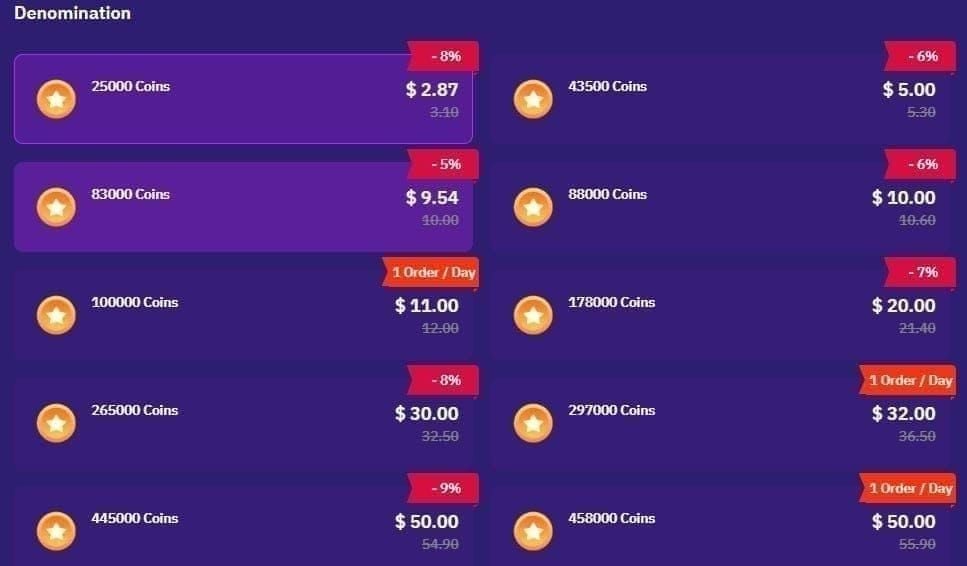
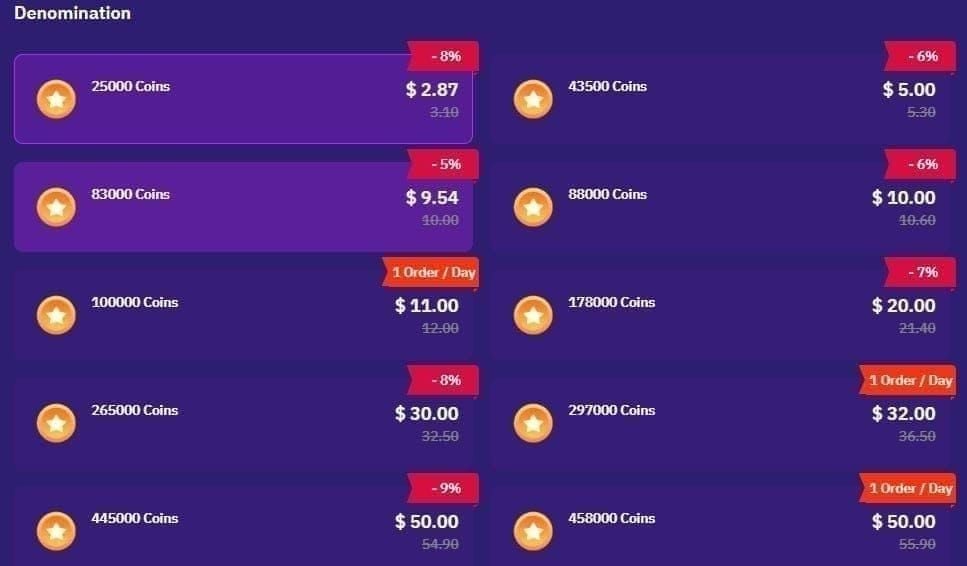
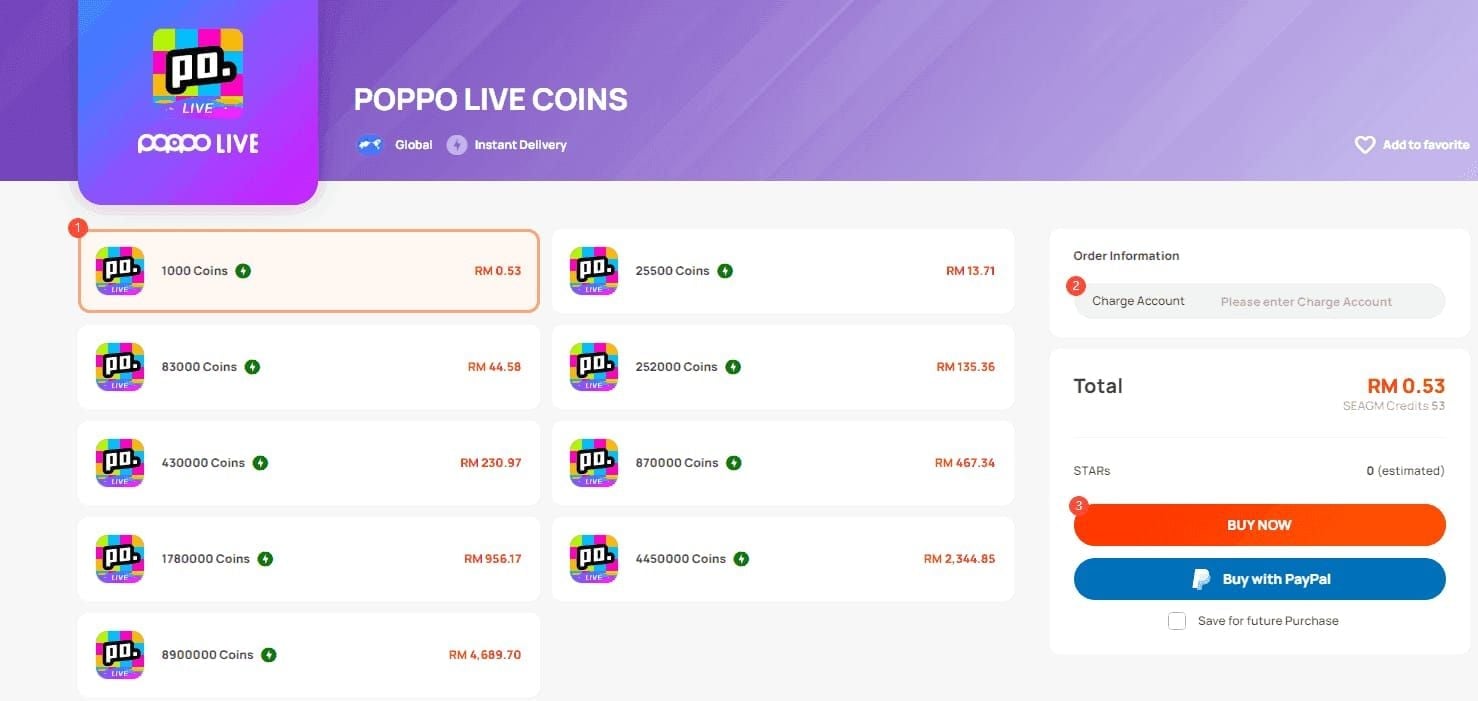
Coin-based incentive programs create immediate performance impacts. Agencies purchase coins through platforms like BitTopup, then distribute as bonuses to hosts achieving specific targets: first host reaching 15M monthly points receives 500K coins ($50), all hosts exceeding 12M receive 200K coins ($20).
These investments generate ROI through increased commission earnings. A $200 coin investment (2M coins) distributed across 10 hosts who each increase output by 2M points generates 20M additional agency-qualifying points. At Level S with 60/40 live/party to match/chat split, this yields ~3.2M additional commission points ($320)—60% ROI before accounting for tier maintenance value.
Timing matters for coin incentives. Deploying bonuses during final week of rolling calculation when agency sits at 145M can provide push needed to cross 150M threshold. Commission rate increase from Level A (16%/45%) to Level S (20%/50%) on all future earnings justifies aggressive short-term coin investments.
Common Mistakes That Prevent Level S Achievement
Understanding failure patterns helps avoid predictable pitfalls derailing tier progression.
Misconception 1: Focusing Only on Host Quantity Over Quality
Agencies frequently believe recruiting 20+ hosts guarantees Level S through sheer numbers. However, 20 hosts generating 6M monthly each (120M total) falls short of 150M threshold, while creating unsustainable management overhead.
Quality-focused alternative recruits 12-13 hosts capable of 12-15M monthly each. These hosts require more selective recruitment (targeting experienced performers) and intensive training, but generate 144-195M with less management complexity.
Quality hosts also provide stability. A roster of 20 marginal performers experiences high turnover—perhaps 6-8 quit monthly, requiring constant recruitment just to maintain headcount. A roster of 13 strong performers typically retains 11-12 monthly, allowing recruitment to focus on growth rather than replacement.
Misconception 2: Misunderstanding Rolling Points Calculation Windows
Many agencies treat rolling calculations like calendar months, believing strong January performance (180M) guarantees Level S through January 31. In reality, if February 1-15 generates only 50M, rolling 30-day total from January 16-February 15 might drop to 140M, triggering immediate demotion.
Solution requires daily awareness. Track rolling 30-day total continuously, not just month-end. When total approaches 150M threshold (dropping to 155M, then 152M), immediate intervention required.
Successful agencies maintain 10-15% buffers above tier minimums. Targeting 165M monthly instead of exactly 150M creates cushion for inevitable performance fluctuations.
Misconception 3: Neglecting Host Retention During Growth Phases
Aggressive recruitment campaigns often coincide with declining retention as management attention shifts from existing hosts to new recruits. Agency growing from 10 to 18 hosts might lose 4 existing hosts due to reduced support, resulting in net growth of only 4 despite recruiting 8.
Retention-focused growth maintains support quality during expansion. When adding 3 new hosts, assign them to dedicated onboarding specialist (potentially sub-agent) rather than having primary operator split attention.
Retention metrics should trigger growth pauses. If monthly host attrition exceeds 15% (losing 2+ hosts from 13-host roster), halt recruitment until retention improves.
How to Recover from Setbacks and Tier Demotions
Tier demotions aren't permanent failures but opportunities for strategic reset. Agency dropping from Level A to Level B should conduct comprehensive audits: which hosts reduced activity, what external factors impacted performance, which operational processes failed.
Recovery roadmaps should be aggressive but realistic. Returning from Level B (10-50M) to Level A (50-150M) within 30 days requires either tripling productivity or massive recruitment—both unlikely. A 90-day recovery timeline allowing gradual host development proves more achievable.
Use demotions as motivation for structural improvements. Implement tracking systems, training programs, and management processes that should have existed before demotion.
Tracking Progress: Tools and Metrics for Level S Candidates
Data-driven management separates successful Level S agencies from those perpetually approaching but never reaching threshold.
Agency Dashboard Features for Rolling Points Monitoring
Poppo Live agency dashboard provides real-time access to critical metrics. Primary view displays current rolling 30-day point totals, updated daily as calculation window shifts. Check this every Sunday 23:59 UTC+8 when weekly calculations finalize.
Host-level breakdowns show individual contributions. Agencies can identify which hosts drive majority of points (typically 20% of hosts generate 60-70% of total) and which underperform relative to streaming hours.
Historical trend graphs reveal patterns. Agencies can identify seasonal fluctuations (summer months often see 15-20% lower engagement), day-of-week variations (weekends typically generate 30-40% more than weekdays), and impact of specific initiatives.
Key Performance Indicators to Review Weekly and Monthly
Weekly KPIs focus on leading indicators predicting monthly outcomes:
Active host count: Must maintain 10+ daily
Average points per host: Should trend toward 12-15M monthly (2.8-3.5M weekly)
New host pipeline: 2-3 candidates in recruitment/onboarding to replace attrition
Host retention rate: 85%+ monthly (losing fewer than 2 hosts from 13-host roster)
Monthly KPIs assess overall trajectory:
Rolling 30-day point total: Target 160M+ (10M buffer above 150M minimum)
Revenue stream mix: 55-65% live/party, 35-45% match/chat for optimal commission balance
Host productivity distribution: No more than 30% of hosts below 8M monthly
Recruitment conversion rate: 40%+ of recruited candidates reaching 30-day activity milestone
Establish dashboard review rituals: 15-minute daily checks of rolling point totals and active host counts, 1-hour weekly deep dives into host-level performance, 3-hour monthly strategic reviews analyzing trends.
Predictive Analytics: Forecasting Your Level S Qualification Date
Simple forecasting models provide realistic timeline estimates. Calculate current monthly point generation rate, identify gap to 150M, and determine monthly growth rate needed to close that gap within target timeframe.
Example: Agency currently generating 95M monthly wants to reach Level S in 4 months. Required monthly growth: (150M - 95M) ÷ 4 = 13.75M additional points monthly, or ~14.5% monthly growth rate. This requires adding 1-2 hosts monthly OR increasing existing host productivity by 15% through training and incentives.
More sophisticated models account for host development curves. New hosts typically generate 40% of mature productivity in Month 1, 70% in Month 2, 90% in Month 3 before plateauing.
Conservative forecasting adds 20% time buffers. If calculations suggest Level S achievement in 5 months, plan for 6 to account for inevitable setbacks.
Maintaining Level S Status: Long-Term Sustainability Strategies
Achieving Level S represents one challenge; maintaining it indefinitely requires different operational approaches focused on consistency over growth.
Monthly Performance Requirements to Retain Level S
Rolling calculation means Level S agencies must generate 150M+ in every continuous 30-day period. A single weak month doesn't immediately trigger demotion if rolling window still exceeds threshold, but consecutive underperformance quickly erodes tier status.
Sustainable maintenance requires baseline productivity from established hosts. If agency relies on 13 hosts averaging 12M monthly (156M total), losing 2 hosts or experiencing 10% productivity decline drops total below 150M. Solution: maintain 15-17 hosts to create redundancy.
Seasonal planning accounts for predictable fluctuations. December holidays typically reduce streaming activity by 20-25% as hosts travel and viewers engage offline. Agencies should build point surpluses in October-November (targeting 170M+ monthly) to create buffers absorbing December declines without dropping below 150M.
Building Buffer Zones Above Minimum Thresholds
Operating at exactly 150M creates constant stress and frequent tier fluctuations. Agencies targeting 165-175M monthly maintain Level S even during challenging periods when performance drops 10-15%.
Buffer zones also accommodate growth investments. Onboarding new hosts temporarily reduces management attention to existing hosts, potentially causing 5-8% productivity declines during transitions. A 15M point buffer absorbs these temporary dips without jeopardizing tier status.
Financial buffers support operational buffers. Agencies should maintain reserves equal to 2-3 months of host incentive budgets. When rolling point totals approach 150M threshold, deploying emergency coin bonuses (funded from reserves) provides immediate boost needed to maintain qualification while longer-term solutions develop.
Adapting to Future Policy Updates and Platform Changes
Platform policies evolve continuously. March 2026 rolling points system replaced previous frameworks, and future updates will introduce new requirements. Agencies must build adaptive capacity into operations.
Diversification provides adaptation resilience. Agencies dependent on single host type (e.g., only gaming streamers) face existential threats if platform algorithm changes reduce gaming content visibility. Agencies with diverse host portfolios (gaming, music, talk shows, educational content) can shift resources toward whatever content types platform currently favors.
Community engagement provides early warning of changes. Active participation in agency operator forums and platform communication channels surfaces policy updates weeks before official announcements.
Financial conservatism during uncertainty preserves options. When rumors circulate about potential policy changes, pause aggressive expansion and build cash reserves.
FAQ
What is the difference between 20% and 50% commission at Level S in Poppo Live?
20% commission applies to live streaming and party room gifts, where agencies earn from platform's 30% share after hosts retain 70%. 50% commission applies to match and chat features (private one-on-one interactions), where agencies earn from platform's 60% share after hosts retain 40%. For identical $100 revenue, live streams generate $6 agency commission (20% of $30) while match/chat generates $30 (50% of $60).
How long does it take to reach Level S agency status in Poppo Live?
Timeline depends on starting position and resources. Agencies beginning at Level C (2-10M points) typically require 4-6 months to reach Level S (150M+) through systematic host recruitment and development. Starting from Level B (10-50M) can reduce this to 3-4 months. Aggressive agencies with significant capital have achieved Level S in 90 days, though 120-180 days represents more sustainable timeline building operational foundations for long-term maintenance.
What are rolling points and how are they calculated in the current policy?
Rolling points aggregate all host activity within continuous 30-day window updating daily. Unlike calendar months resetting on the first, rolling calculations maintain sliding window—on September 15, system counts points from August 16-September 15. Points finalize each Sunday 23:59 UTC+8. New hosts (first 30 days) contribute 80% of points to agency totals, while established hosts (90+ days) contribute 100%, preventing manipulation through constant new host recruitment.
How many active hosts do I need to qualify for Level S commission?
Minimum requirement is 10 active hosts, where each must stream 1+ hour daily and collectively roster must generate 10+ weekly hours. Operating at exactly 10 creates fragility—single host's absence immediately disqualifies. Experienced Level S operators maintain 12-15 hosts as buffer zones. Each host must be 18+, Level 5 verified, and pass facial authentication.
Can I lose Level S status once I achieve it in Poppo Live?
Yes, Level S requires continuous qualification. Rolling 30-day calculation means if any continuous 30-day period drops below 150M points, agency immediately demotes to Level A. This can occur through host attrition, declining productivity, or seasonal viewership fluctuations. Maintaining Level S requires sustained performance management, typically targeting 160-175M monthly to create buffers above minimum. Agencies dropping below 10 active hosts also lose Level S regardless of point totals.
How do I track my rolling points progress toward Level S?
Poppo Live agency dashboard displays real-time rolling 30-day point totals, updated daily as calculation window shifts. Check this every Sunday 23:59 UTC+8 when weekly calculations finalize. Create supplementary tracking spreadsheets monitoring daily point generation, host-level contributions, and trend analysis. Establish weekly checkpoints targeting 35M points (150M ÷ 30 days × 7 days) to identify shortfalls early. Most successful agencies implement daily 15-minute dashboard reviews and weekly 1-hour performance analysis sessions.
Ready to accelerate your path to Level S? Purchase Poppo Live Coins at best rates through BitTopup and invest in host incentives driving rolling points. BitTopup offers competitive pricing, instant delivery, secure USDT TRC20 transactions, and dedicated support for agency operators. Visit BitTopup now to fuel your agency's growth with reliable coin purchasing keeping hosts motivated and rolling points climbing toward that 150M Level S threshold.