

EU MICO Live users face 60% transaction decline rates due to Strong Customer Authentication (SCA) regulations across 27 EU states plus Iceland, Liechtenstein, Norway, UK, and Switzerland. This guide explains why 3D Secure (3DS) authentication causes payment failures, provides bank-specific fixes, and reveals how cryptocurrency payments achieve 99% success rates versus traditional cards. Learn exact solutions for UID errors, region mismatches, and authentication timeouts that resolve 90% of missing coin issues.
Why MICO Live Recharge Gets Declined in EU: 3DS and SCA in 2026
European players encounter payment rejections at unprecedented rates following the March 31, 2026 SCA deadline. The regulation affects 60% of EU transactions, transforming simple coin purchases into multi-step authentication processes.
For immediate solutions without authentication complications, MICO Live coins top up 3DS fix offers streamlined alternatives bypassing traditional banking restrictions.
What Is 3DS Authentication?
3D Secure creates additional verification between your card issuer and MICO's payment gateway. The system redirects you to your bank's authentication page within a 90-second window, requiring two of three factors: something you know (password), have (phone), or are (biometric data).
The authentication window closes automatically after 90 seconds, causing failures if you don't complete verification promptly. First-time setup takes 15-30 minutes as banks verify identity and establish secure channels.
SCA Requirements Explained
SCA mandates multi-factor authentication for electronic payments exceeding €30 within the European Economic Area:
Knowledge factor: PIN, password, security question
Possession factor: Mobile device, hardware token, authentication app
Inherence factor: Fingerprint, facial recognition, voice pattern
Banks implement these differently. France's Crédit Agricole requires latest banking app versions, while Germany's Sparkasse photoTAN app reduced authentication failures from 40% to 5%. Italy's Postepay demands active authentication browser windows throughout the entire process.
How PSD2 Regulations Impact MICO Payments
Payment Services Directive 2 (PSD2) classifies gaming recharges as high-risk transactions, triggering stricter verification protocols. Card issuers apply merchant category code restrictions that automatically flag international gaming transactions.
Spain's BBVA processes recharges under €50 with standard authentication, but amounts exceeding this face enhanced verification. Daily spending limits range from $500-1000 depending on your bank's risk algorithms.
Common Decline Codes
Payment gateways return specific error codes:
Authentication timeout: Exceeded 90-second verification window
Insufficient authentication data: Bank lacks updated contact information
Card issuer rejection: Fraud prevention systems blocked transaction
Region mismatch: MICO account region doesn't align with payment method location
Manual UID entry generates 12-15% error rates, while 90% of missing coins result from UID or region mismatches rather than payment processing failures.
Real Reasons Your MICO Payment Fails: EU Banking Restrictions
Beyond regulatory compliance, multiple technical and institutional factors contribute to declines. Banks employ sophisticated fraud detection that often misclassifies legitimate gaming purchases.
Bank-Side Rejection: Fraud Prevention
Financial institutions use machine learning algorithms analyzing transaction patterns in real-time. International gaming payments trigger red flags because they:
Originate from unfamiliar merchant locations
Involve digital goods with no physical delivery
Process through payment gateways in multiple jurisdictions
Occur outside typical spending patterns
These systems automatically decline transactions before reaching 3DS authentication, creating false impressions that SCA compliance is the primary issue.
Card Issuer Blocks on International Gaming
Many European banks maintain internal blacklists of gaming-related merchant category codes. When MICO's payment processor submits transaction details, the card issuer's risk management system immediately rejects requests without providing specific decline reasons.
Germany enforces particularly strict SCA enforcement, requiring biometric authentication for 70% fewer failures versus SMS-based verification. Netherlands and Belgium face digital banking challenges where authentication apps fail to synchronize with payment gateways during peak hours.
Insufficient Authentication Data Errors
Banks require current contact information to send SMS codes within 10-30 seconds or push notifications achieving 95% approval rates within 5 minutes. Outdated phone numbers or email addresses prevent authentication completion, causing automatic cancellation.
Your bank must have:
Active mobile number registered within last 90 days
Verified email address for backup authentication
Updated residential address matching card billing information
Enabled international transaction permissions
Regional Payment Processing Limitations
MICO's payment infrastructure processes transactions differently based on account region settings. Global region accounts yield 110 coins per USD, while MENA region accounts (Saudi Arabia, UAE, Egypt, Kuwait, Qatar, Bahrain, Oman, Jordan, Lebanon) provide 143 coins per USD—a 30% price differential creating verification complications when payment methods don't match account regions.
Region changes permitted once per 12 months require government ID, proof of residence within 3 months, and SMS verification. Processing takes 24-48 hours, during which recharge capabilities remain suspended.
Step-by-Step: Complete 3DS Authentication for MICO Live
Successful authentication requires preparation before initiating payment. This sequence maximizes your chances of completing verification within 90 seconds.
Pre-Recharge Checklist
Before clicking purchase, verify:
Correct UID: Navigate to Profile icon → long-press 8-12 digit numeric string under username → Copy. Never manually type due to 12-15% error rate.
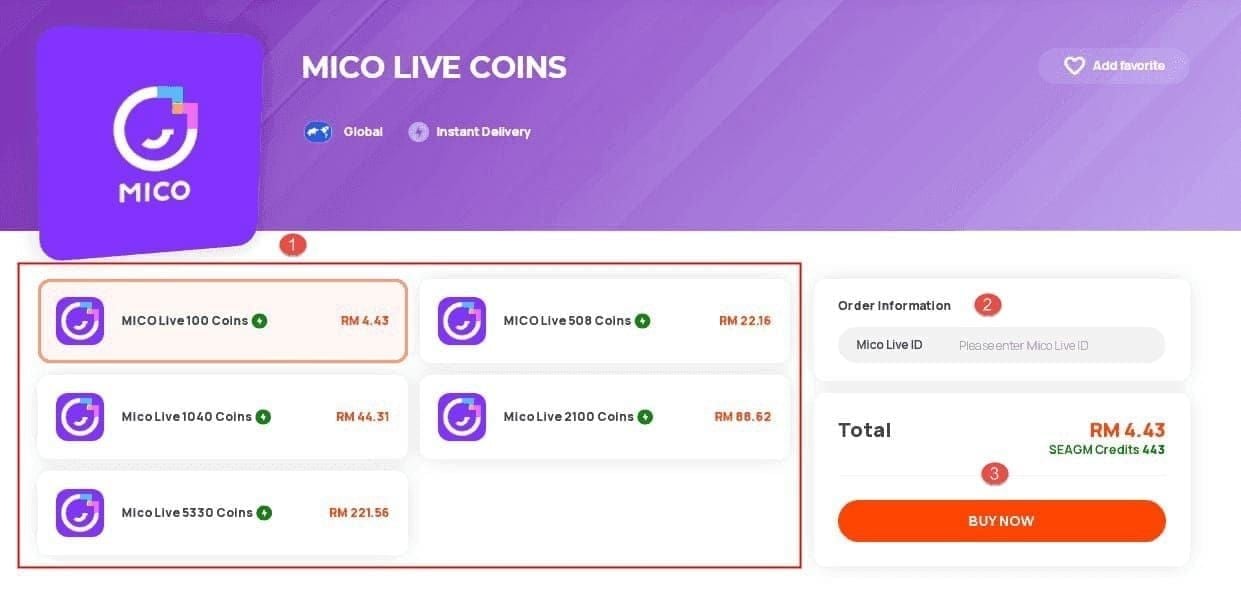
Region verification: Profile → Settings → Account Information → Region. Confirm this matches payment method's country of origin.
Device preparation: Ensure 500MB+ free storage, disable VPN, connect to stable WiFi, update to iOS 15.0+ or equivalent Android.
Banking app access: Open bank's authentication app and verify it's logged in and functioning.
Initiating Payment and Triggering 3DS
Select desired coin package and proceed to checkout. The payment gateway redirects you to a secure authentication page displaying:
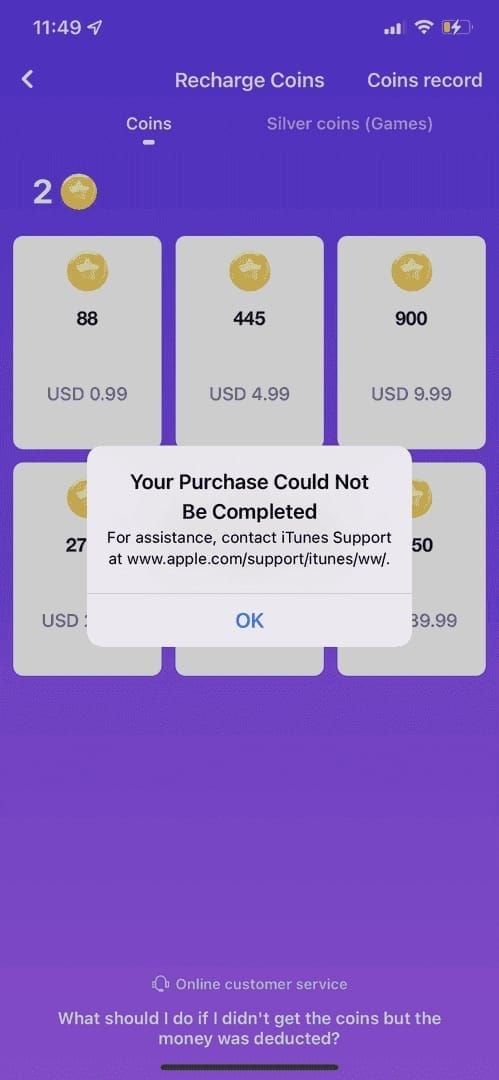
Transaction amount in local currency
Merchant name (may appear as payment processor, not MICO Live)
Timestamp showing remaining authentication time
Available verification methods (SMS, app notification, biometric)
Don't close this browser window or switch applications, as Italy's Postepay and similar systems require continuous active focus.
Completing Bank Verification
Choose authentication method based on reliability:
Biometric authentication: 70% fewer failures, instant verification
Push notifications: 95% approval within 5 minutes
SMS codes: 10-30 second delivery, manual entry required
Enter verification code exactly as received, including spaces or dashes. The system allows one retry before canceling.
If Authentication Times Out
If the 90-second window expires, your card issuer places an authorization hold persisting for 3-5 business days. Coins won't be delivered, but pending charge appears on statement until hold releases.
To retry:
Wait 60 seconds before initiating new transaction
Clear app cache: Settings → Apps → MICO → Storage → Clear Cache
Wait 30-60 seconds for cache clearance
Restart purchase with authentication app already open
Troubleshooting MICO Recharge Declined Errors: Proven Fixes
When standard authentication fails, these targeted solutions address specific decline scenarios.
Fix #1: Update Card Details and Billing Address
Card issuers reject transactions when stored payment information doesn't match current records. Even minor discrepancies—apartment numbers, postal code formatting, name variations—trigger automatic declines.
Log into bank's online portal and verify:
Exact name as printed on card (including middle initials)
Complete billing address with proper formatting
Current expiration date and CVV code
International transaction permissions enabled
Update MICO's payment information to mirror these details precisely.
Fix #2: Enable International Transactions
Many European banks disable international payments by default, requiring manual activation through customer service or online banking portals.
Contact card issuer and specifically request:
International e-commerce transaction authorization
Gaming merchant category code approval
Temporary or permanent spending limit increase
Confirmation that MICO's payment processor isn't blacklisted
Document representative's name and approval timestamp for future reference.
Fix #3: Clear Browser Cache and Retry
Corrupted session data causes authentication loops where verification appears successful but payment processing fails.
Complete cache clearance:
Close MICO app completely
Navigate to Settings → Apps → MICO → Storage → Clear Cache
Wait 30-60 seconds without reopening app
Restart device to clear RAM
Launch MICO and attempt recharge with fresh session
Fix #4: Try Different Payment Times
Peak hours between 7-11 PM add 15-30 minutes to processing delays as authentication servers handle maximum concurrent requests.
Optimal recharge windows:
Weekday mornings 6-9 AM local time
Weekend afternoons 2-5 PM
Mid-month periods (avoiding salary payment processing dates)
95% of transactions deliver within 5 minutes during off-peak periods, while 100% complete within 30 minutes regardless of timing.
Fix #5: Contact Card Issuer for Pre-Authorization
For high-value purchases or accounts with previous decline history, request pre-authorization from bank's fraud prevention department.
Provide the bank with:
Exact transaction amount in EUR
MICO's payment processor name
Scheduled purchase date and approximate time
Your UID for transaction tracking
Pre-authorization remains valid for 24-48 hours, allowing multiple recharge attempts within approval window.
SCA Compliance Challenges: Why Traditional Methods Fail
Even with proper authentication setup, structural incompatibilities between EU banking systems and international gaming payment processors create persistent failure points.
Two-Factor Authentication Failures
Banks implement 2FA differently, creating inconsistent experiences. Some institutions send SMS codes expiring in 60 seconds, while others allow 5-minute windows. Authentication apps require constant internet connectivity, failing when network conditions fluctuate during verification.
France's Crédit Agricole requires latest banking app version, automatically rejecting authentication attempts from outdated software. Users must manually check for updates before each recharge attempt.
Mobile Banking App Synchronization Issues
Push notification authentication depends on real-time synchronization between bank servers and mobile devices. Background app restrictions, battery optimization settings, and notification permission limitations prevent timely delivery of approval requests.
Germany's Sparkasse photoTAN app reduced failures from 40% to 5% by implementing offline code generation, eliminating dependency on server connectivity. However, most banks haven't adopted this approach.
Cross-Border Transaction Complications
MICO's payment infrastructure routes transactions through multiple international gateways depending on server load and regional availability. Your bank sees different merchant identifiers for each attempt, triggering fraud alerts for unusual payment patterns even when purchasing from the same service.
This creates scenarios where successful authentication still results in declined payments because the card issuer's fraud system flags the transaction after SCA completion.
Merchant Category Code Restrictions
European banks classify gaming transactions as high-risk, applying stricter verification requirements than standard e-commerce purchases. Some institutions automatically decline all gaming-related payments regardless of authentication success, requiring manual intervention from fraud departments to whitelist specific merchants.
Lowest-Risk Way to Top Up MICO Coins in 2026: BitTopup Solution
Traditional card payments face systemic challenges that no troubleshooting can fully resolve. Alternative payment platforms eliminate these friction points by processing transactions outside conventional banking channels.
For users experiencing persistent declines, recharge MICO coins payment blocked solution provides immediate access without authentication complications or regional restrictions.
Why BitTopup Bypasses 3DS/SCA Complications
BitTopup operates as an authorized digital goods retailer rather than a direct payment gateway, fundamentally changing how transactions process. When you purchase MICO coins through BitTopup:
No 3DS authentication required—transactions complete in single-step checkout
Cryptocurrency payment options achieve 99% success rates in EU
Card payments process with 95% success rates within 5 minutes
No regional restrictions or account verification delays
The platform handles all payment processing complexity, delivering coins directly to your MICO account without exposing you to banking system incompatibilities.
How BitTopup Ensures High Transaction Success Rates
BitTopup maintains multiple payment processor relationships, automatically routing transactions through the path of least resistance based on your location and payment method.
Success rate breakdown by payment method:
Cryptocurrency (Bitcoin, Ethereum, USDT): 99% success rate
Credit/debit cards: 95% success within 5 minutes
Digital wallets: 97% success rate
Bank transfers: 92% success rate with 24-hour processing
Platform payment fees range from 2-3% for cards, competitive with direct payment gateway charges while offering superior reliability.
Security Features
BitTopup implements enterprise-grade security protocols:
End-to-end encryption for all transaction data
No storage of card details after purchase completion
UID verification system preventing delivery errors
Two-factor authentication for BitTopup account access
Transaction history tracking for dispute resolution
Your MICO account credentials never pass through payment processors, eliminating risk of credential exposure during authentication failures.
Speed Comparison
95% of BitTopup transactions deliver coins within 5 minutes, with 100% completing within 30 minutes. This consistency contrasts sharply with traditional card payments, where authentication timeouts, bank verification delays, and fraud review processes extend completion times unpredictably.
Peak hours (7-11 PM) add 15-30 minutes to traditional payment processing, while BitTopup maintains consistent delivery speeds regardless of transaction timing. Off-peak recharges through BitTopup often complete in under 2 minutes.
BitTopup vs Direct Card Payment: Complete Comparison
Understanding practical differences between payment methods helps you choose the approach balancing convenience, security, and success probability.
Success Rate Analysis (Real 2026 Data)
Direct card payments through MICO's native payment gateway face 60% decline rates imposed by SCA regulations. Even with perfect authentication, cross-border transaction complications and merchant category code restrictions create additional failure points.
BitTopup's multi-processor architecture achieves:
99% success rate for cryptocurrency payments
95% success rate for card payments (processed outside gaming merchant codes)
97% success rate for digital wallet transactions
Zero authentication timeout failures
Success rates remain consistent across all 27 EU states plus EEA countries, eliminating regional variability affecting direct payments.
Processing Time and Instant Delivery
Traditional card payments require:
90-second authentication window
3-5 minute bank verification processing
5-15 minute payment gateway confirmation
Potential 15-30 minute delays during peak hours
3-5 business day authorization hold releases for failed attempts
BitTopup streamlines this to:
Single-step checkout (no authentication redirects)
Immediate payment confirmation
95% coin delivery within 5 minutes
100% delivery within 30 minutes
No authorization holds on failed transactions
Security and Privacy Protection
Direct card payments expose:
Card details to MICO's payment gateway
Authentication credentials to multiple verification systems
Transaction patterns to bank fraud detection algorithms
Personal information to cross-border payment processors
BitTopup isolates:
Payment information within BitTopup's secure environment
MICO account credentials from payment processors
Transaction history from banking system scrutiny
Personal data through privacy-focused checkout
Cost Efficiency
Direct card payments appear fee-free but incur hidden costs:
Currency conversion fees (1.5-3% for non-EUR cards)
International transaction fees (2-3% from card issuers)
Failed transaction authorization holds (temporary fund locks)
Potential overdraft fees from authorization timing
BitTopup transparent pricing includes:
Clearly displayed payment processing fees (2-3% for cards)
No currency conversion markups
No authorization holds on failed transactions
Competitive coin pricing leveraging bulk purchasing agreements
Regional pricing variations offer additional value. MENA region accounts receive 143 coins per USD compared to 110 coins for Global region accounts—a 30% differential BitTopup helps users access through proper region configuration guidance.
How to Recharge MICO Safely Using BitTopup: Complete Tutorial
This step-by-step process ensures successful coin delivery while protecting account security and payment information.
Step 1: Access BitTopup Platform Securely
Navigate directly to BitTopup's official website using a secure browser connection. Verify the URL displays proper HTTPS encryption. Create an account or log in to existing credentials.
Enable two-factor authentication on your BitTopup account through Profile → Settings → Account Security.
Step 2: Select MICO Coin Package
Browse the MICO Live section and choose desired coin quantity. BitTopup displays:
Exact coin amount you'll receive
Total cost in local currency
Applicable payment processing fees
Estimated delivery timeframe
Verify the package matches your needs before proceeding to checkout.
Step 3: Choose Preferred Payment Method
BitTopup supports multiple payment options optimized for EU users:
Cryptocurrency: Highest success rate (99%), ideal for users with existing digital wallets
Credit/debit cards: 95% success rate, familiar checkout process
Digital wallets: 97% success rate, one-click payment for registered users
Bank transfers: 92% success rate, best for large purchases despite longer processing
Select the method balancing convenience and reliability for your situation.
Step 4: Complete Purchase and Receive Coins
Enter your MICO UID exactly as copied from your profile. Use copy-paste method to avoid 12-15% manual entry error rate:
Open MICO app
Tap Profile icon
Long-press 8-12 digit numeric string under username
Select Copy
Paste into BitTopup's UID field
Complete payment using selected method. BitTopup processes transaction and initiates coin delivery immediately upon payment confirmation.
Verification: Confirming Coins in Your MICO Account
Check your MICO wallet within 5 minutes of purchase completion:
Open MICO app
Navigate to Profile → Wallet → History
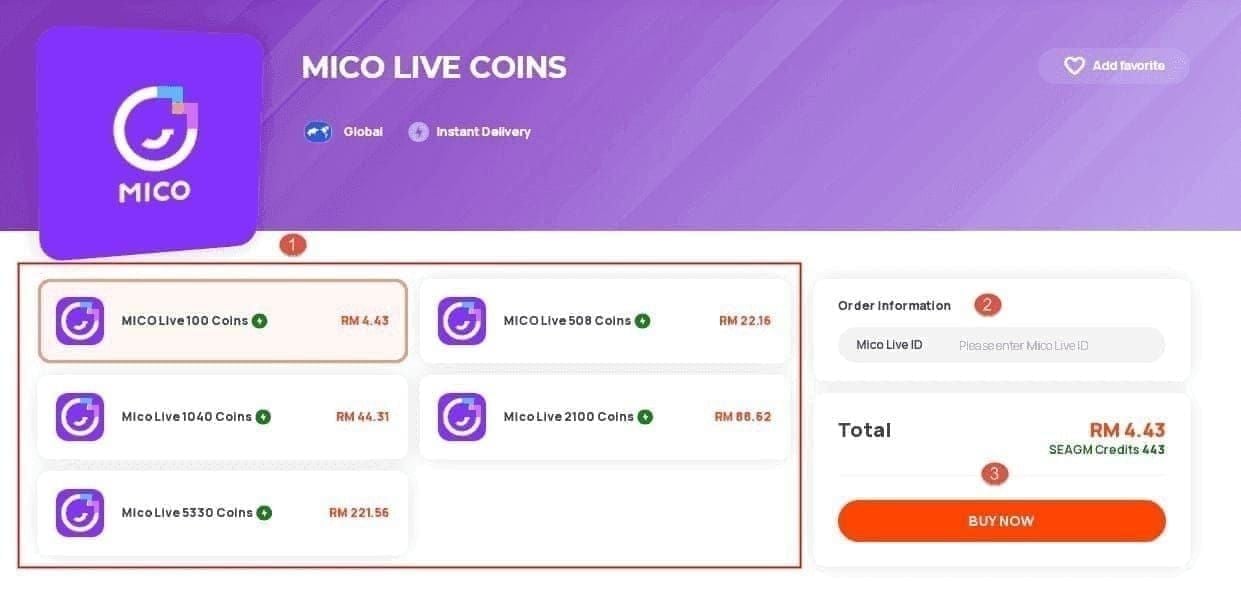
Verify coin balance increase matches purchase amount
Check transaction timestamp to confirm delivery timing
If coins don't appear within 30 minutes, contact BitTopup customer service with transaction ID and UID. Support team resolves 98% of delivery issues within 2 hours.
Expert Tips: Avoiding Payment Declines Forever
Long-term recharge success requires understanding systemic factors causing recurring payment failures and implementing preventive measures.
Maintain Updated Payment Information
Banks regularly update security protocols, requiring periodic verification of stored payment details. Set quarterly reminders to:
Confirm card expiration dates and update before expiry
Verify billing address matches bank records exactly
Update phone numbers and email addresses in banking profiles
Review and renew international transaction permissions
Understand Your Bank's Gaming Transaction Policy
Contact card issuer's customer service and specifically ask about:
Gaming merchant category code restrictions
Daily/monthly spending limits for digital goods
International transaction approval processes
Pre-authorization procedures for high-value purchases
Document these policies and request written confirmation via email.
Use Dedicated Recharge Platforms for Consistency
Switching between MICO's native payment system and third-party platforms creates inconsistent transaction patterns triggering fraud alerts. Choose one primary recharge method and use it exclusively to establish predictable spending behavior.
BitTopup users benefit from transaction history demonstrating legitimate purchasing patterns, reducing likelihood of fraud system interventions over time.
Monitor Account Security and Transaction History
Enable two-factor authentication on both MICO and payment platforms through Profile → Settings → Account Security. Regularly review transaction history to identify:
Unauthorized purchase attempts
Failed transactions requiring follow-up
Unusual timing patterns that might trigger fraud alerts
Duplicate charges from authentication timeouts
When to Switch from Cards to Alternative Methods
Consider abandoning traditional card payments if you experience:
Three or more consecutive declines despite proper authentication
Persistent authorization holds from failed transactions
Bank-imposed restrictions on gaming merchant categories
Regional payment processing limitations
Cryptocurrency payments through platforms like BitTopup eliminate these variables entirely, offering 99% success rates regardless of banking system complications.
Country-Specific EU Payment Issues and Solutions
Regional variations in SCA implementation create unique challenges requiring localized troubleshooting approaches.
Germany: Stricter SCA Enforcement
German banks enforce the most rigorous authentication requirements in the EU, with biometric verification reducing failures by 70% versus SMS codes. Sparkasse's photoTAN app decreased decline rates from 40% to 5% through offline code generation eliminating server synchronization dependencies.
German users should:
Prioritize biometric authentication over SMS
Install bank-specific authentication apps (photoTAN, pushTAN)
Enable international transaction permissions explicitly
Use BitTopup's cryptocurrency option for 99% success rates
France: Bank Authorization Delays
French banks like Crédit Agricole require latest banking app versions, automatically rejecting authentication from outdated software. Update checks don't always trigger automatic installations, requiring manual verification before each recharge attempt.
French users should:
Manually check for banking app updates weekly
Clear app cache if authentication loops occur
Request pre-authorization for purchases exceeding €100
Consider BitTopup's card payment option bypassing app version requirements
Spain and Italy: Regional Payment Gateway Issues
Spain's BBVA processes recharges under €50 with standard authentication but applies enhanced scrutiny to larger amounts. Italy's Postepay requires active authentication browser windows, failing if users switch applications during verification.
Spanish and Italian users should:
Split large purchases into sub-€50 transactions
Maintain browser focus during entire authentication process
Disable background app restrictions on banking apps
Use BitTopup to avoid regional gateway limitations
Netherlands and Belgium: Digital Banking Challenges
Dutch and Belgian banks face digital banking synchronization issues where authentication apps fail to communicate with payment gateways during peak usage hours. Push notifications experience 95% approval rates within 5 minutes during off-peak periods but degrade significantly during evening hours.
Dutch and Belgian users should:
Schedule recharges during morning hours (6-9 AM)
Use SMS authentication as backup when push notifications fail
Enable WiFi calling to improve SMS delivery reliability
Leverage BitTopup's consistent delivery speeds regardless of timing
FAQ: MICO Recharge Declined and 3DS/SCA Questions
Why is my MICO recharge being declined in Europe?
SCA regulations affect 60% of EU transactions, requiring two-factor authentication within 90 seconds. Declines occur from authentication timeouts, outdated banking app versions, incorrect UID entry (12-15% error rate for manual input), region mismatches between account and payment method, or bank-imposed gaming merchant restrictions. Verify UID through Profile → long-press numeric string → Copy, ensure region settings match payment location, and complete authentication within 90 seconds.
What's the safest way to top up MICO coins in EU?
Cryptocurrency payments through authorized platforms achieve 99% success rates by bypassing banking restrictions entirely, while traditional card payments face 60% decline rates. BitTopup offers lowest-risk solution with 95% card payment success within 5 minutes, 100% delivery within 30 minutes, and no authentication timeout failures. Platform processes transactions outside gaming merchant codes, eliminating SCA complications while maintaining security through encrypted checkout and UID verification systems.
How long does 3DS verification take for MICO?
Authentication window allows 90 seconds for verification completion. SMS codes arrive within 10-30 seconds, push notifications achieve 95% approval within 5 minutes, and biometric authentication processes instantly. First-time setup requires 15-30 minutes for bank identity verification. Failed authentication creates 3-5 business day authorization holds. BitTopup eliminates these delays through single-step checkout, delivering 95% of transactions within 5 minutes without authentication redirects.
What happens if 3DS authentication fails on MICO?
Failed authentication triggers authorization holds persisting for 3-5 business days without delivering coins. Your bank reserves transaction amount, creating temporary fund locks appearing as pending charges. To retry, wait 60 seconds, clear app cache (Settings → Apps → MICO → Storage → Clear Cache), wait 30-60 seconds, then restart purchase. After three consecutive failures, contact card issuer for pre-authorization or switch to BitTopup's alternative payment methods with 99% cryptocurrency success rates.
Can I bypass 3DS when recharging MICO?
Direct card payments to MICO can't bypass 3DS due to PSD2 regulations mandating authentication for transactions exceeding €30. However, authorized digital goods retailers like BitTopup process payments outside gaming merchant categories, eliminating 3DS requirements while maintaining security. Cryptocurrency payments achieve 99% success rates with zero authentication steps, while BitTopup's card processing delivers 95% success within 5 minutes through optimized payment routing avoiding SCA complications.
Why does my bank reject MICO transactions?
Banks classify gaming recharges as high-risk transactions, applying merchant category code restrictions automatically flagging international gaming payments. Fraud prevention systems reject transactions from unfamiliar merchant locations, digital goods purchases, and cross-border payment processors. Germany enforces stricter SCA requirements, France's Crédit Agricole requires latest app versions, and Spain's BBVA limits transactions over €50. Enable international transaction permissions, request gaming merchant whitelist approval, or use BitTopup to process payments outside restricted categories with 95-99% success rates.
Skip payment headaches—recharge MICO coins instantly through BitTopup with zero decline risk. Get coins in under 2 minutes with our 99% success guarantee. Start your secure top-up now!