Here's the reality: managing 10+ Bigo Live hosts without proper systems is like juggling flaming torches blindfolded. You're tracking streaming hours, bean earnings, event participation—and one missed detail can cost your agency $10,000-20,000 monthly. I've seen agencies crumble because they couldn't handle the complexity. The successful ones? They use structured spreadsheets that monitor everything from 30-hour monthly minimums to 40,000-bean targets with surgical precision.
Why Managing 10+ Bigo Live Hosts Requires Systematic Tracking (And Why Most Agencies Get This Wrong)
Once you hit 10 hosts, the game changes completely. Each host faces strict monthly requirements: 30 streaming hours spread across 15 days, plus bean collection targets ranging from 10,000 to 40,000 depending on their tier. Miss those targets twice? They're eliminated. Period.
Without structured tracking, everything falls apart fast. Hosts miss that critical 30-hour minimum and face 50% pay cuts. Event coordination becomes absolute chaos during those peak 7-10 PM PST hours—when earnings jump 60%. And your agency? It's hemorrhaging $10,000-20,000 in monthly revenue potential.
For agencies needing reliable cheap Bigo Live diamonds recharge, BitTopup provides secure top-up services that keep hosts motivated and event-ready.
The Complexity Threshold: When Manual Tracking Becomes Your Enemy
I've watched agencies hit the wall at exactly 10 hosts. Why? The data volume explodes overnight.
Each host generates multiple daily metrics: streaming hours (with that 2-hour daily cap), bean collections, PK battles (worth 500-750 beans each), and multi-guest sessions supporting up to 12 participants. Ten hosts create 300+ monthly data points just for basic tracking.
But here's where it gets brutal—add bean monitoring at that 210:1 conversion rate, event assignments, and tier progression tracking. You're suddenly managing 1,000+ monthly entries. Manual systems don't just fail here; they collapse spectacularly.
Real Agency Pain Points at Scale (The Stuff Nobody Talks About)
Three critical failure points emerge consistently:
Uneven workload distribution. Some hosts burn out while others coast, creating resentment and turnover.
Missed event opportunities. During major events like Mid-Year Gala (July 1-30) and ICON competitions (June-August), which provide 10-40% visibility boosts, poor coordination means lost revenue.
Unexpected tier drops. When a Tier 2 host earning $1,120 salary plus $620 in gifts suddenly falls below 25-30 hours or misses those 20,000-40,000 bean targets, they face 50% cuts. Two failures? Elimination.
The ROI of Proper Host Management Systems
Here's what the numbers actually show: structured tracking delivers 70% host retention versus 40% for manual operations. That's not just better—it's the difference between profit and loss.
Maintaining S1 hosts who earn $1,740 monthly requires consistent monitoring of 32-hour weekly performance. Advanced agencies scaling to 100 members achieve $10,000-20,000 monthly through strategic alliance building and 24/7 coverage coordination.
The math is simple. Better systems = better retention = better revenue.
Essential KPIs Every Bigo Live Agency Must Track in 2026
Four categories matter: streaming consistency, bean earnings, event participation, and audience engagement. Everything else is noise.
Tier 1 requires 20 hours plus 10,000 beans. Tier 2 demands 25-30 hours plus 20,000-40,000 beans. Elite tiers? They're hitting 800,000+ beans with 50+ hours, generating $5,000-68,000 monthly. Those are the numbers that matter.
Primary Metric: Streaming Hours and Consistency Rates
The 30-hour monthly minimum across 15 days isn't negotiable—it's payment eligibility (processed 7th-15th monthly). Those daily 2-hour caps prevent burnout, but here's the kicker: peak 7-10 PM PST generates 60% higher EXP and beans.
Strategic rotation during peak hours separates successful agencies from the rest. Consistency rates measure that 15-day frequency requirement. Successful agencies maintain 70%+ through structured scheduling, not hope.
Bean Earnings: Total, Per Hour, and Growth Trends
That 210:1 conversion rate (210 beans = $1 USD) drives everything. New hosts should target 1,500 daily beans minimum. Established hosts need higher targets based on tier requirements.
PK battles generate 500-750 beans per session—reliable income when managed properly. But growth trend analysis reveals host potential. Declining rates indicate audience fatigue requiring immediate intervention.
Successful agencies reinvest 20-30% of earnings into rebates. It's not generosity; it's smart business.
Event Slot Participation and Conversion Rates
Major events like Mid-Year Gala offer 10-40% visibility increases—but only if you're prepared. Multi-guest sessions (up to 12 participants) create collaborative opportunities that smart agencies exploit.
Peak event times require strategic assignment based on performance history, not favoritism. Testing 15-30 minutes early ensures technical readiness. High performers convert event visibility into sustained bean increases long after events end.
Audience Engagement Metrics That Actually Matter
Focus on these: 70%+ viewer retention, under 30-second chat response times, viewer-to-gifter conversion rates.
Enhancement strategies that work include polls/Q&A (40-60% interaction boost), VIP recognition (10-30% EXP boost), and top 10 viewer greetings (40% visibility increase). Return viewer rates indicate content consistency and loyalty development—the foundation of sustainable earnings.
Building Your Host Tracking Spreadsheet: Step-by-Step Setup
Forget complicated systems. You need structured columns, automated formulas, and visual indicators that support rapid data entry and instant assessment for 10+ hosts.
For agencies requiring Bigo Live live stream top up services, BitTopup offers secure diamond purchases supporting host incentives and event preparation.
Core Columns: Host ID, Name, Tier, and Contact Info
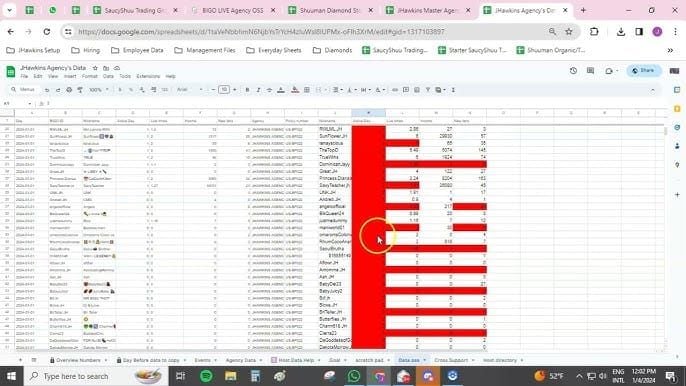
Your foundation includes unique Host ID, display names, real names for payments, current tier status. Contact information: phone, email, communication preferences—because when problems arise, you need immediate contact.
Tier tracking captures current status, targets, progression timelines with specific requirements (Tier 1: 20 hours + 10,000 beans; Tier 2: 25-30 hours + 20,000-40,000 beans). Additional columns: recruitment date, agency start date, assigned manager.
Daily Tracking Section: Hours, Beans, Event Slots
Daily columns capture everything: streaming hours (start/end times, duration, peak participation), bean collection (opening balance, session earnings, PK results, closing totals), event participation (multi-guest up to 12 seats, themed events, preparation time 15-30 minutes early).
Quality metrics include viewer count, chat engagement, technical issues, audience feedback. These aren't vanity metrics—they predict performance trends.
Weekly Summary Calculations and Formulas
Automated formulas calculate total hours, beans per hour average, event frequency, tier progress percentages toward monthly targets. Bean efficiency divides total beans by hours to identify top performers requiring additional support or promotion consideration.
Growth trends track week-over-week improvements in collection, consistency, engagement with percentage changes. Declining trends trigger intervention protocols.
Color-Coding System for Performance At-a-Glance
Green: exceeding targets. Yellow: on-track. Red: requiring intervention.
Critical alerts for elimination risk (two missed requirements), payment eligibility concerns (under 30 hours/15 days), advancement opportunities. Conditional formatting triggers: 50% progress (yellow), 80% completion (green), below 25% (red).
Visual systems prevent oversight during busy periods.
Bean Tracking Systems: How Agencies Monitor Earnings Accurately
That 210:1 conversion rate requires precise monitoring for payment processing and tier verification. Live Data platform 48-hour refresh cycles combined with manual verification logs capture real-time trends.
Dual tracking identifies discrepancies for accurate monthly calculations during that 7th-15th payment window. Accuracy here isn't perfectionism—it's survival.
Daily Bean Collection Methods and Verification
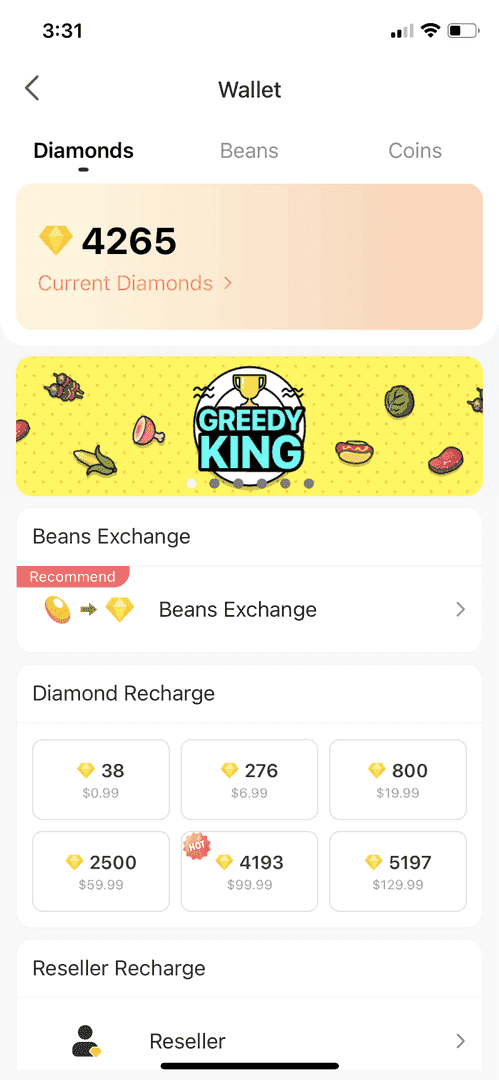
Track opening balance via Live Data platform, document earning sources (gifts, PK battles 500-750 beans, multi-guest sessions), verify closing totals. Screenshot significant sessions, cross-reference platform data, investigate 5%+ variances immediately.
Source categorization matters: direct gifts, PK winnings, event bonuses, multi-guest contributions. Different sources indicate different host strengths and audience relationships.
Calculating Beans Per Hour for Performance Benchmarking
Divide session beans by streaming duration excluding preparation/breaks. New hosts should target 750+ beans/hour first month. Established Tier 2 hosts need 1,000-1,500 beans/hour for those 20,000-40,000 monthly requirements.
Peak hours (7-10 PM) generate 60% higher rates—track separately for scheduling optimization. This data drives rotation decisions and performance coaching.
Tracking Bean Sources: Gifts vs Events vs PK Battles
Gift tracking reveals loyal relationships (40-60% from repeat viewers). PK success shows competitive skills (60%+ win rates). Event participation demonstrates adaptability.
Unusual patterns require investigation: 25%+ weekly drops indicate serious issues, suspicious spikes need verification, erratic patterns suggest underlying problems requiring immediate attention.
Streaming Hours Management: Setting and Monitoring Targets
That 30-hour monthly minimum across 15 days with 2-hour daily maximum isn't arbitrary—it's platform policy. Peak 7-10 PM PST coordination for 60% earning boost requires strategic thinking.
Tier-specific requirements: Tier 1 (20 hours), Tier 2 (25-30 hours), elite tiers (50+ hours for $5,000-68,000 potential). These aren't suggestions.
Industry Standard: Minimum Hours for Active Host Status
30 hours across 15 days for payment eligibility (7th-15th processing). Missing targets twice triggers elimination—no appeals, no exceptions.
Daily distribution should avoid clustering. Prefer 2-hour sessions across 15+ days for audience consistency versus concentrated periods creating viewer confusion and reduced engagement.
Peak Time Slot Allocation Across 10+ Hosts
7-10 PM PST rotation ensures fair access to that 60% earning boost. Strategies include performance-based priority, equal distribution, hybrid approaches.
24-hour advance notice for changes, backup coverage, accountability for violations. Emergency systems maintain reliability during absences. Peak time access drives retention and performance.
Overtime vs Burnout: Finding the Balance
2-hour daily caps with additional opportunities through multi-guest participation, PK battles, events. Burnout prevention includes mandatory rest, performance monitoring for quality decline, regular wellbeing check-ins.
Quality metrics identify early burnout through declining engagement, reduced efficiency, increased technical issues. Prevention costs less than replacement.
Event Slot Coordination for Multiple Hosts
Major events (Mid-Year Gala July 1-30, ICON June-August) provide 10-40% visibility boosts. Multi-guest sessions (up to 12 participants) create collaborative opportunities requiring strategic coordination and fair rotation systems.
Event management separates professional agencies from amateur operations.
Fair Distribution Models for Event Opportunities
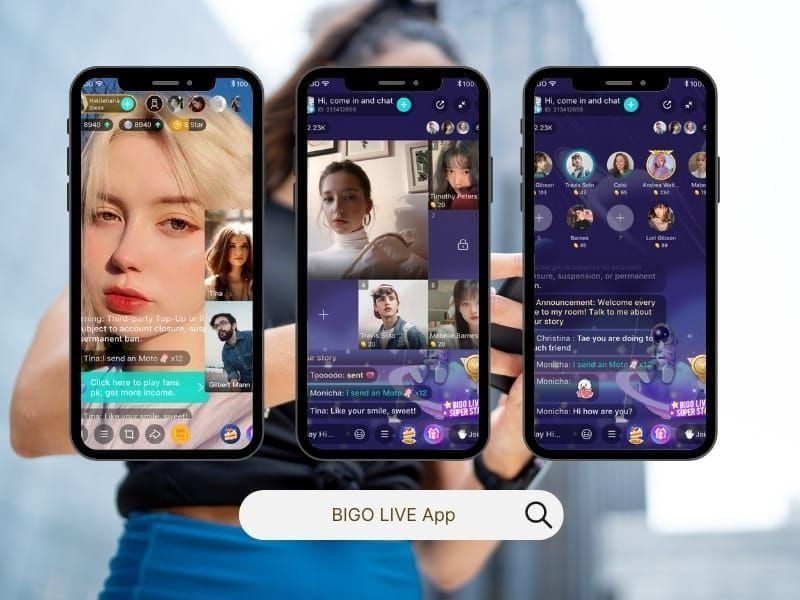
Rotation ensures equal access while performance-weighted systems allocate premium slots based on results. Hybrid approaches use tiered categories: major revenue events for top performers, development events for equal access.
Weekly cycles with monthly patterns accommodate varying schedules. Documentation prevents disputes and ensures transparency.
Tracking Event Performance by Host and Event Type
Document participation frequency, earnings, engagement, collaboration success. Event type analysis reveals specialization patterns—some excel in PK battles, others in multi-guest sessions.
Performance improvement tracking shows development over time supporting tier advancement decisions. Data-driven event assignments maximize revenue potential.
Preparing Hosts for High-Value Event Slots
Technical testing 15-30 minutes early, content planning, engagement strategy development, participant coordination. Equipment verification, internet stability, platform familiarization with backup plans.
Theme development, interaction planning, goal setting for bean collection and engagement targets. Preparation determines event success more than natural talent.
Host Performance Tiering and Review Cycles
S-tier: consistently exceed requirements, 70%+ retention, leadership potential. A-tier: meet requirements with occasional excellence. B-tier: achieve basics with improvement potential. C-tier: require intervention or face elimination after two consecutive requirement failures.
Clear tiering prevents favoritism accusations and provides advancement pathways.
Weekly Performance Reviews: What to Analyze
Streaming consistency, bean trends, engagement patterns, monthly goal progress. Week-over-week comparisons reveal patterns with seasonal adjustments.
Goal adjustment opportunities when circumstances change or targets prove unrealistic. Flexibility within structure maintains motivation while preserving standards.
Monthly Deep Dives and Goal Setting Sessions
Comprehensive assessment covering all KPIs, tier advancement, career development. Balance host ambitions with realistic achievement based on historical performance.
Career discussions explore long-term objectives, skill development, leadership opportunities. Investment in host development reduces turnover and builds loyalty.
Promotion and Demotion Criteria Between Tiers
Promotion requires consistent performance exceeding current tier for two consecutive months plus leadership potential demonstration. Demotion occurs after two consecutive failures, though first failure may receive additional support.
Appeal processes allow reconsideration for extenuating circumstances. Clear criteria prevent disputes and maintain fairness.
Common Mistakes Agencies Make Managing Multiple Hosts
Inadequate tracking, unrealistic expectations, insufficient communication cause host elimination, reduced revenue, operational inefficiencies preventing successful scaling.
Learn from others' mistakes instead of making your own.
Misconception: All Hosts Should Have Identical Targets
Identical targets ignore individual circumstances, demographics, capabilities. Customized setting considers experience, time commitments, audience development, advancement timeline.
Performance potential varies by personality, content style, audience appeal. One-size-fits-all approaches drive away talent and reduce overall performance.
The Danger of Tracking Too Many Vanity Metrics
Excessive tracking creates analysis paralysis. Focus on essential KPIs: hours, beans, events, engagement versus secondary indicators.
Vanity metrics like followers may not correlate with bean collection. Streamlined systems focus on actionable insights driving real improvement.
Why Manual Data Entry Creates Accountability Gaps
Manual entry introduces errors, enables misrepresentation. Automated Live Data integration provides accurate, verifiable documentation.
Verification systems combine automated data with manual spot-checking. Regular audits identify discrepancies early before they become major problems.
Scaling Beyond 10 Hosts: Advanced Management Tactics
Elite agencies managing 50-100+ hosts implement hierarchical structures, automated systems, strategic alliances enabling sustainable growth while maintaining standards.
Scaling requires systems thinking, not just adding people.
When to Hire Assistant Managers or Team Leads
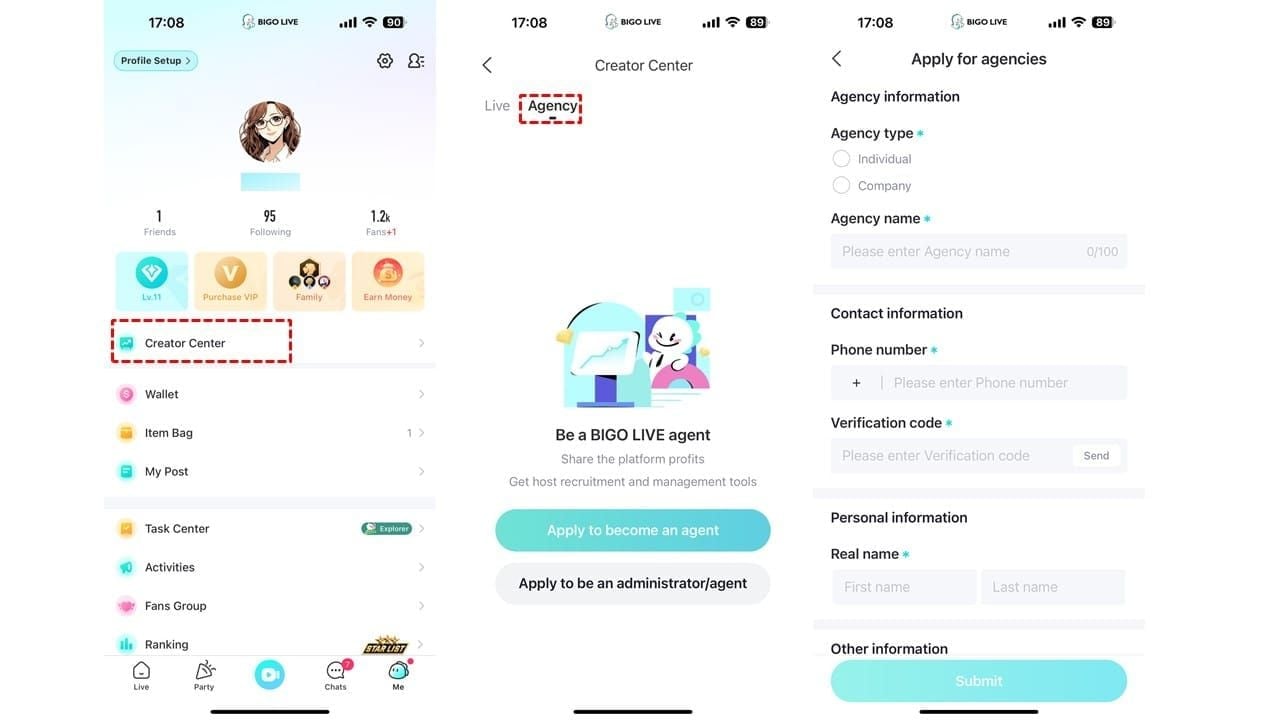
Necessary beyond 15-20 hosts due to communication bandwidth limitations. Team leads manage 5-8 hosts effectively.
Internal promotion from successful hosts provides advancement opportunities ensuring cultural fit. Compensation includes base plus performance bonuses tied to team success.
Automation Opportunities Without Losing Personal Touch
Live Data integration, performance reporting, scheduling tools reduce manual work while preserving coaching time. Automated alerts for performance issues, advancement opportunities enable proactive intervention.
Balance efficiency with intentional communication, regular meetings, achievement celebrations. Technology supports relationships, doesn't replace them.
Building Host Communities for Peer Motivation
Peer support networks reduce management burden while providing motivation, knowledge sharing. Activities include mentorship programs, group training, social events, collaborative projects.
Recognition programs create positive reinforcement cycles benefiting individuals and agency performance. Community building scales culture effectively.
Optimizing Your Host Management with BitTopup Support
BitTopup provides reliable diamond top-up services, competitive pricing, secure processing enabling agencies to maintain motivation, support events, provide incentives driving performance and retention.
Smart agencies leverage external services for competitive advantage.
How BitTopup Helps Agencies Maintain Host Motivation
Consistent incentive programs through reliable service ensure promised rewards without delays. Competitive bonuses for tier advancement, exceptional performance, collaboration support retention while encouraging excellence.
Recognition programs provide meaningful rewards demonstrating appreciation. Reliable service prevents disappointment undermining motivation systems.
Streamlining Bean Top-Ups for Host Incentives
Immediate rewards for exceptional performance, advancement achievements, collaborative success. Quick processing ensures timely delivery maintaining motivation momentum.
Bulk purchasing supports agency-wide programs with volume discounts enabling generous rewards while maintaining cost efficiency. Strategic purchasing reduces administrative overhead.
Using BitTopup for Event Preparation and Boosts
Event preparation requires additional resources for optimal performance during high-value opportunities. Strategic boost timing enhances performance during peak earning periods.
Cost-effective programs enable host support without excessive expenses while maintaining profitability. Investment in host success generates returns through improved performance.
Frequently Asked Questions
How many hosts can one manager effectively handle on Bigo Live? 15-20 hosts maximum before requiring assistant managers. Beyond this, communication bandwidth and coordination demands compromise performance monitoring and relationship maintenance. Quality suffers when managers spread too thin.
What are the minimum KPIs agencies must track for Bigo Live hosts? Monthly streaming hours (30 minimum across 15 days), bean collection totals, tier requirement progress, event participation rates. These directly impact payment eligibility and revenue generation—everything else is secondary.
How do you calculate beans per hour for performance benchmarking? Divide total session beans by streaming duration excluding preparation/breaks. New hosts target 750+ beans/hour, established performers aim 1,000-1,500 beans/hour based on tier requirements. Peak hours tracked separately.
What streaming hours target should agencies set for hosts? 30 hours monthly across 15 days minimum for payment eligibility, 2-hour daily caps. Peak 7-10 PM PST slots rotated fairly considering 60% earning boost. Tier-specific requirements add additional expectations.
How often should agencies conduct host performance reviews? Weekly check-ins for immediate concerns and progress tracking, monthly deep-dive evaluations for comprehensive assessment and goal setting. This ensures timely intervention with thorough documentation.
What spreadsheet columns are essential for tracking multiple hosts? Host ID, name, tier status, daily hours, bean collection, event participation, performance calculations with color-coding for visual assessment and automated formulas for efficiency metrics. Keep it focused on actionable data.