

Morse (Luke Everley) drops April 21, 2026 as Season Echo's new Recon operator — and the hype is real. Here's the direct answer anyway: Morse is a situational A-tier pick, not the meta-defining operator his trailer suggests. F2P players can skip him. Competitive ranked players should stick with Luna and Raptor. He's genuinely interesting — just not for everyone.
Verdict: Is Morse Worth Pulling?
Skip unless you have a specific reason. Morse's kit is cohesive and creative, but it depends heavily on enemy behavior and map type in ways most operators don't. His ceiling is real. His floor is frustrating.
F2P players: Spend on Luna or Raptor. Both deliver consistent intel regardless of how quietly the enemy moves. Morse's passive literally requires enemies to make noise — coordinated ranked teams often won't.
Spenders and collectors: Pull him. His acoustic warfare theme is unique in the current roster, and if Season Echo's balance patches favor sound-detection mechanics, he climbs fast. The risk calculus is different when resources aren't the constraint.
Why this is controversial: Pre-launch reception has been overwhelmingly positive. The "aggressive recon" playstyle Morse enables is something the current meta genuinely lacks. The overrated label isn't about him being bad — it's about the gap between launch hype and what the kit actually delivers under pressure. That gap matters when you're spending premium currency.
Morse's Full Kit — What You're Actually Getting
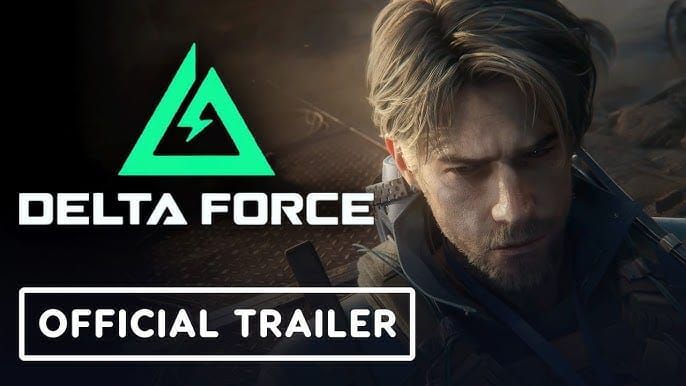
Every ability feeds one idea: acoustic warfare. Hear the enemy, disrupt their hearing, strike. Tight design philosophy — but tight design also means narrow application.
Passive: Sound Detection
Morse hears enemy heartbeats and footsteps, revealing them as red markers on screen. Always-on intel in theory. In practice, it's map-dependent. On Zero Dam or Space City — dense, close-quarters environments — this passive is genuinely powerful for aggressive flanks and pre-aim setups. On open Warfare maps? Close to useless. Enemies at range don't trigger meaningful audio cues, and it offers zero value against teams playing slow or prone.
Active 1: Resonance Jammer
His most versatile tool. Throw it into a room and enemies inside get slowed movement, impaired vision and hearing, and reduced audio detection range. There are even reports of it triggering pain reactions — thematically on-brand and tactically useful for confirming positions.
What makes it genuinely strong: it disrupts enemy communication and their ability to track Morse simultaneously. A two-way audio blackout no other Season Echo operator replicates.
Active 2: Delayed Flashbang
A timed flashbang that detonates after a set delay. The delay adds mind-game potential — enemies who hear the throw may reposition directly into the blast. Skilled players use this to funnel rather than just blind reactively. Still, this is the weakest ability in his kit for ranked. Flashbangs are flashbangs. The delay adds skill expression without raising the ceiling.
Ultimate: Advanced Sonar Device
Scans an area, first revealing enemy count, then marking noisy enemies with sonar pulses. The two-stage reveal is smart design — your team gets time to react to the number before committing to positions. But "noisy enemies" is the critical qualifier. Against a disciplined team holding angles quietly, the ultimate may mark zero targets after the initial count. That's a wasted ultimate in a ranked standoff.
Does the Kit Cohere?
Yes — conditionally. The problem is that the entire system breaks down against one counter: silence. Teams that move slowly and avoid unnecessary noise exposure hard-counter Morse's passive, jammer, and ultimate simultaneously. That's not a niche scenario in ranked play.
Where Morse Actually Works
Best Maps and Modes
Community analysis points clearly to Zero Dam and Space City. Both feature tight corridors, vertical movement, and constant audio cues from enemy rotations. Morse's passive becomes a near-permanent minimap advantage on these maps, and the jammer locks down chokepoints teams repeatedly contest.
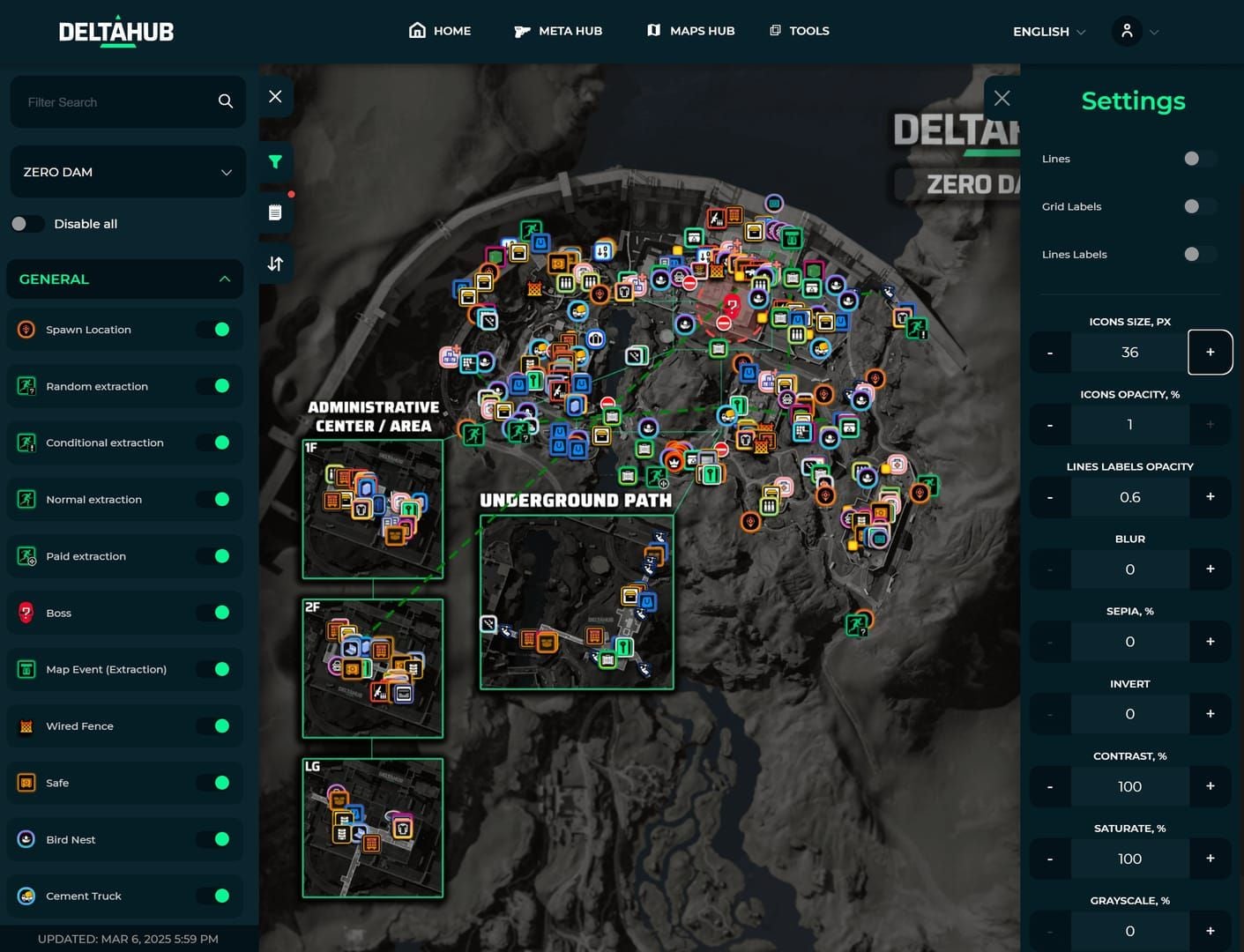
In Operations modes with objective-based play, the sonar ultimate shines during site-clearing phases where enemies are forced to move.
Team Comps That Unlock His Value
Morse works best alongside aggressive entry fraggers who act on his intel immediately. Pair him with D-Wolf or Nox for a push-and-disrupt comp: Morse jams the room, D-Wolf enters with the audio advantage. The ultimate becomes a pre-push tool rather than a reactive one.
He also synergizes with Stinger — Stinger handles area denial while Morse handles audio intel, creating layered information that can overwhelm less coordinated teams.
Where He Genuinely Outperforms Alternatives
One scenario stands out: aggressive recon on sound-heavy maps against mechanically noisy teams. In casual modes or lower-ranked brackets where enemies don't optimize movement, Morse's passive delivers value that feels almost unfair. This is where the "super good aggressive recon" hype comes from — and in those contexts, it's not wrong.
The Overrated Case: Where Morse Falls Short
This is what most hype-driven content skips.
The core problem: Morse's kit is reactive to enemy behavior, not proactive. Luna marks enemies regardless of what they do. Raptor's EMP scanner doesn't care if the enemy is crouching silently. Morse needs the enemy to cooperate with his kit — and in ranked play, they won't.
Ability limitations in ranked:
The delayed flashbang requires prediction in fast-paced engagements where reaction time matters more than mind games
The jammer's throw range limits it in large open spaces
The ultimate can completely whiff in tense standoffs where both teams are holding angles quietly
Hard counters: Any disciplined slow-play team counters his passive and ultimate simultaneously. On open Warfare maps — confirmed as a weak environment — his kit offers almost no consistent value. He also has no hard escape or self-peel ability, so aggressive recon plays that go wrong leave him exposed.
The hype gap: Pre-launch trailer analysis focuses on Morse's best-case scenarios — close corridors, noisy enemies, perfect jammer placement. That's not representative of ranked play. No official win rate or pick rate data exists yet. All current assessments are trailer-based, and that's a critical caveat every honest review needs to state clearly.
Morse vs. Season Echo Alternatives
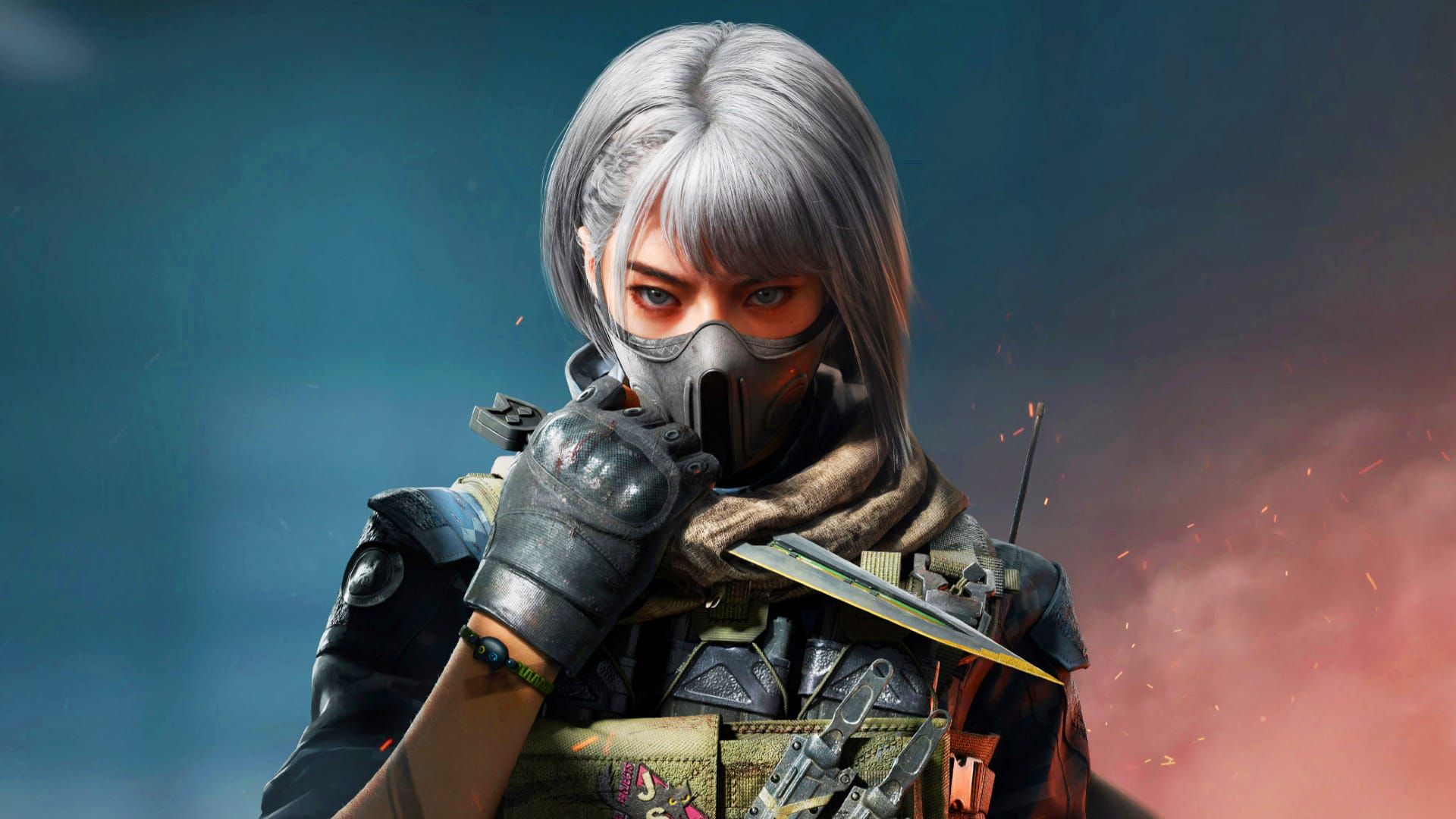
Morse vs. Luna: Luna dominates the Recon slot at SS tier. Her intel doesn't require enemy noise, specific maps, or team coordination. Morse's passive is more immersive; Luna's kit is more reliable. Reliability wins in ranked.
Morse vs. Raptor: Raptor's EMP and scanner utility provides consistent area scanning regardless of enemy movement style. Morse is more fun in casual; Raptor is more consistent in competitive. Single pull choice? Raptor edges Morse in ranked utility.
If you're planning to pull for any top-tier Season Echo operators, getting your currency sorted before the banner window closes matters — Delta Force recharge best price through BitTopup lets you top up quickly without overpaying on the timer.
What the Community Is Actually Saying
Sentiment pre-launch is positive but cautious. High-level players acknowledge Morse's creative kit while consistently placing him below Luna and Raptor in practical tier rankings. The "aggressive recon" framing resonates with players who find current Recon operators too passive — but experienced ranked players note that passive intel (Luna's style) wins more games than aggressive intel (Morse's style) in coordinated play.
The players most excited about Morse are those who prioritize playstyle expression over meta efficiency. That's a valid reason to pull. It's just not a meta reason. Competitive players are largely holding resources for post-launch performance data before committing — and that's the smart play.
Should You Pull? By Player Type
F2P: Hard skip. Luna and Raptor deliver more consistent ranked value per resource spent. Morse is a luxury pick — genuinely fun, not efficient enough to justify limited premium currency when established meta operators are available. Wait two weeks post-launch; if he proves stronger than expected, reassess.
Competitive ranked: Skip until data emerges. The meta favors map-agnostic intel. Morse's conditional performance is a liability when you can't control map selection every game. If early Season Echo data shows him performing in ranked Operations modes, revisit.
Casual players: Pull if the playstyle appeals. Sound-based recon is unique and fun in casual modes where enemies aren't optimizing movement. If you enjoy the acoustic warfare fantasy, Morse delivers on it in the right contexts.
Spenders and collectors: Pull without hesitation. His kit is distinctive enough to justify a collection pull, and early investment pays off if balance patches favor his mechanics.
Managing Your Season Echo Resources
The general principle: pull on confirmed meta-viable operators, not launch-window hype. Morse is a case study in why waiting two weeks post-launch for real performance data is worth the discipline.
For free currency, focus on Season Echo Battle Pass completion, daily mission chains, and event rewards — these stack meaningfully over a season cycle and can fund one to two full operator pulls without spending.
When you do decide to spend, timing matters. Banner windows are finite, and running out of currency mid-banner is a frustrating way to miss a pull. For players who want to top up before the Morse or future Season Echo banners close, buy Delta Force gems cheap through BitTopup — fast delivery and competitive rates mean your currency arrives before the window does.
Final Verdict: Overrated, Underrated, or Misunderstood?
Misunderstood is the most accurate label. The overrated criticism comes from the gap between best-case trailer performance and average-match ranked output. Quick summary:
Passive is map-dependent — transformative on Zero Dam, irrelevant on open Warfare maps
Jammer is his best ability — unique disruption no current Season Echo operator replicates
Ultimate is high-ceiling, high-variance — can swing a round or whiff entirely depending on enemy behavior
Competition is stiff — Luna and Raptor set a bar Morse doesn't consistently clear
Morse is the kind of operator who makes highlight clips and loses ranked matches. That's not a condemnation — it's a profile. Know which player you are before you pull.
FAQ
Is Morse good in Delta Force Season Echo? Situationally good — A-tier on close-quarters maps like Zero Dam, significantly weaker on open Warfare maps. Not meta-dominant, but has a real ceiling in the right team comps.
Should F2P players pull for Morse? No, not as a priority. Luna and Raptor offer more consistent ranked value. Skip unless you have surplus resources after securing higher-priority operators.
What are Morse's best and worst maps? Best: Zero Dam, Space City (tight corridors, constant audio cues). Worst: open Warfare maps where sound detection range is irrelevant and enemies operate at distance.
How much does Morse cost to pull? Operators in Delta Force typically run around 500 Delta Coins or equivalent Battle Pass resources. Morse's exact price isn't officially confirmed pre-launch — check the in-game shop on April 21, 2026.
Who counters Morse? Any team running disciplined slow-play or operating on open maps. His passive and ultimate both require enemy noise to function — silent, coordinated teams hard-counter his entire kit.
Is Morse better than Luna? No. Luna sits at SS tier with map-agnostic intel that works regardless of enemy behavior. Morse is A-tier situational. Luna is the better ranked pick in almost every scenario.