

The COA IX tournament meta prioritizes strategic counter-picks over mirror matches. This guide analyzes seven characters dominating competitive play (January 8-28, 2026) with tournament stats and pro team strategies. Learn which characters MRC, Wolves, Zeta Division, and REJECT spam, optimal ban decisions, and counter-pick execution separating winners from eliminations.
Understanding the COA IX Meta Revolution
Call of the Abyss IX represents a fundamental shift in Identity V competitive strategy. Pro teams now build entire compositions around exploiting opponent weaknesses rather than relying on raw character strength.
Season 39 (started September 17, 2026) introduced critical balance changes reshaping character viability. Healing efficiency dropped to 165%, making sustain strategies less reliable. Rescue operations became 10-15% faster, fundamentally altering chase dynamics and forcing hunters to adapt camping strategies.
For competitive play, full character roster access is essential. Identity V Echoes top up online through BitTopup ensures immediate counter-pick character unlocks with secure transactions and competitive pricing.
The meta now rewards flexibility over specialization. Teams mastering multiple counter-picks gain decisive draft advantages, forcing opponents into uncomfortable matchups regardless of preferred playstyle.
The 7 Counter-Picks Dominating COA IX
Counter-Pick #1: Antiquarian - Ultimate Flex Pick
Antiquarian boasts 49% chair rescue success rate during Stage 1 rescues. Her Mechanical Flute enables consistent 60-second kites against aggressive hunters, providing reliable time generation regardless of map or opponent composition.
The flute destroys hunter interactables and silences abilities, creating unique counter-play. Against Breaking Wheel's 80% speed boost, Antiquarian neutralizes momentum by silencing acceleration at critical chase moments. Against Dream Witch (75-80% pick/ban rate), the flute disrupts follower coordination during multi-target pressure.
Pro teams position Antiquarian out of sight during hunter pickup animations, approaching downed teammates without telegraphing rescue intentions. Combined with extended kite duration, she's the premier first-pick survivor in flexible compositions.
Optimal Persona Build:

Knee Jerk Reflex: +20-30% post-vault speed, 3s duration, 40s cooldown
Flywheel Effect: 0.5s dash immunity (Persona 129)
Borrowed Time: 50% speed boost and healing, 120s cooldown
Counter-Pick #2: Mechanic - Cipher Rush Specialist
Mechanic's robot provides 200% decoding speed, completing ciphers in 81 seconds when optimally positioned. This forces hunters into impossible decisions: commit to extended chases while ciphers disappear, or abandon pressure to patrol machines.
Against map-control hunters like Night Watch, Mechanic's remote decoding bypasses corruption spread mechanics. While Night Watch spreads Ivy, Mechanic positions her robot in safe zones, maintaining consistent cipher progress regardless of hunter positioning.
Pro teams use specific communication: ping Focus on Decoding! when ready to pop ciphers simultaneously, creating overwhelming pressure. Teams hold cipher pops when receiving Hunter near me pings, preventing wasted progress during rescue windows.
Critical Technique: Against Hermit, never stop ciphers at 99%. Hermit teleports to shaking ciphers, turning traditional cipher pop coordination into a liability. Complete ciphers immediately when everyone's healthy, denying his primary map pressure tool.
Counter-Pick #3: Priestess - Portal Dominance Queen
Priestess maintains 80% ban rate in pro play. Her portals fundamentally break map geometry on specific venues, creating escape routes certain hunters can't counter. On Sacred Heart Hospital, Priestess enables kiting around perimeter walls and ruins that would otherwise be death traps.
Against Sculptor (34/35 professional rating), Priestess portals allow instant escape from statue-blocked areas. When Sculptor positions statues to cut off traditional routes, a well-placed portal negates hours of statue placement strategy.
Portals extend beyond personal survival. Pro teams use Priestess to create rescue corridors bypassing hunter camping positions entirely. On Moon River Park, portals connecting to the two-story tent create defensive positions forcing hunters to overcommit.
Map-Specific Portal Strategies:
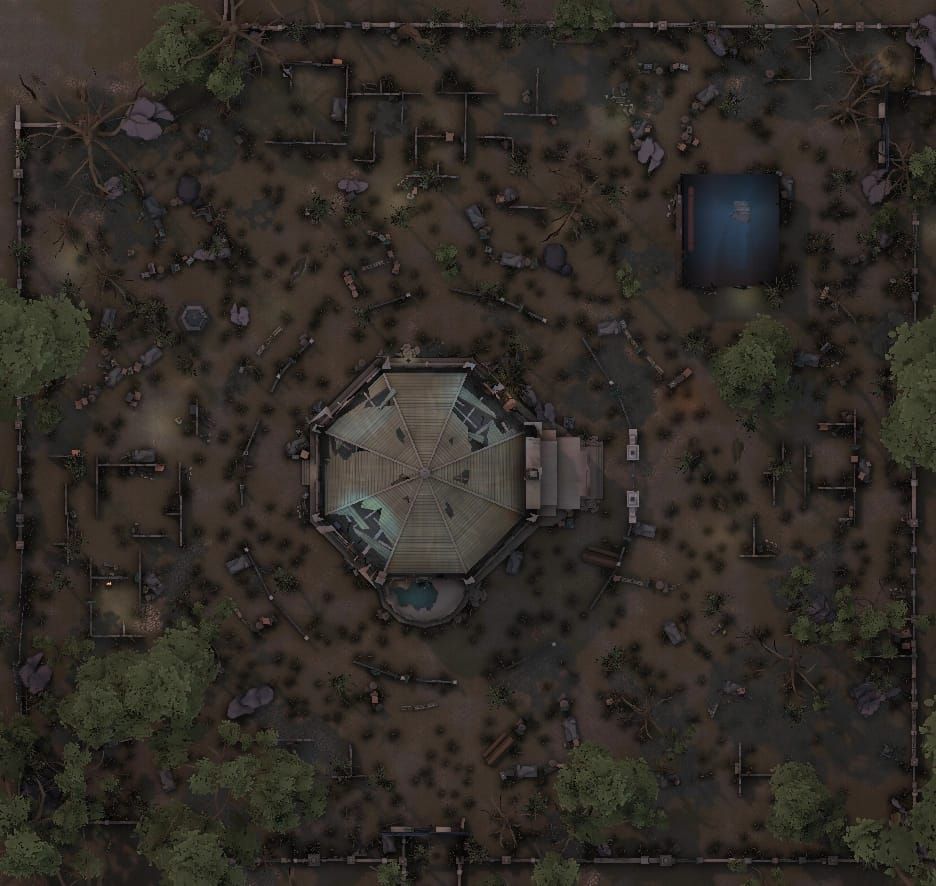
Sacred Heart Hospital: Connect hospital building to perimeter walls, break pallets early inside to force extended outdoor chases
Leo's Memory: Create factory escape routes; pros abandon chases when survivors reach factory with portal support
Moon River Park: Defend two-story tent with vertical portals exploiting elevation advantages
Counter-Pick #4: Breaking Wheel - Speed Demon Hunter
Breaking Wheel dominates COA IX with perfect 35/35 professional rating, leveraging 80% speed boosts making traditional kiting unreliable. His acceleration counters vault-dependent survivors, closing gaps before survivors chain safe pallet loops.
Against Mercenary's 60-second kite potential with 3-hit absorption, Breaking Wheel's sustained speed forces elbow pad usage earlier than optimal. While Mercenary typically reserves damage absorption for late-game rescues, Breaking Wheel's pressure demands defensive resource expenditure during first chases.
His tournament dominance stems from ignoring traditional chase mechanics. Survivors relying on Knee Jerk Reflex's post-vault speed find the advantage negated by Breaking Wheel's superior base movement. This forces risky Flywheel Effect plays, using 0.5s dash immunity directly into hunter attack animations.
Advanced Flywheel Counter-Technique: The Window Fake involves running toward a window, then activating Flywheel sideways at the last moment. This baits Breaking Wheel into committing to vault animation while the survivor escapes laterally, creating distance even his speed boosts struggle to close.
Counter-Pick #5: Dream Witch - Multi-Pressure Nightmare
Dream Witch's 35/35 rating and 75-80% pick/ban rate reflect unparalleled ability to pressure multiple survivors simultaneously. Her follower mechanics counter cipher rush by threatening multiple decoding survivors at once, forcing teams to abandon optimal positions.
Against Mechanic's robot strategy, Dream Witch pressures both robot location and Mechanic's hiding spot simultaneously. This dual-threat capability makes her the premier counter to decoding-focused compositions relying on splitting hunter attention.
Pro teams counter Dream Witch through coordinated body blocking. When the kiter exhausts pallets and items, teammates position to absorb follower hits, extending chase duration beyond Dream Witch's pressure window.
Dream Witch Counter-Play: Teams assign specific survivors to follower harassment roles, using characters like Cowboy on elevation maps to constantly disrupt follower positioning without committing to full chases. This forces Dream Witch to waste time repositioning followers instead of applying meaningful pressure.
Counter-Pick #6: Seer - Vision Control Specialist
Seer's owl provides critical information enabling counter-play against ability-dependent hunters. Against Night Watch's corruption spread, Seer tracks exact Ivy positions, allowing teams to route around contaminated areas while maintaining optimal decoding efficiency.
The owl counters stealth-based hunter strategies. Against Geisha's dash mechanics, Seer provides advance warning enabling survivors to pre-position near safe pallets, negating Geisha's surprise attack advantage.
Pro teams use Seer's owl for rescue timing optimization. By tracking exact hunter positions during chair camping, teams execute frame-perfect rescues using Tide Turner's 20s invincibility window (Persona 36), maximizing rescue success while minimizing risk.
Tournament Value: Beyond vision control, Seer's owl provides psychological pressure. Hunters aware of constant surveillance often alter patrol patterns suboptimally, creating cipher pressure opportunities that wouldn't exist against vision-blind teams.
Counter-Pick #7: Mercenary - Rescue Specialist
Mercenary's 60-second kite potential combined with 3-hit absorption makes him the premier rescue character in COA IX meta. His elbow pads enable aggressive rescue plays that would result in trades with other survivors, converting losing scenarios into winnable positions.
The key to Mercenary's pro viability lies in post-rescue routing. After executing rescues, Mercenary must run away from active ciphers, drawing hunter attention toward empty map areas. This prevents hunters from securing both a down and cipher pressure simultaneously.
Against Breaking Wheel's speed advantage, Mercenary's damage absorption provides the buffer needed to reach safe pallet loops. While other survivors get caught in dead zones, Mercenary's elbow pads guarantee arrival at defensive positions, forcing hunters into extended chases regardless of mobility advantages.
Mercenary Persona Optimization:
Tide Turner (Persona 36): 20s invincibility post-rescue ensures safe unhooks even against camping hunters
Borrowed Time: 50% speed boost, 120s cooldown enables escape from post-rescue pressure
Knee Jerk Reflex: Post-vault speed stacks with elbow pad protection for maximum chase extension
Hunter vs Survivor Matchup Matrix
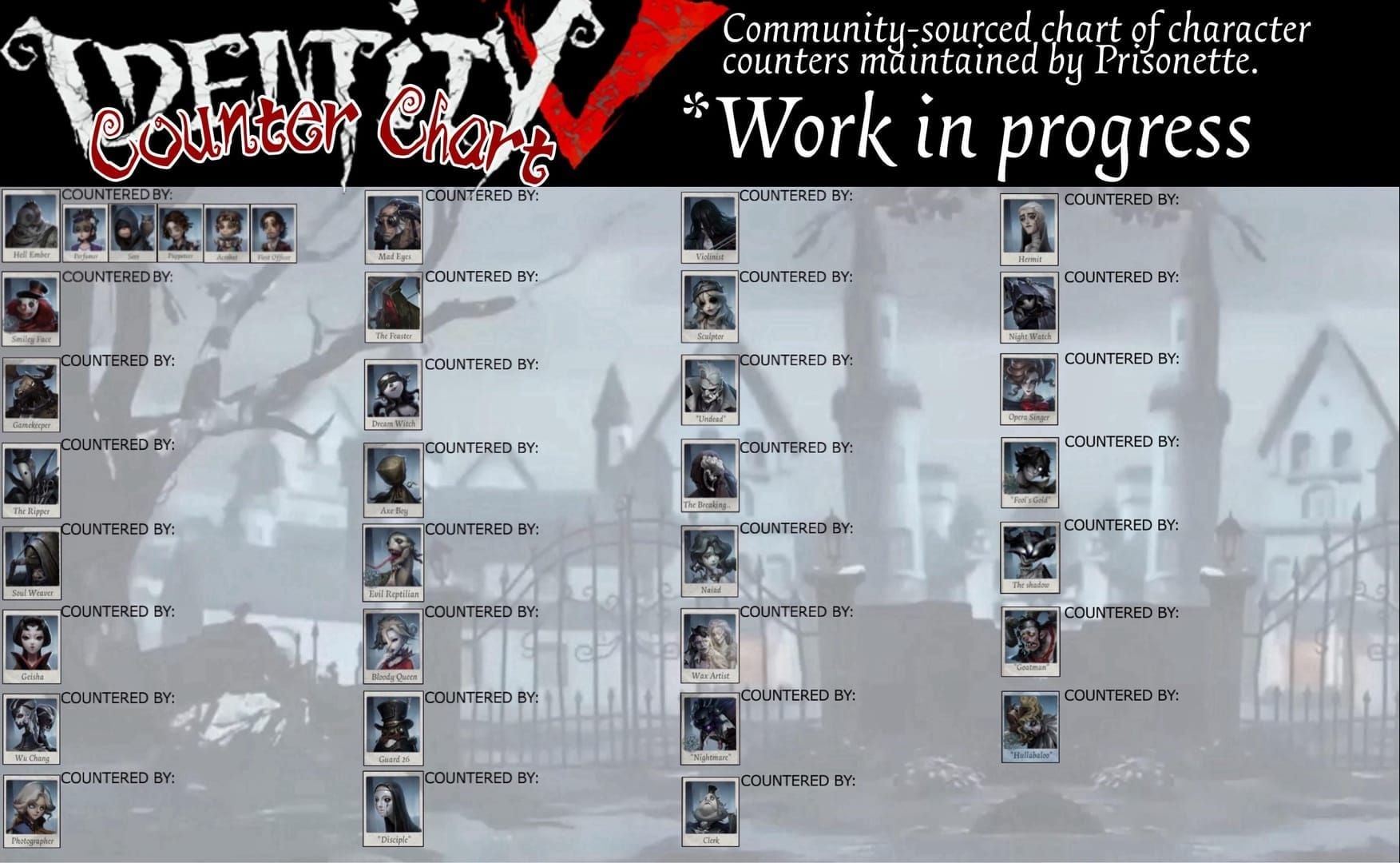
Understanding specific character matchups determines draft phase success. Pro teams memorize these interactions to exploit opponent composition weaknesses.
Breaking Wheel:
Struggles against: Priestess (portals negate speed), Antiquarian (flute silences acceleration)
Dominates: Seer (owl provides no chase advantage), basic kiting survivors without mobility tools
Sculptor:
Struggles against: Priestess (portals bypass statue blockades), Mechanic (robot ignores statue pressure)
Dominates: Survivors dependent on specific kiting routes statues can permanently block
Dream Witch:
Struggles against: Coordinated body-blocking teams, Cowboy harassment on elevation maps
Dominates: Solo queue teams without communication, cipher rush compositions
Night Watch:
Struggles against: Mechanic (robot bypasses corruption), Seer (owl tracks Ivy spread)
Dominates: Melee-range survivors forced into contaminated areas
Geisha:
Struggles against: Seer (owl provides dash warnings), survivors with pre-positioning advantages
Dominates: Survivors caught in open areas without pallet access
Ban Phase Strategy
The ban phase determines match outcomes before gameplay begins. Pro teams follow systematic decision trees based on map, opponent tendencies, and team composition goals.
First Ban Priority Hierarchy:
Priestess (80% ban rate): Portal mechanics break specific maps entirely. On Sacred Heart Hospital and Leo's Memory, Priestess transforms losing positions into safe escapes, justifying first-ban priority regardless of composition.
Dream Witch (75-80% pick/ban rate): Teams lacking coordinated communication must ban Dream Witch to prevent unwinnable multi-pressure scenarios. Her follower mechanics counter solo queue strategies completely.
Breaking Wheel (35/35 rating): When playing survivor-side, Breaking Wheel's speed advantage demands respect. Teams relying on traditional kiting must remove him from opponent hunter pools.
Map-Specific Ban Adjustments:
On Sacred Heart Hospital, prioritize banning survivors who exploit perimeter wall kiting. Ruins and hospital building geometry favor extended chases, making Antiquarian and Priestess especially dangerous.
On Moon River Park, ban hunters struggling with elevation changes. The two-story tent and roller coaster areas create defensive positions certain hunters can't effectively pressure. Conversely, ban Cowboy when playing hunter-side, as his harassment potential on elevation maps becomes overwhelming.
For competitive players building character rosters for optimal ban phase flexibility, buy Identity V Echoes instant recharge through BitTopup's secure platform with 24/7 customer support and fast delivery.
Reading Opponent Tendencies:
Pro teams study opponent match history before tournaments. If opponents consistently pick specific characters, target bans remove comfort picks, forcing them onto less-practiced alternatives. MRC, Wolves, Zeta Division, and REJECT employ dedicated analysts tracking opponent preferences across multiple tournaments.
Protecting Your Team Composition:
After opponent bans, prioritize protecting your team's core strategy. If running cipher rush composition, ensure Mechanic remains available. If executing rescue-heavy strategies, protect Mercenary and Antiquarian access.
Common Mistakes When Playing Counter-Picks
Mistake #1: Assuming Counter-Picks Guarantee Wins
Counter-picks provide advantages, not certainties. A Priestess player with poor portal placement loses to competent hunters regardless of theoretical matchup advantage. Mechanical execution determines outcomes more than character selection.
Mistake #2: Ignoring Team Synergy
Selecting multiple counter-picks without considering team composition creates redundancy. Running both Mechanic and Antiquarian provides excessive kiting/decoding but lacks rescue capability, resulting in chair trades negating cipher advantages.
Mistake #3: Map Geometry Ignorance
Counter-picks perform differently across maps. Antiquarian's flute dominates on maps with destructible interactables but provides minimal advantage on open maps with few hunter-placeable objects. Pro teams adjust character selection based on map pool.
Mistake #4: Failing to Adapt to Counter-Counter Strategies
Opponents adjust to counter-picks mid-match. If a hunter recognizes Mechanic's robot positioning pattern, they'll patrol those specific areas, negating the decoding advantage. Successful counter-pick play requires constant strategic adaptation.
Preparing Your Account for COA IX Meta Dominance
Tournament success requires comprehensive character access. The COA IX meta demands flexibility that only full roster ownership provides.
Essential Character Unlock Priority:
Survivors: Antiquarian, Mechanic, Priestess, Mercenary, Seer (covers all counter-pick scenarios)
Hunters: Breaking Wheel, Dream Witch, Sculptor, Night Watch, Geisha (provides meta hunter coverage)
Resource Management Strategy:
Focus Echo spending on meta-defining characters first. While cosmetics provide minimal competitive advantage, character access directly impacts draft phase options. Pro teams ensure all players own the full competitive roster before tournaments begin.
Ranked Mode Application:
Apply counter-pick knowledge in ranked matches to climb efficiently. The ranking system awards +9 points for matches with 3+ escapes but penalizes -8 points for losses. Counter-pick mastery increases escape rates, accelerating tier progression.
Tournament Registration:
COA IX registration closes January 14, 2026, at 09:00 UTC+8. Players must ensure account readiness before this deadline, including character ownership, persona configuration familiarity, and map-specific strategy preparation.
FAQ
What makes Antiquarian the top counter-pick in COA IX?
Antiquarian's Mechanical Flute enables 60-second kites while providing utility through hunter ability silencing and interactable destruction. Her 49% Stage 1 rescue success rate and flexibility across all maps make her the premier first-pick survivor in professional drafts.
Should I ban hunters or survivors first in COA IX?
Ban Priestess first due to her 80% ban rate and map-breaking portal mechanics. After Priestess, prioritize Dream Witch (75-80% pick/ban rate) or Breaking Wheel (35/35 rating) depending on whether you're playing survivor or hunter side.
How do I counter Breaking Wheel's 80% speed boost?
Use Flywheel Effect's 0.5s dash immunity directly into his attack animation, or execute the Window Fake: run toward a window, then Flywheel sideways to bait his vault commitment. Priestess portals also negate his speed advantage by bypassing chase mechanics entirely.
Why is Mechanic's 200% decoding speed so dominant?
Mechanic completes ciphers in 81 seconds, forcing hunters into impossible pressure decisions. Against map-control hunters like Night Watch, her robot bypasses corruption mechanics, maintaining consistent cipher progress regardless of hunter positioning.
What persona build works best for tournament counter-picks?
All survivors require Knee Jerk Reflex (+20-30% post-vault speed), Flywheel Effect (0.5s dash immunity), and Borrowed Time (50% speed/heal). Rescue characters add Tide Turner (20s invincibility post-rescue), while decoders maximize cipher speed talents.
How has Season 39 changed character viability?
Healing efficiency dropped to 165%, making sustain strategies less reliable, while rescue operations became 10-15% faster. These changes favor aggressive rescue characters like Mercenary and punish passive healing-focused compositions, fundamentally reshaping the competitive meta.