

Climbing Honor of Kings ranked solo requires self-sufficient heroes with high carry potential. This guide reveals 12 proven picks across jungle, mid, and side lanes—including Lam (54.9% Diamond+ win rate), Augran (55.1%), and Loong (55.3%)—plus the 3-role flexibility rule that separates climbers from hardstuck ranks. Learn draft strategies, optimal builds, and execution tactics for January 2026 meta.
Why Solo-Queue Demands Different Hero Picks
Solo-queue success differs fundamentally from coordinated play. You can't rely on voice comms, pre-planned strategies, or consistent synergy. This demands heroes with self-sufficient kits that create advantages independently.
The stats are clear. Lam maintains 54.9% win rate in Diamond+ despite 38.7% ban rate, while pro play shows 98% pick/ban rate. Augran posts 55.1% win rate with 45.2% ban rate. Loong achieves 55.3% win rate with 26.8% pick rate—all significantly above 50% baseline.
Carry potential means three attributes: solo objective security, self-peel mechanics, and damage scaling independent of team composition. Heroes lacking these become liabilities when teammates make unpredictable decisions. For fast access to meta heroes, Honor of Kings tokens top up through BitTopup provides secure transactions and competitive pricing.
Self-Sufficiency vs Team Synergy
Team-oriented heroes need specific conditions: tanks to engage first, supports for vision, or coordinated CC chains. In solo-queue, these rarely materialize consistently. Self-sufficient heroes possess built-in sustain, escapes, or burst damage requiring no setup.
Lam's Hunter passive deals true damage to low-health targets, enabling solo kills without teammate softening. Death From Below ultimate drags enemies into position, creating opportunities rather than waiting for them.
Statistical Analysis: Win Rate Variance
Pro presence versus solo-queue performance reveals true carry heroes. Daji shows 54.7% Diamond+ win rate with 91% pro presence—strong in both environments. Yaria maintains 53.8% win rate with 87% pro presence. Marco Polo posts 53.6% win rate as marksman option.
Pattern: heroes with 53%+ solo-queue win rates and 85%+ pro presence function in any environment. They create their own advantages through superior mechanics, objective control, or map pressure.
What 'Carry Potential' Actually Means
Carry potential quantifies through specific metrics. SSS rating requires 70-80% kill participation, 6.0+ KDA, and 3+ major objectives per game. These benchmarks indicate disproportionate impact relative to team.
Diamond climb typically requires 40-100 matches at 60%+ win rate. Heroes enabling this share traits: early power spikes that snowball, objective secure abilities preventing throws, and late-game insurance through scaling. Rush Down compositions featuring Lam, Augran, Loong, Daji, and Yaria achieve 68% win rate because each hero independently pressures the map.
The Draft Rule Most Players Ignore: 3-Role Flexibility
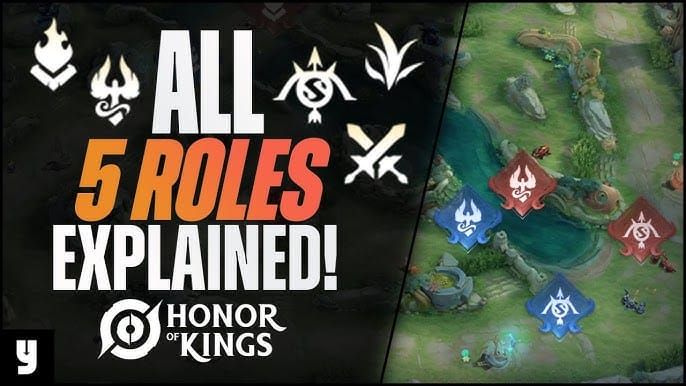
Most players lock a single role and hope it's available. This creates immediate disadvantages. When two teammates want jungle, someone plays off-role poorly. When the team needs a tank but everyone picked damage, composition lacks frontline.
The 3-role flexibility rule: master at least four heroes across three different roles. This lets you adapt to any draft while maintaining carry potential. Instead of forcing your preferred role and creating conflict, you fill gaps while still playing high-impact heroes.
Why Locking One Role Limits Climbing
Draft timing creates pressure. Blue side gets two bans in 30 seconds, then four-ban phase extends to 225 seconds. Red side's four-ban phase lasts 270 seconds with 20-second trade windows.
When you only play jungle, you face problems: role gets taken by faster picker, enemies ban your mains, or team composition needs different role for balance. Each scenario forces uncomfortable positions reducing win probability. Pros demonstrate this—Lam sees 98% pick/ban, Augran 94%, Loong 96%, meaning they need backup options.
How 3-Role Rule Solves Draft Conflicts
Select four heroes each from jungle, mid, and side lane sharing similar playstyles. For aggressive players: Lam jungle, Daji mid, Arthur side (54.2% win rate). For scaling: Augran jungle, Yaria mid, sustain fighter side.
This provides twelve total heroes while ensuring strong options regardless of draft order. When jungle's taken, pivot to mid. When both filled, dominate side lane. Each transition maintains carry potential because you've selected heroes with similar win conditions.
Building Your Flexible Hero Pool
Start with your strongest role—identify two heroes with 53%+ win rates you enjoy. Then select complementary role: if you main jungle, add mid for similar roaming patterns, or side for split-push alternatives. Master four heroes in this secondary role using same win rate criteria.
Finally, add tertiary role with four comfort picks. These don't need to be your best, but should be mechanically simple and team-independent. Arthur works perfectly—straightforward kit, strong dueling, 54.2% win rate without complex execution.
Real Game Example: Last-Pick Adaptation
You're last pick. Team already selected jungle and mid. Enemy shows heavy CC and burst. Your side lane options: sustain fighter or squishy split-pusher. The 3-role flexibility rule prepared you—you confidently select Augran-style tank with Resistance Boots, Dominance Ice, Shield of the Lost, Twilight Armor.
This counters enemy burst while providing utility. Because you practiced this hero and understand the win condition (survive early, peel carries, secure late objectives), you perform at full effectiveness despite it being third role. Team gains composition balance, you maintain carry potential through objective control and teamfight disruption.
Tier S+ Jungle Carries: 4 Heroes Controlling Game Tempo
Jungle offers highest solo-queue carry potential—you control early tempo, objective timing, and gank pressure across all lanes. These four share critical attributes: fast clear speeds, strong level 2-3 power spikes, and objective secure abilities preventing steals.
Hero #1: Lam - Early Invasion Specialist
Stats: 54.9% Diamond+ win rate, 38.7% ban rate, 98% pro pick/ban
Pathing: Start Crimson Golem 00:30, Azure Golem 00:45, hit level 3 by 01:15. This timing enables 01:15-01:30 ganks with 67% success rate.
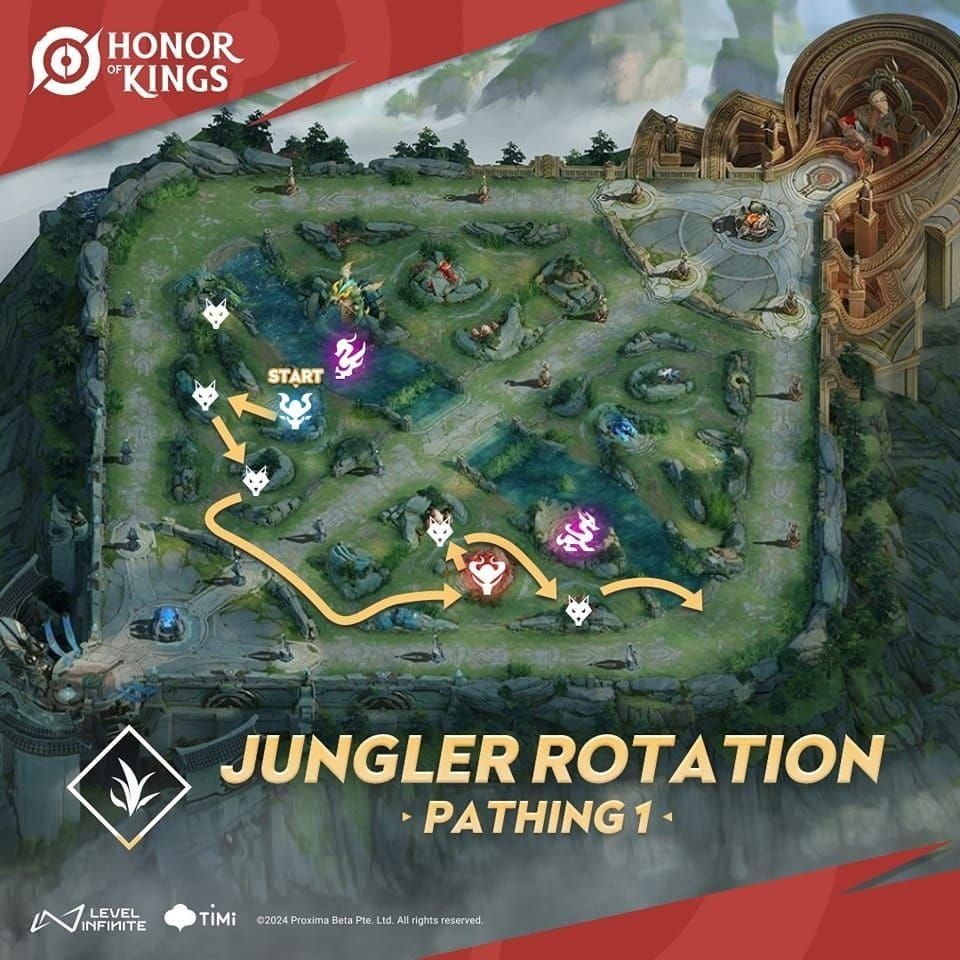
Kit: Hunter passive deals true damage to low-health targets, ensuring kill security. Death From Below drags enemies out of position, creating picks without lane setup.
Build: Boots of Tranquility → Wavebreaker (30% CDR, health restore) → Muramasa → Blade of Despair → Fenrir's Tooth
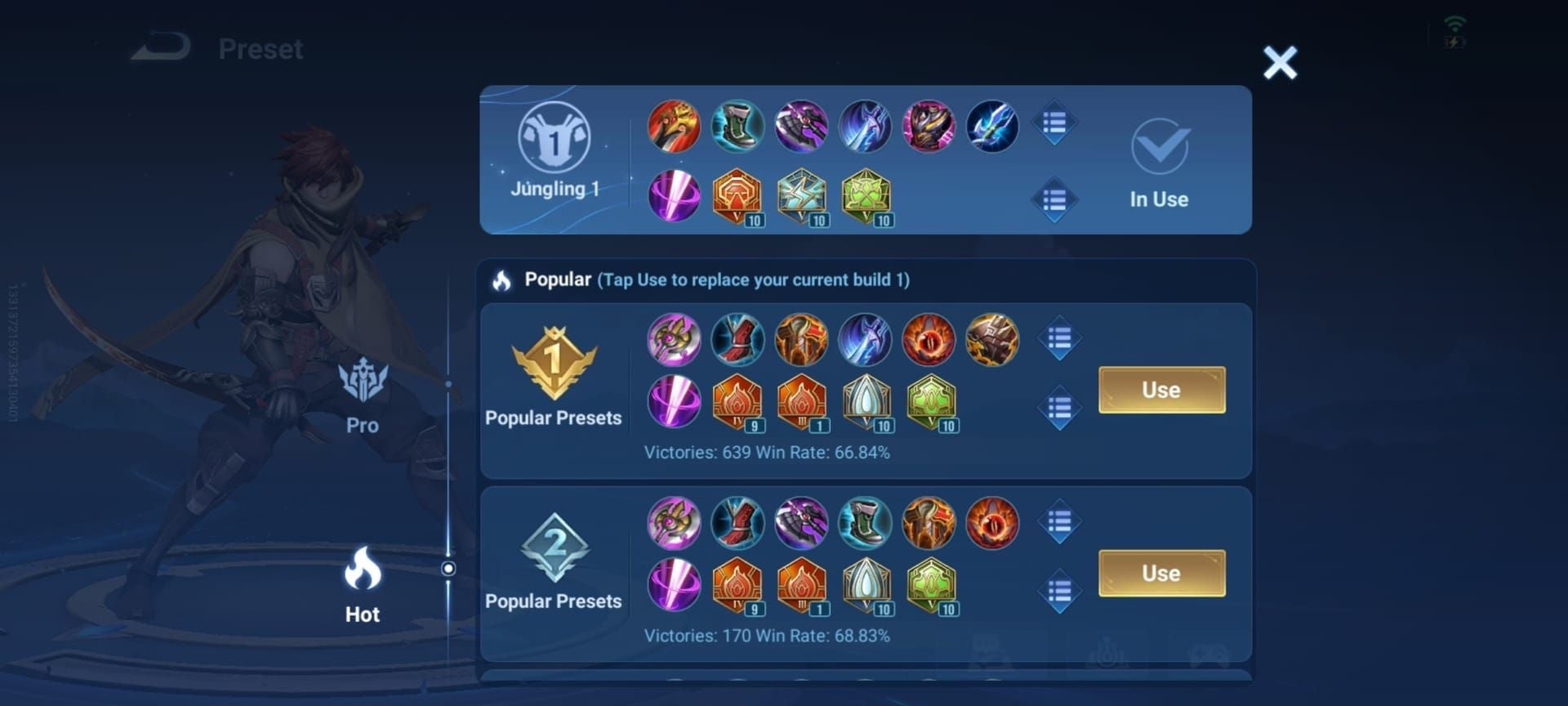
Arcana: Hunt x10, Eagle Eye x10, Mutation x10 for max early damage
Execution: Level 4 by 02:00-02:30 provides 73% win probability boost. Prioritize River Sprites (126 gold per pair, respawn every 60s until 04:00). Contest buffs on 90s respawn timers. Secure Tyrant at 04:00 (71 gold per player) with ultimate.
Hero #2: Augran - Scaling Tank Securing Late Game
Stats: 55.1% Diamond+ win rate, 45.2% ban rate, 94% pro pick/ban
Strengths: Insurance against early deficits through exceptional scaling and teamfight control. While Lam snowballs advantages, Augran prevents losses from spiraling.
Build: Resistance Boots (vs magic) → Dominance Ice (vs attack speed) → Shield of the Lost → Twilight Armor
Carry Pattern: Absorb enemy cooldowns while team capitalizes. Use CC to zone enemies from Tyrant/Lord, tank tower shots during sieges, peel for ahead teammates. Even when team makes positioning errors, your survivability keeps fights winnable.
Hero #3: Loong - Infinite Mobility Hyper-Carry
Stats: 55.3% Diamond+ win rate, 26.8% pick rate, 96% pro pick/ban
Kit: Infinite Vastness provides 4.5s flight—dodge skill shots, escape ganks, chase kills without teammate assistance.
Strengths: Mobility creates self-sufficient playmaking. You don't need teammates to set up kills—you create opportunities through superior positioning.
Execution: Focus farming efficiency to reach power spikes. Loong's scaling rewards gold accumulation—prioritize jungle camps, lane farm during dead time, objective bounties. Once core items complete, damage output carries teamfights regardless of ally performance.
Hero #4: Daji - Assassination With Teamfight Reset
Stats: 54.7% Diamond+ win rate, 91% pro presence
Strengths: Single-target deletion plus teamfight reset mechanics. Eliminate priority targets then escape or re-engage based on fight development.
Flexibility: When team engages poorly, assassinate one enemy and disengage. When team capitalizes on your pick, re-enter with refreshed cooldowns.
Self-Sufficiency: No setup required. Identify vulnerable targets, execute rotation, extract before enemy response. Performance doesn't correlate with teammate skill—you create advantages through individual mechanics.
Unstoppable Mid Lane Picks: 4 Heroes With Solo Kill Pressure
Mid lane carry potential centers on wave control, roaming impact, and solo kill threat. These four dominate through self-sufficient damage and map pressure requiring no jungle assistance or side lane coordination. For building your hero pool, buy Honor of Kings tokens recharge cheap at BitTopup ensures fast delivery and secure transactions.
Hero #5: Yaria - Wave Clear With Roam Dominance
Stats: 53.8% Diamond+ win rate, 87% pro presence
Kit: Verdant Predator passive provides true damage amplification, enabling solo kills against enemies who disrespect damage output.
Carry Pattern: Shove waves quickly, then roam to side lanes or invade enemy jungle. Creates map pressure without teammate coordination. Even if jungle doesn't follow roams, you generate advantages through vision control and objective setup.
Build: Ability power and penetration to maximize burst. Prioritize CDR items for faster wave clear and more frequent roams. Win condition: create gold lead through superior map presence, translate into objective control.
Hero #6: Daji - Mid Lane Assassination Angle
Stats: 54.7% win rate from mid or jungle
Advantages: Shorter roaming distances to both side lanes, faster response to jungle skirmishes than side laners. Better vision of enemy jungle movement for predicting gank paths and counter-roaming.
Pressure: When enemies commit to side lane ganks, collapse for counter-kills or take mid tower plates for guaranteed gold. Solo kill pressure forces enemy mid to play defensively, creating priority that translates into objective control.
Hero #7: Loong - Scaling Mage With Self-Peel
Stats: 55.3% win rate, 4.5s flight mobility
Self-Peel: Infinite Vastness provides escape against assassins and divers, eliminating reliance on teammates for protection. Position aggressively for damage, then escape when enemies commit.
Late Game: Farm safely and reach power spikes even if side lanes lose and jungle falls behind. Once core items complete, damage output carries teamfights regardless of earlier deficits.
Objective Control: Mobility allows contesting River Sprites, responding to Tyrant spawns, positioning for Lord fights without getting caught. This participation translates directly into gold leads and win probability.
Hero #8: Yaria - Hybrid Damage Flexing Composition
Stats: 53.8% win rate, composition flexibility
Adaptability: When team lacks magic damage, Yaria provides it. When team needs physical damage, true damage amplification fills that role. Never in hard-countered composition.
Itemization: Hybrid damage complicates enemy builds. Opponents can't stack pure armor or magic resist effectively, forcing less efficient defensive builds and increasing your damage output.
Consistency: No weak windows where enemies exploit you. Early, mid, and late game all offer opportunities to create advantages through superior mechanics and positioning.
Side Lane Dominators: 4 Heroes Winning 1v2 and Split-Push
Side lane carry potential requires different attributes: sustain to survive ganks, dueling power to win 1v1s, and tower pressure creating map pressure. These four excel at drawing enemy resources while your team capitalizes elsewhere.
Hero #9: Arthur - Sustain Fighter That Never Dies
Stats: 54.2% Diamond+ win rate
Kit: Built-in healing, damage mitigation, crowd control—everything needed to survive ganks and win extended trades.
Self-Sufficiency: Don't need jungle assistance to win lane. Don't need mid roams to survive ganks. Simply farm efficiently, take favorable trades, pressure tower when enemies rotate.
Carry Pattern: Create side lane pressure forcing enemy responses. When two enemies stop your push, team gains 4v3 advantage elsewhere. When enemies ignore you, take towers and inhibitors. Either scenario creates win conditions.
Hero #10: Loong - Tower Demolisher From Side
Stats: 55.3% win rate, 26.8% pick rate
Pressure: Infinite Vastness allows aggressive pushing, then escaping ganks that kill other side laners. Risk-free pressure creates constant map tension.
Build: Attack speed and crit to maximize tower damage. Once core items complete, destroy towers in seconds when enemies rotate, forcing them to dedicate resources.
Win Condition: Push until enemies respond, escape when they arrive, repeat. Generates gold leads through tower plates and map control through vision denial. Even if team struggles elsewhere, your pressure prevents enemies from grouping effectively.
Hero #11: Augran - Tank Forcing Enemy Resources
Stats: 55.1% win rate, 45.2% ban rate
Tank Profile: Absorb ganks without dying, waste enemy time and cooldowns, then escape or secure kills through superior mechanics.
Resource Drain: Creates advantages even without directly winning fights. Every second enemies spend trying to kill you is time not pressuring objectives or helping other lanes.
Build: Resistance Boots, Dominance Ice, Shield of the Lost, Twilight Armor for max survivability. Goal isn't solo kills—it's surviving indefinitely while creating pressure. When enemies commit multiple members, team takes objectives elsewhere.
Hero #12: Yaria - Utility Mage Setting Up Plays
Stats: 53.8% win rate from side lane
Pattern: Setting up plays through CC and damage amplification. Verdant Predator true damage helps teammates secure kills even with positioning errors.
Utility: Provides value regardless of team skill level. When teammates capitalize on setups, win fights decisively. When they don't, still deal significant damage and control space through threat.
Consistency: No hard counters completely shutting you down. Don't require specific team compositions. Execute rotation, create opportunities, trust some percentage converts into advantages.
Advanced Draft Phase Strategy
Draft determines outcome before minions spawn. Understanding pick timing, ban priority, and counter-pick windows separates climbers from hardstuck ranks.
First-Pick Safety: Heroes That Can't Be Hard-Countered
When first pick, avoid heroes with clear counters. Lam's 98% pro pick/ban indicates extreme power but also means enemies build compositions to shut you down if revealed early. Instead, consider Augran (94% pick/ban) or Loong (96% pick/ban) as safer first picks.
These function in any composition without single-champion hard counters. Augran's tank profile allows adjusting build based on enemy damage types. Loong's mobility prevents lockdown regardless of enemy CC tools.
Arthur provides another first-pick option with 54.2% win rate. Straightforward kit doesn't reveal strategic information, and sustain profile functions against any composition.
Counter-Pick Windows: Reading Enemy Weaknesses
Last pick offers maximum information and counter-pick potential. When enemies show squishy backline with limited peel, Daji's 54.7% win rate and assassination pattern becomes devastating. When enemies stack tanks, Yaria's true damage provides the answer.
Analyze enemy composition for weaknesses:
Lack CC? Pick mobile carries like Loong who reposition freely
Lack burst? Pick scaling heroes who farm safely
Lack frontline? Pick aggressive early game heroes who snowball before power spikes
Counter-pick advantage compounds when you've mastered heroes across three roles. Identify perfect answer to enemy composition while filling team role needs.
Ban Priority Matrix for January 2026
Ban strategy depends on pick position and role preference. Lam's 38.7% ban rate in Diamond+ and 98% pro pick/ban makes it priority ban when you don't plan to pick it. Augran's 45.2% ban rate indicates similar threat.
However, ban based on your weaknesses rather than enemy strengths. If you struggle against mobile assassins, ban Daji despite 54.7% win rate being lower than Loong's 55.3%. If you can't handle split-push pressure, ban heroes creating it.
Blue side gets two bans in 30s—remove your worst matchups. Red side's four-ban phase lasts 270s with 20s trade windows—analyze enemy picks and ban their synergies.
Adapting Pick to Team Needs Without Sacrificing Carry Potential
Balance team composition with individual carry potential. When team lacks magic damage, you could pick a mage. But if that mage requires team coordination, you've sacrificed your ability to carry.
Instead, identify heroes filling team needs while maintaining self-sufficiency:
Need magic damage? Pick Yaria (53.8% win rate, independent playmaking)
Need frontline? Pick Augran (55.1% win rate, objective control)
Need physical damage? Pick Lam (54.9% win rate, early dominance)
This ensures you're never forced into team-dependent picks. Every hero in your pool should function independently while providing team utility.
In-Game Execution: Carrying Without Team Coordination
Draft preparation means nothing without proper execution. Solo-queue requires different in-game decision-making because you can't rely on teammates to follow calls or capitalize on setups.
Objective Priority Decision Tree
Objective hierarchy:
Tyrant (04:00): 71 gold per player—prioritize over lane farm when ultimate available
River Sprites: 126 gold per pair, respawn every 60s until 04:00—contest during jungle rotations
Buffs: Respawn every 90s—track timers and position to contest
Lord: Requires team coordination—only attempt with clear vision of enemy positions or numbers advantage
Towers: Guaranteed gold and map control without teammate assistance
Lam's level 3 by 01:15 timing enables early buff control before enemies contest effectively.
Map Awareness Without Teammate Pings
Solo-queue rarely provides consistent communication. Develop habits not relying on teammate pings:
Check minimap every 3-5s during lane phase
Track enemy jungle position based on buff timers and lane pressure
When you don't see enemies on map, assume they're rotating to you—position defensively
Use enemy behavior to predict intentions: mid shoves wave and disappears = roaming; jungle shows top = bottom jungle vulnerable
Identifying Win Condition in First 3 Minutes
Analyze both teams' scaling curves. If your team has stronger late game, win condition is farming safely and reaching power spikes. If enemies scale harder, need early advantages.
Identify competent teammates based on positioning and trading patterns. When you spot skilled player, enable through ganks or peel. When you identify struggling teammates, avoid relying on them for follow-up.
Rush Down compositions (Lam, Augran, Loong, Daji, Yaria) achieve 68% win rate through early pressure. If playing these, win condition is creating advantages before 10 minutes. If playing scaling heroes, win condition is surviving until 15+ minutes when power spikes arrive.
Closing Games Before Teammates Throw: 15-Minute Power Spike
Solo-queue games extend longer than coordinated play because teams struggle to close. Use this to force game-ending plays around 15-minute mark when you hit major power spikes. Level 4 by 02:00-02:30 provides 73% win probability boost—15-minute timing offers similar advantages.
At 15 minutes, you've completed 2-3 core items while enemies may still be building. This power differential allows forcing objectives even without perfect coordination. Take Lord with numbers advantage, push towers when enemies dead, end before late game chaos.
Psychological aspect: teammates more likely follow decisive calls than tentative suggestions. When you ping Lord and start confidently, teammates often join. When you hesitate, opportunities disappear. Solo-queue rewards assertive playmaking.
Mental Game and Session Optimization
Mechanical skill and game knowledge mean nothing if tilt destroys decision-making. Mental management separates consistent climbers from yo-yo ranks.
Recognizing Unwinnable Games Early
Some games are unwinnable regardless of performance. When team is down 10 kills at 8 minutes with all outer towers destroyed, win probability approaches single digits. Recognizing these prevents mental exhaustion from desperate comeback attempts.
This doesn't mean giving up or intentionally losing. Accept your carry potential has limits. Play for practice and improvement rather than the win. Focus on mechanics, test limit situations, extract learning value. This preserves mental energy for winnable games.
Key distinction: unwinnable games result from insurmountable deficits, not temporary setbacks. Down 2 kills at 5 minutes is recoverable. Down 15 kills at 10 minutes with inhibitor exposed is not.
The 2-Loss Rule: When to Stop
Consecutive losses create tilt compounding across games. After two losses in a row, take a break. This prevents losing streaks destroying rank and mental state. Even if you feel fine, psychological impact affects decision-making subconsciously.
Use breaks to review replays, practice mechanics in training mode, or step away. Return when mentally reset. This discipline prevents the classic pattern: lose two, tilt queue for five more losses, drop entire rank.
Exception: if two losses resulted from clear individual mistakes you've identified and can correct, one more game to test adjustment is acceptable. But if losses resulted from teammate performance or uncontrollable factors, stop immediately.
Performance Metrics Actually Predicting Rank Gains
KDA is vanity metric. SSS ratings requiring 70-80% kill participation, 6.0+ KDA, and 3+ objectives per game better predict climbing. These indicate disproportionate impact, not just securing kills after teammates do work.
Track damage share relative to team total. Carries should deal 25-35% of team damage. Consistently below 20%? Not carrying effectively. Above 40%? Taking resources from teammates who could use them better.
Objective participation matters most. Games won through towers, Lord, Tyrant—not kills. If kill participation high but objective participation low, you're fighting for kills instead of wins. Adjust focus to objectives and watch win rate improve.
Building Muscle Memory Through Practice Mode
Ranked games aren't optimal for learning mechanics. Use practice mode to drill specific combos, test damage thresholds, perfect execution. Spend 10-15 minutes before ranked sessions practicing main heroes' combos until automatic.
This ensures mechanics don't fail during crucial moments. When you've executed Lam's full rotation 100 times in practice, you won't miss it during game-deciding teamfight. Muscle memory removes mental load of execution, allowing focus on decision-making.
Focus on high-pressure scenarios: executing combos while dodging skill shots, securing contested objectives, teamfighting with multiple targets. These occur every ranked game—mastering them translates directly into win rate improvement.
Resource Optimization: Building Carry Hero Pool Efficiently
Unlocking and mastering twelve heroes requires significant time and resource investment. Strategic planning ensures efficient pool building without wasting resources.
Unlock Priority: Which Heroes First
Phase 1 - Foundation (one per role, 54%+ win rate, straightforward mechanics):
Jungle: Lam (54.9% win rate)
Mid: Yaria (53.8% win rate)
Side: Arthur (54.2% win rate)
These function in any meta and don't require extensive practice for adequate performance.
Phase 2 - Scaling Insurance:
Jungle: Augran (55.1% win rate)
Mid/Side: Loong (55.3% win rate)
Side: Second tank option
This gives early game and late game options in each role, allowing adaptation to team compositions.
Phase 3 - Specialist Picks:
Daji (54.7% win rate) for assassinating priority targets
Marco Polo (53.6% win rate) for sustained physical damage
Additional flex picks based on playstyle
Emblem Configuration for Max Solo-Queue Impact
Emblems provide significant stat advantages compounding across games. Lam's optimal configuration: Hunt x10, Eagle Eye x10, Mutation x10 for max early damage. This enables level 2 ganks at 01:00-01:30 achieving 73% win rates.
Prioritize emblems enhancing heroes' strengths rather than covering weaknesses:
Aggressive junglers: damage and penetration
Tanks: survivability and CDR
Mages: ability power and magic penetration
Max emblems for core three heroes first, then expand to full twelve-hero pool. Stat difference between level 1 and level 10 emblems significantly impacts early trades and all-ins.
Smart Recharge Strategy via BitTopup
Building hero pool and emblem configurations requires significant token investment. BitTopup offers competitive pricing, fast delivery, and secure transactions for Honor of Kings tokens recharge. Excellent customer service and high user ratings make it reliable for competitive players.
Strategic timing maximizes value:
Purchase during promotional periods when BitTopup offers bonus tokens or discounts
Plan hero unlocks around meta shifts—buying heroes before buffs provides better value than buying recently nerfed champions
Competitive advantage from optimal emblems and full hero access justifies investment for serious climbers. Diamond climb requires 40-100 matches at 60%+ win rate—having right tools for each situation directly impacts maintaining that win rate.
Common Solo-Queue Mistakes Keeping Players Hardstuck
Understanding what not to do is as important as knowing optimal strategies. These mistakes appear consistently in hardstuck players' gameplay.
Mistake #1: Picking Team-Dependent Heroes
Heroes requiring specific team compositions or coordinated execution fail in solo-queue. When you pick a hero needing teammates to engage first, provide vision, or follow up on initiation, you've surrendered carry potential to random players.
Solution: only play heroes with self-sufficient kits. Every hero in your pool should create advantages independently. Lam doesn't need teammates to set up ganks. Augran doesn't need teammates to secure objectives. Loong doesn't need teammates to escape ganks.
Evaluate each hero: Can this hero win games when teammates play poorly? If no, remove from solo-queue pool.
Mistake #2: Ignoring Draft Flexibility and Role-Locking
Players who only play one role create immediate disadvantages. When role gets taken, forced into off-role performance reducing win probability. When team needs different role for composition balance, can't adapt.
The 3-role flexibility rule solves this but requires discipline. Must invest time mastering heroes across multiple roles instead of specializing in one. This broader practice feels less efficient short-term but provides better climbing results long-term.
Track dodge rate as metric. Dodging more than 5% of games due to role conflicts? Lack sufficient flexibility. Expand hero pool until you can confidently fill any role.
Mistake #3: Fighting for Kills Instead of Objectives
Solo-queue players often prioritize kills over objectives because kills feel more satisfying and provide immediate feedback. However, games won through towers, inhibitors, Lord—not kill count.
Develop discipline to take objectives after winning fights instead of chasing remaining enemies. When you wipe three enemies, you have window to take tower, Tyrant, or Lord. Chasing remaining two wastes this window and often results in deaths when they kite into reinforcements.
Track objective participation rate. Below 60%? Not prioritizing correctly. Every major objective should involve you either securing it or preventing enemies from taking it.
Mistake #4: Playing Too Many Heroes Instead of Mastering Core Pool
New players often try every hero, spreading practice time too thin for mastery. While experimentation helps understand matchups, climbing requires deep expertise on focused pool.
Twelve-hero recommendation provides sufficient flexibility without diluting practice. Four heroes per role across three roles gives answers to any draft while allowing mastery of each pick's mechanics, matchups, and win conditions.
Measure mastery through games played and win rate. Should have 30+ games and 55%+ win rate on each hero in core pool before adding new picks. This ensures climbing with proven performers rather than experimenting in ranked.
FAQ
What are the best heroes for solo queue in Honor of Kings?
Top solo-queue heroes: Lam (54.9% win rate), Augran (55.1%), Loong (55.3%), Daji (54.7%), Yaria (53.8%), Arthur (54.2%), Marco Polo (53.6%). These share self-sufficient kits creating advantages without team coordination, ideal for carrying random teammates.
How do you carry with random teammates in ranked?
Focus on self-sufficient heroes with high carry potential, master 3-role flexibility rule for strong picks, prioritize objectives over kills, identify win condition within first 3 minutes. Maintain 70-80% kill participation, 6.0+ KDA, 3+ objective involvement per game for SSS performance.
What is the 3-role flexibility rule?
Master at least four heroes across three different roles (jungle, mid, side) to adapt to any draft while maintaining carry potential. Prevents role conflicts, allows filling team composition gaps, ensures strong options regardless of pick order.
Which heroes can 1v9 carry games?
Lam, Augran, Loong have highest solo-carry potential with 54.9%, 55.1%, 55.3% Diamond+ win rates. Lam dominates through early aggression and level 2 ganks achieving 73% win rates. Augran provides late-game insurance through tank scaling. Loong offers mobility and damage functioning independently of team performance.
What should I ban in January 2026 meta?
Prioritize Lam (38.7% ban rate, 98% pro pick/ban), Augran (45.2% ban rate, 94% pro pick/ban), or heroes countering your mains. Ban based on your weaknesses rather than just enemy strengths—if you struggle against mobile assassins, ban Daji despite lower overall threat.
How do you climb from Diamond to Mythic solo?
Maintain 60%+ win rate across 40-100 matches using self-sufficient heroes, implement 3-role flexibility rule for draft advantages, prioritize objectives over kills, follow 2-loss rule to prevent tilt. Focus on SSS metrics: 70-80% kill participation, 6.0+ KDA, 3+ objectives per game.
Ready to dominate Honor of Kings ranked? Unlock your carry hero pool and gain competitive edge with fast, secure recharges at BitTopup. Get your coupons, skins, and heroes today—climb faster, play smarter with competitive pricing, excellent customer service, and high user ratings trusted by players worldwide.