

The Forscher is one of the most mechanically oppressive hunters in the March 2026 ranked meta. His Rube Goldberg trap chains don't just threaten individual survivors — they create cascading cipher pressure that dismantles entire team structures. The strongest counters right now: Mechanic, Prospector, Matador, and Seer, running Persona 129 builds with Flywheel, Borrowed Time, and Knee Jerk. This guide covers survivor picks, trap escape timing, map exploitation, trait builds, and Echo spending before the April 2 event deadline.
Why The Forscher Needs a Dedicated Counter Strategy
Most hunters punish individual mistakes. The Forscher punishes team structure. His trap network forces survivors to either decode slowly (routing around traps) or decode fast and risk chain activation — and the March 2026 meta particularly favors him on enclosed maps where safe corridors are limited.
Community testing places him in the upper-mid hunter tier for v7.2.0. Not the absolute peak, but dangerous enough that unprepared teams lose games they should win. His strength isn't chase speed — it's map control through trap placement.
The v7.2.0 patch didn't overhaul his kit, but mobility refinements to Matador, Prospector, and Forward made them more reliable escape options against trap-chain pressure. The Persona 129 build became dominant partly because it handles control hunters like The Forscher.
The Forscher's Kit — What You're Actually Up Against
Rube Goldberg Machine: Traps chain-activate when triggered — one springing sets off adjacent traps in sequence. The key insight most players miss: the chain has a timing window between activations. It's not instantaneous. Read the first activation cue and immediately commit to a direction rather than freezing.
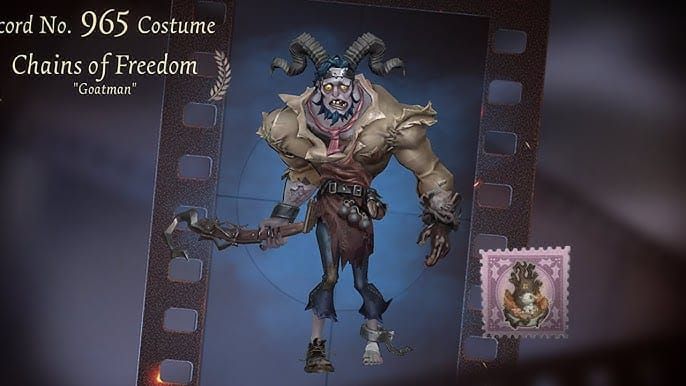
Passive pressure: Trap networks near cipher machines force survivors to route around objectives rather than decode them. Even if no trap activates, the threat slows progress.
His real weaknesses:
Can't reposition traps instantly — there's a cooldown window after placing a cluster. That's your window to push ciphers aggressively.
Below-average chase speed. Survivors with dash or vault-enhancement abilities can extend chases long enough for teammates to complete ciphers.
The v7.2.0 vault speed improvements (specifically the Knee Jerk node) directly improve survivability in Forscher chases. He's more counterable now than in previous versions.
Best Survivors to Counter The Forscher — Tier List (v7.2.0)
S-Tier Breakdown
Mechanic is the single most disruptive pick. Her robot provides 200% decode speed — a single Mechanic with her robot active can complete a cipher faster than The Forscher can meaningfully respond. The trap network exists to slow decode progress; the robot makes that pressure largely irrelevant on whichever machine it's assigned to. Critical mistake to avoid: don't put the robot on a safe machine. Put it on the contested one. That's where the speed advantage matters.

On multi-story maps, Mechanic + Priestess creates a genuine 3-step lead — 200% decode speed plus portal access lets the team complete ciphers on floors The Forscher can't efficiently patrol simultaneously.
Prospector counters through active disruption. His magnets interfere with trap chain mechanics, and his mobility lets him reposition quickly when a cluster activates. Community testing confirms he excels on Moonlit River Park specifically, where map control is at a premium.
Matador deserves special attention. His Muleta Mastery dash covers 6 meters with a 2.5-meter sweep and grants 0.6 seconds of damage immunity — enough to pass through a trap activation window cleanly. When the dash connects on a hunter, it applies a 50% movement speed slow for 2.5 seconds and triggers a bonus 10-meter dash (16 meters total). Against The Forscher's below-average chase speed, that slow is effectively a chase-ender. A Matador who lands his counter-dash buys enough time for two or three teammates to push ciphers.
Seer provides the coordination layer that makes everything else work. His owls track The Forscher's position in real time, giving the team 60-second windows of hunter visibility. When you know exactly where The Forscher is, you know which machines are safe to push. That information advantage is worth more against a trap-heavy hunter than against almost any other archetype.
A-Tier Notes
Doctor can't disrupt traps, but she heals through chip damage from activations — staying in the game longer than most survivors. Pair her with Mechanic or Prospector and she's a reliable anchor.
Mercenary is underrated here. He tanks 3 hits before going down, which translates directly into extended kite time against The Forscher's pressure style. The Mercenary + Seer duo is particularly effective: Seer's owls provide positioning data while Mercenary absorbs hits, giving the rest of the team uninterrupted decode windows.
Avoid immobile survivors with no trap interaction tools. If your character can't quickly reposition when a trap activates, you'll spend more time recovering from chip damage than decoding.
How to Escape Rube Goldberg Trap Chains
Trap escape isn't about reflexes. It's about reading the situation before it becomes a reaction test.
Reading activation cues: The first trap in a chain gives a visual and audio cue before it fires. The window is roughly half a second — but it's consistent. When you see it, immediately commit to a direction perpendicular to the chain. Don't freeze, don't reverse. The chain propagates in a direction; perpendicular movement takes you out of its path.
Pre-scan habit: When you arrive at a cipher machine, spend two seconds scanning the surrounding area. Identify safe approach angles before you need them. Most trap damage survivors take comes from approaching machines without checking — it's entirely preventable.
When to abandon a machine: If a cipher is surrounded by an active trap cluster and you're the only survivor nearby, sometimes the correct play is switching targets rather than routing around traps for 30 seconds. Denying The Forscher the ability to dictate your movement on his terms is a legitimate counter.
Cipher priming: Prime ciphers to 98–99% before committing to a rescue. This syncs with Borrowed Time activation — when you rescue a teammate, the near-complete cipher finishes almost instantly, denying The Forscher the decode regression he's counting on.
Map-Specific Strategies
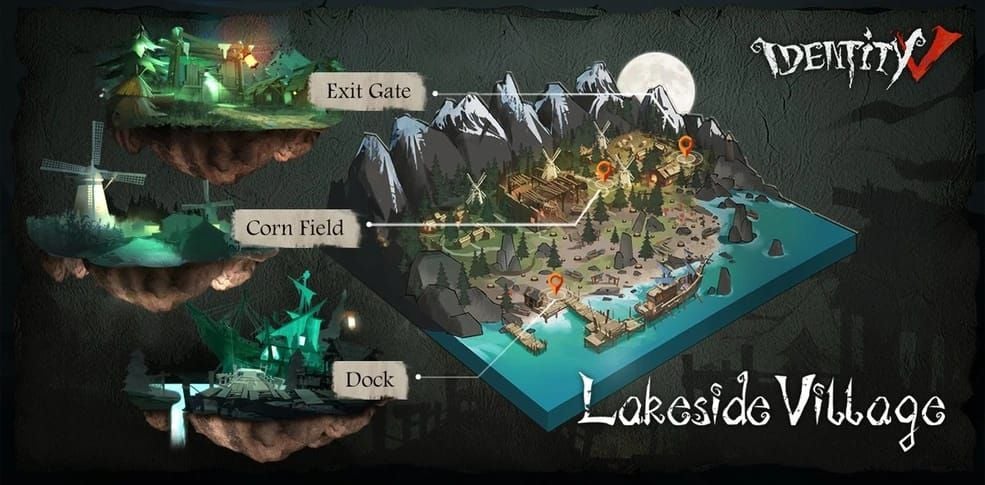
Lakeside Village — best survivor map in this matchup. Multiple floors and separated cipher clusters make it difficult for The Forscher to maintain a coherent trap network. Mechanic's remote decoding is most effective here.
Moonlit River Park — favors Prospector and Acrobat. Natural mobility corridors let these survivors reposition quickly when trap chains activate. Prospector's magnets have maximum disruption value on this layout.
Enclosed maps — when the map works against you, shift strategy: prioritize Seer's owl tracking above everything else. The Forscher can't cover every machine simultaneously — Seer tells you which ones are currently safe.
Red Church — specific challenge. Gardener's chair destruction is particularly valuable here, as The Forscher can create chair-side trap clusters that make rescue extremely dangerous. Without Gardener, coordinate rescues with Tide Turner timing.
Multi-story maps with vertical movement are consistently better for survivors. Traps on one floor don't threaten survivors on another. Dense pallet and window loops give kiting survivors the terrain they need to extend chases past The Forscher's cooldown windows.
Optimized Trait Builds for Forscher Matchups
The Persona 129 build — Flywheel + Borrowed Time + Knee Jerk — is community consensus for v7.2.0 ranked play, and it's particularly well-suited to this matchup.
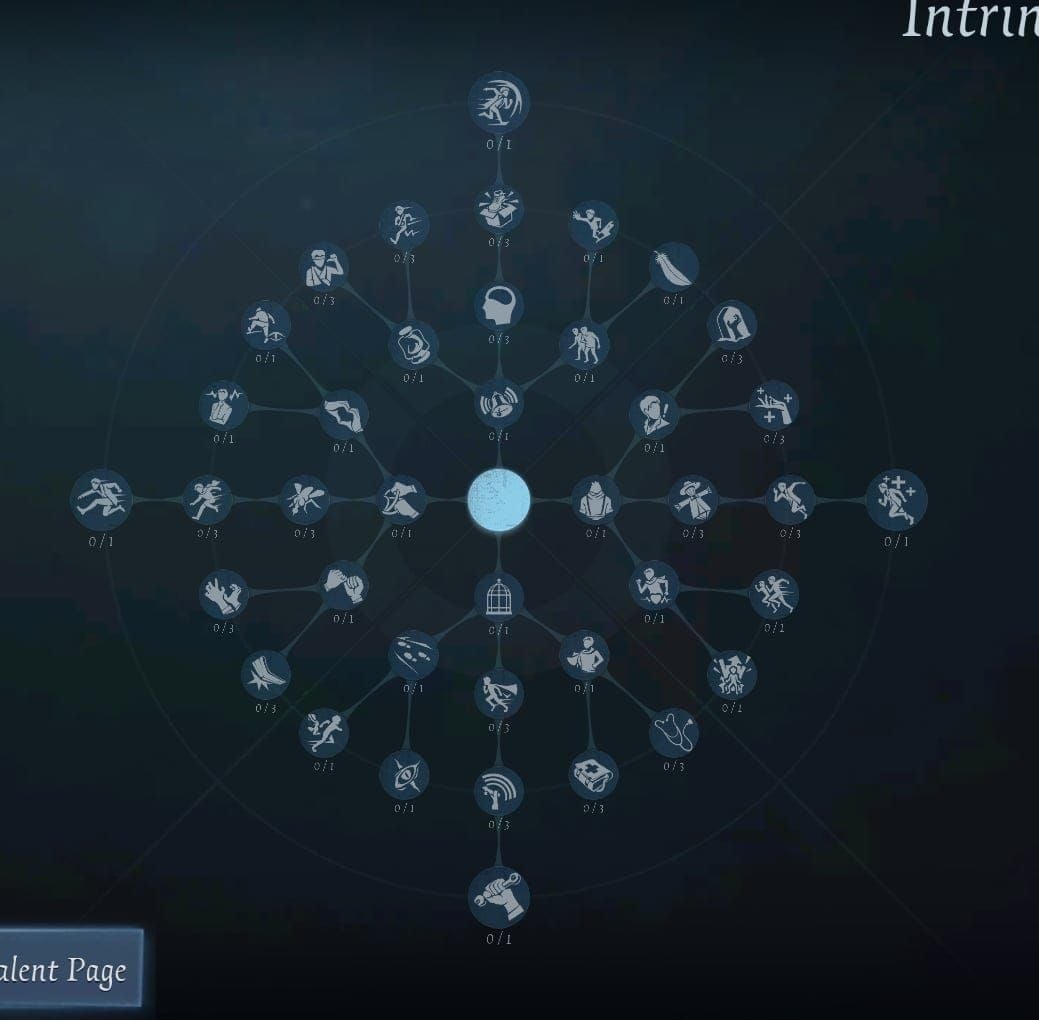
Borrowed Time is non-negotiable. The 50% speed and heal boost activates in high-pressure situations — exactly when The Forscher's trap chains are most dangerous. Combined with the 98–99% cipher priming technique, it creates rescue windows his trap network can't easily close.
Knee Jerk provides a 30% speed boost for 3 seconds post-vault. Against The Forscher's below-average chase speed, this effectively ends most chases that reach a vault point. Community testing confirms this trait accounts for a significant portion of the 20–30% vault efficiency gains the Persona 129 build provides.
By playstyle:
Kiting survivors (Matador, Acrobat, Forward): Flywheel → Knee Jerk → Borrowed Time. Vault speed gains stack with native mobility tools.
Decode-focused (Mechanic, Lawyer): Pure decode traits work if teammates can absorb chase pressure — requires two dedicated kiters like Matador + Mercenary.
Support (Seer, Doctor): Cooldown-reduction traits maximize owl uptime, which is your team's primary information advantage against The Forscher.
Common Mistakes Against The Forscher
Grouping near active trap chains. Two survivors near the same cluster means two potential downs from a single activation. Spread across the map. The optimal compositions (Forward + Matador + Seer + Mechanic, or Prospector + Mercenary + Doctor + Batter) work because each member operates in a different zone.
Ignoring cooldown windows. Players who wait to see what The Forscher does before acting consistently lose the cipher race. Identify his cooldown window after he places a trap cluster, then immediately push the most contested cipher. Seer's owls make this timing reliable.
Rescuing without Tide Turner near active traps. This turns a 1-down situation into a 2-down disaster. Wait for the right moment, or use Gardener to destroy the chair instead.
Wrong cipher prioritization. Complete the machine he's least able to respond to — not the one closest to completion. A machine that's 80% complete but surrounded by traps is less valuable than a 20% machine in a trap-free zone that Mechanic's robot can finish in seconds.
Echo Spending Guide — March 2026 Event (March 5–April 2)
F2P players accumulate 5,560–6,160 Echoes per month: daily missions (120/day), 10 matches/day (200/day), ranked first-win bonuses (50/day), weekly Logic Paths (500/week). That's a real budget — but the March 2026 event has competing priorities that need clear ordering.
For players who want to unlock counter survivors or grab event-limited items faster, buy Identity V Echoes online to supplement F2P income without waiting through multiple cycles.
March 2026 Event Items
The Mario Pet at 388 Echoes is the standout value pick — 56% cheaper than the Doctor Puppy Pet with comparable F2P utility. The Wolf Knight Costume expires April 1; if you want it, budget for it explicitly. The Doctor Puppy Pet is permanent pool, so it's lower priority than the time-limited costume.
The Farewell Titantree Forest event (March 5–April 2) and Arbor Day event (March 12–18) both offer Treasure Acorns — up to 12/day, 84 total, converting at 1:2 to Clues. Collect Acorns daily; those Clues offset the Garden Cyclamen furniture cost without spending Echoes.
Budget framework:
Minimum: 388 Echoes (Mario Pet)
Competitive: 888 Echoes (Wolf Knight Costume before April 1)
Full event: ~1,500–2,000 Echoes for costume + pet + reserve
The 300 Echo recharge milestone grants a Graffiti Villain Charm plus 60 Inspirations — worth hitting if you're already spending in that range. The 10,000 Echo milestone yields 1 Spark, relevant only for heavy spenders.
If you need to top up before the April 1 deadline, top up Identity V currency fast through BitTopup — takes under five minutes using your User ID (Settings > Games > Copy User ID in-game).
FAQ
Who are the best survivors to counter The Forscher in v7.2.0? Mechanic, Prospector, Matador, and Seer. Mechanic's 200% decode robot bypasses trap pressure directly; Prospector disrupts chains with magnets; Matador's dash and 50% hunter slow neutralize chase; Seer's owls provide the positioning data that makes everything else work.
How do you escape Rube Goldberg trap chains? Read the first activation cue (visual + audio) and immediately move perpendicular to the chain's direction. Don't freeze or reverse. Pre-scan cipher machine areas before approaching to identify safe angles. The chain has a timing gap between activations — that gap is your escape window.
Is The Forscher overpowered in v7.2.0? Strong but counterable. He's not at the top of the hunter tier list, but unprepared teams lose to him consistently. With the right composition and Persona 129 builds, his win rate against coordinated teams drops significantly.
What traits should survivors run against The Forscher? Persona 129: Flywheel + Borrowed Time + Knee Jerk. This provides 20–30% vault efficiency gains and 15–20% higher duo win rates in community testing. Borrowed Time's 50% speed/heal boost is particularly valuable against trap chain damage.
Can solo queue survivors beat a skilled Forscher? Yes. Matador and Prospector are the strongest solo queue options — their counter-tools don't require teammate coordination. Seer is weaker solo because his owl information is most valuable when teammates can act on it.
Should I spend Echoes on the Wolf Knight Costume or save? If you want it, spend before April 1 — it's time-limited with no gameplay impact. For pure ranked performance, prioritize the Mario Pet (388 Echoes) for value and save the remainder for the next cycle or for unlocking survivor characters that improve your Forscher matchup.
Action Plan Summary
The Forscher matchup comes down to three things: survivor selection, trap reading, and cipher prioritization. Get those right and his trap network becomes manageable.
Priority checklist:
Run Mechanic, Prospector, or Matador as primary counter picks
Build Persona 129 (Flywheel + Borrowed Time + Knee Jerk) on every kiting survivor
Prime ciphers to 98–99% before rescues; use Tide Turner timing for chair rescues
Use Seer's owls to identify cooldown windows, then push contested ciphers immediately
On Lakeside Village, deploy Mechanic's robot on the most heavily trapped machine
Never group near active trap clusters — spread across the map
Practice trap activation cue recognition in custom matches. Ten focused sessions will build the muscle memory that makes these techniques automatic in ranked play. The meta window — March 5 through April 2, 2026 — aligns the event cycle, survivor balance state, and Persona 129 dominance. Use it.