

Here's the thing about live stream crashes—they don't just kill your viewer count. They tank your algorithm ranking, burn through your quota allocation, and can cost you thousands of engaged viewers in seconds. After analyzing streams handling 500,000+ concurrent viewers without a single drop, we've identified the exact stability techniques that separate professional broadcasters from frustrated amateurs. This isn't theory—it's what works when you're going live at 8 PM and the server load hits critical mass.
Why Your Likee Stream Actually Crashes (It's Not What You Think)
Most creators blame their internet. They're usually wrong.
Likee crashes come from four specific technical bottlenecks that get exponentially worse during peak hours. Understanding which one is killing your stream makes the difference between stable broadcasts and constant reconnection loops.
The Peak Hour Problem Nobody Talks About
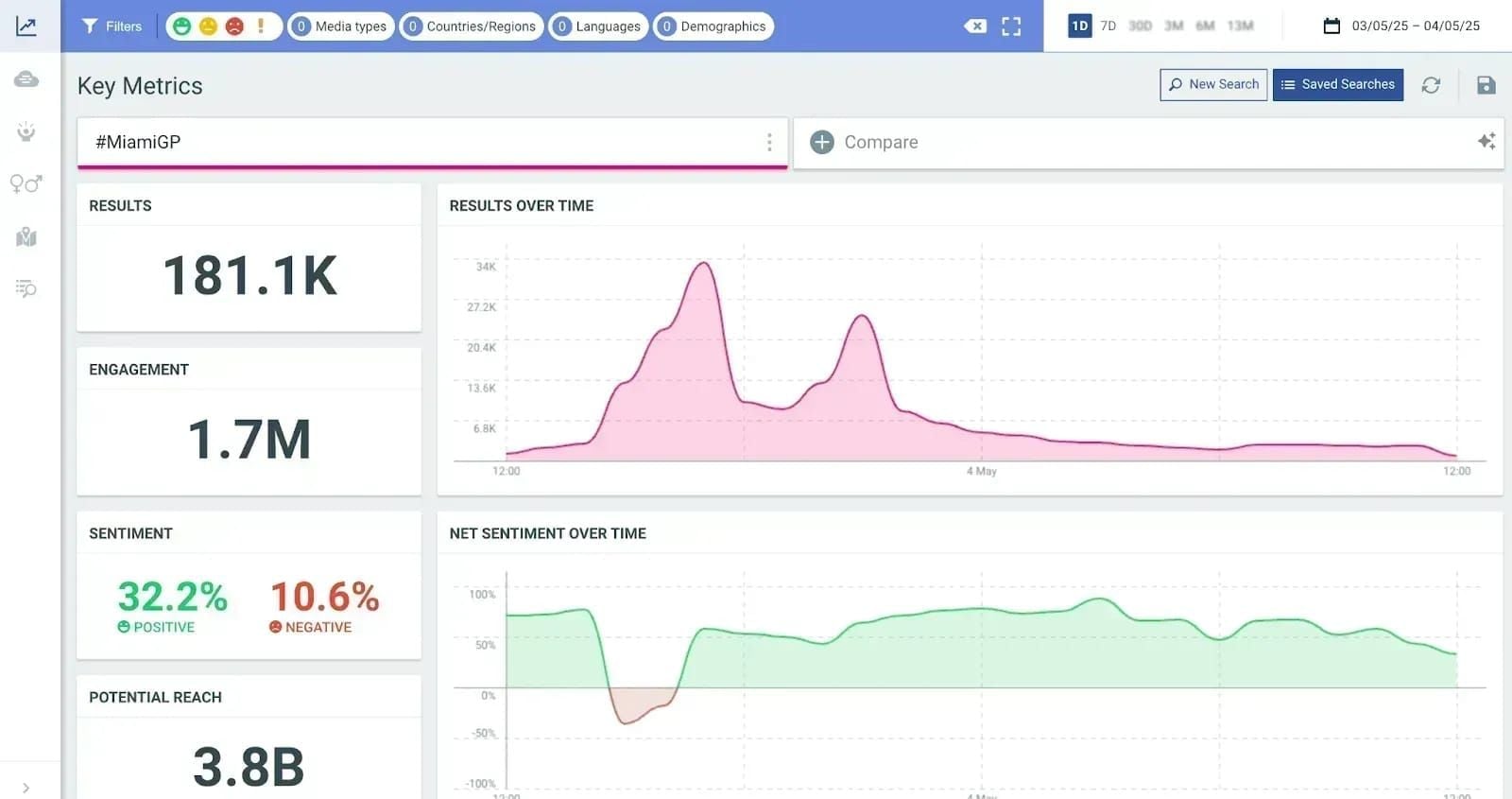
That 6-9 PM window? It's not just busy—it generates 30% higher engagement across every region simultaneously. And if you're running a premium account with 10,000+ concurrent viewer quotas (unlocked at level 35+), you're competing for server resources with thousands of other broadcasters doing the exact same thing.
The timing gets even more specific. Southeast Asia peaks hard between 7-9 PM local time. Middle East streamers see maximum traffic from 8-10 PM. The platform's core demographic—that 25-34 age group representing 62.26% of all users—concentrates their activity in these precise windows. Then the 18-24 crowd (18.97% of users) creates a secondary surge around 9-11 PM.
Here's what experienced streamers know: daily streaming at 8 PM increases viewership by 7,400% compared to off-peak hours. That's not a typo.
Weekend evenings add another 30% engagement multiplier on top of that. And those December quota resets on the 1st, 15th, and 30th? They create predictable traffic spikes as creators rush to maximize their fresh viewer allocations before the month burns through them.
Interestingly, free accounts (capped at 100-500 concurrent viewers) face fewer stability challenges than premium broadcasters managing five-figure audiences. The infrastructure strain isn't linear—it's exponential.
Network Congestion: The Real Bandwidth Story
You need 5 Mbps upload minimum for stable streaming. For 1080p, that jumps to 8 Mbps—a 40-60% increase over baseline requirements.
But here's what matters more than raw speed: consistency. A rock-solid 5 Mbps connection will outperform an unstable 10 Mbps connection every single time. Wi-Fi interference, router distance, and other devices competing for bandwidth create the frozen frames, audio desync, and sudden disconnections that viewers hate.
The January 2025 U.S. outage proved this dramatically. Downloads spiked 143% and overall usage jumped 37% as users repeatedly tried reconnecting. The lesson? You need backup connection planning, not just faster internet.
When you're ready to unlock premium features without compromising stability during critical broadcasts, Likee diamonds buy non-premium salary tier options through BitTopup provide reliable account upgrades with secure transactions and genuinely fast delivery.
Your Phone Is Probably the Bottleneck
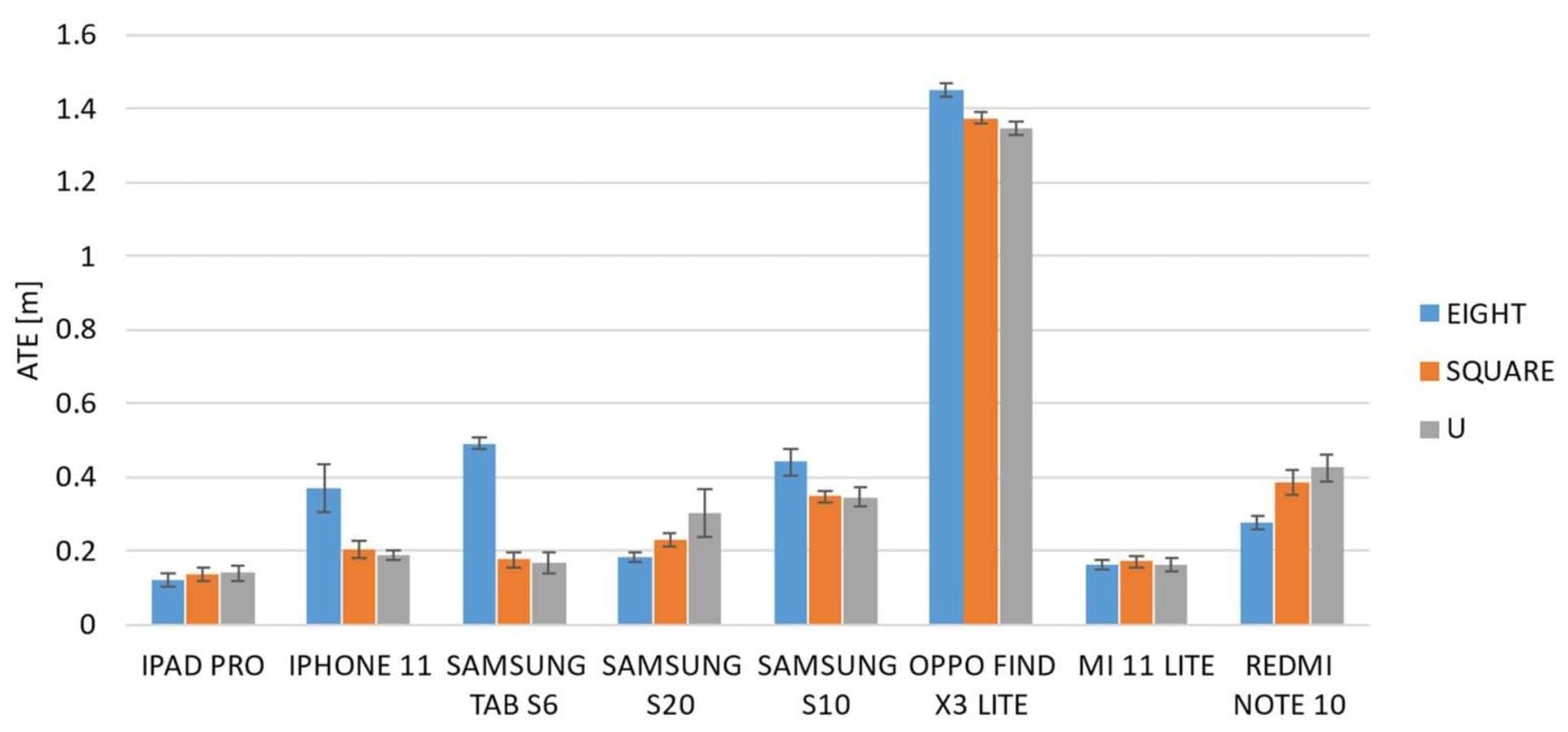
Flagship devices from 2019 or newer with 4GB+ RAM can handle 4-5 simultaneous AR effects before things get dicey. Mid-range phones max out at 2-3 before crashes become inevitable.
The January 2025 updates added over 2,000 new AR effects with improved CPU efficiency—which sounds great until you realize it just tempts creators to overload their streams with visual complexity their hardware can't sustain.
Case study worth noting: A stable 2-3 effect combination consistently outperformed unstable 5+ effect setups in documented 3-hour streams reaching 500,000 viewers. The conservative approach maintained 80% completion rates while the ambitious setup crashed repeatedly, triggering algorithm penalties that tanked visibility.
Processor generation matters as much as RAM. Those 2019+ chipsets handle the music sync features and 3-second hook mechanics that drive engagement. Older processors throttle under sustained load, causing temperature spikes and automatic shutdowns that kill your stream mid-sentence.
Pro tip: Monitor CPU and temperature during broadcasts. Background apps silently consume RAM and processing cycles—a pre-stream device restart and cache clearing eliminates these hidden resource drains.
App Version Compatibility (The Silent Killer)
January 2025 marked a major platform shift toward native content, resulting in 42,000 account actions between January and May for watermarked edits and non-compliant content. The January 19 competitor restrictions changed content policies overnight.
Running outdated app versions means you're missing CPU efficiency improvements and AR effect compatibility updates. When you try using newer features on old versions, crashes become almost guaranteed. The effect library updates continuously across Popular, New, Gaming, Beauty, and Seasonal categories. Using deprecated effects on current versions—especially when stacking multiple layers from different update periods—triggers compatibility crashes that look random but aren't.
The Pre-Stream Checklist That Actually Prevents Crashes
Professional streamers follow systematic protocols that eliminate about 90% of preventable crashes. Not 100%—nothing's perfect—but 90% is the difference between reliable broadcasts and constant technical difficulties.
Network Setup (Test During Your Actual Stream Time)
Test your upload speed during your planned streaming window. Peak hour bandwidth differs dramatically from what you see at 2 PM on a Tuesday. If you're below 5 Mbps, postpone the stream or switch to your mobile data backup.
Wired connections eliminate Wi-Fi interference entirely. When wireless is your only option, position yourself within 10 feet of the router with minimal obstructions. And disable bandwidth-heavy household activities during broadcasts—this isn't the time for someone to start downloading game updates.
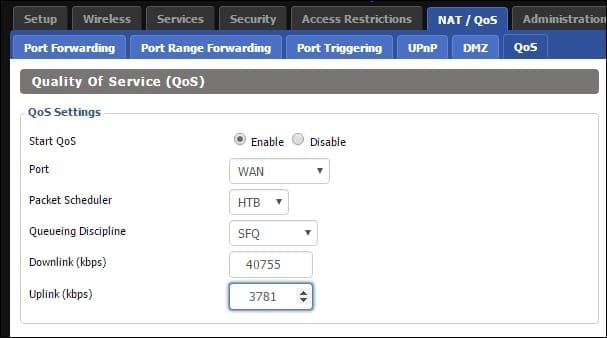
Router Quality of Service (QoS) configuration is underutilized. It prioritizes your streaming device, reserving bandwidth even when other devices compete for connection. Access your router admin panel (typically 192.168.1.1), locate QoS settings, and assign highest priority to your streaming device's MAC address.
Maintain a mobile hotspot with sufficient data as emergency failover. Test the transition during practice streams so you're not figuring it out live when things go wrong.
Device Prep (15 Minutes Before Going Live)
Execute this sequence exactly:
Close all background applications
Restart device to clear memory leaks
Clear Likee app cache through system settings
Disable automatic updates and notifications
Enable Do Not Disturb mode
Verify 30%+ battery or connect to power
Remove phone cases that trap heat. Position in air-conditioned environments. Avoid direct sunlight. These seem minor until you're 45 minutes into a stream and thermal throttling kicks in.
Maintain 2GB+ free storage. When storage fills up, your phone constantly shuffles data around, consuming CPU cycles that should be handling your stream.
AR Effect Configuration (Preview Everything)
Access that sparkle icon for the AR effect library before going live. Here are combinations that actually work in practice:
4D Magic + Sparkles: Generates 3x interaction rates with minimal CPU load
4D Magic + Beauty + Music Magic: Transformation effects that spike engagement
Superpower + Confetti: Gaming-themed streams with particle effects that don't crash mid-range devices
Adjust your primary effect intensity to 70-80%. This reserves processing headroom for when viewer counts surge unexpectedly. Load CPU-heavy effects first—it prevents memory allocation conflicts that cause crashes when you add layers mid-stream.
Preview mode testing is non-negotiable. Activate all planned effects simultaneously and monitor for frame drops, audio desync, or visual glitches. What works in preview will work live. What glitches in preview will crash live.
For premium features and viewer quotas without stability compromises, recharge Likee live stability diamonds safe services through BitTopup ensure secure account enhancements with competitive pricing and genuinely excellent support.
Backup Planning (Hope for the Best, Prepare for the Worst)
Configure backup streaming by establishing secondary devices with pre-loaded Likee. Test account switching during practice runs. Prepare pre-recorded high-quality content for emergency playback. Schedule automated broadcasts during unmanned hours to maintain consistency.
Cloud-powered multi-account management tools offer isolated virtual devices with unique IP addresses, eliminating the resource conflicts that crash overloaded phones trying to manage multiple accounts simultaneously.
How to Actually Stream During Peak Hours Without Crashing
Strategic timing transforms crash risks into growth opportunities—but only with proper technical preparation.
Picking Your Time Slot (It's More Nuanced Than 6-9 PM)
The 6-9 PM window offers maximum engagement, but it demands premium stability measures. If you're targeting that 25-34 demographic, the 9-11 PM secondary peak might give you better stability with comparable engagement. The 18-24 audience responds best to weekend 6-9 PM slots, which add that 30% engagement boost.
Daily 8 PM consistency builds algorithmic trust and audience habits. It also lets you refine your stability protocols for that specific time slot—you learn exactly how your network performs, what server load looks like, and how your device handles the sustained processing.
Pre-hype your streams 2-3 hours before going live through posts and notifications. This prevents sudden viewer surges that overwhelm connections. Stagger your start time 10-15 minutes from the exact hour to avoid competing with thousands of simultaneous launches.
Weekend streaming requires enhanced preparation due to that 30% engagement multiplier. Schedule 3-4 weekly sessions without overloading your quota—hitting 80% completion rates triggers 24-48 hour quota increases. Exhausting your limits causes algorithm penalties that take weeks to recover from.
Reading Server Load in Real-Time
Viewer connection speed shows up in your analytics dashboard. When connection times exceed 3 seconds, reduce AR effects to compensate for platform strain. The server-side congestion isn't your fault, but it becomes your problem if you don't adapt.
Monitor the first 10 minutes intensely. This window carries 3x algorithmic weight. Seed 2-3 comments from trusted accounts to trigger engagement momentum—the algorithm interprets early interaction as quality content worth promoting.
Those December reset dates (1st, 15th, 30th) create predictable traffic patterns. The 15th Gala preliminaries registration generates concentrated streamer activity. Avoid launching major broadcasts during the first hour after resets when server load peaks.
Managing Large Audiences Without Melting Your Phone
Premium accounts handling 10,000+ concurrent viewers face unique stability challenges. Start streams in Friends Only mode, then expand to public after confirming stability with 1,000-2,000 viewers. This staged approach prevents catastrophic crashes from immediate maximum capacity allocation.
Communicate your technical preparations to build trust. Viewers appreciate knowing you're taking stability seriously—it builds patience during minor hiccups.
Alert notifications at 75% quota exhaustion allow proactive stream conclusions before forced disconnections. Maintaining completion rate metrics matters more than squeezing out every last viewer.
The Quality vs. Stability Trade-off
1080p requires 8 Mbps upload (40-60% above minimum). But 720p streams remain stable at 5 Mbps with comparable viewer satisfaction during mobile viewing—which is how most people consume content anyway.
Vertical 9:16 ratio optimization matters more than resolution for mobile-first audiences. Properly framed 720p outperforms poorly composed 1080p in completion rates and engagement metrics every time.
Test quality settings during off-peak practice runs. Stream for 30+ minutes at your target resolution while monitoring CPU usage, temperature, and viewer feedback. If metrics show instability, downgrade quality rather than risk peak-hour crashes.
Advanced Techniques (For When Basic Setup Isn't Enough)
Professional-grade stability requires technical optimizations beyond basic setup.
Hardware Optimization That Actually Matters
Flagship devices justify their cost through sustained performance under load. That 4-5 simultaneous AR effect capacity enables creative differentiation while maintaining the 80% completion rates that trigger quota increases.
Mid-range devices achieve comparable stability by limiting to 2-3 proven combinations. It's not about having the best phone—it's about knowing your phone's limits and working within them.
External cooling accessories extend streaming duration during peak hours. Clip-on phone fans, thermal paste applications, and aluminum heat sink cases reduce throttling over 60+ minute broadcasts. Tripod stabilization prevents micro-movements that force constant autofocus adjustments—each focus cycle consumes processing power.
USB microphones ($20) offload audio processing from your phone's CPU. Ring lights ($15) provide consistent illumination that avoids shadow corrections consuming additional processing cycles.
Network Stability Enhancement (Beyond Get Faster Internet)
Bandwidth reservation through router configuration guarantees upload allocation during household peak usage. Access your router admin panel, locate QoS settings, and assign highest priority to your streaming device's MAC address.
Mobile data backup requires pre-testing during peak hours. Verify 5+ Mbps upload speeds on cellular connections before relying on them as failover. Unlimited data plans prevent mid-stream throttling that kills broadcasts right when they're going viral.
Mesh network systems eliminate Wi-Fi dead zones that cause connection drops when you move during streams. The investment pays for itself in the first prevented crash during a high-value broadcast.
App Memory Management (The Boring Stuff That Prevents Crashes)
Weekly cache clearing through system settings prevents gradual slowdown that manifests as increased crash frequency. Monthly app reinstallation provides a fresh baseline, eliminating corrupted preference files from previous updates.
Export your effect favorites and settings before reinstalling. Rebuilding configurations from scratch wastes time you could spend creating content.
Background Process Control (Developer Options)
Disable automatic updates, cloud sync services, and location tracking during streams. Access Developer Options (enabled by tapping Build Number seven times in your phone settings) to reveal advanced controls: disable background process limits, reduce animation scales to 0.5x, force GPU rendering for 2D elements.
These tweaks free up resources that would otherwise compete with your streaming app.
Monitoring and Adjusting During Live Streams
Active monitoring enables immediate corrections before minor issues become catastrophic crashes.
Reading the Warning Signs
Sudden viewer drops of 20%+ within 60 seconds indicate technical issues, not content problems. Check upload speed immediately—if bandwidth degraded, reduce AR effects or lower resolution.
That 80% completion rate benchmark determines algorithmic promotion. If completion drops below 75%, implement emergency stabilization: remove AR effects, reduce resolution, focus on core content delivery.
First 10-minute interaction rates carry 3x weight in ranking calculations. Seed engagement through strategic questions, polls, and callouts that generate comments and reactions.
Performance Metrics in Real-Time
CPU usage monitoring apps in split-screen mode display real-time processor load. When usage exceeds 85%, remove AR effect layers before thermal throttling triggers shutdowns.
Temperature thresholds: 45°C (113°F) represents the warning zone for most smartphones. Pause streams briefly to allow cooling, communicate the break to your audience, then resume with reduced effects.
Network stability indicators within Likee show connection quality through color-coded icons. Yellow warnings signal degraded performance—reduce quality immediately. Red alerts demand emergency measures: pause new viewer admissions, consider graceful conclusion if conditions don't improve within 2 minutes.
Live Troubleshooting (When Things Go Wrong Anyway)
When crashes occur, execute this recovery sequence:
Immediate (10 seconds): Tap reconnect to resume the same session
15 seconds: Force-close Likee and relaunch if reconnect fails
30 seconds: Switch to backup connection (mobile data) if Wi-Fi failed
60 seconds: Restart device if app-level recovery fails
2 minutes: Launch backup device with pre-loaded content if primary is unrecoverable
Communicate each step to retained viewers through other platforms. Maintaining trust during technical resolution separates professionals from amateurs.
Emergency Recovery Protocols
Pre-recorded content (3-5 minute high-quality clips) serves as emergency filler during technical crises, keeping viewers engaged while you resolve issues behind the scenes.
Backup account switching allows seamless continuation when primary accounts face technical locks or quota exhaustions. Pre-configure secondary accounts with identical branding so transitions feel intentional rather than desperate.
Myths That Cost Creators Viewers
Industry myths create false confidence leading to preventable crashes.
Faster Internet Prevents All Crashes
This oversimplifies network requirements dramatically. Stable 5 Mbps with consistent latency outperforms unstable 50 Mbps fluctuating between 2-60 Mbps every time.
Jitter and packet loss matter more than raw speed. Upload speed differs from download—test both directions during peak hours for accurate assessment.
Only Flagship Phones Can Stream Reliably
This ignores optimization potential. Mid-range devices achieve professional stability by limiting AR effects to 2-3 proven combinations, maintaining proper cooling, and avoiding background processes.
The 4GB RAM minimum represents baseline functionality. 6GB+ provides headroom for viewer surges and effect experimentation. But you can absolutely build a successful streaming operation on mid-range hardware with proper technique.
Avoid Peak Hours to Avoid Crashes
This sacrifices growth for false security. The 6-9 PM window's 30% engagement boost and algorithmic preference for high-traffic participation outweigh the additional stability preparation required.
Weekend streaming's additional 30% multiplier compounds growth potential. The solution isn't avoiding peak hours—it's preparing properly for them.
Always Stream at Maximum Quality
This ignores mobile viewing realities. The majority of viewers consume content on smartphones where 720p and 1080p differences are imperceptible.
Stability and completion rates determine success more than resolution. Professional composition at 720p outperforms amateur 1080p in viewer retention and algorithmic promotion consistently.
When Everything Fails: Emergency Recovery
Preparation for technical failures separates professional operations from amateur broadcasts.
The First 10 Seconds Matter Most
The 10-second reconnection window determines recovery success. Keep the streaming app in foreground during brief disconnections—background transitions prevent automatic reconnection.
Force-close and relaunch within 15 seconds if reconnection fails. Modern devices relaunch apps in 3-5 seconds, allowing recovery before viewer abandonment accelerates.
Keeping Your Audience During Technical Issues
Cross-platform communication maintains audience connection during technical issues. Post immediate updates to social accounts explaining the situation and estimated recovery time.
Humor and authenticity during difficulties build loyalty. Viewers appreciate genuine reactions over pretending problems don't exist. Some of the strongest community bonds form during shared technical struggles handled with transparency.
Quick Restart Techniques
Pre-configured stream settings enable one-tap relaunches. Save preferred AR effect combinations, quality settings, and audience targeting as templates that load instantly without manual reconfiguration.
Backup devices maintained in ready-state provide seamless transitions. Keep secondary phones logged in with identical settings, positioned on tripods with active connections for 30-second switches.
Communication Best Practices
Scheduled streams build audience expectations that tolerate brief technical delays. Viewers planning to attend your 8 PM broadcast will wait 2-3 minutes for recovery. Spontaneous streams lose audiences immediately when issues occur.
Post-stream follow-up acknowledges technical issues and previews improvements. This demonstrates professionalism and maintains trust for future broadcasts.
Building Long-Term Stability
Sustainable success requires systematic performance analysis and infrastructure investment.
Tracking Your Crash Patterns
Track crash frequency, timing, and circumstances in dedicated logs. Patterns emerge after 10-15 streams: specific AR effect combinations triggering issues, network congestion windows unique to your ISP, or device temperature thresholds predicting failures.
Crashes occurring consistently 45 minutes into streams might indicate thermal throttling rather than network issues. That's actionable intelligence that changes your preparation strategy.
When to Upgrade Equipment
Flagship device upgrades every 2-3 years maintain competitive technical capabilities. Those January 2025 CPU efficiency improvements benefit newer processors disproportionately—2019 devices represent minimum viable generation; 2023+ models provide substantial headroom.
Network infrastructure investments yield immediate returns. Gigabit internet, mesh Wi-Fi systems, or dedicated streaming network segments eliminate most common crash causes.
Network Infrastructure Investment
Dedicated streaming internet connections isolate broadcast traffic from household usage. Secondary ISP subscriptions or business-grade service tiers provide guaranteed bandwidth allocation and priority technical support.
Wired ethernet adapters for mobile devices eliminate Wi-Fi variables entirely. USB-C to ethernet dongles enable direct router connections for maximum stability.
Preventive Maintenance Schedules
Weekly device optimization prevents gradual performance degradation:
Sunday: Clear app cache, verify storage space, update Likee to latest version
Wednesday: Test backup connections, verify equipment functionality
Friday: Pre-stream device restart, effect preview testing, network speed verification
Monthly deep maintenance includes app reinstallation, router firmware updates, and equipment inspection for physical damage.
What Actually Works: Lessons from Successful Streamers
Professional creators share battle-tested techniques preventing crashes while maximizing growth.
The 500,000 Viewer Case Study
That documented 3-hour stream handling 500,000 concurrent viewers achieved zero crashes by limiting AR effects to 2-3 compatible layers—despite flagship hardware capable of 4-5.
This conservative approach prioritized completion rates over visual complexity. The result? Algorithmic promotion that outperformed technically ambitious but unstable competitors.
Ring light and USB microphone investments ($35 total) provided disproportionate stability returns. Consistent lighting reduces autofocus CPU consumption. External audio processing frees device resources for viewer management.
Effect Intensity Adjustment
Adjusting effect intensity to 70-80% on primary layers reserves processing headroom for viewer count fluctuations. Maximum intensity settings leave no buffer for CPU spikes when thousands join simultaneously during viral moments.
Loading CPU-heavy effects first allows optimal resource allocation before adding lighter layers. This prevents memory conflicts from mid-stream reallocation that trigger crashes.
The January 2025 Outage Lessons
The January 2025 U.S. outage taught professional streamers the value of multi-platform audience building. Creators with established social media followings successfully migrated viewers to backup platforms during the crisis.
Likee-exclusive streamers lost entire audiences during the 143% download spike recovery period. Pre-stream announcements of backup channels and emergency contact methods provide insurance against platform-level failures.
Building Loyalty Through Technical Transparency
Audience loyalty developed through consistent quality streaming tolerates occasional technical difficulties. Viewers invested in your content will wait through brief crashes. Casual audiences abandon immediately.
Transparency about stability investments demonstrates professionalism. Sharing optimization processes, equipment upgrades, and troubleshooting efforts educates audiences while building appreciation for broadcast quality.
FAQ
Why does Likee Live crash during peak hours?
Peak hours (6-9 PM) generate 30% higher engagement, creating server load and network congestion simultaneously. Crashes occur when streamers combine maximum viewer quotas (10,000+ for premium accounts) with CPU-intensive AR effects while household bandwidth competition reduces upload speeds below the 5 Mbps minimum. It's a perfect storm of technical strain.
How to prevent stream drops on Likee Live?
Execute pre-stream optimization: close background apps, restart your device, clear cache, verify 5+ Mbps upload. Limit AR effects to 2-3 stable combinations, adjust primary intensity to 70-80%, and preview everything before going live. Monitor CPU and temperature during streams, reducing effects immediately if metrics show instability.
What internet speed is needed for stable Likee streaming?
Minimum 5 Mbps upload for stable streaming; 8 Mbps for 1080p (that's 40-60% higher bandwidth). But consistent stability matters more than raw speed—stable 5 Mbps outperforms fluctuating 10 Mbps every time. Test upload speed during your planned streaming window (6-9 PM) for accurate assessment, not during off-peak hours.
How to fix Likee Live crash bugs permanently?
Implement systematic protocols: maintain 4GB+ RAM devices with 2019+ processors, ensure 5-8 Mbps upload, limit AR effects to your device's actual capacity (2-3 for mid-range, 4-5 for flagship), execute weekly cache clearing, and monitor quota at 75% to prevent exhaustion drops. Monthly app reinstallation eliminates corrupted files that accumulate over time.
What hardware prevents Likee streaming crashes?
Flagship devices (2019+ processors, 4GB+ RAM) handle 4-5 AR effects reliably. Mid-range phones stay stable with 2-3 effects. Essential accessories: tripod for stabilization, $15 ring light for consistent illumination, $20 USB microphone for offloaded audio processing. External cooling prevents thermal throttling during extended peak-hour broadcasts.
How to stream on Likee during busy hours without crashes?
Schedule streams at 6-9 PM with enhanced preparation: test network during actual peak hours, reduce AR effects by one layer below your device maximum, and start in Friends Only mode before expanding after confirming stability with 1,000-2,000 viewers. Maintain backup mobile data and pre-recorded content for emergency failover. The key is preparation, not avoidance.