

On November 18, 2025, Facepunch Studios COO Alistair McFarlane accused Team Jade of copying Rust's C4 explosive and hazmat suit in the Delta Force Asarah Season trailer. The developers apologized immediately and committed to removing unauthorized assets. This incident sparked critical discussions about asset usage standards and collaboration integrity in modern FPS development.
What Sparked the Asset Drama
Hours after the Asarah Season trailer dropped on November 18, 2025, McFarlane identified two Rust assets: Andrew Pilgrim's C4 model and the iconic hazmat suit. The C4 originated from Pilgrim's eight-year-old ArtStation post, making it easily traceable. Both appeared prominently in the trailer's several-minute runtime.
The accusation on X immediately drew attention to unauthorized asset usage in a AAA title's marketing. The trailer had already garnered 500,000 views, meaning hundreds of thousands formed impressions based on partially unauthorized content.
For players staying engaged with Delta Force, Delta Force in game credits top up through BitTopup ensures access to premium content with competitive pricing and secure transactions.
Understanding the Asset Issue
Asset Store vs Unauthorized Content
Asset stores provide pre-made 3D models developers can license legitimately. While common in indie development, their use in AAA titles raises quality concerns among players expecting custom content.
The Rust C4 represents specific intellectual property—not generic asset store content. Pilgrim created this model specifically for Rust, making its appearance clear unauthorized usage rather than gray-area asset reuse. This demonstrates either inadequate vetting or deliberate copying.
AAA standards typically mandate original asset creation or properly licensed content. When publishers like TiMi Studio Group release major updates, players expect professional quality and legal compliance. The drama highlighted gaps in Team Jade's QA pipeline.
Why This Became Community-Wide
The controversy struck at core concerns about content authenticity. The scale of trailer exposure amplified reputational impact beyond typical development drama. Community trust took immediate hits across platforms.
Players who'd invested in season passes questioned whether purchased skins contained similar unauthorized assets. Content creators faced difficult decisions about promoting Asarah content while controversy remained unresolved.
The incident raised broader questions: if official marketing featured unauthorized assets, what oversight existed for community-created maps? These concerns prompted calls for comprehensive policy updates.
Complete Timeline
Pre-Controversy: Season Launch
Delta Force Season 7 Asarah launched November 18, 2025, introducing new Warfare and Operations modes. Five days earlier, a cinematic teaser built anticipation. Initial reception focused on gameplay additions rather than asset concerns.
Discovery Phase
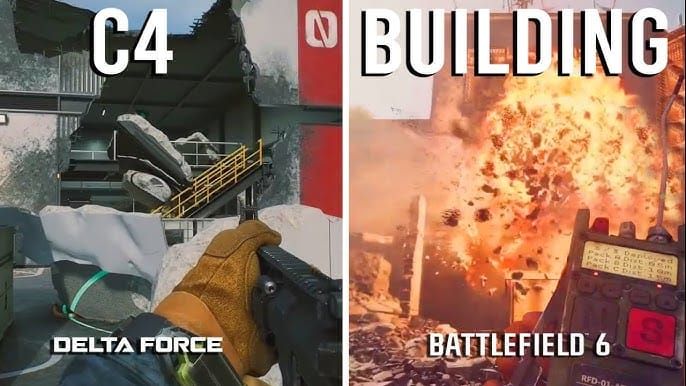
On launch day, McFarlane posted his accusation, triggering community investigation. His industry position and specific identification lent immediate credibility. The community corroborated claims by comparing trailer screenshots with Pilgrim's ArtStation post. Side-by-side comparisons revealed identical geometric details, textures, and design elements.
Developer Response
Team Jade reached out to Facepunch on November 18—the same day. This rapid engagement demonstrated awareness of the situation's seriousness. The developers issued a formal apology for using Rust assets without authorization, committing to removal from all materials.
PC Gamer covered the apology November 18, bringing mainstream media attention and increasing pressure for thorough resolution.
Current Status
The matter resolved between Facepunch and Team Jade on November 18. Facepunch instructed asset removal; Team Jade agreed while maintaining trailer availability on the Delta Force X page—a compromise allowing continued marketing pending full removal.
McFarlane's suggestion of official Rust-Delta Force collaboration emerged during resolution, indicating the incident might lead to legitimate partnership opportunities.
Quality Debate: Custom vs Store Assets
Why Asset Store Content Is Controversial
Players paying premium prices expect original content, not pre-made elements available to any developer. The perceived value shifts dramatically when purchased skins aren't unique creations but modified asset store items.
The Asarah controversy involved more serious issues—unauthorized copying of proprietary assets. Asset stores provide legitimate licensing; using Rust's models without permission constitutes IP violation.
Quality concerns extend beyond legality to artistic cohesion. Custom assets integrate seamlessly with a game's visual style because designers create them specifically for that context. Copied elements often exhibit inconsistencies in texture quality, polygon counts, or style that break immersion.
Performance Differences
Custom assets undergo optimization for Delta Force's engine, hardware specs, and performance budgets. Developers control polygon counts and texture resolutions to balance quality with frame rates.
Unauthorized content may lack this optimization, potentially introducing bottlenecks. The Rust C4, designed for Rust's engine, might require significant modification for Delta Force's environment.
Visual Cohesion Impact
Delta Force maintains specific aesthetics balancing tactical realism with gameplay clarity. Unauthorized Rust assets—from a game with different art direction—risk disrupting this consistency.
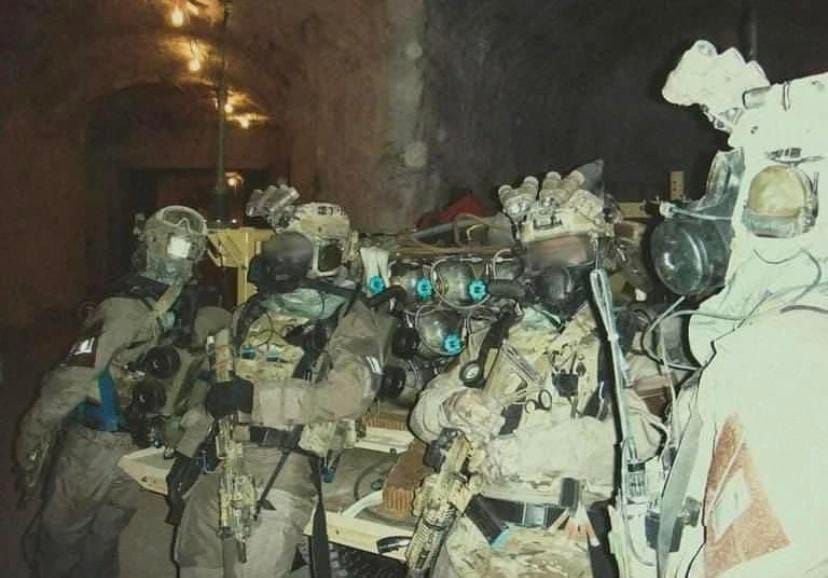
The hazmat suit exemplifies this challenge. Rust's design serves post-apocalyptic survival settings with appropriate weathering and colors. Transplanting this into Delta Force's modern military setting creates visual dissonance experienced players immediately recognize.
Industry Standards
Major publishers enforce strict pipelines requiring original development or properly licensed content. QA should catch unauthorized assets before marketing materials. The controversy revealed Team Jade's QA gaps allowing Rust assets through multiple approval stages.
Best practices include asset provenance tracking—every element maintains documentation of creation source and licensing status. This prevents unauthorized usage through accountability. The absence enabled the Rust inclusion.
Community Reaction
Initial Response
The community mixed disappointment, anger, and concern about broader practices. Players who'd defended Delta Force felt betrayed. Social discussions evolved from shock to demands for explanations and preventive measures.
Content creators faced particular challenges on launch day. Many had prepared Asarah coverage based on the trailer, only to discover problematic assets. This forced difficult decisions about proceeding with content or delaying pending resolution.
Creator Perspectives
Influencers navigated complex territory between supporting the game and addressing legitimate concerns. Many adopted wait-and-see approaches, acknowledging controversy while reserving judgment pending Team Jade's response.
The rapid November 18 response helped creators frame this as a mistake being addressed rather than ongoing problem. This enabled covering the controversy, acknowledging the apology, and moving forward with content.
Some used this to educate audiences about asset practices, industry standards, and differences between legitimate usage and unauthorized copying.
Trust Impact Metrics
Discussion volume spiked dramatically November 18, dominating Delta Force conversations. The ratio of critical to supportive comments shifted noticeably versus typical launches.
Season pass purchases likely experienced short-term disruption as buyers adopted wait-and-see approaches. Players faced uncertainty about whether purchased skins might contain similar issues.
Resolution speed limited long-term damage. Had Team Jade delayed or disputed accusations, sentiment could have deteriorated significantly. Same-day acknowledgment prevented extended erosion.
Long-Term Effects
The controversy will remain a reference point in discussions about development quality. Future launches face heightened scrutiny as players watch for similar issues.
However, quick resolution and cooperative approach positioned this as correctable mistake rather than fundamental philosophy problem. This framing allows reputation recovery through demonstrated improvement.
Potential Rust-Delta Force collaboration could transform the incident's legacy from purely negative to catalyst for positive partnership—demonstrating ability to convert mistakes into constructive outcomes.
Future Skin Quality
New QA Standards
While Team Jade hasn't released detailed documentation, resolution implies enhanced asset vetting. Future content will likely undergo rigorous provenance verification with proper documentation before integration.
Enhanced standards should include multiple checkpoints: initial creation requires source documentation, mid-development reviews verify compliance, pre-release QA examines origins before public exposure.
Pipeline Changes
Workflows likely now include mandatory provenance tracking from concept through implementation. Every model maintains clear documentation of creator, date, licensing status, and approval chain.
Third-party usage requires enhanced documentation proving proper licensing. Legal review ensures compliance with terms, preventing usage beyond permitted scope.
For active engagement, Delta Force mobile currency recharge via BitTopup provides fast delivery and secure transactions.
Transparency Measures
Increased transparency about creation processes rebuilds trust. Team Jade could implement behind-the-scenes content showcasing original asset creation, proving commitment to custom content over shortcuts.
Community feedback channels addressing quality concerns allow reporting suspected issues before escalation. Responsive handling demonstrates ongoing commitment and willingness to address problems proactively.
Expected Improvements
Future content should reflect lessons through demonstrably higher standards and cohesive artistic direction. Enhanced QA should catch not only unauthorized assets but lower-quality elements not meeting AAA standards.
The controversy's timing ensures maximum visibility for improvements in subsequent seasons. Team Jade faces strong incentives to demonstrate clear quality elevation in the next major drop.
Collaboration Guidelines
Partner Vetting
Future collaborations require comprehensive legal agreements defining asset usage rights, quality standards, and approval processes. Partner vetting includes portfolio reviews demonstrating capability and technical assessments verifying integration.
Development timelines include multiple review milestones where both parties verify quality, authenticity, and compliance. These checkpoints prevent problematic content progressing too far.
Approval Process
Third-party submissions require standardized workflows ensuring consistent verification. Initial submissions include comprehensive documentation of origins, processes, and licensing.
Technical review examines performance characteristics. Artistic review verifies stylistic consistency. Legal review confirms all necessary rights exist.
Quality Benchmarks
Collaborative skins must meet or exceed internal standards. Polygon counts, texture resolutions, and shader complexity should align with Delta Force specs.
Thematic appropriateness is critical—content must fit tactical military settings. Crossover content requires thoughtful adaptation ensuring purposeful integration.
Communication Standards
Transparent communication about collaborations builds anticipation while managing expectations. Announcements should identify partners, explain creative vision, and provide timelines.
When collaborations encounter challenges, proactive communication maintains trust. The Asarah controversy demonstrated value of rapid, honest acknowledgment.
Creator Map Rules Overhaul
New Asset Restrictions
Enhanced restrictions prohibit unauthorized third-party assets in creator maps. All content must be original creations, properly licensed asset store content, or official Delta Force assets.
Asset verification tools may allow creators to check proposed assets against databases of problematic content before submission.
Approval Process
Submissions require comprehensive asset documentation. Creators must identify sources for all models and textures, providing licensing proof.
Staged approval allows initial concept reviews before extensive time investment. Early feedback prevents wasted effort from late-stage rejections.
Quality Standards
Custom maps must meet minimum technical standards ensuring playable performance. Frame rate requirements and optimization guidelines help creators develop quality experiences.
Gameplay balance standards prevent exploitative mechanics. Artistic standards ensure visual consistency with Delta Force aesthetics.
Monetization Requirements
Clear policies establish fair compensation while protecting commercial interests. Credit requirements ensure creators receive proper recognition.
IP rights clarification prevents disputes about ownership and usage rights, protecting both parties.
Investment Considerations
Evaluating Quality
Examine skin previews for texture detail, model complexity, animation smoothness, and stylistic consistency. Community discussions and creator reviews provide insights beyond official marketing.
In-game preview features allowing detailed examination help informed decisions. Rotating views and different lighting reveal quality details.
Season Pass Value
Value depends on content volume, exclusive items, progression rewards, and engagement value. The controversy shouldn't disqualify purchases if Team Jade demonstrates genuine improvement commitment.
Compare content volume and quality against pricing. Wait for mid-season reviews to evaluate actual delivered content versus promises.
Refund Policies
Understand refund policies before purchasing. Platform-specific windows and conditions vary. The Asarah controversy didn't trigger widespread eligibility because problematic assets appeared in promotional materials, not purchased content.
Document quality concerns with screenshots for stronger refund requests when issues arise.
Smart Strategies
Adopt wait-and-see approaches allowing community consensus before commitment. Focus purchases on specific high-value items rather than comprehensive bundles.
Monitor Team Jade's communication and demonstrated improvements across seasons. Consistent quality elevation rebuilds trust supporting confident decisions.
Industry Impact
Comparison to Other Controversies
This represents relatively minor incident versus major scandals involving systematic deception or predatory monetization. Quick resolution and cooperative approach prevented escalation.
What distinguishes Delta Force's handling is response speed and transparency. Many controversies featured delayed acknowledgment or defensive posturing. Team Jade's same-day apology limited damage.
Best Practices
Transparent development builds trust providing resilience during controversies. Regular updates and honest communication create goodwill buffering negative incidents.
Proactive disclosure of asset sources prevents speculation. Community feedback integration shows respect for player perspectives.
Relationship Building
Strong relationships require consistent effort beyond crisis management. Acknowledging mistakes without defensiveness demonstrates accountability communities respect.
Delivering on commitments rebuilds trust. Team Jade's commitment to removing Rust assets must be followed through completely.
Long-Term Implications
The controversy will drive lasting improvements in processes, QA, and communication. Enhanced vetting reduces future risks while potentially increasing timelines—prioritizing quality over rapid production.
The incident may influence competitive positioning. Demonstrating superior standards differentiates Delta Force, potentially attracting players valuing development integrity.
Maximize Your Experience
Best Value Strategies
Prioritize items you'll use frequently. Seasonal sales offer cost-effective opportunities. Community trading allows targeted acquisition without purchasing entire bundles.
Safe Currency Purchases
BitTopup offers competitive Delta Force credits pricing with fast delivery, secure processing, and excellent support. The platform's reputation for secure transactions makes it trusted for currency needs.
Avoid unauthorized sellers to protect account security. Legitimate platforms provide purchase protection unauthorized sellers can't match.
FAQ
What exactly happened in the controversy?
November 18, 2025, Facepunch COO identified Rust's C4 and hazmat suit in the Asarah trailer. Team Jade immediately apologized, acknowledged unauthorized usage, and committed to removal. The matter resolved same day through direct communication.
Will future skins use unauthorized assets?
Enhanced QA procedures make future unauthorized usage highly unlikely. Team Jade's rapid response demonstrates awareness of seriousness. Enhanced provenance tracking should prevent similar incidents.
How does this affect my purchased skins?
Unauthorized assets appeared in promotional materials, not purchasable content. Your Asarah skins remain unaffected. Removal commitments apply to marketing materials.
What are new creator map rules?
Creator maps likely face enhanced verification requirements. Creators must document sources and provide licensing proof. These restrictions protect against IP disputes while maintaining quality.
Should I invest in season passes?
Value depends on engagement and preferences. The controversy revealed QA gaps but demonstrated Team Jade's willingness to address issues quickly. Wait for community reviews for informed decisions.
How can I identify quality issues?
Watch for visual inconsistencies, generic designs, or stylistically out-of-place elements. Community discussions often identify concerns early. Compare new content against previous seasons.