

Chamet hosts often assume higher bean rates guarantee better earnings, but demand elasticity reveals a counterintuitive truth: pricing at 2,000 beans per minute can generate significantly more total revenue than 5,000 beans per minute. Understanding the mathematical relationship between pricing and viewer behavior helps hosts identify their optimal rate within the proven 3,000-8,000 beans per minute sweet spot.
Understanding Demand Elasticity in Chamet Host Pricing
Demand elasticity determines how pricing changes affect total revenue. When demand is elastic, small price increases cause disproportionately large drops in viewer sessions, reducing total earnings despite higher per-minute rates.
Chamet's pricing range spans 1,200-12,000 beans per minute. Social hosts typically charge 1,200-6,000 beans, premium hosts 8,000-12,000 beans. Female hosts start at 2,000-6,000 beans per minute, males at 1,200-4,000 beans.
For pricing experiments and viewer incentives, Chamet Diamonds recharge through BitTopup provides bean reserves for data-driven optimization.
Price Elasticity of Demand for Live Streaming
Price elasticity = (% change in viewer sessions) / (% change in bean rate). When this exceeds 1.0, demand is elastic—viewers are highly price-sensitive and reduce sessions when rates increase.
Conversion economics: 10,000 beans = $1 USD. A 5,000 bean/minute session costs $0.50/minute or $30/hour. A 2,000 bean/minute rate = $0.20/minute or $12/hour—aligning with casual entertainment budgets.
Optimal rates of 3,000-8,000 beans per minute balance price and volume, though individual optimization depends on audience composition.
Why 'Higher Price = More Revenue' Fails
Chamet's competitive marketplace with thousands of hosts creates abundant substitution options, making demand highly elastic. When you price at 5,000 beans while comparable hosts offer 2,000-3,000 beans, viewers redirect spending to affordable alternatives.
Random match charges only 600 beans per minute, establishing baseline expectations. Anything above 3,000 beans requires exceptional justification.
The automatic 1,000 bean increase every 7 days pushes hosts into premium tiers where only established hosts sustain adequate volume.
The Elasticity Coefficient Formula
E = (% Change in Viewer Sessions) / (% Change in Bean Rate). When E > 1, lower prices increase revenue; when E < 1, higher prices increase revenue. Chamet typically produces coefficients of 2.0-4.0 in the 2,000-6,000 bean range.
Example: Raising from 2,000 to 5,000 beans (150% increase) drops daily sessions from 30 to 8 (73% decrease). Elasticity = 0.49. But daily revenue drops from 60,000 beans to 40,000 beans—even inelastic demand doesn't guarantee optimization.
Revenue-maximizing price occurs where marginal revenue equals zero. For most hosts, this falls between 3,000-4,500 beans per minute.
The 2,000 vs 5,000 Beans/Min Revenue Comparison
2,000 Beans Scenario
At 2,000 beans/minute, hosts access the broadest market. Conservative metrics: 30 viewers daily, 15-minute average sessions.
Daily revenue: 30 × 15 × 2,000 = 900,000 beans = $90. After 60-40 split: $54 daily or $1,620 monthly.
Session frequency remains high—viewers spend $3 per 15-minute session, enabling daily or every-other-day engagement.
5,000 Beans Scenario
At 5,000 beans/minute, pricing enters premium tier. Realistic performance: 8 viewers daily, 10-minute sessions.
Daily revenue: 8 × 10 × 5,000 = 400,000 beans = $40. After split: $24 daily or $720 monthly—less than half the 2,000 bean rate despite charging 2.5x more.
Viewers spending $5 per 10-minute session limit interactions to weekly or bi-weekly patterns.
Why Lower Pricing Attracts 3-5x More Viewers
At 2,000 beans/minute, decision threshold is low: $1.20 for 6-minute trial. At 5,000 beans: $3 for same trial—demanding pre-existing reputation.
Lower pricing captures multiple segments: budget-conscious regulars, newcomers, viewers diversifying across hosts, international users. Premium pricing restricts you to 15-20% of platform users.
30-Day Earnings Comparison
2,000 beans/minute: $1,620 monthly outperforms 5,000 beans/minute at $720 monthly by 125%.
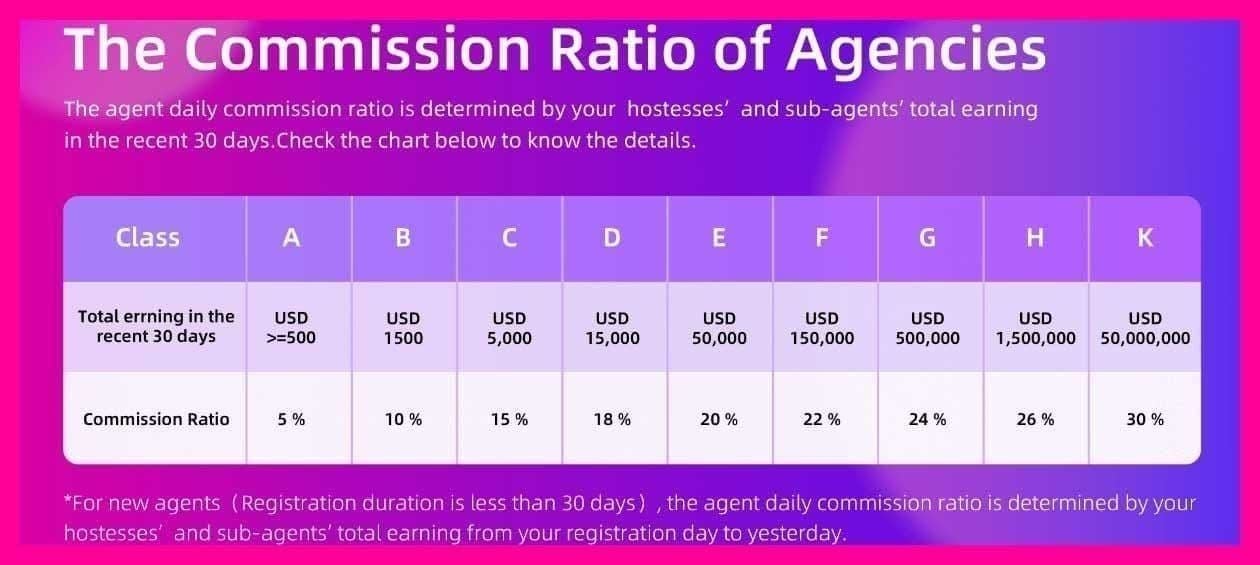
Party room revenue (Level 5+) provides 70% host share. Hosts with 30 regular viewers fill rooms consistently; hosts with 8 viewers struggle.
Peak pricing (20-40% premiums) on 2,000 bean base (2,600 beans) remains more accessible than 5,000 bean base, adding $300-500 monthly.
Viewer Psychology and Spending Thresholds
The 2,000-3,000 Bean Sweet Spot
This range aligns with small pleasures budgets: $0.20-$0.30/minute or $12-18/hour—comparable to streaming services or coffee shops.
Viewer budget tiers:
Casual: $20-50 monthly
Regular: $50-150 monthly
Dedicated: $150+ monthly
At 2,000 beans/minute, casual viewers afford 100-250 minutes monthly. At 5,000 beans: only 40-100 minutes—insufficient for relationship development.
Price Sensitivity by Demographics
Younger viewers (18-25) show higher elasticity, preferring multiple shorter sessions. Ages 30-45 show more inelastic demand but remain sensitive above 6,000 beans/minute.
Geographic purchasing power varies significantly. New users exhibit extreme price consciousness; experienced users tolerate higher rates but maintain mental ceilings around 6,000-8,000 beans.
Perceived Value Influences Decisions
Viewers evaluate whether 5,000 beans/minute delivers 2.5x more value than 2,000 beans/minute. Without clear differentiation, they default to price-based decisions.
Random match at 600 beans/minute establishes baseline expectations. 5,000 beans appears premium requiring exceptional justification; 2,000 beans appears fair market value.
Premium rates face higher expectations. Disappointing sessions at 5,000 beans cause severe reputation damage versus acceptable variance at 2,000 beans.
Session Duration by Price Point
At 2,000 beans/minute: 15-20 minute sessions allow natural conversation. At 5,000 beans: viewers limit to 8-12 minutes to control spending.
20-minute session at 2,000 beans = 40,000 beans. 10-minute session at 5,000 beans = 50,000 beans—only 25% more despite 150% higher pricing.
Extended sessions improve satisfaction and gift opportunities (0.6 beans per Diamond conversion), providing supplementary revenue.
Common Pricing Misconceptions
Myth: Premium Pricing Signals Quality
Quality signals emerge from profile presentation, reviews, ratings, and previews—not bean rates alone. High rates from unknown hosts signal poor value awareness.
Established hosts sustain premium pricing because quality precedes price evaluation. New hosts must build reputation at accessible prices before premium positioning.
Myth: Loyal Fans Pay Any Price
Loyal viewer spending $100 monthly at 2,000 beans (500 minutes) can't maintain engagement at 5,000 beans without increasing budget to $250—unrealistic for most.
Raising from 2,000 to 5,000 beans typically loses 60-70% of viewer base, retaining only highest-spending segment.
Automatic 1,000 bean increases every 7 days cause gradual attrition. Manage via Profile > My Chat Price to prevent exceeding audience thresholds.
Myth: Can't Change Pricing Without Losing Viewers
Strategic reductions typically increase engagement. Lowering from 5,000 to 2,000 beans signals accessibility, attracting new viewers and re-engaging previous visitors.
Frame reductions as accessibility initiatives. Test one-week periods before permanent changes.
Increases require clear value additions—new content, extended hours, exclusive experiences. Gradual 500-1,000 bean increases with advance notice minimize churn.
Viewer Budget Constraints Reality
Most users allocate fixed entertainment budgets monthly across multiple hosts, party rooms, and gifts.
60-40 revenue split means hosts receive 60% of spending. At 2,000 beans: viewer spending $30 monthly provides $18 across 150 minutes. At 5,000 beans: same $18 across only 60 minutes—identical revenue with 60% less engagement.
Capturing 10% of 100 viewers' budgets > capturing 50% of 20 viewers' budgets, plus diversification reduces volatility.
Finding Your Optimal Bean Rate
Phase 1: Baseline Data Collection
Document 14+ days: unique viewers, total sessions, average duration, beans earned, gift revenue. Calculate beans per viewer, session length, revenue per available hour.
Access earnings dashboard for peak patterns. Document current rate via Profile > My Chat Price.
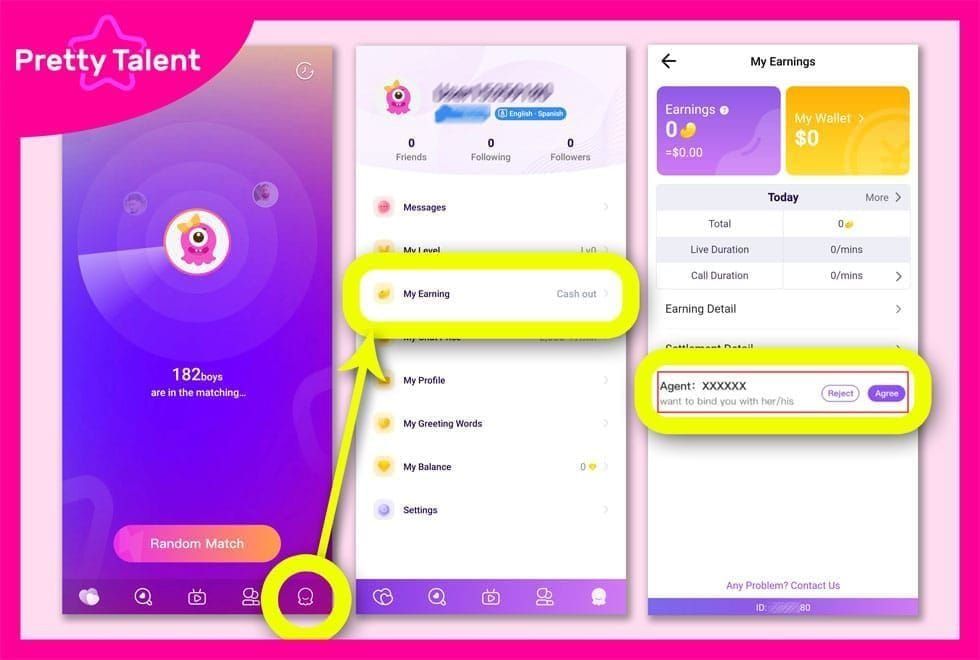
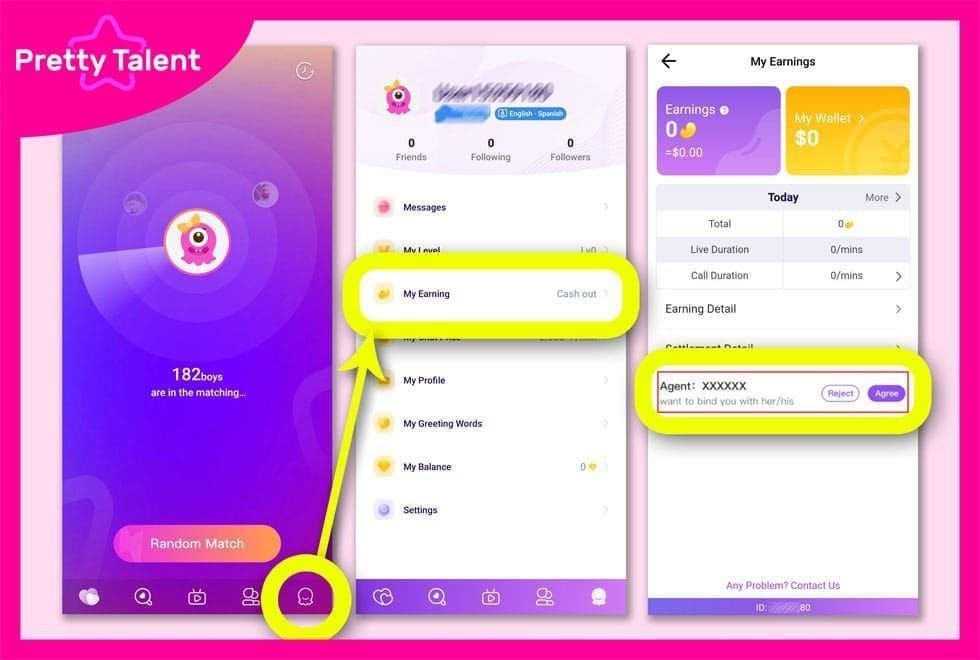
Categorize viewers: casual (under $20 monthly), regular ($20-100), dedicated ($100+).
Phase 2: Controlled Testing
Test one-week periods. Maximum three price points: current rate, 1,000 beans lower, 1,000 beans higher. Maintain consistent availability and content.
Adjust via My Profile > My Chat Price. Announce changes as accessibility periods or premium trials.
Monitor daily performance and qualitative feedback.
Phase 3: Analyzing Data
Compare weekly revenue, calculating percentage changes. Successful reductions show 15-30% revenue increases; successful increases show 10-20% gains.
Calculate elasticity: (% change sessions) / (% change rate). Above 1.5 = highly elastic, favor lower pricing. Below 0.8 = room for premium positioning. Most hosts: 1.2-2.5.
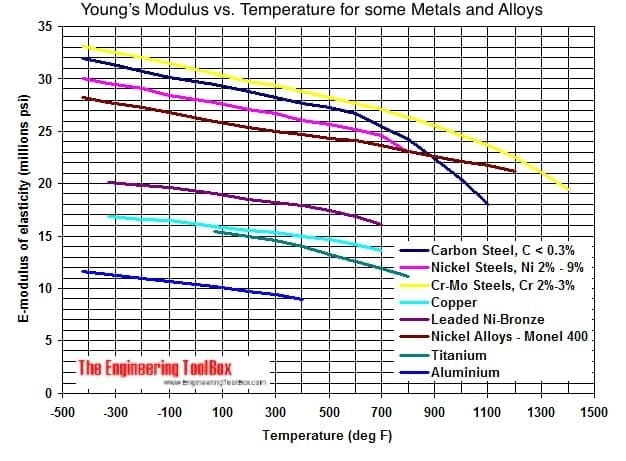
Analyze segment responses separately. If 80% revenue from 20% viewers, you may sustain higher pricing.
Phase 4: Implementation
Select rate maximizing total revenue. For most: 2,500-4,000 beans—signals quality while maintaining accessibility.
Implement via Profile > My Chat Price, disable automatic increases. Communicate as commitment to accessibility.
Schedule quarterly reviews. Established hosts test 500-1,000 bean increases; new hosts maintain accessibility until 40+ regular viewers.
Critical Tracking Metrics
Daily Active Viewers & Session Frequency
DAV measures unique paid sessions daily. Expect 20-40% increases when reducing 1,000-2,000 beans, 15-30% decreases when raising.
Session frequency: casual 2-4 monthly, regular 8-15 monthly, dedicated 20+ monthly.
Retention above 40% indicates pricing alignment; below 25% suggests misalignment or content issues.
Average Session Duration
Expect 15-20 minutes at 2,000-3,000 beans, 12-15 minutes at 3,000-5,000 beans, 8-12 minutes at 5,000+ beans.
18-minute sessions at 2,500 beans (45,000 beans) often outperform 10-minute sessions at 5,000 beans (50,000 beans) when including gift opportunities.
Declining durations at fixed pricing suggest budget pressure.
Revenue Per Hour vs Per Viewer
Revenue per available hour = total daily beans / hours available. Target minimum 100,000 beans/hour ($10/hour after splits), optimize for 200,000-300,000 beans/hour ($20-30/hour).
Revenue per viewer = monthly beans / unique monthly viewers. High-value relationships: 5,000+ beans/viewer. High-volume: 1,000-2,000 beans/viewer.
Viewer Churn After Changes
Churn = (viewers lost / total before change) × 100. Expect 10-15% from any change, 20-30% from 2,000+ bean increases, 5-10% from decreases.
Immediate churn (within 3 days) = price shock. Gradual churn (2-4 weeks) = natural turnover (15-25% monthly).
Successful reductions show churn recovery within 7-10 days.
Gift Revenue Indicator
Gift income should represent 15-30% of total earnings. Live gifts convert at 0.6 beans per Diamond; party room gifts provide 70% share at Level 5+.
Declining gift revenue despite stable sessions suggests budget pressure. Increasing gift revenue at lower rates confirms viewers allocate budgets across session time and gifts.
Real-World Case Studies
New Host at 2,000 Beans/Min
Launched at 2,000 beans: 45 unique viewers, 22 daily active, 12-minute sessions. Monthly: 1,188,000 beans ($71 after split).
Tested 3,500 beans: dropped to 14 daily active, 9-minute sessions. Monthly: 882,000 beans ($53 after split)—26% decrease.
Optimized at 2,500 beans: 19 daily active, 11-minute sessions. Monthly: 1,045,000 beans ($63 after split). Confirms new hosts prioritize volume until 50+ regulars.
Established Host Lowering Rates
Six months experience, charging 6,000 beans: 8 daily active, 10-minute sessions. Monthly: 960,000 beans ($58 after split).
Reduced to 3,000 beans: 18 daily active, 14-minute sessions. Monthly: 1,512,000 beans ($91 after split)—58% increase.
Party room attendance improved from 3-4 to 8-12 participants. After three months, tested 3,500 beans with minimal loss, settling at 1,600,000+ monthly beans ($96 after split).
Premium Host at 3,500 Beans/Min
Specialized content (language tutoring), started at 8,000 beans: 5-6 daily viewers, 8-minute sessions. Monthly: 960,000 beans ($58 after split).
Reduced to 4,500 beans: 12 daily viewers, 13-minute sessions. Monthly: 1,404,000 beans ($84 after split).
Further reduced to 3,500 beans: 16 daily viewers, 14-minute sessions. Monthly: 1,568,000 beans ($94 after split). Balanced accessibility with expertise signaling.
Advanced Pricing Tactics
Dynamic Pricing by Time
Add 20-40% premiums during peak hours (7-11 PM). Example: 2,500 bean base becomes 3,500 beans during 8-10 PM.
Communicate as prime time rates. Viewers choose premium peak access or discounted off-peak sessions.
Promotional Windows
New viewer specials at 1,500-2,000 beans for first sessions, then 2,500-3,500 beans. Maximizes conversion without cannibalizing existing revenue.
Weekend/holiday promotions smooth revenue volatility. Successful promotions show 30-50% of promotional viewers returning at standard rates within two weeks.
Tiered Content Pricing
Standard conversation: 2,500 beans. Specialized content (performances, tutorials): 4,000-5,000 beans.
Party room entry fees: 10-50 Diamonds for standard, 200-500 Diamonds for premium events. 70% gift share at Level 5+ makes premium events highly profitable.
Gift Incentives
Charge 2,000 beans/minute while encouraging gifts. Hybrid model appeals to viewers preferring generosity over transactions.
5,000 Diamonds gift ($3) = 3,000 beans revenue—equivalent to 1.5 minutes at 2,000 beans/minute.
Hosts mastering this generate 40-60% revenue through gifts, enabling highly accessible rates while achieving premium total earnings.
Managing Bean Economy with BitTopup
Why Hosts Need Bean Reserves
Pricing tests include bonus time and discounted sessions. Reserves allow crediting viewers for issues, loyalty bonuses, and campaigns without reducing take-home earnings.
Party room hosting requires setup investment and promotional gifts. Reserves seed rooms to encourage participation.
Competitive positioning requires matching promotional offers. Reserves provide flexibility without compromising stability.
How BitTopup Streamlines Management
BitTopup provides secure, efficient bean acquisition with competitive pricing and fast delivery. Wide game coverage and excellent customer service support professional hosting careers.
High user ratings reflect commitment to secure transactions—critical for financial infrastructure.
Cost-Effective Acquisition
Revenue optimization requires investment in testing. Cost-effective acquisition through BitTopup minimizes experimentation risk.
Conversion: 10,000 beans = $1 USD; 16,670 Diamonds = 10,000 beans. Calculate exact promotional requirements.
Maintain 3-6 months promotional budget in reserves for strategic flexibility unavailable to hosts without financial buffers.
FAQ
Why do hosts earn more at lower bean rates? Lower rates generate 3-5x more viewers with longer sessions. At 2,000 beans/minute, hosts earn 50-125% more monthly than at 5,000 beans despite lower per-minute rates through increased volume and frequency.
What is demand elasticity in Chamet pricing? Elasticity measures viewer response to pricing. Chamet viewers are highly price-sensitive with coefficients of 1.5-3.0—a 10% price increase causes 15-30% volume decrease, reducing total revenue.
What's optimal for new hosts? Start at 2,000-2,500 beans/minute to maximize acquisition. After 40+ regular viewers over 2-3 months, test 500-1,000 bean increases, typically settling at 2,500-4,000 beans.
How does pricing affect retention? Higher pricing reduces retention by limiting frequency and shortening sessions. 2,000-3,000 beans retains 40-50% month-over-month; 5,000+ beans retains 20-30%.
Can lowering rates increase earnings? Yes—lowering from 5,000+ to 2,500-3,500 beans typically increases earnings 30-80% through volume growth. 8 viewers at 5,000 beans (400,000 daily) becomes 30 viewers at 2,000 beans (900,000 daily).
What rates do top hosts use? Top earners use 3,000-5,000 beans/minute, not maximum 8,000-12,000 beans. This balances accessibility with value positioning, attracting large viewer bases while maintaining above-average per-minute earnings.
Ready to optimize your Chamet strategy? Get beans for testing with BitTopup—fast, secure, cost-effective top-ups that maximize earning potential. Start experimenting today!