

The Street Party Patch drops February 10, 2026, introducing the Wildcard System to Blood Strike, with SF Season 15 launching February 15, 2026. Equip up to three stat-boosting cards simultaneously—from Common to Legendary rarities—with effects like +25% damage amplification or -30% reload speed. These seven strategies will transform your Battle Royale performance through optimized loadouts, tactical timing, and synergy-based builds.
Understanding the Wildcard System in Season 15
Wildcards are equippable stat-modifying cards that reshape combat effectiveness. Equip up to three simultaneously, creating customizable builds for different playstyles. Upon elimination, one Wildcard drops randomly, creating strategic risk-reward dynamics.
New players get three Common Wildcards after the tutorial. Rarity tiers determine upgrade costs and max levels:
Common: 100-500 Gold/level, max level 10 (~3,000 Gold total)
Rare: 200-800 Gold/level, max level 15 (~7,500 Gold total)
Epic: 400-1200 Gold/level, max level 20 (~16,000 Gold total)
Legendary: 800-2000 Gold/level, max level 25 (30,000+ Gold total)
Daily Missions yield 150-250 Gold, Battle Royale wins award 150-200 Gold, top 10 finishes guarantee 50 Gold. The Lava Realm Elite Strike Pass costs 520 Gold, launching February 15, 2026.
Buy Blood Strike Golds top up through BitTopup for secure transactions and instant delivery.
Core Mechanics and Stacking Rules
Movement speed bonuses stack additively up to 50% cap. Damage reduction stacks multiplicatively—two +20% cards yield 36% total (1 - 0.8 × 0.8 = 0.36). This creates diminishing returns favoring diverse builds over single-stat stacking.
Random drops upon elimination add tactical depth. Aggressive players risk losing Legendary Wildcards during hot drops, while conservative players sacrifice early pressure to preserve loadouts.
Strategy #1: Aggressive Entry for Hot Drops
Dominate early fights with:
Hip Fire Master (Legendary): +40% hip-fire accuracy, no movement penalty
Sprint Shooter (Epic): -50% sprint-to-fire time
Close Combat (Rare): +20% damage within 15m
This excels in close-quarters hot drop chaos. Hip Fire Master eliminates precise aiming needs during building clears. Sprint Shooter keeps you ready when rounding corners. Close Combat amplifies damage in 15m engagements.
Timing Activations
Sprint Shooter activates passively during pushes. Hip Fire Master applies when firing without ADS—ideal for surprise encounters. Close Combat requires positioning awareness—use building interiors and tight corridors.
Secure weapons first before relying on Wildcard advantages. Once armed, use Hip Fire Master to maintain mobility while suppressing enemies.
Resource Management
Hot drops risk losing Legendary cards. Consider lower-rarity alternatives initially, reserving maxed Legendaries for mid-game when survival probability increases. Level 10 Common Wildcards provide 60-70% of Legendary effectiveness at 10% cost.
Combat Rush (Rare): +15% movement speed for 5s after elimination. Each kill triggers speed boost for rapid repositioning or escaping, creating snowball effects.
Strategy #2: Defensive Positioning for Mid-Game
Control favorable positions with:
Fortified Armor (Legendary): +20% damage reduction
Regenerative Health (Epic): 2% max health/second out of combat for 8s
Armor Efficiency (Rare): +15% armor damage absorption
This transforms you into a resilient anchor. Fortified Armor reduces all incoming damage. Regenerative Health minimizes healing item consumption. Armor Efficiency extends armor plate value.
Building-Based Synergies
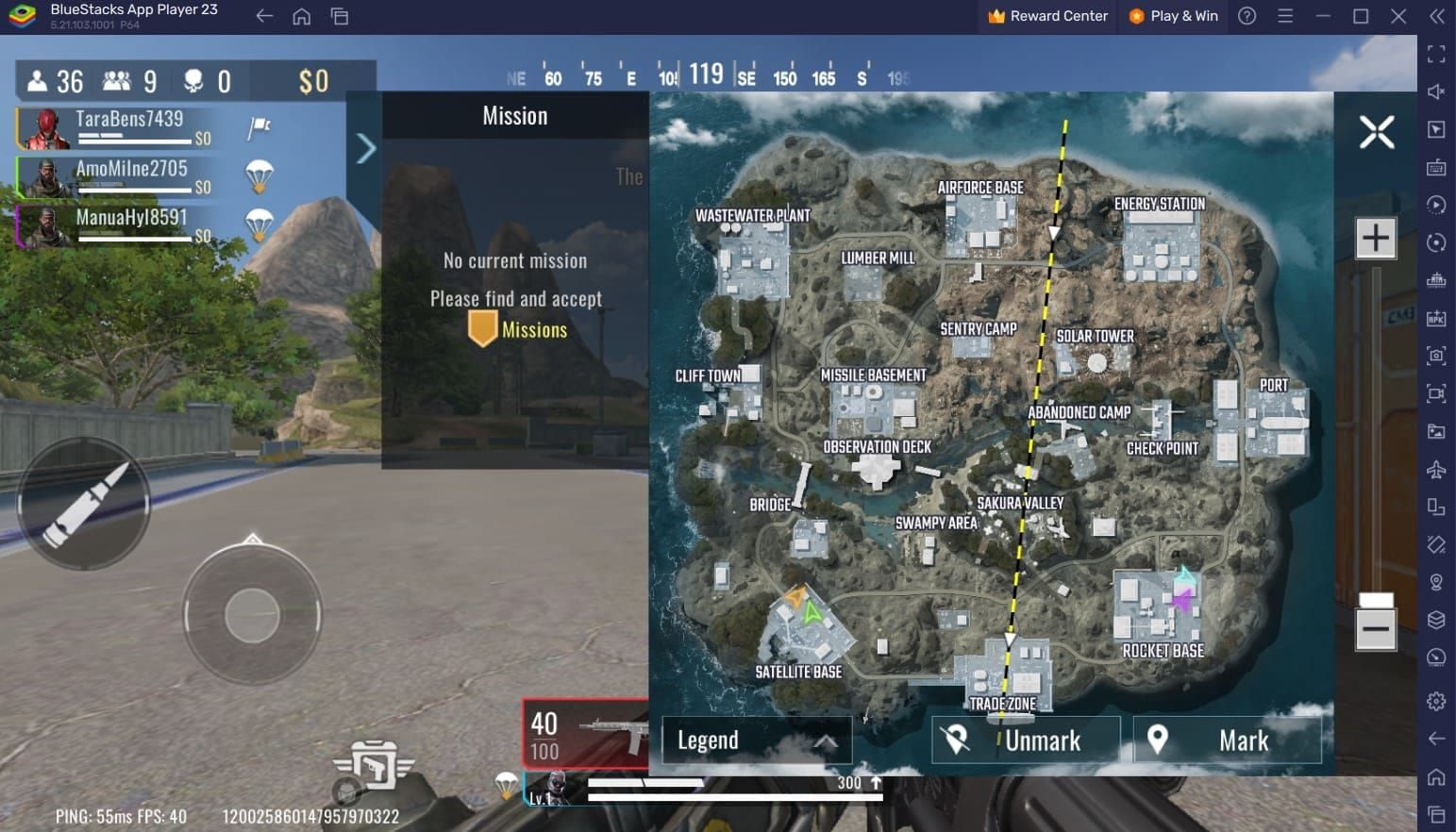
The Valley map launches February 15, 2026, with new urban environments. Multi-story buildings provide natural cover amplifying damage reduction. Position on upper floors with limited access points, forcing attackers into predictable angles where damage reduction creates time-to-kill advantages.
Regenerative Health activates after 8s out of combat. Use building interiors to break line of sight, allowing health regen while maintaining position. This creates attrition wars where attackers exhaust resources while you passively recover.
Counter Third-Party Attacks
Armor Efficiency's +15% absorption provides critical survivability when caught between teams. Additional effective health allows disengagement before third-party squads close distance.
Combine Fortified Armor with natural cover for 40%+ effective damage reduction. Players behind walls with Fortified Armor require significantly more ammo to eliminate, forcing attackers to expose themselves.
Strategy #3: Mobility for Zone Control
Rotate efficiently with:
Combat Rush (Rare): +15% movement speed for 5s after elimination
Squad Aura (Rare): +10% movement speed to teammates within 10m
Sprint Shooter (Epic): -50% sprint-to-fire time
This enables rapid zone traversals while maintaining combat readiness. Squad Aura benefits your entire team. Combat Rush rewards aggressive plays during rotations.
Movement Speed Stacking
Movement bonuses stack additively to 50% cap. Combat Rush's +15% and Squad Aura's +10% combine for +25% total. This lets squads outpace zone collapse and claim premium positions first.
Sprint Shooter's -50% sprint-to-fire time ensures mobility doesn't compromise combat effectiveness. Sprint at max speed while ready to engage enemies contesting movement.
Escape Route Planning
Identify multiple rotation paths before committing. Mobility Wildcards provide speed to execute backup plans when primary routes become contested. If preferred paths encounter resistance, movement speed allows rapid pivots without falling behind zone.
Combat Rush's 5s duration creates brief enhanced mobility windows. Cross dangerous open areas immediately after eliminations, minimizing exposure before enemies engage.
Strategy #4: Information Gathering for Squad Play
Coordinated squads need information superiority. The mobility build doubles as reconnaissance. Squad Aura's 10m range keeps teammates close for constant communication, while enhanced speed enables rapid scouting.
Assign one squad member to run mobility loadout as dedicated scout. This player pushes ahead during rotations, identifying enemy positions before full squad commits. Movement speed allows safe disengagement if encountering superior numbers.
Communication Protocols
Establish clear terminology for enemy positions, squad sizes, equipment levels. Scout players prioritize accuracy over speed—incorrect callouts cause catastrophic squad wipes.
Use mobility advantage to verify uncertain information. If audio suggests enemy presence without visual confirmation, scout quickly investigates and returns. This proactive intelligence prevents ambushes.
Map Awareness Enhancement
Valley map introduces terrain rewarding thorough reconnaissance. Use mobility Wildcards to quickly check high-ground, building interiors, common camping spots. Systematic clearing creates mental maps of enemy locations.
Combat Rush's elimination-triggered speed enables aggressive information denial. After eliminating enemy scouts, use 5s speed window to push their squad before they reorganize.
Strategy #5: Healing and Sustainability
Extend engagements with:
Regenerative Health (Epic): 2% max health/second out of combat for 8s
Medic Specialist (Legendary): +50% revive speed, 25% damage resistance for revived teammates for 10s
Last Stand (Rare): 50% damage reduction for 5s when health drops below 20%
This minimizes healing item consumption while providing emergency survivability. Regenerative Health passively restores 16% max health during 8s out-of-combat, often eliminating bandage needs. Medic Specialist enables rapid teammate revivals under pressure.
Recharge Blood Strike in-game currency at BitTopup for competitive pricing and fast delivery.
Resource Conservation
Regenerative Health's 2%/second requires tactical disengagement discipline. After damage, retreat to cover and wait full 8s to maximize healing value. This saves 2-3 healing items per match.
Last Stand's 50% damage reduction below 20% health provides critical safety. This 5s window often provides enough survivability to retreat and activate Regenerative Health, preventing eliminations.
Extended Engagement Viability
Medic Specialist's +50% revive speed reduces vulnerability window. Standard revives take ~6s, Medic Specialist reduces to 4s. The 25% damage resistance for revived teammates during subsequent 10s allows immediate fight contribution.
This creates squad sustainability advantages. Teams without Medic Specialist must fully disengage after losing teammates, while your squad revives mid-fight and immediately returns with damage resistance buffer.
Strategy #6: Damage Amplification for Endgame
Final circles demand max damage output:
Damage Amplifier (Legendary): +25% damage to enemies below 50% health
Long-Range Precision (Epic): +15% damage beyond 50m
Tactical Versatility (Epic): +10% damage and +10% damage reduction
This creates devastating burst damage against wounded enemies. Damage Amplifier's +25% bonus applies to all damage sources once enemies drop below 50% health, reducing time-to-kill by 20%. Long-Range Precision enables effective poke damage. Tactical Versatility provides balanced offense/defense.
Weapon Synergies
FN2000 received Street Party Patch buffs: upper chest damage 20→21, lower chest 20→21, abdominal 18→19, headshot 28→29. These compound with Damage Amplifier's +25%, excelling at finishing wounded enemies.
New weapons (Spear, M82, MP7, Origin-12 Warrior) launch March 1, 2026. MP7 received all body part damage +1 and hip fire accuracy 34→44, ideal pairing with damage amplification for close-range finishing.
Burst Damage Windows
Damage Amplifier's 50% health threshold creates clear priorities. Focus initial damage on multiple enemies to bring them below threshold, then capitalize on +25% bonus for rapid eliminations. This prevents healing back above 50%.
Long-Range Precision's +15% damage beyond 50m enables effective suppression during final circle positioning. Use long-range weapons to apply pressure, forcing enemies to consume healing or push into unfavorable positions.
Strategy #7: Adaptive Hybrid for All Situations
Rigid loadouts fail when conditions deviate. The adaptive approach uses:
Tactical Versatility (Epic): +10% damage and +10% damage reduction
Sprint Shooter (Epic): -50% sprint-to-fire time
Lone Wolf (Legendary): +15% damage and resistance when no teammates within 30m
This provides balanced offense/defense adapting to various situations. Tactical Versatility offers consistent value regardless of range or style. Sprint Shooter maintains combat readiness. Lone Wolf rewards independent plays while functioning in squad contexts when teammates spread for crossfire.
Reading Match Flow
Recognize when to shift between aggressive/defensive postures. If securing early eliminations and superior loot, transition to aggressive zone control using Sprint Shooter mobility. If early fights go poorly, leverage Tactical Versatility's damage reduction to play defensively and recover.
Lone Wolf's 30m teammate distance creates tactical options. During final circles, position 30+ meters from teammates to activate +15% damage/resistance while maintaining coordination through communication. This creates crossfire forcing enemies to choose threats.
Balancing Capabilities
Tactical Versatility's +10% damage and +10% damage reduction represents balanced build philosophy. Rather than maximizing single attributes, maintain competency across all engagement types. You won't dominate specific scenarios but never be completely disadvantaged.
The adaptive approach excels for players developing playstyle preferences. Maintaining flexibility lets you experiment with different approaches within single matches, accelerating skill development versus rigid specialized builds.
Common Mistakes and How to Avoid Them
Over-investing in Legendaries: Don't spend 30,000+ Gold maxing Legendaries before understanding playstyle preferences. Upgrade multiple Rare/Epic Wildcards to level 10-15, experimenting with combinations before committing to expensive Legendary upgrades.
Ignoring cooldown management: Regenerative Health requires 8s out of combat—peeking too early resets timer and loses healing value.
Poor Team Synergy
Squad Aura's +10% movement speed provides zero value if squads spread during rotations. Coordinate to maintain proximity when running mobility builds, or switch to individual-focused Wildcards like Lone Wolf if preferring dispersed positioning.
Medic Specialist requires aggressive revive attempts to provide value. If playing conservatively and avoiding mid-fight revives, allocate slots to direct combat enhancements like Damage Amplifier or Fortified Armor.
Activation Timing Errors
Combat Rush's 5s movement buff creates brief enhanced mobility windows. Don't hesitate after eliminations. Immediately identify next objective—pushing enemies, rotating to cover, repositioning—and execute during speed buff.
Last Stand's 50% damage reduction below 20% health activates automatically. Recognize activation and use 5s damage reduction to retreat to cover rather than continuing aggressive plays. It provides escape opportunities, not invincibility.
Advanced Optimization for Competitive Play
Analyze opponent Wildcard loadouts based on behavioral patterns. Enemies consistently winning sprint-to-fire duels likely run Sprint Shooter. Opponents surviving seemingly lethal damage probably use Fortified Armor or Last Stand. This informs engagement strategies—avoid close-range fights against Hip Fire Master users, confirm eliminations quickly against Last Stand users.
Sudden Death Flag mechanic unlocks mid-round in SF Season 15 modes launching February 15, 2026. Holding flag secures victory, multiple players increase capture speed. Flag-focused loadouts should prioritize Fortified Armor and Regenerative Health to sustain control under concentrated fire.
Tournament-Proven Combinations
Last Stand Duel activates at 3-3 ties with 1v1 duels in SF Ranked. Optimal duel loadouts combine Damage Amplifier for burst damage, Marksman Focus Legendary (+30% ADS stability, reduced scope sway) for accuracy, and Tactical Versatility for balanced stats. This maximizes elimination potential during high-pressure 1v1s.
SF modes feature team cash systems rewarding coordinated Wildcard investments. Squads should designate roles—one focuses mobility for scouting, another sustainability for revives, third damage for eliminations. This specialization creates synergistic compositions where each member's Wildcards complement teammates.
Measuring Effectiveness
Track performance metrics across 20+ matches to identify which combinations produce consistent results. Monitor eliminations, survival time, damage dealt, match placements. If aggressive loadouts consistently result in early eliminations, transition to defensive configurations until gunplay improves.
Compare performance with specific combinations against baseline matches without those Wildcards. If Damage Amplifier doesn't increase elimination rate by at least 15%, the 30,000+ Gold investment may be better allocated to multiple Epic Wildcards providing more consistent value.
Maximizing Season 15 with Smart Investment
Prioritize upgrading Epic Wildcards to level 15-18 before investing in Legendary maxing. Epics like Quick Reload (-30% reload time), Regenerative Health, and Long-Range Precision provide 80% of Legendary effectiveness at 50% cost. This efficient allocation enables diverse loadout options versus single-build specialization.
Daily Missions yielding 150-250 Gold and Battle Royale wins awarding 150-200 Gold create ~1,500-2,000 Gold weekly for active players. Lava Realm Elite Strike Pass at 520 Gold provides additional progression. Consistent daily engagement generates enough resources to fully upgrade one Epic Wildcard every two weeks.
BitTopup's competitive pricing and secure transactions supplement earned resources. Instant delivery ensures immediate Wildcard purchases when new strategies emerge, maintaining competitive relevance as Season 15 meta evolves. Wide game coverage and excellent customer service provide reliable acquisition without security concerns.
The Street Party Patch fundamentally transforms Blood Strike's tactical landscape through the Wildcard System. These seven strategies provide frameworks for leveraging new mechanics across playstyles and match phases. Success requires understanding not just individual Wildcard effects, but how combinations create synergistic advantages compounding throughout matches. Experiment with loadouts, track performance metrics, continuously refine your approach as Season 15 meta develops. Players mastering Wildcard optimization will dominate when SF Season 15 and SF Ranked launch February 15, 2026.
Frequently Asked Questions
What is the Wildcard System in Blood Strike Season 15? Equip up to three stat-boosting cards simultaneously, ranging from Common to Legendary rarities. Effects include +25% damage amplification, -30% reload time, or +20% damage reduction. Upon elimination, one equipped Wildcard drops randomly.
Which Wildcard combinations are best for solo Battle Royale? Prioritize self-sufficient builds: Regenerative Health Epic (2% max health/second out of combat), Lone Wolf Legendary (+15% damage/resistance when no teammates within 30m), and Tactical Versatility Epic (+10% damage and +10% damage reduction). This provides sustainability, independent combat power, and balanced capabilities.
How much does it cost to fully upgrade a Legendary Wildcard? Maxing Legendary Wildcards exceeds 30,000 Gold. They cost 800-2000 Gold/level with max level 25. Escalating costs per level mean later upgrades consume significantly more resources.
Do Wildcard effects stack with each other? Yes, with specific rules. Movement speed stacks additively to 50% cap. Damage reduction stacks multiplicatively—two +20% cards yield 36% total (1 - 0.8 × 0.8 = 0.36). Damage bonuses stack additively—Damage Amplifier's +25% with Tactical Versatility's +10% equals +35% total.
When should I use aggressive versus defensive Wildcard loadouts? Use aggressive loadouts (Hip Fire Master, Sprint Shooter, Close Combat) during hot drops and early fights when mobility and burst damage secure loot. Switch to defensive (Fortified Armor, Regenerative Health, Armor Efficiency) during mid-game rotations when survival and positioning matter more. Transition to damage-focused (Damage Amplifier, Long-Range Precision) for endgame when securing eliminations becomes critical.
How do I earn enough Gold to upgrade multiple Wildcards? Daily Missions yield 150-250 Gold, Battle Royale wins award 150-200 Gold, top 10 finishes guarantee 50 Gold. Consistent daily play generates 1,500-2,000 Gold weekly. Lava Realm Elite Strike Pass costs 520 Gold and provides additional progression. For accelerated advancement, BitTopup offers secure Gold top-ups with competitive pricing and instant delivery.