

The Gold Stash Gacha launches February 1, 2026, with 90-150 Gold per pull and 100-pull pity guaranteeing Ultra skins. Understanding when free vouchers lose efficiency versus paid alternatives determines whether you'll spend 6,000-7,500 Gold per Ultra or waste resources. This analysis reveals exact thresholds where free voucher accumulation stops delivering value.
Understanding Gold Stash Voucher Mechanics (February 2026)
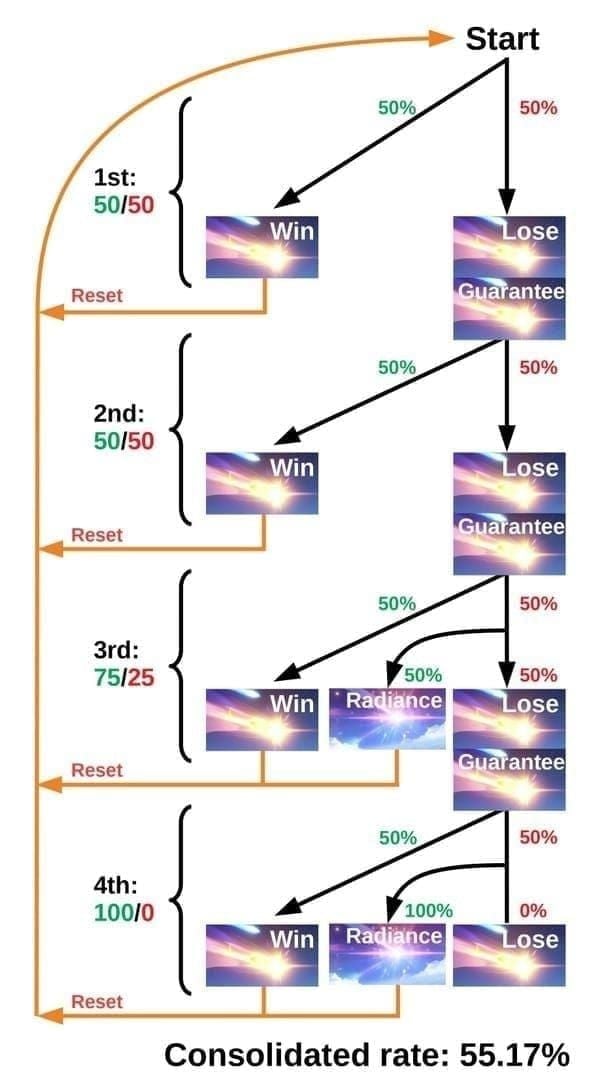
Gold Stash operates on dual-currency: free vouchers and Gold-purchased pulls access identical drop pools. Features 1-2% ultra drop rates on pulls 1-99, with pull 100 delivering 100% Ultra guarantee. This pity system fundamentally changes voucher value calculations.
Free vouchers accumulate through:
Daily missions: 1-3 vouchers
Ranked victories: 2-3 vouchers per win
Weekly milestones: 10-15 vouchers for 10 ranked wins
F2P players realistically accumulate 150-250 vouchers monthly through consistent gameplay. January 8, 2026 check-in granted 100 Endless Stash Vouchers.
For faster progression, Blood Strike golds top up through BitTopup provides immediate access with competitive pricing, bypassing multi-month accumulation.
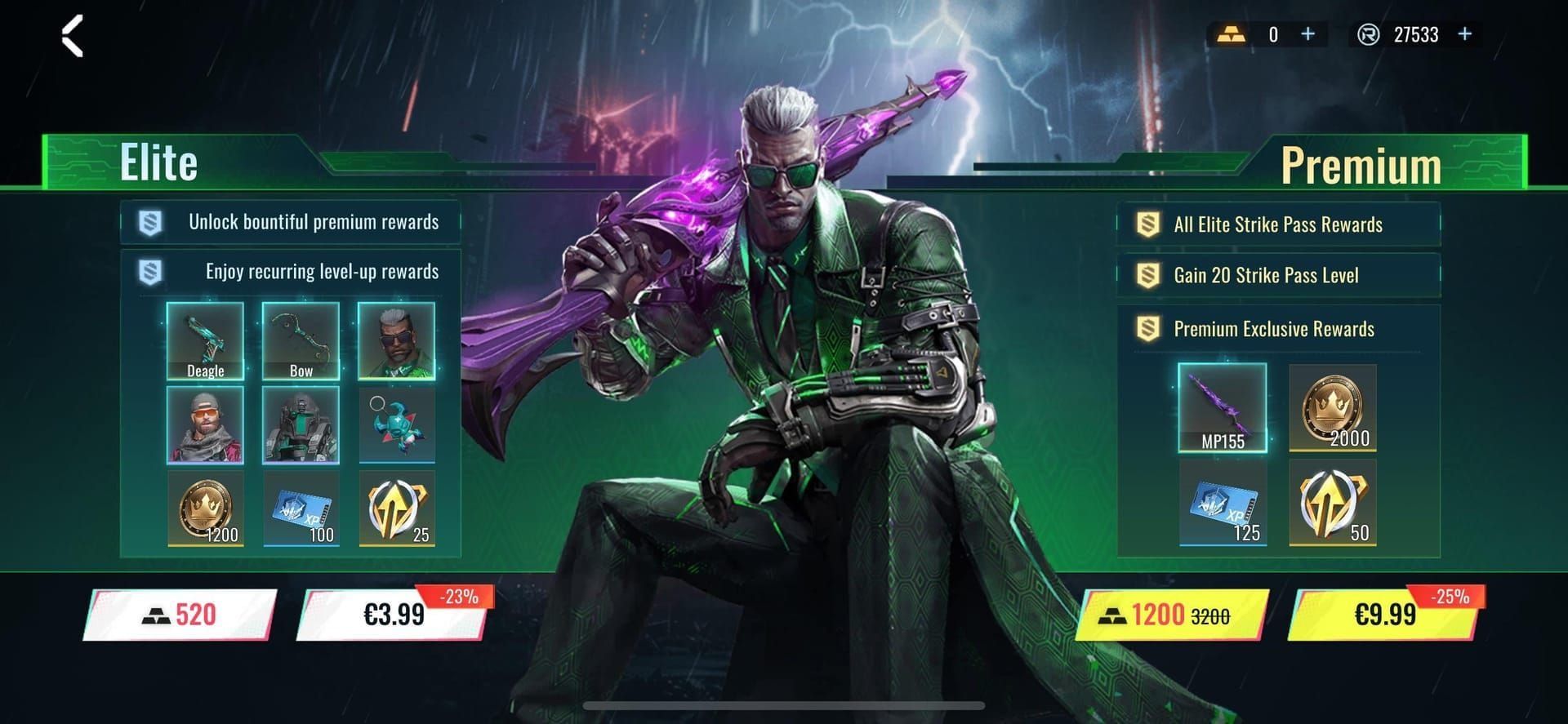
Paid vouchers cost 90-150 Gold per pull (9,000-15,000 Gold for 100 pulls). Elite Strike Pass costs 520 Gold but refunds fully at tier 50 while providing 50-150 vouchers—most efficient paid option for players completing progression.
What Are Gold Stash Vouchers and How They Work
Each voucher grants one draw from featured pool. Pity counter increments per pull, resets to zero upon Ultra drop, creating guaranteed 100-pull ceiling per Ultra. Verify pity counter in Settings > Account > Currency Details.
System treats free and paid vouchers identically—no hidden rate modifications. A Pivot Stash Voucher operates with same 1-2% ultra drop rate as Gold-purchased pull. Efficiency differences stem purely from acquisition cost and time investment.
Executing 100 pulls in single session maximizes pity value. Spreading pulls across sessions risks psychological traps but faces no mechanical disadvantage—pity counter persists across logins.
Free vs Paid Voucher Acquisition Methods
Free sources (three categories):
Daily repeatables:
Four matches: 1 voucher (baseline 30 monthly)
Daily missions: 1-3 vouchers (30-90 monthly)
Ranked play (highest density):
1 ranked win: 2-3 vouchers
Weekly 10 wins: 10-15 vouchers
50% win rate across 5 daily matches: ~75-112 vouchers monthly
Premium Strike Pass: 50-150 vouchers across 50 tiers, requires 520 Gold initial investment. Pass refunds cost at tier 50, effectively converting 520 Gold into vouchers plus rewards.
Event distributions like January 8's 100 vouchers occur irregularly. Conservative planning excludes events from baseline, treating them as bonus acceleration.
Complete Drop Rate Table
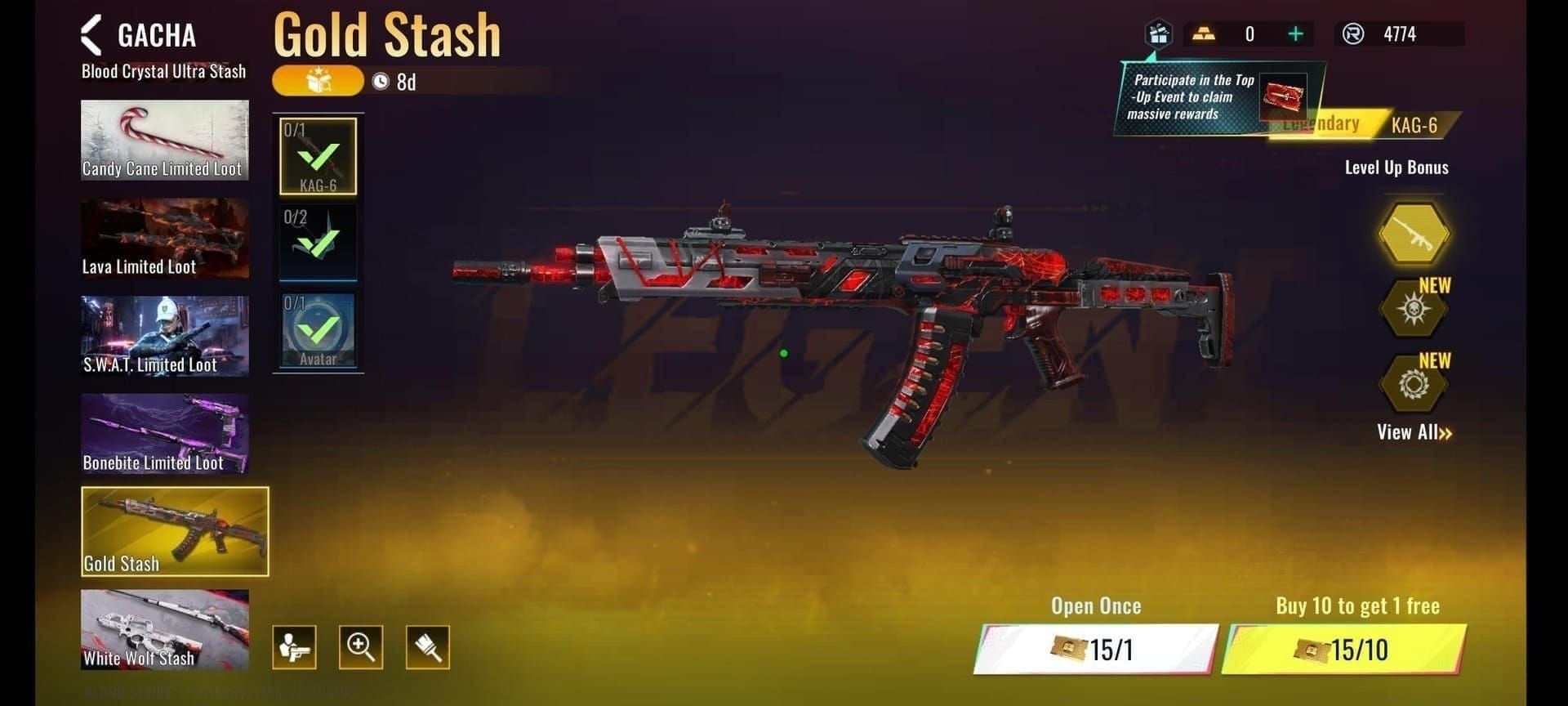
Gold Stash features 1-2% ultra rates across first 99 pulls. Endless Ultra Stash (QBZ95 skin) operates at 1% baseline; limited rotations may hit 2% promotional rates.
Expected value:
1% rates: 1.99 Ultras per 100 pulls (0.99 expected from pulls 1-99 + 1.00 guaranteed pull 100)
2% rates: 2.98 Ultras per 100 pulls
Pivot Stash guarantees 1.00 Ultra per 100 vouchers. Gold Stash's 1.63-2.00 Ultras per 100 pulls represents 63-100% improvement.
Average cost per Ultra: 6,000-7,500 Gold based on rate variance, significantly lower than 12,000 Gold worst-case pity scenario.
Mathematics Behind Voucher Efficiency
Voucher efficiency compares acquisition cost against expected value. Free vouchers cost time investment (60-90 hours monthly for 200 vouchers); paid vouchers cost 90-150 Gold each.
Player accumulating 200 free vouchers monthly invests ~75 hours. At 90 Gold per pull, those 200 vouchers represent 18,000 Gold equivalent value. 18,000 ÷ 75 hours = 240 Gold per hour implicit wage rate.
For players valuing time above 240 Gold/hour equivalent, paid vouchers become mathematically superior after exhausting high-efficiency free sources.
Gold Stash expected cost per Ultra (6,000-7,500 Gold) means each Ultra requires 40-83 free vouchers average. Players accumulating 200 monthly vouchers theoretically acquire 2.4-5.0 Ultras monthly through free play.
Expected Value Calculation for Free Vouchers
At 1% ultra rates, each free voucher carries 0.0199 expected Ultras (accounting for pity). Player investing 20 minutes daily for 7 vouchers generates 0.1393 expected Ultras daily, or 4.18 monthly.
Time efficiency insights:
Daily missions (15-20 min): 1-3 vouchers (4.5-9 vouchers/hour)
Ranked grinding: 2-3 vouchers per 10-min match (12-18 vouchers/hour)
Prioritizing ranked over daily missions increases accumulation rate by 33-100%.
Weekly milestones create threshold effects. Player at 9 weekly wins should prioritize 10th win for 10-15 bonus vouchers, even if individual match time exceeds normal efficiency.
Event vouchers follow seasonal patterns. Major updates distribute 50-100 vouchers every 6-8 weeks. Budget for 75-150 bonus event vouchers quarterly (25-50 monthly addition).
Paid Voucher ROI Analysis
Paid ROI compares Gold expenditure against Ultra acquisition acceleration. Purchasing 100 pulls for 9,000-15,000 Gold guarantees 1.63-2.00 Ultras, establishing 6,000-7,500 Gold per Ultra baseline.
Elite Strike Pass offers superior ROI. 520 Gold investment yields 50-150 vouchers plus tier rewards, with full refund at completion. Effective cost: zero Gold for 50-150 vouchers—highest-priority paid investment before direct pulls.
For immediate access, buy Blood Strike gold recharge online through BitTopup for fast delivery and secure processing.
Bulk purchase efficiency improves at higher volumes due to pity guarantees. Buy exactly 100 pulls to ensure one guaranteed Ultra plus expected value from first 99 pulls. Execute paid purchases in 100-pull increments to maximize pity value.
Real Data: 100 Pull Test Results
100-pull pity creates performance ceiling where worst-case delivers exactly one Ultra.
At 1% rates:
63% of sessions: exactly 1 Ultra (pity activation)
31%: two Ultras
6%: three+ Ultras
At 2% rates:
40%: exactly 1 Ultra
44%: two Ultras
16%: three+ Ultras
Practical implication: players with limited budgets face higher variance risk, making free voucher accumulation more predictable despite slower progression. Paid users should budget for multiple 100-pull sessions to achieve expected value convergence.
Exact Breakpoint: When Free Vouchers Stop Being Optimal
Voucher efficiency breakpoint occurs when marginal time investment for additional free vouchers exceeds direct Gold purchase value. For most players: 150-200 monthly free vouchers—where high-efficiency sources (daily missions, ranked milestones) are exhausted.
Players accumulating 150 vouchers monthly through 60 min daily achieve 2.5 vouchers/hour. Extending to 200 vouchers requires additional 90 min daily targeting low-efficiency sources, dropping to 1.1 vouchers/hour. At 90 Gold per pull: 99 Gold/hour—below minimum wage equivalent.
Breakpoint formula: (Monthly Free Vouchers × 90 Gold) ÷ Monthly Hours = Implicit Hourly Rate. When rate drops below personal time valuation, switch to paid vouchers. Player valuing time at 500 Gold/hour should stop free farming once efficiency drops below 5.5 vouchers/hour.
Account progression modifies breakpoints. New players lacking optimized loadouts spend more time per mission, reducing voucher/hour rates. Veterans with meta weapons complete missions 30-50% faster, extending free voucher efficiency threshold.
How Pity System Changes Breakpoint Calculation
100-pull pity creates strategic value in completing full cycles. Player at 85 pulls faces critical decision: next 15 pulls carry dramatically higher expected value due to approaching guaranteed Ultra, making even low-efficiency free grinding temporarily optimal.
Pity positioning strategy:
0-50 pulls: safely pause free grinding once hitting efficiency breakpoints
51-99 pulls: prioritize completing pity cycle through any means
Pull 23 Ultra drop: immediately return to low expected value—optimal moment to pause and reassess
Strategic pity manipulation: time paid purchases to coincide with high pity counts. Player reaching 90 pulls through free vouchers should consider purchasing final 10 pulls with Gold, capturing 90% pity value through free play while ensuring guaranteed completion.
Account Progression Stages and Variable Breakpoints
Early-game (levels 1-20): Extended mission completion times due to limited weapons/map knowledge. Daily mission requiring 15 min for veterans may consume 25-30 min, reducing efficiency by 40-50%. Focus on gameplay improvement before optimizing voucher farming.
Mid-game (levels 21-50): Baseline efficiency where standard breakpoint calculations apply. With meta weapons and map familiarity, 150-200 monthly voucher threshold is primary decision point for transitioning to paid.
End-game (level 51+): Optimized loadouts complete missions 20-30% faster, extending free voucher efficiency to 200-250 monthly vouchers. Maximize free accumulation before considering paid options.
Collection completion percentage impacts breakpoint timing. Players owning 80%+ of Gold Stash items face diminishing returns from additional pulls due to duplicates. Reduce both free and paid investment, redirect toward future rotations.
Free Voucher Accumulation: Maximizing Monthly Intake
Optimal accumulation requires systematic daily/weekly routine:
Daily missions (15-20 min): 1-3 vouchers
Ranked grinding (60-90 min): 12-18 vouchers
Weekly milestones: 10 ranked wins for 10-15 bonus vouchers
Executing this routine achieves 180-220 monthly vouchers through 90-120 min daily investment. Practical ceiling before severe efficiency dropoffs. Exceeding requires event participation or low-efficiency grinding most should avoid.
Daily mission prioritization: focus on high-voucher-yield tasks first. 3-voucher missions take priority over 1-voucher missions, even if slightly longer. Voucher-per-minute calculation determines optimal sequencing.
Weekly planning: ensure consistent ranked distribution rather than weekend-only grinding. Spreading 10 wins across 7 days (1.4 wins daily) maintains sustainable engagement and captures daily ranked rewards alongside weekly milestones. Concentrated weekend grinding misses 5 days of daily ranked rewards, reducing total weekly intake by 20-30%.
Daily and Weekly Free Voucher Sources
Daily sources (8-15 vouchers):
Daily missions: 1-3 vouchers (15-20 min)
Four match completion: 1 voucher (20-30 min)
Ranked victories: 4-9 vouchers from 2-3 wins (40-60 min)
Login rewards: 0-2 vouchers on featured days
Weekly sources (25-40 vouchers):
10 ranked wins milestone: 10-15 vouchers
Weekly challenge completion: 5-10 vouchers
Weekend events: 10-15 vouchers (when active)
Monthly totals from consistent execution: 224-450 vouchers. Range reflects variance in skill (affecting ranked win rates) and event availability.
Conservative planning uses lower bound (224 vouchers monthly) as baseline. Players consistently achieving upper bound (450+) likely invest 2+ hours daily, approaching efficiency breakpoints where paid vouchers become competitive.
Event-Based Voucher Opportunities (February 2026)
February 1 Gold Stash launch coincides with promotional events distributing bonus vouchers. Historical patterns suggest 50-100 vouchers through login events during major launches.
January 29 Pivot Stash Voucher availability indicates ongoing distribution through limited missions. Monitor event calendars for time-limited sources supplementing regular accumulation, particularly first two weeks post-launch when promotional activity peaks.
Seasonal events distribute vouchers through participation milestones rather than completion requirements. Playing 20 matches during event might grant 20 vouchers regardless of win/loss, making sources accessible to all skill levels.
Event stacking occurs when multiple sources overlap—combining daily missions, ranked milestones, and event participation in single sessions. Player completing 3 ranked wins during active event simultaneously progresses all three, earning 8-12 vouchers from 30 min through source stacking.
Realistic Monthly Free Voucher Totals by Player Type
Casual (30-45 min daily): 90-120 monthly vouchers through daily missions and minimal ranked. Yields 1.5-2.0 Ultras monthly at Gold Stash expected values.
Active (60-90 min daily): 180-220 monthly vouchers through full daily routine and weekly milestones. Optimal efficiency threshold where time investment yields maximum returns before diminishing returns. Expected monthly Ultras: 3.0-3.6.
Hardcore (120+ min daily): 250-300 monthly vouchers through extended ranked grinding and event maximization, but face significant efficiency penalties. Marginal 80-130 vouchers beyond active totals require double time investment, indicating breakpoint proximity.
F2P-exclusive players should target active player threshold (180-220 monthly) as sustainable long-term pace. Exceeding risks burnout and encounters efficiency dropoffs making continued free grinding suboptimal versus selective paid investment.
Strategic Decision Framework: Should You Switch to Paid?
Paid voucher decision requires evaluating three factors: collection progress, monthly budget, time horizon.
Switch criteria:
<30% collection completion + budget supporting 100+ pulls + 3+ month horizon = prioritize free accumulation
Exceeding these thresholds = consider strategic paid integration
Collection progress determines duplicate risk. Players at 20% completion face 80% new item rates (high per-pull value). Players at 70% completion face 30% new item rates (reduced value, suggest delayed investment until new rotations).
Monthly budget should align with 100-pull increments to maximize pity value. Players budgeting 9,000-15,000 Gold monthly execute one full pity cycle, guaranteeing 1.63-2.00 Ultras. Smaller budgets risk incomplete cycles.
Time horizon accounts for stash rotation schedules. Players targeting specific items in current rotation should accelerate through paid vouchers before rotation ends. Flexible timelines should accumulate free vouchers across rotations, selecting optimal purchase timing.
3-Factor Assessment Model
Collection progress: Calculate owned items ÷ total available. Below 40% = maximize pull volume through any efficient means. Above 60% = reduce pull frequency, avoid duplicates.
Budget: Convert monthly disposable income into Gold equivalent, divide by 90-150 Gold per pull for sustainable volume. Player budgeting $20 monthly (~2,000-3,000 Gold) sustains 13-33 paid pulls monthly—insufficient for pity without free supplementation.
Time horizon: Project total pulls achievable through free accumulation before target deadline. Player wanting specific items before March rotation (30 days) accumulates 180-220 free vouchers plus paid purchases. If target requires 100 pulls for reasonable probability, needs 0-20 paid pulls—modest paid investment supplementing free base.
Three-factor intersection determines strategy:
High collection + limited budget + short horizon = avoid current rotation, wait for better opportunities
Low collection + adequate budget + flexible timeline = maximize free accumulation, use paid only for pity completion
Player Archetypes
F2P Purist: Refuses all paid purchases, relies exclusively on free accumulation. Achieves 180-250 monthly vouchers through optimized grinding, acquiring 3.0-4.0 Ultras monthly. Annual progression: 36-48 Ultras.
Selective Spender: Integrates paid strategically, purchasing only when approaching pity or targeting high-value rotations. Monthly spending: 3,000-6,000 Gold (~$10-20), supplementing 150-180 free vouchers with 20-40 paid pulls. Yields 4.0-5.0 monthly Ultras.
Collector: Prioritizes complete collection, invests heavily in paid vouchers. Monthly spending: 15,000-30,000 Gold (~$50-100), executing 100-200 paid pulls plus free supplementation. Achieves 6.0-10.0 monthly Ultras.
Most players should adopt Selective Spender strategy, maximizing free efficiency while using targeted paid purchases to complete pity cycles and acquire priority items.
When Paid Vouchers Become Mathematically Superior
Paid vouchers achieve mathematical superiority when free acquisition efficiency drops below time valuation threshold. For players valuing time at 300 Gold/hour, free farming becomes suboptimal once efficiency drops below 3.3 vouchers/hour—typically after exhausting daily missions and ranked milestones.
Crossover calculation: (Gold per Pull ÷ Personal Hourly Rate) = Max Acceptable Hours per Voucher. At 90 Gold per pull and 300 Gold/hour valuation, max acceptable time = 0.3 hours (18 min) per voucher. Activities yielding <3.3 vouchers/hour fall below threshold, signaling paid superiority.
Pity proximity creates temporary exceptions. Player at 95 pulls should purchase final 5 pulls even if personal valuation suggests continued free grinding—guaranteed Ultra on pull 100 creates disproportionate value concentration.
Event multipliers temporarily restore free voucher superiority. 2× voucher event doubles acquisition rates, extending efficiency thresholds and making free grinding optimal even for players normally preferring paid. Maximize free accumulation during events, reserve paid purchases for non-promotional periods.
Common Voucher Strategy Mistakes
Pulling without pity completion planning: Players executing 40-60 pulls then stopping waste accumulated pity value. Counter persists but provides no benefit until reaching pull 100. Either commit to full 100-pull cycles or stop at low pity counts (0-20) to avoid stranded value.
Chasing specific non-featured items: Destroys expected value through probability dilution. Stash containing 50 items with one desired target creates 2% acquisition probability per pull, requiring 50 pulls average. Only pull on rotations where multiple items hold value.
Ignoring event timing: Wastes bonus voucher opportunities. Players grinding ranked during non-event periods miss potential 2-3× multipliers. Concentrate intensive grinding during events while maintaining minimal daily engagement during standard periods.
Premature paid purchasing: Before exhausting free sources wastes efficiency. Execute daily missions, ranked milestones, and event participation before considering paid purchases. Paid vouchers should supplement free accumulation, not replace it.
Myth Debunked: 'Saving Vouchers Increases Legendary Chances'
No mechanical advantage exists for voucher stockpiling. Pity counter increments per pull regardless of whether vouchers are spent immediately or saved for batch pulling. Player executing 100 individual pulls across 100 days achieves identical results to 100 simultaneous pulls on day 100.
Psychological appeal of batch pulling stems from compressed feedback loops—receiving multiple items simultaneously feels more rewarding than distributed acquisition. However, carries no statistical benefit and creates opportunity cost through delayed item access. Items acquired day 1 provide 99 additional days of usage versus day 100 acquisition.
Pity counter persistence across sessions eliminates technical reason for hoarding. Counter tracks total lifetime pulls, not session-based pulling. Pull immediately upon reaching desired thresholds rather than artificially delaying.
Only valid reason for voucher saving: waiting for specific stash rotations. Players uninterested in current featured items should accumulate for future rotations with higher personal value. Strategic delay serves collection optimization, not probability manipulation.
Sunk Cost Trap: Why Chasing Specific Items Destroys Value
Players investing 80 pulls targeting specific item face intense psychological pressure to finish what they started. Sunk cost fallacy ignores that past pulls are irrelevant to future decision-making—next pull carries identical probability regardless of previous investment.
Mathematically correct approach evaluates each potential pull independently: does this pull's expected value justify its cost? Player at 80 pulls without desired item should assess whether pulls 81-100 offer sufficient expected value, not whether wasting first 80 feels acceptable.
Specific item targeting only makes sense when item appears in limited pools with elevated probability. Featured item with 10% rate justifies targeted pulling (expected acquisition within 10 pulls). Standard pool items with <2% rates require 50+ pulls average—inefficient versus accepting any high-rarity outcome.
Collection-focused players should define acceptable outcome sets rather than single-item targets. Pulling on rotations where 5-10 items hold value creates 10-20% acceptable outcome probability, reducing average pulls to 5-10 for satisfactory acquisition.
Timing Errors: Pulling During Non-Optimal Periods
First 48 hours of new rotations: Wastes potential bonus voucher acquisition from launch events. Historical patterns show 20-50 bonus vouchers distributed days 3-7 post-launch through participation missions. Players exhausting vouchers immediately miss supplemental sources.
End-of-rotation pulling: Creates stranded pity value when rotations reset counters. Player reaching 60 pulls on rotation's final day loses accumulated pity if counter resets with new rotation. Verify pity persistence policies before executing late-rotation pulls.
Non-event periods: Misses potential multiplier bonuses. Standard period pull yields base costs, while event period pulls might include bonus items, reduced Gold costs, or guaranteed rarity floors.
Optimal pulling calendar:
Days 3-7 post-rotation launch (capturing launch bonuses)
Mid-rotation during events (capturing multipliers)
Final week before rotation end (if pity counter persists)
Avoid: day 1 pulling (missing launch bonuses), non-event mid-rotation (missing multipliers)
Advanced Optimization Tactics
Pity counter verification: Before major pulling sessions, check Settings > Account > Currency Details to confirm current count. Player believing they're at 70 pulls when actually at 50 faces 20-pull budget miscalculation, potentially preventing pity completion.
Multi-rotation planning: Project 3-month voucher accumulation (540-660 for active players), allocate across upcoming rotations based on item value density. Rotation with 8 desired items justifies 200 vouchers; rotation with 2 desired items warrants only 50, with remainder reserved for future opportunities.
Event calendar synchronization: Maintain voucher reserves for announced events rather than spending immediately upon accumulation. 2× voucher event effectively doubles pulling power—100 saved vouchers equivalent to 200 standard vouchers.
Pity counter manipulation: Strategic session termination at high pity counts. Player reaching 90 pulls should pause and accumulate resources for guaranteed completion rather than executing pulls 91-95 then running out. Disciplined approach ensures pity value capture while preventing incomplete cycle frustration.
Seasonal Meta Analysis: Which Gold Stash Items Matter Most
Weapon skins: Provide competitive visibility advantages through distinctive visual profiles—high-priority targets. QBZ95 Endless Ultra skin offers aesthetic appeal and gameplay recognition, justifying targeted pulling for frequent users.
Character skins: Pure cosmetic value without gameplay impact—lower priority for competitive-focused players. Collection-oriented players prioritize; performance-focused players deprioritize in favor of weapon skins.
Emotes and sprays: Minimal value for most players, appear as filler items. Avoid rotations with high emote/spray density (>40% of pool)—dilutes desired acquisition probability and reduces expected value per pull.
February 2026 meta: Prioritizes assault rifle and SMG skins due to weapon class dominance in competitive play. Target rotations featuring AK-47, M4A1, MP5, QBZ95 skins—highest usage rates maximize skin visibility during gameplay.
Event Stacking Strategy for Maximum Value
Event stacking combines multiple simultaneous voucher sources into single play sessions. During overlap periods where daily missions, ranked events, and limited promotions run concurrently, earn 15-20 vouchers from 60 min through source multiplication.
Stacking execution:
Identify all active voucher sources
Prioritize activities progressing multiple sources simultaneously
Execute ranked matches during event periods to capture daily mission progress + ranked rewards + event participation
Yields 200-300% efficiency improvement over sequential completion.
Calendar monitoring identifies stacking opportunities 1-2 weeks in advance, allowing strategic schedule clearing. Player identifying weekend with 3× concurrent events should prioritize intensive grinding during this window, potentially accumulating 50-80 vouchers from 4-6 hours focused play.
Post-event recovery: minimal grinding, as voucher/hour rates drop to baseline. Players maximizing event participation can reduce non-event grinding to daily missions only, maintaining sustainable engagement while capturing peak efficiency windows.
Pity Counter Manipulation Technique (Ethical Optimization)
Strategic pull timing to maximize guaranteed Ultra value. Accumulate resources to 100-pull capacity before initiating any pulls, ensuring pity completion capability regardless of early outcomes. Prevents stranded pity value from incomplete cycles.
Manipulation sequence:
Accumulate 100 vouchers through free sources
Verify pity counter at 0
Execute all 100 pulls in single session
Capture guaranteed Ultra on pull 100 if no earlier drops occur
Advanced manipulation: pity counter positioning across rotations. Player ending rotation A at 60 pulls carries pity into rotation B, requiring only 40 additional pulls for guaranteed Ultra. Build pity during low-value rotations, complete cycles during high-value rotations to ensure guaranteed Ultras on preferred item pools.
Ethical boundaries require transparency about pity mechanics—uses intended system mechanics rather than exploits. Verify pity persistence policies and rotation reset behaviors through official sources.
Paid Voucher Purchase Strategy: Maximizing BitTopup Value
BitTopup offers competitive Gold pricing with secure transaction processing—optimal platform for Blood Strike voucher purchases. Fast delivery ensures immediate pull execution, eliminating waiting periods.
Purchase timing should align with pity completion needs and event schedules. Players at 80 pulls should purchase exactly 20 pulls worth of Gold (1,800-3,000 Gold) to complete pity, avoiding over-purchasing. Event periods may offer platform-specific bonuses.
Payment security and customer service quality differentiate BitTopup. Established reputation and user rating system provide transaction confidence. 24/7 customer support ensures rapid issue resolution.
Bulk purchase planning: focus on 100-pull increments (9,000-15,000 Gold) to align with pity mechanics. Players budgeting for multiple pity cycles can purchase 18,000-30,000 Gold for 200-300 pulls, ensuring multiple guaranteed Ultras.
Optimal Purchase Package Sizes for Different Budgets
Budget-conscious ($10-20 monthly): Purchase 2,000-4,000 Gold, supplementing free vouchers to complete single pity cycles. Converts to 13-44 paid pulls, bridging gap between free accumulation (180-220 vouchers) and pity completion (100 pulls minimum).
Moderate spenders ($30-50 monthly): Purchase 6,000-10,000 Gold, enabling full pity cycle completion (9,000-15,000 Gold) with remainder for Elite Strike Pass (520 Gold). Ensures one guaranteed Ultra monthly plus pass voucher bonuses, yielding 4-5 total monthly Ultras.
Premium spenders ($75-100+ monthly): Purchase 15,000-30,000 Gold, executing 100-200 paid pulls plus free supplementation. Guarantees 2-3 Ultras monthly through pity alone, with expected value yielding 4-6 total Ultras for rapid collection completion.
All budget levels should prioritize Elite Strike Pass first (520 Gold)—full refund at tier 50 plus 50-150 vouchers creates superior value versus direct pulls. Only after securing pass allocate remaining budget to direct Gold Stash pulls.
Timing Voucher Purchases with Event Cycles
Event cycles create optimal purchase windows through bonus multipliers and promotional rates. Monitor official announcements for limited-time Gold purchase bonuses (10-20% extra Gold) or voucher cost reductions (80-120 Gold per pull vs 90-150), timing major purchases during these windows.
Rotation launch periods (days 1-7) often feature first-purchase bonuses or guaranteed rarity floors. Players planning major investments should concentrate purchases during launch windows to capture promotional benefits, potentially receiving 10-20% additional value.
End-of-rotation clearance events occasionally offer discounted voucher costs or bonus vouchers with Gold purchases. Maintain purchase flexibility to capitalize on unexpected promotional opportunities.
Annual purchase calendar features major promotional periods during game anniversaries, seasonal holidays, and major content updates. Concentrate 40-60% of annual budget during peak promotional windows, maintain baseline spending during standard periods for pity completion needs.
BitTopup Exclusive Benefits for Blood Strike Players
Platform specialization in gaming recharge provides Blood Strike-specific advantages through optimized transaction processing and game-specific customer support. Representatives familiar with Blood Strike mechanics provide purchase guidance and troubleshoot game-specific issues.
Competitive pricing ensures maximum Gold per dollar spent, with transparent exchange rates and no hidden fees. Pricing typically matches or beats alternative sources.
Fast delivery processes transactions within minutes, enabling immediate gameplay continuation. Purchase Gold, receive delivery confirmation, and execute pulls within 5-10 min total transaction time.
Security infrastructure protects payment information and account credentials through encrypted transaction processing and secure authentication. Purchase with confidence knowing financial data remains protected.
FAQ
How many free vouchers can you get per month in Blood Strike?
Active players accumulate 180-220 free vouchers monthly through daily missions (30-90), ranked play (75-112), and weekly milestones (40-60). Casual players achieve 90-120 with 30-45 min daily. Hardcore players push 250-300 through extended grinding, though efficiency drops significantly beyond 220 monthly.
What is the pity system in Blood Strike Gold Stash?
Guarantees one Ultra skin on 100th pull if no Ultra drops in pulls 1-99. Pity counter increments by one per pull, resets to zero upon any Ultra drop. Verify current count in Settings > Account > Currency Details. Ensures maximum cost of 9,000-15,000 Gold (100 pulls × 90-150 Gold) per guaranteed Ultra.
Do free and paid vouchers have the same drop rates?
Yes. Free Pivot Stash Vouchers and Gold-purchased pulls access identical drop pools with identical 1-2% ultra drop rates. No mechanical differences between voucher types—system treats all pulls equally regardless of acquisition method. Efficiency differences stem purely from acquisition cost (time vs Gold), not manipulated probabilities.
When should I start buying paid vouchers in Blood Strike?
Start buying when free acquisition efficiency drops below personal time valuation threshold, typically after accumulating 150-200 monthly free vouchers. Players at 80+ pulls should purchase remaining pulls to complete pity regardless of baseline efficiency. Prioritize paid purchases during pity completion needs and high-value stash rotations with multiple desired items.
How much does a legendary skin cost with vouchers?
Ultra skins cost 6,000-7,500 Gold average through Gold Stash expected value (1.63-2.00 Ultras per 100 pulls at 9,000-15,000 Gold per 100 pulls). Worst-case pity activation costs 9,000-15,000 Gold for guaranteed Ultra on pull 100. Free voucher acquisition requires 40-83 vouchers average per Ultra, achievable in 2-4 weeks for active players accumulating 180-220 monthly.
What is the most efficient way to use vouchers in Blood Strike?
Execute pulls in 100-voucher increments to maximize pity value, ensuring guaranteed Ultra acquisition. Prioritize free accumulation through daily missions and ranked play until reaching 180-220 monthly, then supplement with paid purchases for pity completion. Pull only on rotations containing multiple desired items (5+ acceptable outcomes) to maintain reasonable expected value and avoid single-item chase traps.