S11's sandstorms cut visibility to 57 meters, forcing players to rely on audio for survival. Pros optimize five settings: master volume 70-80%, footsteps/gunfire 100%, ambient 0%, plus low vegetation/shadows/post-processing. These configs maximize footstep detection while maintaining 120+ FPS, turning sandstorm chaos into tactical advantage.
S11 Sandstorm Mechanics and Audio Challenges
Season 11 Dust to Gold (launched December 18, 2026) introduced dynamic sandstorms with three visibility zones: crouched (57m), walking (90-120m), sprinting (190m). Wind noise masks footsteps beyond 40m, creating audio dead zones where visual confirmation becomes impossible.
Sound occlusion during sandstorms compresses footstep detection from 50m standard to 30-40m. This compression eliminates the 2-3 second early warning system players need before visual contact.
Default settings fail because they balance ambient sounds equally with tactical audio. Sandstorm wind + standard ambient levels bury footsteps (1.4-1.8kHz spectrum) beneath environmental noise. Even premium gear from Arena Breakout Mobile bonds recharge becomes useless without proper audio config.
Sandstorm Impact on Visibility and Audio
Suppressors reduce audio detection below 30m during sandstorms; unsuppressed weapons alert at 60-80m despite visual obscuration. Combined with crouch-walking (60% reduced audio), suppressed loadouts become nearly undetectable.
Movement speed controls detection: sprinting generates 50m audio (masked to 40m by wind), walking reduces signature substantially, crouch-walking allows 30m approach undetected.
Sound Occlusion Physics
Sandstorm particles create acoustic dampening affecting higher frequencies, explaining why 1.4-1.8kHz footsteps become harder to distinguish. Wind adds broadband interference across all frequencies.
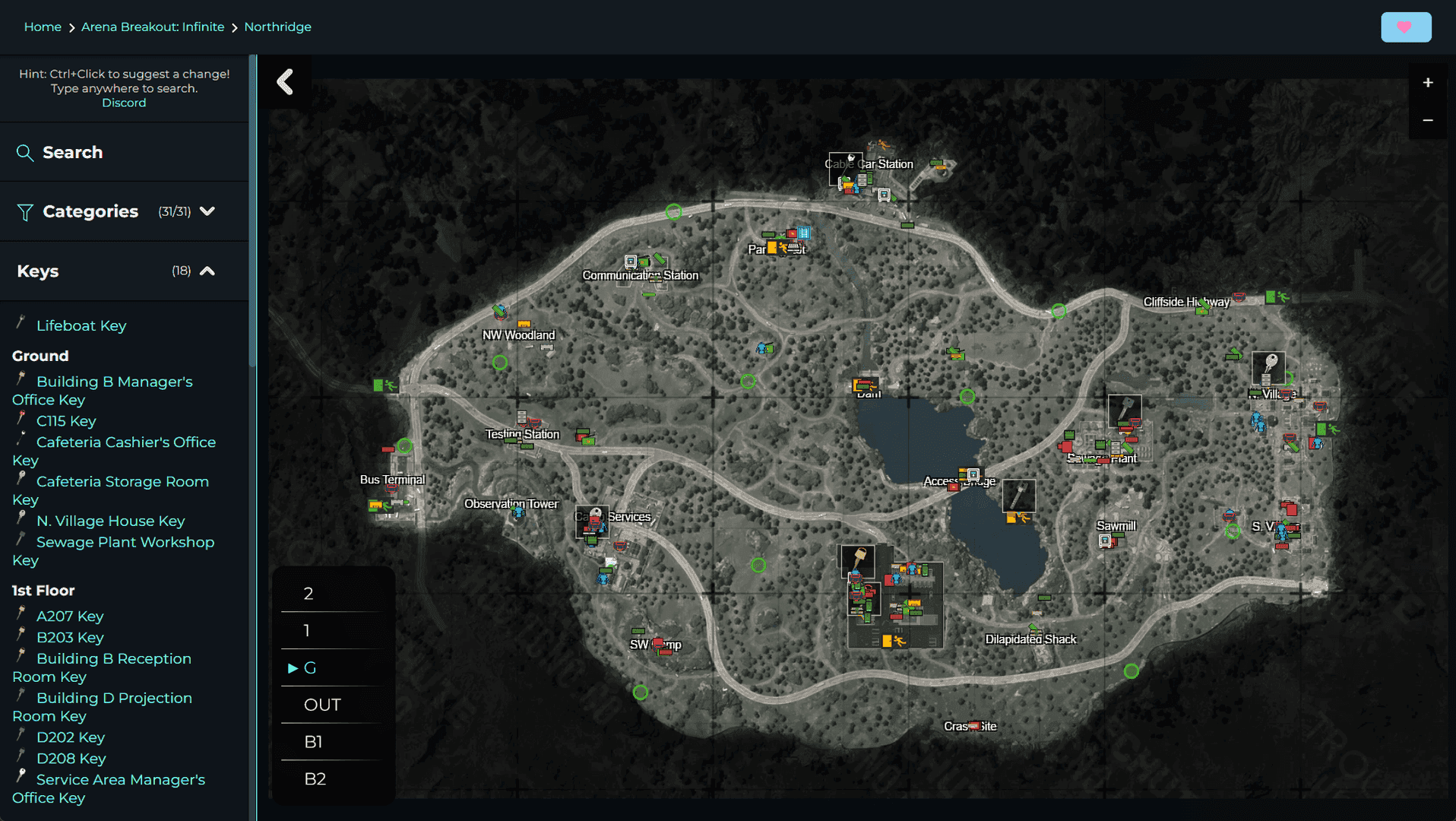
Spatial audio provides 10x better elevation distinguishing vs stereo, critical for multi-story locations like Northridge Terminal (launched September 15, 2025).
Why Defaults Fail
Default configs allocate equal priority to all sounds. This works in clear weather with visual confirmation, but sandstorms eliminate visual reliability. Ambient at default 50% introduces wind noise competing with footstep frequencies.
Graphics defaults prioritize visuals over performance, dropping FPS from 120-144 to 45-60 on mid-range devices during particle-heavy sandstorms. Lower FPS creates input lag compounding tracking difficulty.
Audio Setting #1: Master Volume and Effects Balance
Pros set master volume to 70-80%, not maximum. At 100%, dynamic range compression kicks in, reducing distinction between quiet footsteps and loud environmental noise.
Critical ratio: footsteps 100%, gunfire 100%, ambient 0%. This eliminates wind noise while preserving tactical audio. Footsteps become dominant, allowing tracking even at peak sandstorm density.
Optimal Master Volume Levels
70-80% range provides headroom for proper directional rendering without clipping. Above 85%, audio compression flattens near/far footstep distinction, making threat assessment difficult.
Testing shows 75% optimal for most hardware. High-end devices with superior DACs handle 80%; budget devices need 70% to prevent distortion.
Effects vs Ambient Ratio
Effects (footsteps, gunfire, reloading) at 100% ensures maximum tactical clarity. Ambient (wind, environmental sounds) at 0% eliminates primary interference source, extending detection from 40m back toward 50m maximum.
Configuration Steps
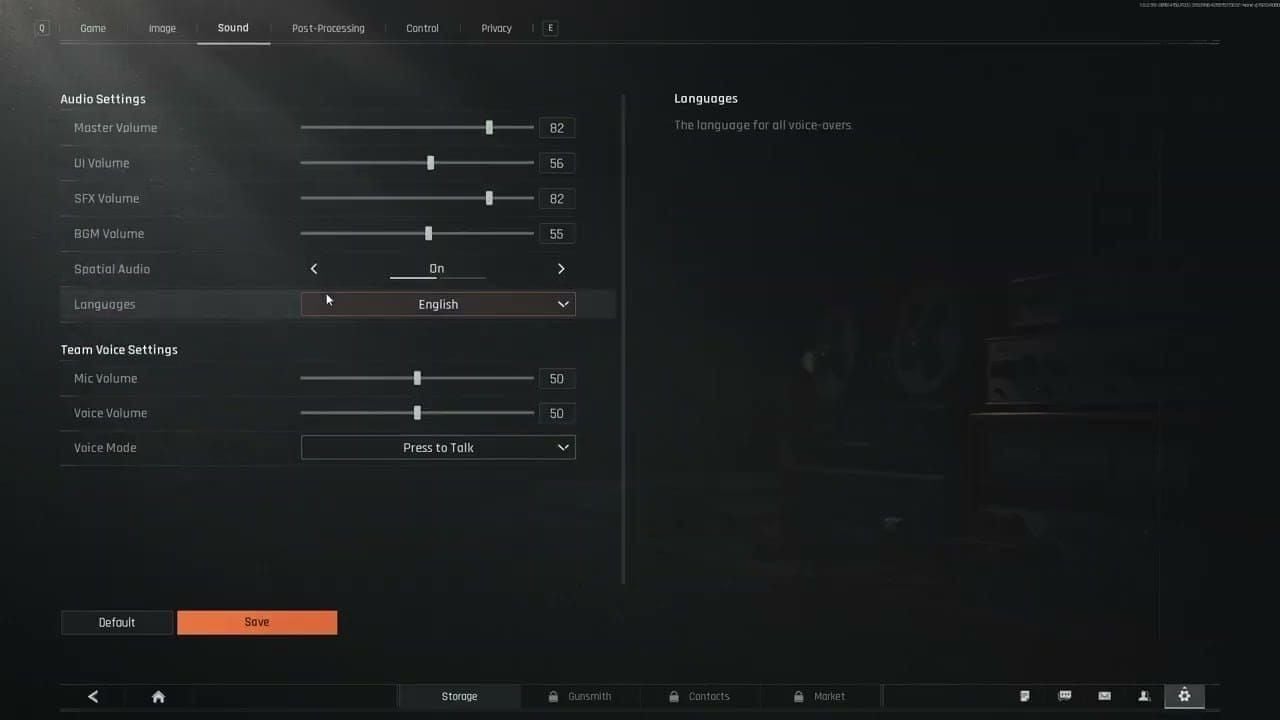
Settings > Audio > Reset to Default
Master Volume: 75%
Footsteps: 100%
Gunfire: 100%
Ambient: 0%
Enable Spatial Audio
Test in Training Mode during sandstorm
Adjust Master ±5% based on hearing sensitivity
High-impedance headphones may need 80%; sensitive earbuds stay at 70%.
Audio Setting #2: Frequency EQ for Footsteps
Footsteps occupy 1.4-1.8kHz spectrum. Advanced players boost this range +4 to +6dB maximum using external EQ or gaming headsets. Exceeding +6dB introduces distortion.
This creates frequency notch emphasizing footsteps without making gunfire uncomfortably loud. iOS needs third-party apps; Android often includes system EQ.
Gaming headsets: GS2 (0.8kg, 30% better range) and Commander A (0.7kg, 30% better directional performance) provide hardware EQ without software config.
EQ Implementation
Custom profile for external EQ:
1.4kHz: +5dB
1.6kHz: +6dB (peak footstep frequency)
1.8kHz: +5dB
All other frequencies: 0dB
Narrow bandwidth prevents tinny sound from broad midrange boosts.
In-Game Headset Equipment
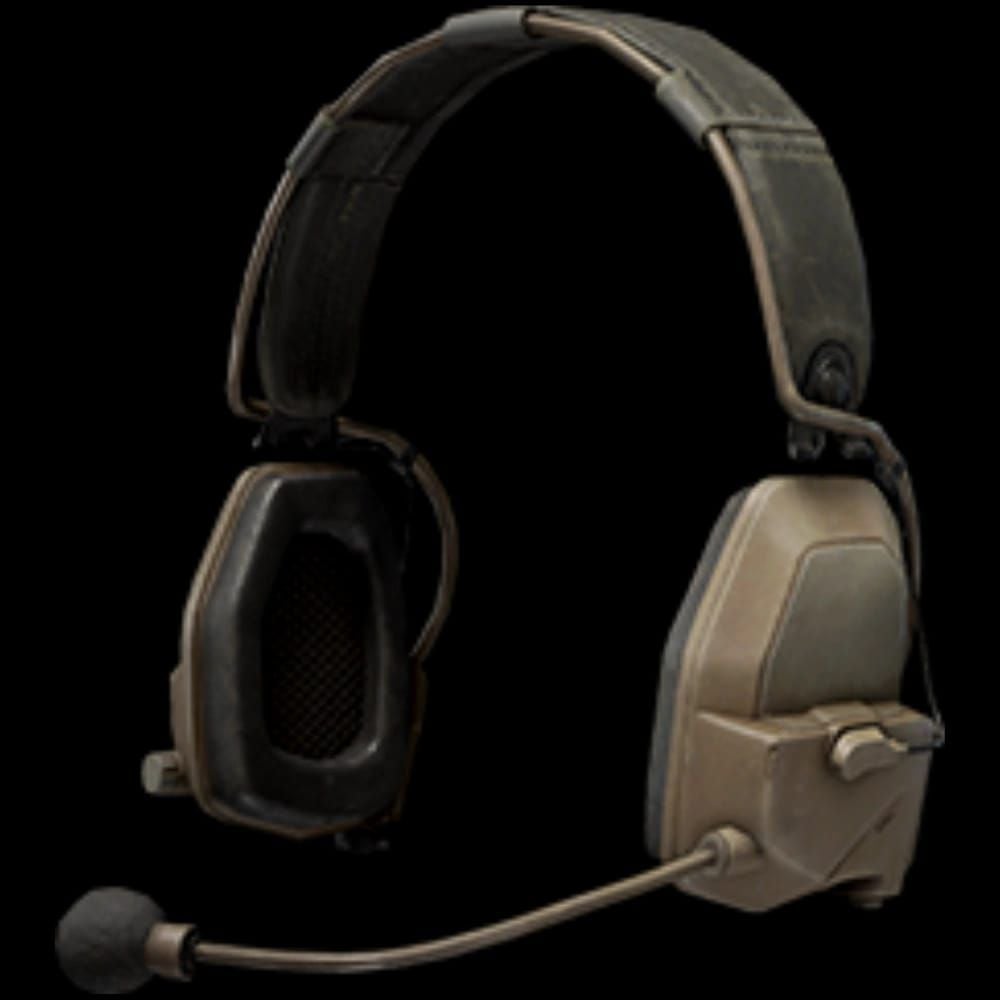
GS2 extends 50m detection to ~65m under ideal conditions; during sandstorms maintains 50m where unequipped players drop to 30-40m.
Commander A provides superior directional accuracy for close-quarters, better for pinpointing exact position vs early detection. Access premium equipment via Arena Breakout Mobile bonds top up from BitTopup.
Mid-tier: Z038 (0.65kg), M32 (0.6kg). Com1 (0.4kg) provides minimal sandstorm benefit. Only GS2/Commander A viable for competitive play.
Audio Setting #3: Spatial Audio and Directional Cues
Spatial audio provides 10x better elevation distinguishing vs stereo. Determines if footsteps originate above, below, or same level—critical when visual confirmation impossible until 57m.
Appears as 3D Audio, Spatial Sound, or Headphone Mode in settings. Immediately improves directional accuracy, distinguishing 45° vs 60° left—precision determining first-shot advantage.
Calibrating Spatial Audio
Open-back headphones provide superior soundstage but leak audio. Closed-back offer better isolation and bass response for gunfire detection while maintaining directional accuracy.
Test with teammates moving through known positions, eyes closed. Accurate spatial audio allows pointing within 10-15° of actual position. If error exceeds 20°, check:
Incorrect L/R headphone orientation
Damaged drivers creating imbalanced output
Device audio processing conflicts
Wrong output device selected
Headphone Selection Impact
Pros prefer wired over Bluetooth. Bluetooth introduces 100-200ms latency desynchronizing footsteps from visuals, making pre-aiming impossible. Wired provides zero-latency, allowing 1-2 second predictive positioning before enemies appear.
Graphics Setting #4: Shadow Quality and Vegetation
Shadows on Low reduces GPU load ~30%, gaining 25-40 FPS on mid-range devices. Critical when particle effects already stress resources.
Vegetation on Low removes distant grass obscuring enemy silhouettes. High vegetation renders dense grass blending with sandstorm particles, masking movement. Low maintains essential foreground only.
Post-processing (motion blur, depth of field, bloom) harms competitive performance. Motion blur smears fast camera movements; depth of field blurs backgrounds, reducing distant movement detection.
Performance vs Quality Trade-offs
Reference hardware (i7-9700/RTX 3060/16GB):
High: 75-90 FPS during sandstorms
Medium: 95-110 FPS
Low: 120-144 FPS
30-50 FPS difference = 8-12ms input lag reduction.
Mid-range (i5-8600/RTX 2060/16GB):
High: 40-55 FPS (unplayable)
Medium: 60-75 FPS (inconsistent)
Low: 85-100 FPS (competitive)
Optimal Graphics Config
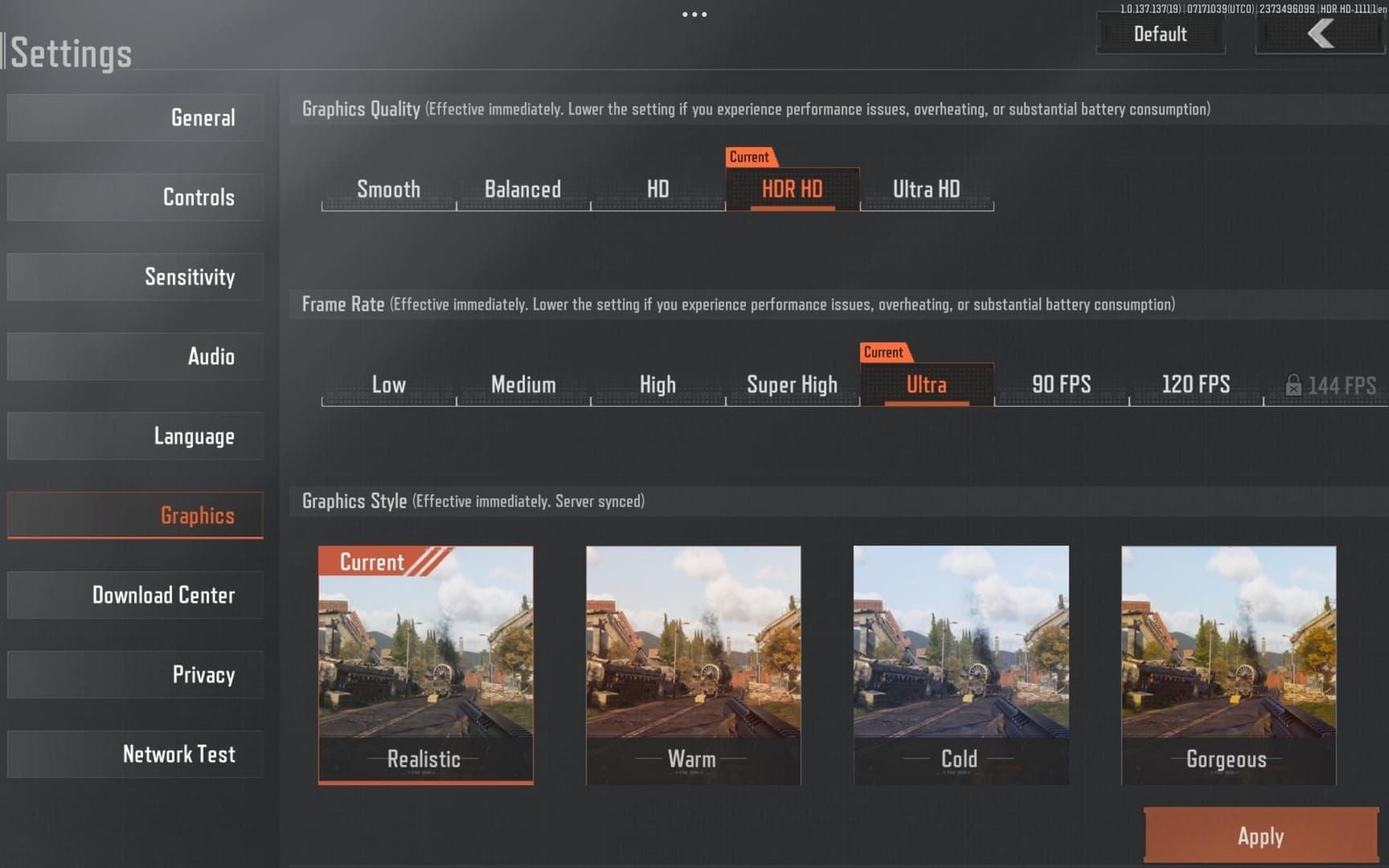
Vegetation: Low - Removes clutter
Shadows: Low - Recovers 30% GPU
Post Processing: Low - Eliminates blur
View Distance: Medium-High - Maintains 190m render
Anti-Aliasing: Low - Reduces overhead
Texture Quality: Medium - Balances performance/clarity
Effects Quality: Medium - Preserves muzzle flash
View Distance too low culls enemies beyond detection range. Medium-High ensures rendering at all visibility ranges without Ultra penalty.
Disable DLSS/supersampling—they introduce latency and artifacts. Native resolution provides clearest competitive image.
Graphics Setting #5: Frame Rate Stability
Consistent 90 FPS outperforms 120-60 FPS fluctuation. Inconsistency creates micro-stutters disrupting aim when tracking audio-detected targets.
Enable FPS counter. Target 60+ minimum; competitive players maintain 90+ minimum, high-end targets 120-144 FPS.
Frame rate cap at 120 FPS balances performance and efficiency. 144+ FPS shows diminishing returns while significantly increasing power consumption.
Device-Specific Optimization
High-end (Snapdragon 8 Gen 2/3, A16/A17 Pro): 120-144 FPS at 1080p Medium settings. Use Low shadows/vegetation/post-processing, Medium textures/view distance.
Mid-range (Snapdragon 778G/870, A14/A15): Target 90 FPS minimum, all Low except Medium view distance. Prevents thermal throttling.
Budget (Snapdragon 695/732G, A12/A13): All Low + 720p for 60 FPS minimum. Responsive controls beat visual fidelity.
Maintaining Performance
Device temperature triggers thermal throttling after 15-20 minutes, dropping 120 FPS to 70-80 FPS.
Combat throttling:
External cooling fans
Remove phone cases trapping heat
Reduce brightness to 70-80%
Take 2-3 minute breaks between raids
Play in air-conditioned environments
Monitor consistency over peaks. Device maintaining 90 FPS beats one starting at 120 but throttling to 70.
Pro Strategies: Audio Cues + Movement Tactics
Pros exploit 60% audio reduction from crouch-walking to close within 30m before engaging. Most players sprint during sandstorms (maximum audio) assuming visibility protects them. Crouch-walkers hear sprinters at 40+ meters while remaining undetectable.
Movement patterns reveal intentions: consistent rhythm = unaware players; irregular with stops = alert opponents scanning for threats. Adjust aggression accordingly.
Indoor positions near doorways/staircases provide superior detection through sound funneling. Footsteps echo and amplify in enclosed spaces. Outdoor positions lose this as wind dissipates audio faster.
Tactical Positioning
Stairwells provide strongest audio advantage. Distinct stair footsteps + enclosed amplification + blocked wind = 2-3 second earlier detection for pre-aimed first shots.
Corner positions near high-traffic routes create 100m diameter detection zones (50m radius) covering multiple angles. Stereo panning reveals movement direction for predicted corner timing.
Avoid open areas—40m wind masking + zero cover when enemies appear at 57m gives them 1.5-2 second visual advantage, reversing audio benefit.
Movement Techniques
Crouch-walk between cover maintains 60% reduction while detecting sprinters at 40+ meters. Slower but survival increases from 40% to 70%+.
Stop-and-listen every 5-7 seconds. Continuous movement generates self-noise masking incoming audio. Pattern: crouch-walk 5s, stop 2s, scan audio, repeat.
Synchronize movement with distant gunfire (100+ meters). Briefly sprint during audio masking, return to crouch-walk when gunfire ceases.
Common Mistakes and Troubleshooting
Maxing all audio to 100% creates compression artifacts and reduced directional accuracy. Louder = better eliminates dynamic range distinguishing near from far sounds.
Audio desync from background apps consuming resources. Close all apps, enable Do Not Disturb before competitive sessions.
High graphics settings consume CPU also handling audio mixing. Above 85-90% CPU usage, audio gets deprioritized, causing delayed/dropped footsteps. Low graphics frees CPU for consistent audio.
Fixing Audio Clarity
If footsteps sound muffled:
Verify spatial audio enabled
Check secure headphone connection
Test different headphones
Reset and reconfigure step-by-step
Update to latest version
Restart device to clear audio cache
Directional inaccuracy indicates:
Reversed L/R orientation
Mono audio mode enabled
Damaged drivers
Conflicting third-party audio software
Device-Specific Issues
iOS: Disable notification sounds—they route audio through speaker. Use wired headphones with inline controls forcing audio routing.
Android: Disable manufacturer audio enhancements (Dolby Atmos, DTS:X). They conflict with in-game spatial audio, reducing directional accuracy.
Testing and Validating Configuration
Enter Training Mode during sandstorms. Have teammates move through known positions at varying distances. Document detection ranges for sprint/walk/crouch at 10m intervals from 20-60m.
Measure FPS during 10-minute sessions: minimum, maximum, average. Configuration maintaining 90-95 FPS beats 120-70 FPS fluctuation. Adjust until minimum stays within 10-15 of average.
Baseline Metrics
Before changes, document:
Footstep detection range per movement speed
Average FPS during sandstorm combat
Minimum FPS during multi-enemy engagements
Audio directional accuracy (degrees error)
Time-to-target after audio detection
After implementation, expect:
20-30% better detection range
30-50% higher average FPS
40-60% reduced FPS variance
50%+ better directional accuracy
1-2s faster time-to-target
Personal Adjustments
Hearing sensitivity varies. Test frequency sensitivity online, adjust EQ to compensate. Reduced 1.4-1.8kHz sensitivity needs +7-8dB boost vs standard +6dB.
Headphone impedance affects master volume. Low-impedance (16-32 ohms) use 70-75%; high-impedance (80-250 ohms) may need 80-85%. Match to your hardware.
Maintaining Competitive Edge
Settings aren't one-time. Game updates every 3-4 weeks may adjust audio mechanics. Review patch notes under Audio/Sound Design, retest detection ranges after updates.
S11 meta evolves. Early season emphasized long-range avoiding sandstorms; optimized audio made close-quarters viable. Adjust priorities as meta shifts.
Hardware degrades. Headphones lose frequency response after 12-18 months; batteries cause more throttling as devices age. Retest every 2-3 months, plan upgrades when performance degrades.
Staying Updated
Join competitive communities monitoring tactics and setting discoveries. When multiple top players converge on configs, those likely represent current optimal.
New maps require adjustments. Northridge Terminal (September 15, 2025) features different acoustics with more enclosed spaces amplifying footsteps. Adjust view distance/shadows per map.
Fueling Your Journey
BitTopup offers fast, secure Arena Breakout Mobile bonds recharge with competitive pricing and excellent service. Access premium headsets like GS2 and Commander A through reliable top-up ensuring you never miss competitive advantages during limited events.
FAQ
What are the best audio settings for S11 sandstorms?
Master 70-80%, footsteps/gunfire 100%, ambient 0%, spatial audio enabled. Eliminates wind noise, extends detection from 30-40m toward 50m maximum.
How far can you hear footsteps during sandstorms?
Wind masks beyond 40m vs 50m normal. Optimized settings + GS2/Commander A (30% bonus) maintain near-maximum detection despite weather.
Should I lower graphics for better audio performance?
Yes—vegetation/shadows/post-processing on Low frees CPU for audio processing while improving FPS 30-50%. Prevents desync and maintains 90+ FPS.
Do suppressors work better during sandstorms?
Suppressors reduce detection below 30m vs 60-80m unsuppressed. Combined with crouch-walking (60% reduction), allows completely undetected approach within visual range.
What graphics settings improve sandstorm visibility?
Shadows Low, vegetation Low, post-processing Low, view distance Medium-High. Removes clutter/particles obscuring enemies while ensuring rendering at 190m maximum.
Can I use Bluetooth headphones competitively?
No—Bluetooth adds 100-200ms latency desynchronizing footsteps from visuals, making accurate pre-aiming impossible. Wired provides zero-latency essential for competitive play.