

Arena Breakout S11 1v1 Team Deathmatch strips away gear advantages through randomized weapons, testing pure gunfight skills across a first-to-four, 7-round format. Success demands instant weapon adaptation, peak mechanics, and psychological resilience. This guide covers settings optimization, loadout mastery, and momentum control to dominate this competitive mode.
Understanding S11 1v1 Team Deathmatch Mode
This mode eliminates economic advantages through random loadouts. Both players receive weapons from identical categories (SMG, assault rifle, sniper, shotgun) each round, ensuring fairness while demanding constant adaptation.
First-to-four wins across seven rounds creates natural pressure points. Round timers prevent camping. Unlike standard modes where L4 armor (55,000 Koens chest, 38,000 Koens helmet) and T4 ammo (7N31: 566.4 penetration, 665.52 damage) compensate for poor positioning, this format exposes mechanical weaknesses.
Random Loadout Categories:
SMGs: 850 RPM (MPX), 57m effective range, close-quarter dominance
Assault Rifles: 630 RPM (FAL), 90-124m range, mid-range versatility
Sniper Rifles: 124m+ range, one-shot potential, patience required
Shotguns: <15m lethal range, extreme aggression needed
For premium features and season pass benefits, Arena Breakout Bonds top up through BitTopup offers fast, secure transactions.
Optimal Settings for Maximum Performance
Sensitivity Configuration
General aim: 40-50% for 180° turns with full swipes
Scope sensitivity: 30-40% for magnified optics
Test drill: Strafe while tracking distant objects—adjust if crosshair drifts
Create separate profiles per weapon category for optimal control.
Graphics Settings
Target 60+ FPS minimum (90+ ideal):
Medium/low graphics quality
Disable shadows, motion blur, depth of field
Monitor FPS during matches—reduce settings if drops occur
Control Layout
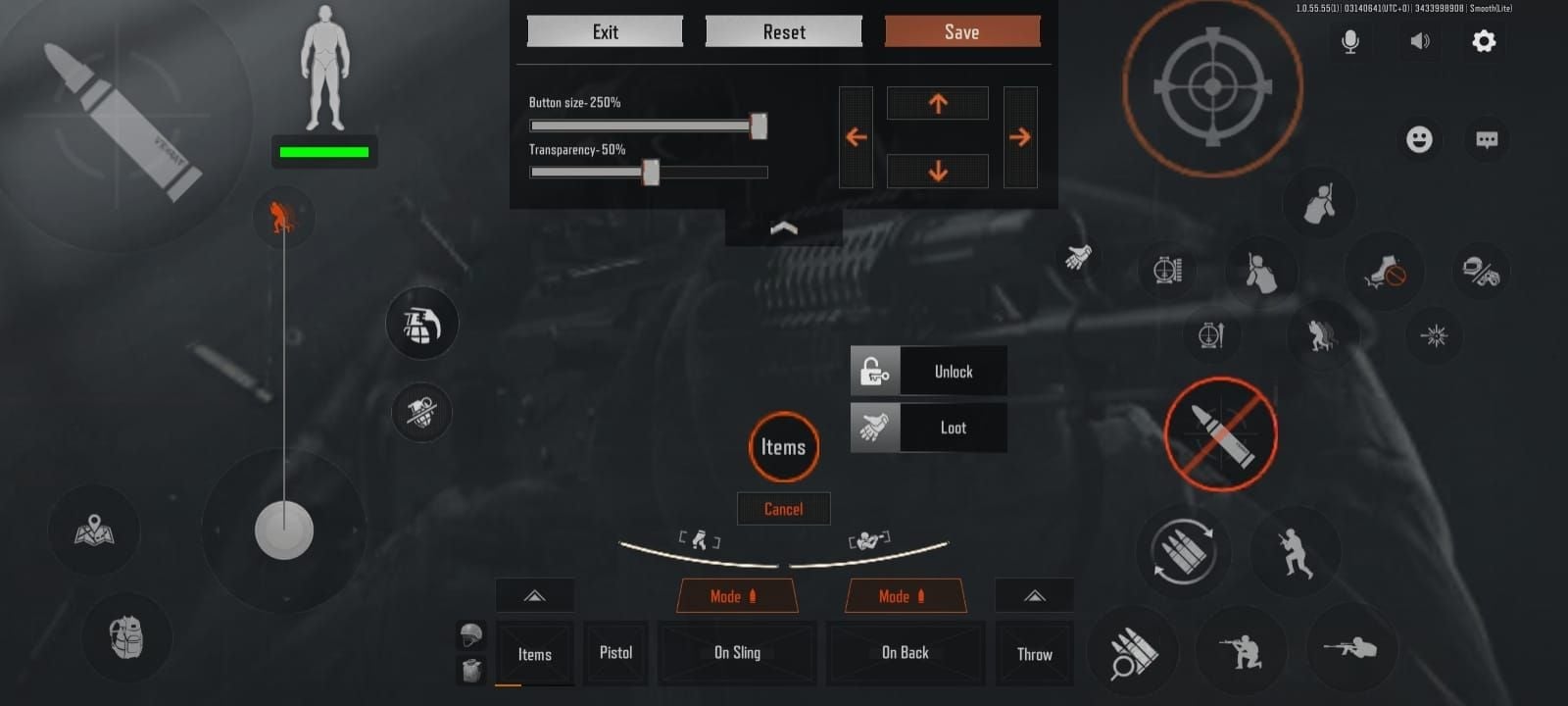
Position crouch/lean adjacent to aim button
Enable hold to aim for instant release
Use 4-finger claw: index for aim/shoot, middle for movement/utility
Customize fire button size for thumb reach
Audio Settings
Detection ranges by movement speed:
Crouched: 57m
Walking: 90-120m
Sprinting: 190m
Enable stereo/headphone mode. Max sound effects volume, minimize music/ambient. Learn weapon-specific reload sounds for push timing.
Mastering Random Loadout Adaptation
Instant Weapon Assessment
Check immediately upon spawning:
Fire rate (800+ RPM = close-quarter advantage)
Effective range
Magazine capacity (30+ rounds = sustained aggression)
Recoil pattern (test burst first second)
SMG Strategy (MPX: 850 RPM, 57m range)
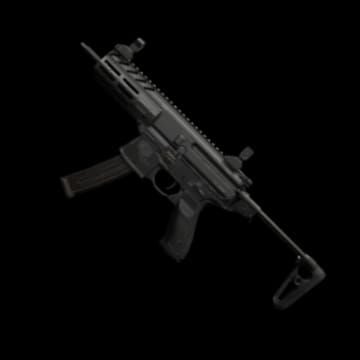
Push forward immediately—SMGs lose at range
Use 95% movement speed (L3 armor) for strafe duels
Pre-aim corners at head height
Sprint sparingly (190m detection telegraphs position)
Assault Rifle Strategy (FAL: 630 RPM, 124m range)
Control 70-90m mid-range zones
Use 3-5 round bursts, not full-auto
Adapt to opponent: punish aggression defensively, push passive players
Full-auto viable <30m only
Sniper Rifle Strategy (124m+ range)
Secure long sightlines within 5 seconds
Pre-aim head-level at choke points
Patience over aggression—let opponents make mistakes
Flank if opponents claim superior angles first
Shotgun Strategy (<15m lethal)
Sprint to central control immediately
Crouch-walk (57m detection) near suspected positions
Bait opponents with noise, reposition for corner traps
Control building interiors and tight corridors
Psychology of 7-Round Format
Round 1-2: Information Gathering
Probe opponent tendencies—routes, aggression level, weapon comfort. Accept early losses for intelligence value.
Round 3-4: Momentum Building
Leading 2-0/3-0: Maintain discipline, don't get overconfident
Trailing 0-2/0-3: Change strategy completely, embrace high-risk plays
2-2 tie: Psychological equilibrium—highest quality rounds
Round 5-6: Pressure Points
Leading 3-1/3-2: Maintain aggression—opponents tighten up defensively
Trailing 1-3/2-3: Nothing to lose mentality enables liberation
3-3 scenario: Maximum pressure—mental game decides outcome
Round 7: Clutch Mentality
Only occurs at 3-3. Simplify approach to fundamentals. Control breathing (3 deep breaths during transition). Commit fully to chosen strategy without second-guessing.
Reading Opponent Patterns
Track positioning preferences (most favor 2-3 routes)
Note adaptation speed (fast vs. slow adjusters)
Identify tilt indicators (extreme aggression/passivity shifts)
Advanced Positioning and Movement
Spawn Point Analysis
Identify advantages within 1 second:
Closer central access = faster defensive setup
Superior sightlines = early aggression potential
Use alternative routes to mitigate spawn disadvantages
Map Control Zones
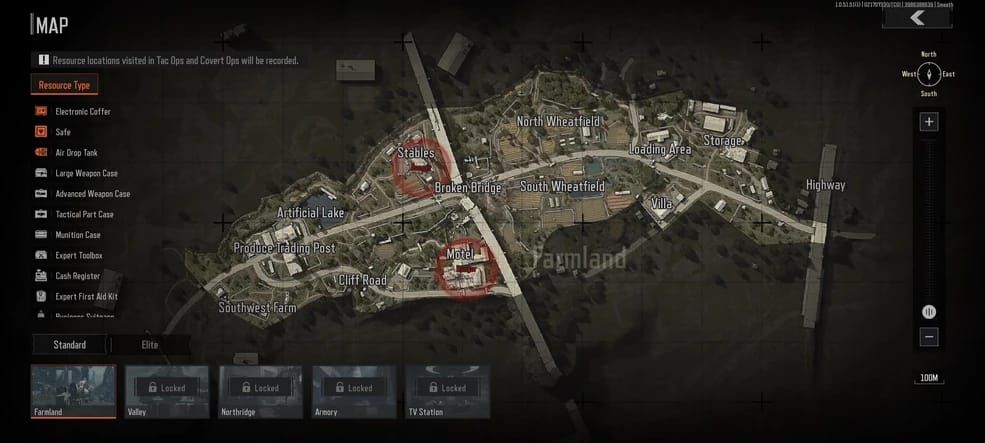
Close-quarter (<30m): SMG/shotgun dominance, building interiors
Mid-range (50-100m): Assault rifle advantage, partial cover areas
Long-range (100m+): Sniper superiority, open fields/elevated positions
Control zones matching your weapon category.
Movement Unpredictability
Alternate routes between rounds
Vary speeds: mix crouch (57m), walk (90-120m), sprint (190m)
Random pauses during traversal (2-3 seconds)
Use diagonal/curved paths, not straight lines
Cover Usage
Distinguish concealment (blocks vision) from cover (blocks bullets)
Minimize exposure—head/weapon only
Peek from different positions around same cover
Reload behind cover during engagement lulls
Peak Mechanics Mastery
Peak Angle Fundamentals
Right-hand peek advantage: camera sees before character model appears (100-200ms advantage). Minimize left-hand peeks. Vertical angles (over cover) provide similar benefits.
Pre-Aiming
Memorize common positions by round 3
Maintain crosshair at head height (1.7m)
Pre-aim corners/doorways during movement
Adjust distance to weapon range (SMG: 10-30m, Sniper: 100m+)
Shoulder Peeking
Brief exposure (<0.5s) to bait shots and reveal positions. Listen for audio cues and observe tracers. Limit to 2-3 attempts per position.
Wide vs. Tight Peeks
Wide peeks: Far from cover, max angle advantage, use when positions known
Tight peeks: Minimal exposure, defensive holds, uncertain positions
Vary unpredictably to prevent anticipation.
Countering Aggressive Peekers
Hold off-angles they don't expect
Bait with noise, reposition to adjacent angle
Match aggression selectively to catch mid-movement
Use grenades (6,000 Koens standard mode) to disrupt momentum
Audio Exploitation
Footstep Ranges
Crouched: 57m (cautious approach)
Walking: 90-120m (defensive mindset)
Sprinting: 190m (8-10s warning before contact)
Directional audio via headphones pinpoints left-right positioning accurately.
Reload Audio Cues
Each weapon has distinct reload sounds (2-3s vulnerability). Push immediately if within 20-30m. Bait reloads with suppressive fire. Beware fake reloads (animation cancels).
Position Prediction
Track continuous movement through audio. Combine direction with map geometry to triangulate. Audio absence = crouch-walking or stationary (defensive behavior).
Sound Masking
Crouch-walk near enemies (57m detection)
Move during opponent actions (firing, reloading)
Suppressors reduce detection to <30m (8,000-15,000 Koens standard mode)
Stop periodically to listen without self-generated noise
Momentum Control
Recognizing Momentum
Consecutive wins (2-3 rounds), opponent hesitation, effortless decision-making indicate your advantage.
Breaking Opponent Streaks
After 2-3 losses, change approach fundamentally. Force opponents from comfort zones. Accept high-risk plays. Focus on winning single round, not entire match.
Round Transition Resets
Use 5-10s for controlled breathing (3 deep breaths). Avoid reviewing mistakes—triggers negative emotions. Visualize upcoming strategy. Physical resets (stretches, hand shakes).
0-3 Deficit Strategy
Analyze failures, abandon ineffective playstyles entirely. Implement opponent's successful strategies. Embrace high-variance plays. Win one round first to create pressure.
3-3 Situations
Simplify to fundamentals. Trust muscle memory over conscious thought. Accept outcome beforehand to reduce anxiety. Maintain pre-match routines.
Common Mistakes to Avoid
Over-Committing
Recognize lost engagement advantage early. Develop retreat discipline. Use cover for disengagement. Accept unwinnable situations—survival enables future rounds.
Predictable Patterns
Vary routes between rounds. Change speeds unpredictably. Space out successful strategies. Incorporate random decision elements.
Tilting
Recognize symptoms: increased aggression, impatience. Mandatory breaks after 2-3 losses. Reframe losses as learning. Focus on process, not outcomes.
Ignoring Optimal Ranges
Optimal ranges: SMG <40m, AR 40-100m, Sniper 100m+, Shotgun <15m. Reposition to match weapon, don't force unsuitable engagements.
Poor Crosshair Placement
Maintain head height (1.7m). Aim at corners where enemies appear. Adjust distance to weapon category. Practice during non-combat movement.
Training Routines
Daily Warm-Up (10-15 min)
Flick shots to stationary targets (varied distances)
Tracking drills while strafing
Peek mechanics from both angles (10-15 reps each)
Weapon Familiarization (15-20 min per category)
Learn recoil patterns (fire into walls)
Identify optimal ranges through experimentation
Practice category-specific techniques (quick-scope, burst control, tracking)
Reaction Training
Use reaction time tools for measurable metrics
Practice 180° flicks
Vary target distances (10-20m vs. 50-100m)
Incorporate movement into flick drills
Performance Metrics
Win rate across sessions
Average round differential per match
Weapon category performance (separate tracking)
Comeback frequency (wins after 0-2+ deficits)
Loss Analysis
Review lost rounds immediately. Categorize: mechanical failures, tactical errors, opponent outplays. Identify recurring mistakes. Develop specific practice plans.
Enhance Your Experience with BitTopup
Competitive performance requires skill, but premium access accelerates improvement. BitTopup provides trusted buy Arena Breakout Bonds recharge with secure transactions and competitive pricing.
Why BitTopup:
Encrypted payment processing
Competitive pricing with bulk discounts
Responsive customer service
Instant delivery (minutes, not hours)
Premium Benefits:
Season pass exclusive rewards (weapon skins, bonus XP)
Unlimited custom matches for dedicated training
Immediate weapon purchases (AR57 blueprint 3frwi7fw87UEAA4: 305,000 Koens, Level 16)
Accelerated progression unlocking advanced features
FAQ
How does random loadout work in S11 1v1? Both players receive weapons from identical categories (SMG/AR/Sniper/Shotgun) each round with equal armor tiers and ammo quality, eliminating gear advantages while requiring adaptation.
What are best settings for 1v1 duels? 40-50% general sensitivity, 30-40% scope sensitivity, medium/low graphics targeting 60+ FPS, customized controls with crouch/lean near aim button, stereo audio via headphones with max sound effects.
How to win with unfamiliar weapons? Assess fire rate, range, capacity, recoil immediately. Adjust positioning: close distance (SMG), mid-range control (AR), long sightlines (Sniper), aggressive push (Shotgun). Practice all categories during training.
What's the 7-round format strategy? Rounds 1-2: gather intel. Rounds 3-4: build/break momentum. Rounds 5-6: pressure points. Round 7 (3-3): simplified execution, mental composure over complexity.
How to control momentum? Recognize through consecutive wins and opponent behavior changes. Exploit by maintaining strategy. Break through fundamental shifts (aggression↔patience). Use transitions for breathing resets preventing tilt.
How to recover from 0-3 deficit? Complete strategic overhaul—abandon failures entirely. Adopt opponent's strategies or embrace high-risk plays. Focus on one round first to create pressure, then build consecutive wins. Conservative play rarely overcomes deficits.