Master these 10 sound-cue spots on Arena Breakout's Season 4 Airport map for immediate tactical superiority. Learn precise audio detection ranges, Snow Northridge environmental changes, and positioning strategies that transform sound intelligence into combat dominance.
Understanding Sound-Cue Mechanics in Season 4
Sound-cue spots are map locations where audio provides maximum tactical intelligence—areas where surface materials, architecture, and environmental factors create predictable sound signatures revealing enemy positions before visual contact.
Season 4 launched January 8, 2026 at 6PM EST, introducing Guoyapos Airport with fundamentally different audio mechanics. Airport unlocks at Level 25, supports 35-minute raids with 12 players, and features 72-tick servers for precise audio synchronization.
For optimal gear access, Arena Breakout Bonds top up through BitTopup provides instant delivery with secure transactions.
What Makes Sound-Cue Spots Critical
Enemies detect footsteps up to 50m maximum, but range varies dramatically by movement type, surface material, and environment. Airport features distinct material zones—metal surfaces amplify detection 15-20%, carpeted terminals absorb sound beyond 30m, glass corridors create acoustic funnels for precise positioning.
Weapon handling sounds audible at 20m give 3-5 second reaction windows. Radio chatter provides 8-12 seconds warning at 50m for repositioning or ambush preparation.
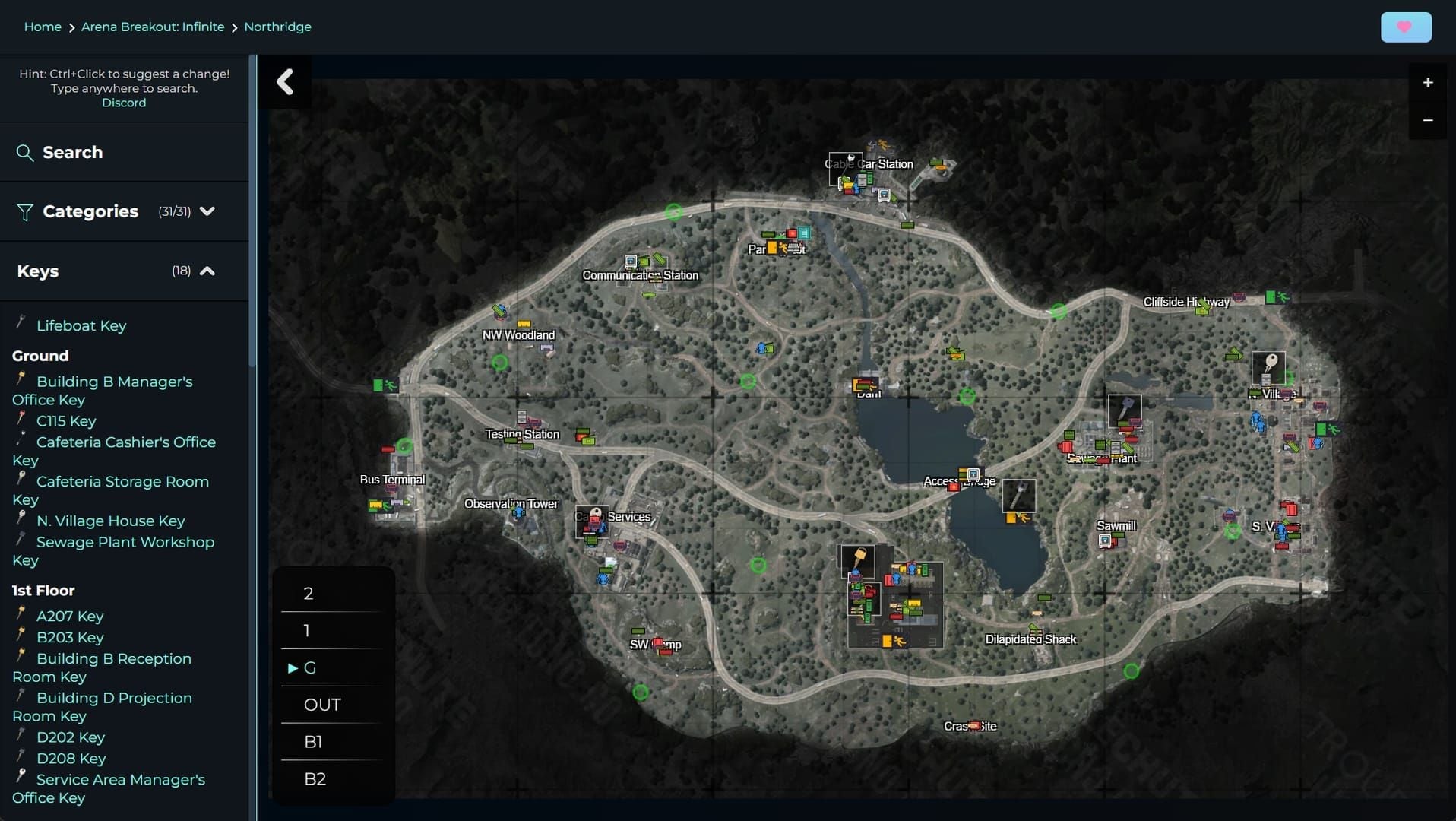
Snow Northridge Audio Changes
Northridge rain muffles footsteps over 60%, compressing detection from 50m to ~20m. Snow footsteps become indistinct beyond 30m. Metal catwalks retain 70-80% acoustic signature under snow, while concrete loses 65% high-frequency clarity.
Wind gusts create 2-3 second intervals of elevated noise masking movement, but sudden silence makes any sound immediately obvious.
Audio Detection Range Fundamentals
Sprinting: 40-50m detection
Walking: 25-30m detection
Crouch-walking: 15-20m (60% reduction)
Suppressed MPX: 40-50m vs 150m+ unsuppressed rifles
Suppressed rifles: 75-100m detection
Distance affects frequency composition: 10m = crisp full-frequency, 25m = muffled but directional, 40m+ = low-frequency thuds only.
Material Sound Signatures
Metal: Sharp, resonant, 30% longer decay than concrete. High-risk exposure.
Concrete: Baseline material, clear directional info within 30m, recognizable to 40m.
Glass: Bidirectional acoustic funnels, amplify footsteps, create echo patterns.
Wood: High-frequency creaks penetrate ambient noise, VIP Lounge detectable at 20-25m even crouch-walking.
Carpet: 40% detection range reduction, natural stealth corridors.
The 10 Essential Sound-Cue Spots
Spot #1: Terminal Main Entrance - Echo Chamber
Three-story atrium carries footsteps ground-to-third-floor with minimal attenuation. Second-floor overlook provides 360° coverage of Baggage Claim, Security Checkpoint, exterior approaches.
Marble flooring amplifies footsteps 25% vs concrete, extending detection to 55-60m. High ceiling prevents absorption. Position near central information desk for cover with acoustic exposure.
Echo pattern on main staircase creates 1.5s delay indicating exact position. Snow Northridge: focus on covered sections where snow doesn't dampen marble.
Spot #2: Control Tower Stairwell - Vertical Audio Trap
Enclosed concrete shaft amplifies footsteps 40%, eliminates directional ambiguity. Movement broadcasts to all floors simultaneously.
Spatial audio distinguishes elevation 10x better than open areas. Ascending = rising pitch, descending = falling pitch. Precise floor counting via pitch variation.
Defensive positioning at landings provides 3-5s warning. Metal handrails create high-frequency scraping when brushed during movement.
Spot #3: Hangar Metal Catwalks - Maximum Amplification

Loudest footsteps on Airport map: 65-70m detection for sprinting. Resonant frequencies 1.4-1.8kHz penetrate ambient noise across entire hangar.
Catwalk intersections monitor three ground entrances plus two stairwells via audio alone. Jump/landing creates distinct ping alerts.
Counter-strategy: machinery sounds in maintenance bay create 4-6s noise intervals masking movement. Snow reduces amplification only 20%.
Spot #4: Cargo Bay Loading Dock - Directional Advantage
Shipping containers create acoustic channels with predictable echo patterns. North approaches produce double-echo signature.
Inside containers: metal walls block direct transmission but allow low-frequency penetration—muffled signature indicates presence without revealing position.
Concrete ramp creates audio gradient. 15° incline produces distinctive rhythm change—ramp signature experienced players recognize instantly.
Spot #5: Security Checkpoint Glass Corridors - Acoustic Funnel
Parallel glass walls form waveguide channeling sound with 2-3m accuracy at 45m range. Ideal for pre-aimed defensive positions.
Bullet impacts create sharp high-frequency cracks indicating hit locations. Breaking glass reveals breach points.
Tile flooring amplifies like Terminal but greater directional clarity. Crouch-walking audible 20-25m. Alternative baggage screening routes feature rubber mats reducing detection 35%.
For optimized gear loadouts, buy Arena Breakout Bonds instant recharge at BitTopup for immediate tactical equipment access.
Advanced Sound-Cue Spots
Spot #6: Baggage Claim Conveyor System - Mechanical Masking
Conveyor motors produce 65-70dB background noise (200-400Hz) masking footsteps within 15m of active sections.
Conveyors activate 45-60s followed by 30-45s quiet periods. Sync movement with active cycles for sprint-speed repositioning.
Position near junctions to monitor three vectors while maintaining acoustic cover—you hear enemies clearly while remaining hidden.
Spot #7: Runway Maintenance Tunnels - Long-Range Detection
Concrete tunnel construction maintains footstep clarity to 70-80m, exceeding typical outdoor ranges.
Linear geometry eliminates directional ambiguity—binary ahead/behind assessment. Echo patterns indicate distance; experts estimate range within 10m increments via reverb decay.
AI patrol sounds amplified. Boss Fred's heavy footfall audible 50-60m in tunnel sections near Northridge Hotel.
Spot #8: Parking Structure - Sound Bounce Analysis
Multi-level concrete creates overhead signatures with 0.3-0.5s delay between direct sound and ceiling reflection. Second floor = 0.3s delay, third floor = 0.5s delay.
Open sides create asymmetric propagation. Interior footsteps contained/amplified, exterior approaches clearer without reverb.
Vehicle cover creates acoustic shadows blocking direct transmission while allowing reflected sound—muffled but present signature.
Spot #9: VIP Lounge Wooden Floors - High-Sensitivity Zone
Most sensitive detection environment. Crouch-walking audible 20-25m—complete stealth impossible.
Creak patterns identify movement type: sprint = 0.2-0.3s intervals, crouch = 0.8-1.0s intervals.
Leather sofas absorb high frequencies creating directional dead zones. Position behind acoustic obstacles to hear clearly while partially masked.
Spot #10: Rooftop Access - Exposed Positioning
Exposed environment eliminates reverb—pure direct-path sound. Maximum clarity but maximum exposure.
Wind gusts create 3-5s intervals of 70-75dB noise masking movement within 20m. Advance during gusts, freeze during calm.
Acoustic dominance over interior spaces below. Top-floor footsteps audible through ceiling transmission—muffled bass-heavy signature monitors building interior without exposure.
Leveraging Sound-Cue Spots in Combat
Pre-Engagement Positioning
Use sound-cue spots to detect enemy approach 5-8s before they detect you. Terminal entrance second-floor overlook detects ground approaches at 55-60m, providing 8-12s warning before effective engagement range.
Plan routes minimizing audio signature while maximizing detection. Use carpeted corridors for repositioning. Crouch-walking mandatory for sound-cue spot approaches in contested areas.
Real-Time Decision Making
Sound triggers demand immediate responses:
Radio chatter at 50m: 8-12s to reposition or prepare ambush
Weapon handling at 20m: push aggressively during reload/healing
Footstep rhythm: rapid/regular = unaware enemy, maintain ambush position; irregular = cautious player, consider repositioning
AI footsteps follow 2-3s intervals in 3-4 unit groups. Decide: avoid (stealth), engage (loot), or use as bait (reveal player positions).
Defensive vs Offensive Applications
Defensive: Establish positions at sound-cue spots providing maximum detection on approach vectors. Control Tower stairwell = 3-5s vertical warning, Cargo Bay = directional precision on horizontal movement.
Offensive: Use sound-cue spots as waypoints during clearing. Pause 3-5s at each spot for audio intelligence. Security Checkpoint provides 45m detection—clear systematically, advance only after confirming no audio ahead.
Mixed: Defensive position at primary spot, use audio intelligence to time aggressive pushes to secondary positions.
Squad Coordination
Standardized callouts: Terminal Echo, Tower Trap, Hangar Metal, Cargo Dock, Checkpoint Glass, Baggage Conveyors, Runway Tunnels, Parking Bounce, VIP Wood, Rooftop Exposed.
Assign audio responsibility zones per squad member. Three-player Terminal clearing: one monitors entrance, one Security Checkpoint, one Baggage Claim.
Radio chatter's 8-12s warning allows coordinated repositioning for multi-angle ambush.
Snow Northridge Environmental Changes
Weather Effects on Propagation
Rain muffles footsteps 60%, compressing detection 50m→20m. High frequencies (3kHz+) experience 70-80% reduction, low frequencies (500Hz-) maintain 60-70% intensity. Bass-heavy thuds indicate presence without crisp directional info.
Wind gusts: 3-5s intervals of 70-75dB masking movement within 20m. Sync aggressive pushes with wind peaks.
Seasonal Ambient Noise
Baseline ambient increases 45-50dB→60-65dB during weather, raising detection threshold.
Aircraft noise (55-60dB) combines with rain/wind creating complex acoustic environments. Favors experienced players isolating combat audio from environmental noise.
Boss Fred's Level 11 minions create radio chatter/equipment sounds audible through moderate weather.
Snow Coverage Effects
Outdoor concrete: 65% clarity reduction. Indoor areas maintain baseline. Sharp transitions at building entries.
Snow footsteps indistinct beyond 30m but within 30m produce characteristic 800-1200Hz crunching—more distinctive than concrete at close range.
Metal surfaces retain 70-80% signature under snow—Hangar catwalks maintain effectiveness regardless of weather.
Updated Material Properties
Concrete absorption increased, reducing reverb decay 15% vs Season 3. Cleaner directional audio, less echo confusion.
Glass channeling enhanced 20%—Security Checkpoint provides GPS-level directional accuracy.
VIP Lounge wood generates more pronounced creaks, increasing crouch-walk detection from 15-18m to 20-25m.
Common Audio Mistakes
Misconception: All Surfaces Sound Same
Metal amplifies 30-40% vs concrete, carpet reduces 35-40%. Ignoring material differences creates false stealth confidence or unnecessary caution.
Practice moving across different surfaces focusing on audio feedback. Develop mental associations: metal = sharp/resonant, concrete = moderate/neutral, wood = creaky/variable, carpet = muffled/absorbed.
Route selection should prioritize quiet surfaces when stealth paramount, accept loud surfaces only when speed/positioning justifies exposure.
Ignoring Vertical Propagation
Spatial audio distinguishes elevation 10x better than horizontal, yet players fail identifying whether footsteps originate same level, above, or below.
Control Tower: ascending = rising pitch, descending = falling pitch. Ignoring pitch cues wastes time checking wrong floors.
Parking structure: 0.3-0.5s delay between direct sound and ceiling reflection. Players ignoring vertical cues position directly below enemies.
Over-Reliance on Visual Cues
Audio provides earlier warning than visual confirmation. Radio chatter's 8-12s advantage at 50m allows preparation—waiting for visual loses this window.
Sound-cue spots exist to provide intelligence without visual exposure. Cargo Bay determines position through echoes without sightline exposure.
Inadequate Audio Settings
Optimal settings:
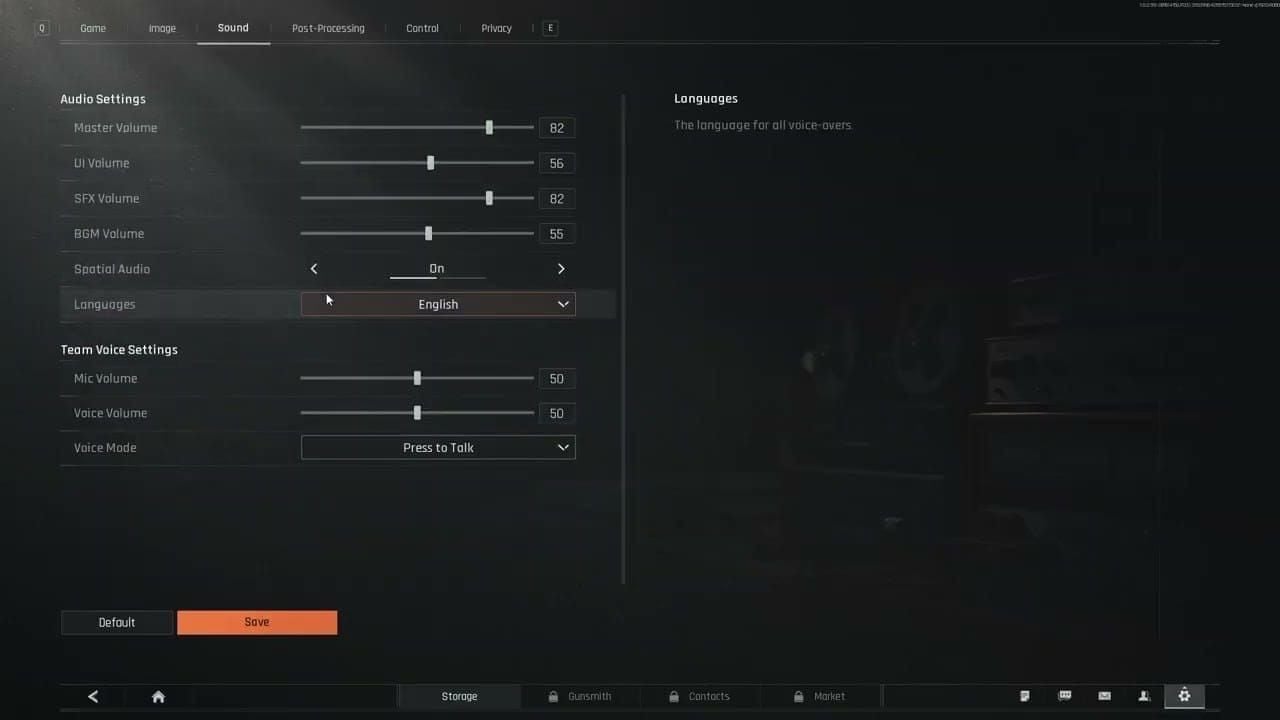
Master: 70-80%
Footsteps: 100%
Gunfire: 100%
Ambient: 0%
Enable spatial audio: Sound Settings > Spatial Sound > Windows Sonic for Headphones. Creates 10x elevation distinction improvement.
Hardware: Closed-back, 40mm+ drivers, 20Hz-100Hz bass, 2kHz-8kHz midrange emphasis, sub-10ms latency. GS2 (0.8kg) or Commander A (0.7kg) provide 30% detection improvement.
Optimizing Loadout for Audio Tactics
Quiet Weapon Choices
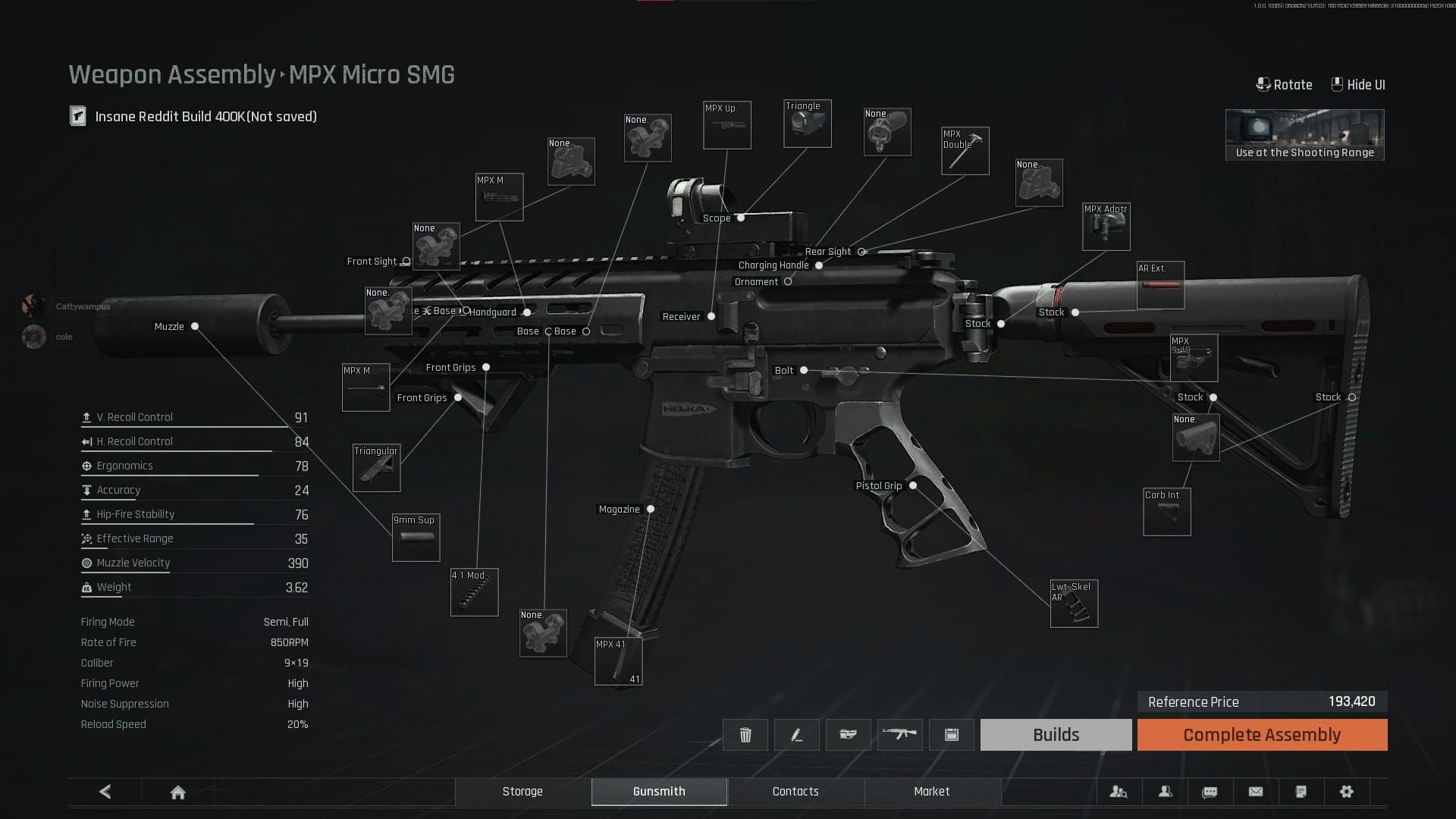
Suppressed MPX: 40-50m detection vs 150m+ unsuppressed rifles (60-70% reduction).
Suppressed rifles: 75-100m detection—middle ground between stealth and stopping power.
Choose fast reload speeds. 3-5s reload window = exact timeframe enemies need to push aggressively.
Gear Minimizing Audio Signature
Lighter loadouts reduce footstep intensity 10-15%. Optimized gear reduces detection 50m→42-45m—enough for first-detection advantage.
GS2/Commander A headsets: 30% detection improvement = detect at 65m while detected at 50m (15m intelligence advantage).
Avoid loose gear creating rattling/jingling. Prioritize streamlined, secured, silent equipment.
Equipment Enhancing Detection
Premium headsets with 1.4-1.8kHz emphasis provide 25-30% detection improvement.
EQ optimization: boost 1.4-1.8kHz by +6dB maximum for footstep clarity without distortion.
Software processing: subtle compression (2:1 ratio max) enhances dynamic range without introducing latency.
Resource Management
Prioritize: headsets first, suppressors second, optimized gear third. Headsets benefit all engagements regardless of weapon.
GS2/Commander A represent highest ROI for audio-focused tactics. Audio advantages improve survival, preserving equipment investment.
Counter-Strategies vs Audio-Aware Opponents
Sound Baiting
Sprint briefly creating loud footsteps, immediately crouch-walk perpendicular, wait for enemies pushing audio source.
Terminal entrance: generate ground-level footsteps, ascend to second-floor overlook. Enemies push ground level, expose to elevated angles.
Initiate reload in exposed position, cancel, reposition. Enemies pushing reload sound encounter prepared defender.
Environmental Noise as Cover
Baggage Claim conveyors: 45-60s active cycles mask footsteps within 15m. Sync pushes with activation.
Wind gusts: 3-5s intervals of 70-75dB mask movement within 20m. Time repositioning with peak gusts.
Distant gunfire creates map-wide acoustic cover. Use for aggressive repositioning while others focus on active combat.
Movement Timing
Move in 2-3s bursts separated by 3-5s pauses. Irregular rhythm prevents directional tracking.
Move simultaneously with enemy footsteps, masking your sounds within their signature. Overlapping audio confuses player count/direction.
Control Tower: ascend/descend when enemies also moving. Stairwell compression makes distinguishing one vs multiple players difficult.
Advanced Crouch-Walking
Alternate full crouch speed with stationary pauses—irregular patterns prevent predictive positioning.
Diagonal crouch-walking at 45° relative to enemy positions exploits acoustic shadows from obstacles.
Chain carpeted areas and rubber-matted zones where crouch-walk detection drops to 10-12m. Avoid metal where even crouch-walking audible 20-25m.
Day One Action Plan
Practice Route
Circuit 1 (Terminal): Terminal Entrance → Security Checkpoint → Baggage Claim → VIP Lounge. Spend 3-5min per spot.
Circuit 2 (Industrial): Hangar Catwalks → Cargo Bay → Runway Tunnels.
Circuit 3 (Vertical/Exterior): Control Tower → Parking Structure → Rooftop Access.
Run complete route 5-10 times across different weather conditions.
Solo vs Squad Training
Solo: Focus on individual recognition. Record audio, review afterward for missed sounds.
Squad: Practice standardized callouts, coordinated clearing with audio waypoints. 60/40 solo/squad split initially, shift to 40/60 as skills mature.
Measuring Improvement
Time to detection: Sub-1s recognition for footsteps/weapon handling = expert level.
Detection range accuracy: ±5m distance estimation from audio alone.
Directional accuracy: 85-90% accuracy within 15° for footsteps within 30m.
Continuous Learning
Monitor patch notes for audio changes. Verify community claims through personal testing—audio perception varies by hardware/settings.
Dedicate practice to each seasonal variant. Develop weather-specific awareness maintaining effectiveness across all conditions.
Maximize Performance with BitTopup
Essential Resources
GS2 (0.8kg, 30% detection) and Commander A (0.7kg, 30% boost) = essential purchases. Suppressors reduce acoustic signature while maintaining effectiveness.
Consumables (medical, ammo, tactical equipment) require ongoing resource expenditure.
Fast Currency Top-Ups
BitTopup provides instant Arena Breakout Bonds delivery eliminating waiting periods. Acquire critical equipment immediately before raids.
Competitive pricing maximizes purchasing power. Small percentage savings compound into significant advantages across hundreds of transactions.
Why BitTopup
Secure transaction infrastructure protects account/payment through industry-standard encryption.
Responsive customer service resolves issues quickly. High user ratings reflect consistent positive experiences.
Wide game coverage = single platform for multiple gaming needs, simplifying account management.
FAQ
Most important spots for beginners? Terminal Main Entrance, Security Checkpoint Glass Corridors, Hangar Metal Catwalks. Clearest audio signatures, unambiguous directional info, straightforward applications.
Distinguish player vs AI footsteps? AI: 2-3s interval patterns, synchronized 3-4 unit groups, 30-40m detection radius, 120-180s patrol loops. Players: irregular timing, unpredictable movement. Boss Fred: heavy footfall audible 50-60m.
Best audio settings? Master 70-80%, Footsteps 100%, Gunfire 100%, Ambient 0%. Enable spatial audio (Windows Sonic). Closed-back headphones, 40mm+ drivers, boost 1.4-1.8kHz by +6dB max.
Crouch-walking detection range? 60% reduction: 40-50m→15-20m. VIP Lounge wood still detectable 20-25m—complete stealth impossible certain zones.
Weather eliminate audio advantages? No. Hangar catwalks retain 70-80% signature under snow. Control Tower stairwell unaffected by exterior weather. Adapt tactics to weather-resistant spots.
Best value headset? Commander A (0.7kg, 30% improvement) = optimal balance detection/weight. GS2 equivalent 30% but 0.8kg. Both justify cost through first-detection advantages improving survival.