

Apple Gift Card scams cost US consumers $212 million in 2026 — and the tactics have gotten sharper. Voice cloning, crypto laundering, pre-tampered retail cards. Balances drained in minutes. This guide covers every active threat, the exact FTC-backed steps to protect yourself, and what to do if you've already been hit.
Why Apple Gift Cards Are Scammers' #1 Target
Fast, irreversible, available everywhere. That combination makes them the perfect fraud vehicle — and the FTC's numbers confirm it.
The FTC reported $110 million in gift card scam losses in just the first half of 2023. By 2026, the annual figure hit $212 million. Scam activity peaks January through April, driven by tax season anxiety that makes IRS impersonation especially effective — with specific surge dates documented around January 30 and March 5, 2026.
Once a scammer has your 16-digit redemption code, funds are spent or converted within minutes. Community testing found 26% of received gift cards had zero balance due to pre-purchase tampering. This isn't just social engineering — physical supply chain fraud is equally active.
The 7 Most Dangerous Scam Types in 2026
Every one of these shares the same mechanic: manufactured urgency plus a demand for gift card codes.
The 30-minute rule is the tell. Scammers create artificial urgency — typically a 30-minute window — via call, text, email, or social media. Legitimate institutions give you days, not minutes.
The 2026 Variant Most Guides Miss: Crypto Laundering
The FTC flagged a growing pattern in late 2026: scammers instructing victims to buy Apple Gift Cards, then convert the codes into cryptocurrency through a platform they control. This laundering layer makes fund recovery nearly impossible. If anyone asks you to buy gift cards as a step toward a crypto investment, that's a scam — no exceptions.
Voice Cloning in Family Emergency Scams
This one is genuinely new and alarming. Scammers use AI voice cloning to impersonate a family member's voice in emergency calls requesting gift card codes. If you get a distressed call from a relative asking for codes, hang up and call them directly on a number you already have saved. Don't call back the number that called you.
7 FTC-Verified Protection Methods
#1: Recognize the Universal Red Flag
No legitimate organization — not the IRS, not Apple, not your utility company — will ever request payment via gift card. Apple confirms this. The IRS confirms this. The SSA confirms this. Gift card payment demands are, without exception, a scam signal.
If someone on a call asks for an Apple Gift Card code, end the call. Don't explain, don't argue — just hang up.
#2: Inspect Physical Cards Before Purchase
Most guides say check the card. Here's what that actually means:
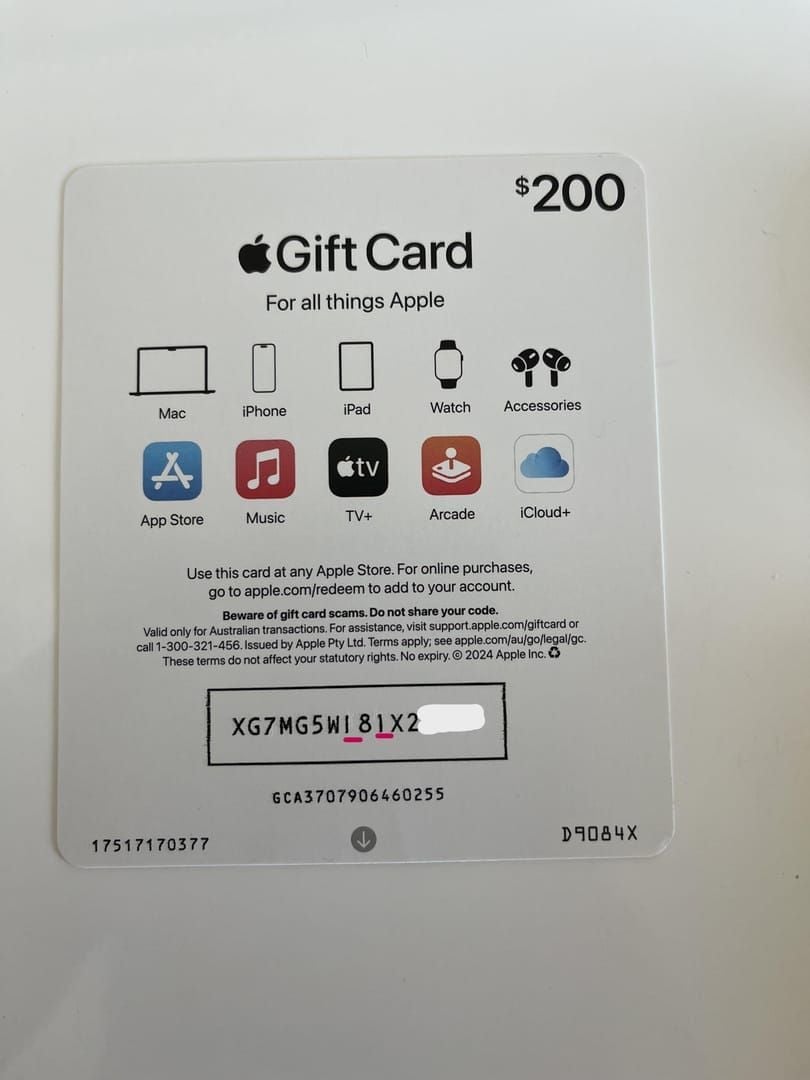
Request cards from behind the counter, not open retail racks. Open rack cards are the highest-risk purchase you can make. Thieves pre-scratch the PIN area, photograph the code, reseal the packaging, and return the card to the shelf. Once you activate it, they drain it — often within 10 to 30 minutes.
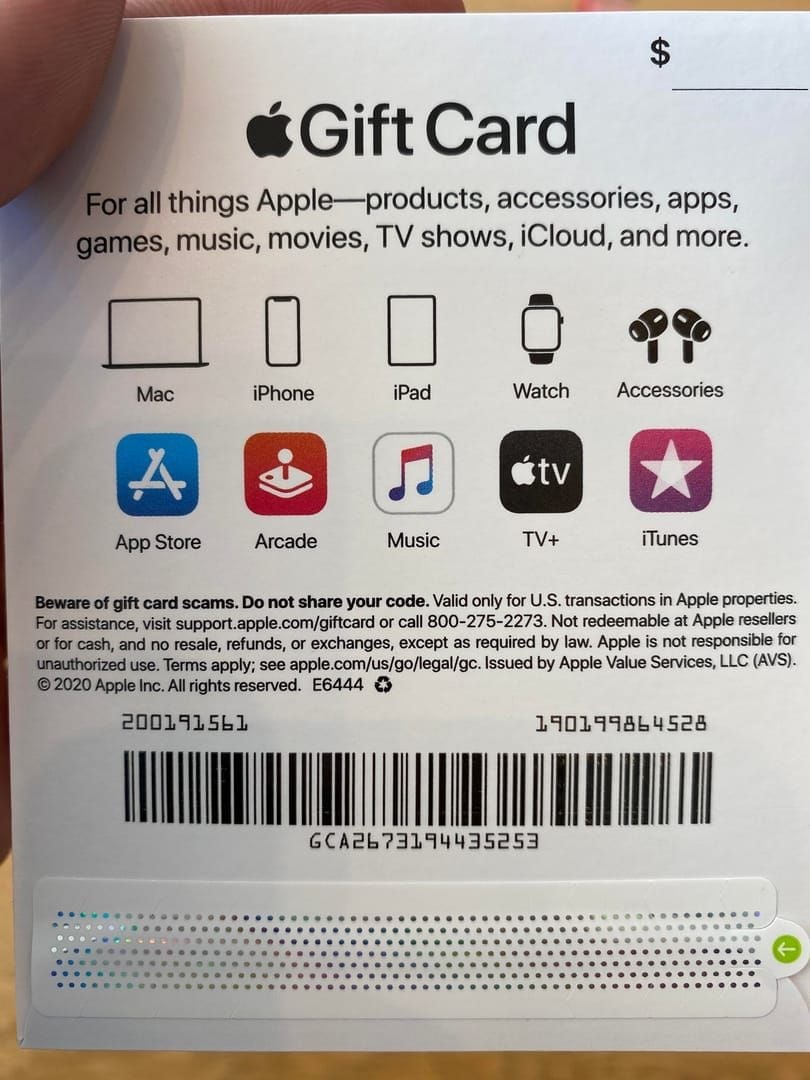
Check the PIN sticker for tears, bubbling, or signs of re-adhesion. A legitimate card has a clean, flat, undisturbed sticker.
Verify the serial number on the card matches the envelope or packaging. Mismatches have been reported specifically at Safeway and CVS locations.
Photograph the front, back, and receipt before redeeming. Essential if you need to file a claim later.
#3: Buy Only From Authorized Sources
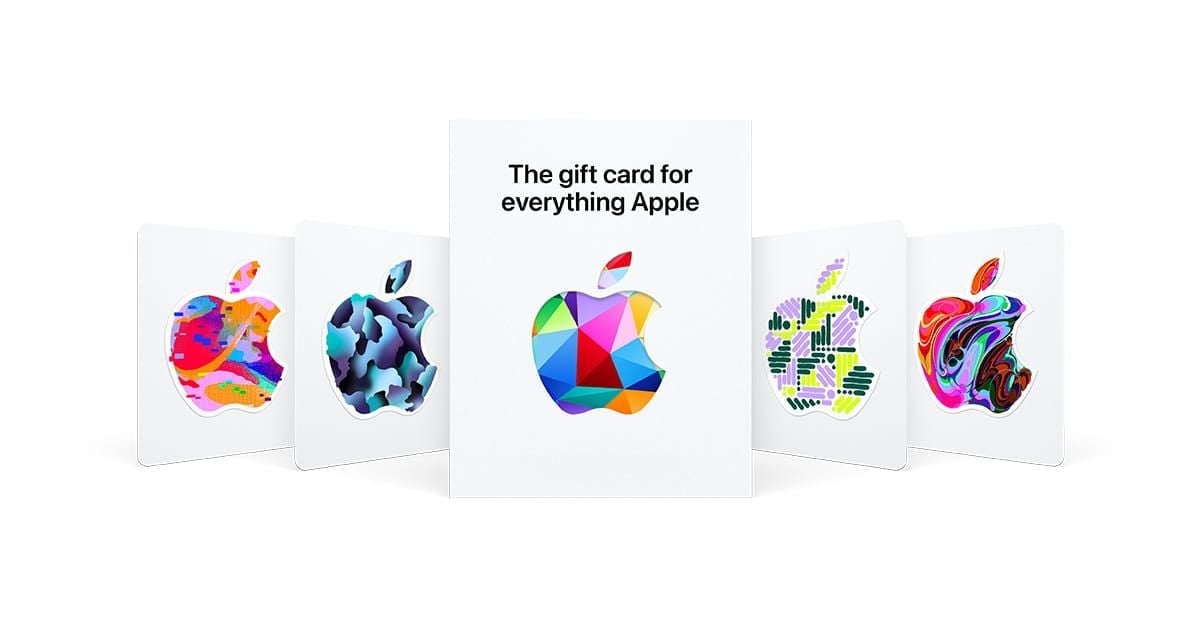
The safest physical purchase is directly from an Apple Store or a locked retail display case. For digital delivery, buying through Apple's official channels eliminates retail tampering risk entirely — there's no physical card to pre-scratch.
For a reliable online option, you can buy Apple Gift Card online instant delivery through a verified platform that delivers codes directly to your account — no shelf exposure, no PIN sticker risk.
#4: Redeem Immediately After Purchase
Don't store unused codes in email, texts, or screenshots. Scammers who access your device can harvest unredeemed codes. Redeem the card immediately, then verify the balance through Settings > [Your Name] > Payment & Shipping, the App Store profile page, or the Wallet app.
One community-observed caution: don't check the balance on a new physical card before redeeming it. Some balance-checking apps can scan and capture the code during that process. Redeem first, verify after.
#5: Secure Your Apple ID With Two-Factor Authentication
![Apple device interface: Settings > [Your Name] > Password & Security > Two-Factor Authentication for securing Apple Gift Card (US) balance](https://pic.bittopup.com/bitnews/1773805477054.jpg)
Stealing a redemption code is one attack vector. Compromising your Apple ID after redemption is another — and most guides ignore this second threat entirely. Once your balance is in your account, a compromised Apple ID lets a scammer spend it without ever needing the original card.
Enable 2FA: Settings > [Your Name] > Password & Security > Two-Factor Authentication. This single step blocks the vast majority of account-level balance theft.
#6: Never Share Your PIN or Code
The moment you read a code aloud, type it into a chat, or send a screenshot, the funds can be gone before you finish the sentence. Community reports confirm balances are spent instantly — before victims have time to report.
Also watch for character confusion when entering codes manually. Official guidance flags these common misread pairs: B/8, D/O, E/3, G/6, O/Q/0, S/5, U/V, and Z/2. Scammers sometimes provide fake codes that look valid but fail, then ask you to try another card.
#7: Verify All Apple Communications Through Official Channels
Phishing emails impersonating Apple are sophisticated in 2026. Before acting on any email involving your gift card balance, account security, or a required payment — go directly to support.apple.com in a new browser window. Don't click links in the email.
Apple's genuine support number is 800-275-2273. Say gift cards when prompted and you'll be routed to the right team.
How to Spot a Tampered Physical Card
This isn't opportunistic fraud — it's organized.
A bad actor visits a retail location, removes Apple Gift Cards from the open rack, photographs or records the card number and PIN (sometimes using an app that reads through the scratch-off coating), reseals the packaging with a heat gun or replacement sticker, and returns the cards to the shelf. When a legitimate customer activates the card, the fraudster's monitoring system alerts them. Balance drained within 10 to 30 minutes.
Target and Walmart cards have been specifically reported in community forums as frequent targets. If you receive an activation-failed or zero-balance card despite intact-looking packaging, return to the retailer with your receipt and request a replacement. The retailer — not Apple — is responsible for drained cards sold from their shelves.
Legitimate Apple Gift Card Identifiers
Digital Cards: The Lower-Risk Format
Digital Apple Gift Cards bypass every physical tampering risk. The code is generated at purchase and delivered directly — no shelf time, no PIN sticker, no serial number mismatch. For users who regularly recharge Apple Wallet gift card balance for apps, subscriptions, or in-game purchases, digital delivery is the safer format by a significant margin.
If You've Already Been Scammed: Exact Steps
Speed matters. Recovery is possible within hours — but it's not guaranteed.
Step 1 — Stop immediately. Don't share additional codes. Scammers often claim the first card didn't work to extract a second one. Stop at the first card.
Step 2 — Call Apple Support at 800-275-2273. Say gift cards. Request a balance freeze and ask about a refund if funds remain unspent. Have your receipt and card details ready. Acting within the first few hours gives you the best chance — once funds are fully converted, recovery becomes extremely unlikely.
Step 3 — File a report at ReportFraud.ftc.gov. Include photos of the card front and back, plus your receipt. The FTC uses these reports to identify fraud patterns and coordinate with retailers and payment processors.
Step 4 — Contact your bank or credit card issuer if you paid for the gift card by credit card. Chargebacks are possible for tampered cards — one concrete reason to always pay with credit over cash or debit.
Step 5 — Report to your state attorney general and, for significant losses, to the FBI's Internet Crime Complaint Center at ic3.gov.
Honest Assessment: Will Apple Actually Recover Your Funds?
Recovery is possible but not guaranteed, and the window is narrow. Apple can attempt a balance freeze if contacted quickly. Community reports conflict — some users report partial refunds when acting within hours; others report nothing even after immediate reporting. Once funds are converted through crypto, reversal is effectively impossible. Don't count on recovery. Count on prevention.
Protecting Your Apple ID After Every Recharge
Redeeming safely is only half the equation. Your Apple ID is the second attack surface.
Two-Factor Authentication is non-negotiable: Settings > [Your Name] > Password & Security > Two-Factor Authentication. With 2FA active, a scammer with your password still can't access your balance without physical access to your trusted device.
Review your signed-in devices regularly at Settings > [Your Name] — scroll down to see every device. Remove anything unrecognized. Scammers sometimes add a device to maintain persistent access even after a password change.
Family Sharing doesn't share balance. Family Sharing members cannot access the account owner's Apple Account balance — each member's balance is separate. Relevant for parents setting up gift cards for children.
If your balance isn't updating after redemption: sign out and back into the App Store and iTunes on all devices. Known sync issue, not fraud — but worth confirming.
Pre-Recharge Checklist
Before every recharge:
Buying from an Apple Store, locked retail display, or verified digital source?
If physical: PIN sticker, serial number, and packaging integrity checked?
Paying with a credit card for chargeback protection?
Card front, back, and receipt photographed before redeeming?
Apple ID protected with two-factor authentication?
Redeeming immediately rather than storing the code?
Balance verified in account after redemption?
Apple Gift Cards are valid only for App Store purchases, Apple Music, iCloud+, Apple TV+, and iTunes. They cannot be used for bills, taxes, or debt payments. Any scenario requiring gift cards for those purposes is a scam, full stop.
Frequently Asked Questions
Does Apple ever ask for payment via gift cards? Never. No Apple service, support representative, or official communication will request gift card codes as payment — for anything. A gift card payment request from someone claiming to be Apple is a scam.
Are digital Apple Gift Cards safer than physical ones? Yes, meaningfully so. Digital cards eliminate the retail shelf tampering vector entirely. The code is generated at purchase and delivered directly — no physical card to pre-scratch, photograph, and reseal. Digital delivery is the recommended format for regular users.
How quickly do scammers drain balances? Community reports consistently document drainage within 10 to 30 minutes of activation for pre-tampered physical cards. For social engineering scams where the victim reads the code aloud, funds can be spent within seconds. Prevention is far more reliable than recovery.
Can you get money back after a scam? Possibly, if you act within hours. Call Apple Support at 800-275-2273 immediately and request a balance freeze. Not guaranteed — once funds are fully redeemed and converted through crypto, reversal is effectively impossible. Credit card chargebacks offer an additional recovery path if you paid by credit.
How do I report to the FTC? Go to ReportFraud.ftc.gov, select Gift Cards as the payment method, and include scammer contact details, the amount lost, and photos of the card and receipt.
What's the most common mistake after being scammed? Waiting. Every hour reduces recovery probability significantly. The second most common mistake: sending a second or third card because the scammer claims the first didn't go through. Stop at the first card. Call Apple immediately.
The $212 million lost to Apple Gift Card fraud in 2026 isn't abstract — it's thousands of individual transactions that each started with someone who didn't yet know what to look for. The scam types are predictable. The red flags are consistent. And the protection methods are straightforward once you know them. Run the checklist, lock down your Apple ID with 2FA, and remember: any payment demand in gift cards is a scam, regardless of how official it sounds.