

Master Mobile Legends solo queue with 12 expert-tested strategies covering ranking mechanics, meta hero selection, draft optimization, and macro gameplay for climbing from Epic to Mythic rank efficiently in 2025.
Understanding Mobile Legends Ranking System in 2025
Let's be honest—if you're still confused about how ML's ranking system actually works, you're not alone. I've seen countless players grinding without understanding the fundamentals, which is like trying to build a house without knowing what a foundation is.
Rank Tiers and Point System
Here's the breakdown: Mobile Legends runs seven main ranks, starting with Warrior (3 divisions, 0-3 stars each) and climbing through Elite (3 divisions, 0-4 stars), Master (4 divisions, 0-4 stars), Grandmaster (5 divisions, 0-5 stars), Epic (5 divisions, 0-5 stars), Legend (5 divisions, 0-5 stars), and finally Mythic (0-24 stars). But wait—there's more. Mythic expands into Mythical Honor at 25 stars, Mythical Glory at 50 stars, and Mythical Immortal at 100+ stars.
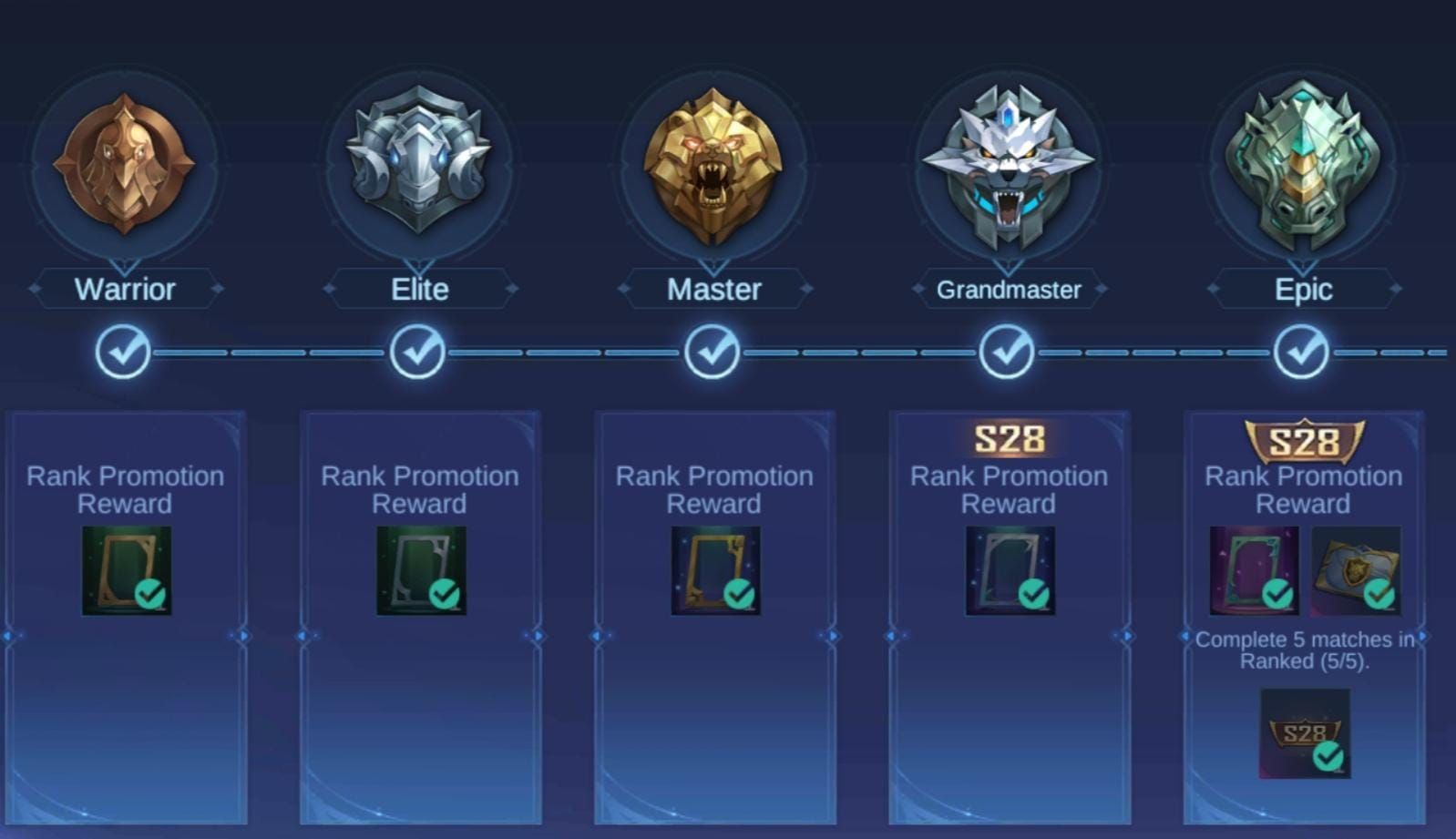
The real game begins at Epic V. That's when Draft Pick unlocks, and suddenly you're not just picking whatever hero looks cool—you're playing chess with champion select. Each win typically grants 1+ stars based on your performance metrics, and here's a pro tip: MVP achievements provide bonus progression that can seriously accelerate your climb.
Star Protection and MMR
Rank Protection Cards are your safety net—they provide 7-day shields against demotion at tier boundaries. Mythic players get the VIP treatment with 2x protection cards plus 1x MVP Star Protection. Star-raising points? They're your guaranteed ticket to +1 star progression when you hit 100% accumulation.
Now here's where it gets interesting (and sometimes frustrating): the matchmaking system uses hidden MMR values to balance teams. This explains why you'll sometimes see Legends paired with Epics—the system's trying to create fair matches based on actual skill, not just visible rank. Keep your Credit Score above 90, or you'll be locked out of ranked entirely.
For diamond purchases to enhance your climbing journey, mobile legends instant diamond reload malaysia through BitTopup offers competitive pricing and instant delivery with secure payment processing.
Essential Mindset for Solo Queue Success
Mental Preparation and Tilt Management
This might sound harsh, but here's the truth: treat each match as your personal performance evaluation, not a team project. I've watched too many skilled players plateau because they're focused on what their teammates are doing wrong instead of optimizing their own gameplay.
Focus on KDA optimization, objective participation, and decision-making quality. Professional players maintain composure during adverse situations—they view losses as data points, not personal failures. Mute toxic teammates immediately. Seriously. Your mental bandwidth is precious; don't waste it on keyboard warriors.
Take breaks after consecutive losses. Your brain needs time to reset, and playing tilted is like driving with foggy windows—you're going to crash eventually.
The key? Reduce your reliance on teammates by mastering self-sufficient heroes across multiple roles. Practice 2-3 heroes per position for draft flexibility. This ensures consistent performance regardless of whether your team coordinates like a pro squad or plays like they're all using different apps.
Hero Selection and Meta Analysis
Top Solo Carry Heroes by Role
Let's talk numbers—because in 2025, the meta isn't just about what feels strong; it's about what actually wins games.
S-Tier Junglers: Hayabusa dominates with a 51.47% win rate despite an 82.65% ban rate.

Why the high ban rate? His Quad Shadow provides unmatched mobility near walls and jungle paths, making him nearly impossible to pin down. Suyou's sitting pretty at 52.26% win rate with dual-form versatility—Soul Sever for low-HP executions and Evil Queller for repositioning when things get messy.
S-Tier EXP Lane Fighters: Lukas excels with gap-closing stuns and high damage output for sidelane dominance. Phoveus is your answer to dash-heavy heroes like Joy, Fanny, and Ling—his ultimate mechanics literally punish mobility. Badang? He delivers one-shot potential against squishies and turrets through wall-fist combinations that'll make enemies question their life choices.
S-Tier Gold Lane Marksmen: Granger maintains a solid 45.49% win rate with early-game activity, utilizing Death Sonata ultimate for burst damage that catches people off guard. Karrie shreds tanks through true damage passive—pair her with Golden Staff and Demon Hunter Sword for maximum effectiveness. Melissa zones effectively with her doll ultimate against dive compositions.
Counter-Pick and Flex Strategies
Study enemy compositions during draft like you're preparing for an exam. Phoveus specifically counters mobility-heavy lineups through his reduced cooldown ultimate punishment. But even Hayabusa has his kryptonite—he struggles against Aamon, Nolan, Zhuxin, and Xavier due to their burst and CC capabilities.
Build deep hero pools. I'm talking 3-5 champions per role to resist ban targeting and maintain draft flexibility. It's the difference between being a one-trick pony and being genuinely dangerous in champion select.
For comprehensive hero unlocking, mlbb promo diamonds MY through BitTopup provides cost-effective solutions with 24/7 customer support.
Draft Phase Optimization
Pick Order and Ban Strategy
Teams ban 10 heroes total before selections begin—use this phase wisely. Prioritize securing high-priority junglers or mages early, as these roles significantly impact game flow. First-pick advantages include securing S-tier heroes before enemy bans target them.

Here's a strategy most players miss: target enemy comfort heroes based on their recent match history, then focus on overpowered meta champions. Hayabusa's 82.65% ban rate and Fanny's 88.23% ban rate reflect their game-changing potential—there's a reason these heroes disappear in draft.
Ensure balanced damage types (physical/magical), crowd control availability, and frontline presence. Successful compositions feature initiation tools, damage dealers, and utility support. Coordinate ultimate synergies—Tigreal's Implosion enabling devastating follow-up from area damage dealers is a thing of beauty when executed properly.
Early Game Domination Techniques
Laning and Jungle Control
Maximize gold and experience through skill-based wave clearing. Soak 70% experience by maintaining proximity to minions—melee minions give roughly 40 XP, caster minions about 50 XP. Focus on last-hitting for optimal gold accumulation (around 200 gold per wave) while monitoring your minimap every 3-5 seconds.
Push waves under enemy turrets to create gank vulnerability windows, but always maintain escape route awareness. Getting that extra farm isn't worth feeding the enemy team.
Track enemy jungler starting paths to predict rotation patterns and invasion opportunities. Secure jungle camps worth 50-150 gold each, prioritizing red buff for marksmen and blue buff for mana-dependent heroes. Coordinate with teammates for safe invasions using vision control—avoid enemy collapses at all costs.
Mid Game Macro Play
Objective Control and Rotations
Secure Turtle objectives for that sweet ~200 XP and gold per team member by coordinating when enemies are eliminated. Epic Monsters provide substantial team-wide benefits—roughly 200 XP per member, which adds up fast.

Execute rotations based on wave states and enemy positions. After securing tower kills (~150 gold for outer turrets), immediately rotate to assist other lanes or contest neutral objectives. This is where games are won or lost—not in flashy 1v1 duels, but in smart macro decisions.
Place wards at jungle entrances, river crossings, and objective zones to track enemy movements. Check your minimap every 5-10 seconds for missing enemy indicators. Maintain vision control around major objectives before contest windows open—going in blind is asking for trouble.
Late Game Decision Making
Team Fight and Closing Strategies
Prioritize backline positioning for damage dealers while ensuring frontline presence. Execute fights with proper target prioritization: eliminate enemy carries before focusing tanks. It sounds obvious, but you'd be surprised how many players tunnel vision on the nearest target.
Evaluate your team composition strengths to determine optimal strategies. Heroes like Badang excel at split-pushing through rapid turret destruction, forcing enemy responses that create 4v5 advantages elsewhere on the map.
Prioritize Lord objectives for enhanced pushing power during late-game scenarios. Execute decisive engagements when holding gold/experience advantages—avoid prolonged games that allow enemy scaling opportunities. Close games efficiently through coordinated pushes rather than extended farming phases.
Communication and Performance Tracking
Effective Communication and Improvement
Master ping communication for missing enemies, engagement opportunities, and objective priorities. Use Missing pings when enemies leave vision—it enables teammate preparation for potential ganks and can save lives.
Adapt your leadership style to teammate personalities while maintaining a positive communication tone. Some players respond to direct calls, others need encouragement.
Track KDA ratios, damage output, and objective participation across multiple matches to identify improvement areas. Monitor win rates with specific heroes to determine climbing effectiveness. Review personal replays to identify missed opportunities, poor timing decisions, and mechanical errors.
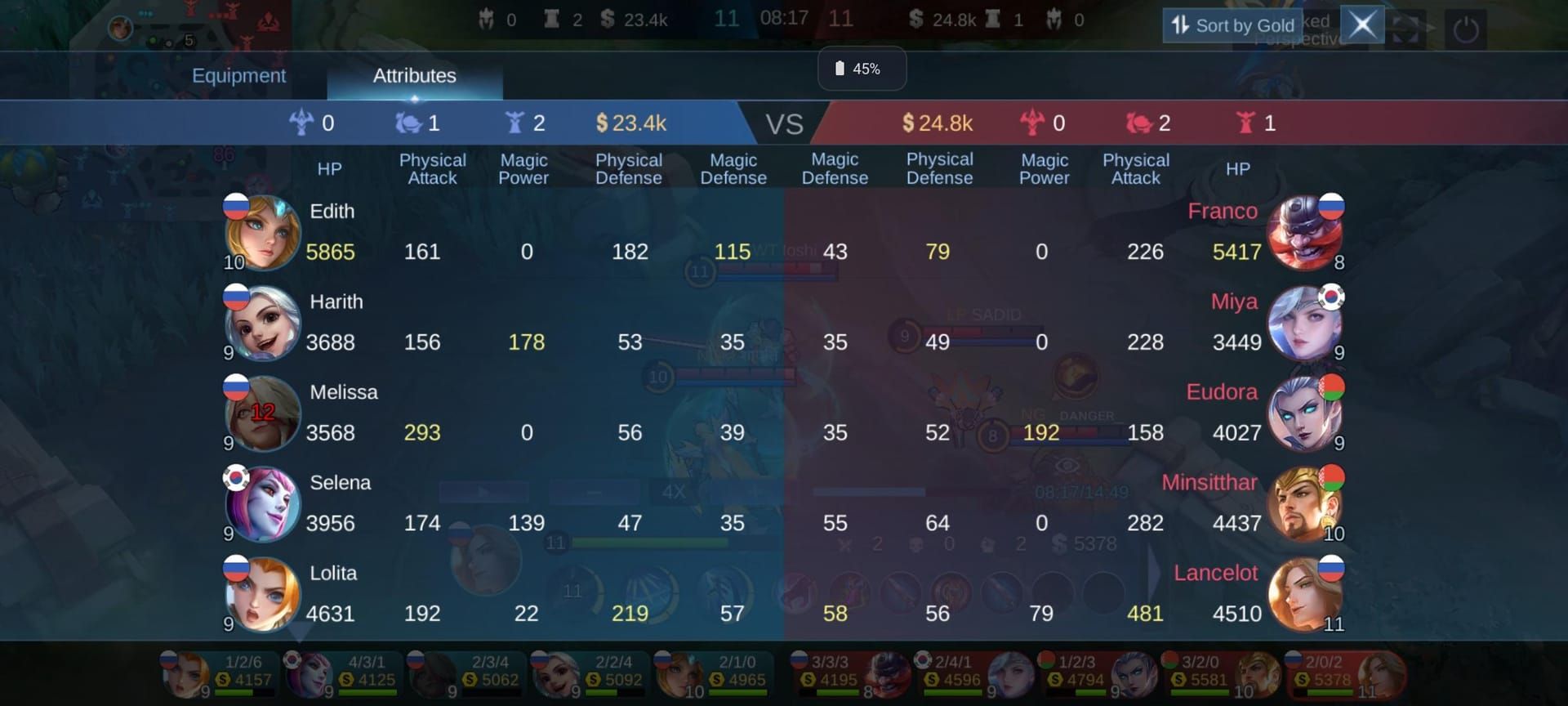
Practice heroes with varying skill requirements: 2-4 games for three-skill heroes, 5-10 games for complex champions. There's no substitute for hands-on experience.
FAQ
How long does it take to reach Mythic solo queue? Expect 100-200 matches depending on your current rank and win rate. Players starting from Epic with 60%+ win rates can achieve Mythic within 2-3 weeks of consistent play—emphasis on consistent.
What are the best heroes for solo queue climbing? S-tier heroes include Hayabusa (jungle), Lukas (EXP lane), Granger (gold lane), Hylos (tank), and Mathilda (support). These offer self-sufficiency, escape mechanisms, and carry potential without relying heavily on team coordination.
How does the ranking system work? It uses stars for progression through Warrior to Legend ranks, then switches to points for Mythic tiers. Each win grants 1+ stars based on performance, while MMR determines matchmaking quality behind the scenes.
What's the difference between Mythic tiers? Mythic spans 0-24 stars, Mythical Honor covers 25-49 stars, Mythical Glory ranges from 50-99 stars, and Mythical Immortal begins at 100+ stars. Each tier represents increasingly elite gameplay.
How do I avoid losing stars in ranked? Use Rank Protection Cards strategically, maintain positive KDA ratios for performance bonuses, focus on objective control over kills, and master 2-3 heroes per role for consistency.
What role is best for solo climbing? Jungle and EXP lane roles offer the highest solo carry potential through map impact and scaling advantages while maintaining independence from team coordination. You control your own destiny more than in other roles.