

The M1A4 Battle Tank dominates Delta Force Hawk Ops as a Tier S heavy combat vehicle, but knowing its critical weak spots turns invincible armor into vulnerable targets. This guide reveals precise hit zones: engine compartments causing 30-50% mobility loss, turret vulnerabilities disabling rotation, and track damage for complete immobilization. Master anti-vehicle tactics using Vyron Magnet Bombs and Shepard/Uluru AT4 Launchers to destroy armored threats and unlock Armor Buster achievements.
Understanding M1A4 Tank Armor Layout
The M1A4 requires strategic targeting, not brute force. Enemy vehicles show red outlines; friendlies display green/blue markers. The mini-map marks hostile armor with red indicators before visual contact.
Damage operates through modular destruction—engine, turret, and tracks maintain independent integrity values. Targeting specific modules creates cascading advantages beyond raw damage.
For premium operators and anti-armor loadouts, Delta Force Hawk Ops recharge through BitTopup ensures immediate access.
Armor Thickness: Front, Side, and Rear Values
Frontal armor deflects most anti-vehicle munitions. Side armor presents moderate resistance, vulnerable to flanking. Rear sections offer minimal protection, prioritizing engine access over defense.
Effective thickness varies by engagement angle. 90-degree perpendicular impacts maximize penetration; oblique angles increase effective thickness. Experienced commanders angle hulls deliberately, forcing disadvantageous shooting positions.
M1A4 Damage Model: HP Pools and Module Health
Module damage effects:
Engine: 30-50% mobility reduction
Turret: Disables rotation, eliminates multi-threat engagement
Tracks: Complete immobilization
Engineers repair vehicles at 25-40% restoration over 10-15 seconds. Interrupt repairs through sustained pressure. Vehicles spawn at 5000 point thresholds.
Why Armor Angles Matter
A 60-degree angle effectively doubles armor thickness against projectiles. Skilled operators constantly adjust positioning, presenting angled surfaces instead of flat targets.
Wait for movement transitions, coordinate multi-directional attacks, or force tanks into terrain constraints for perpendicular shots. Patience beats aggressive ammunition waste.
Critical Weak Spot #1: Engine Compartment
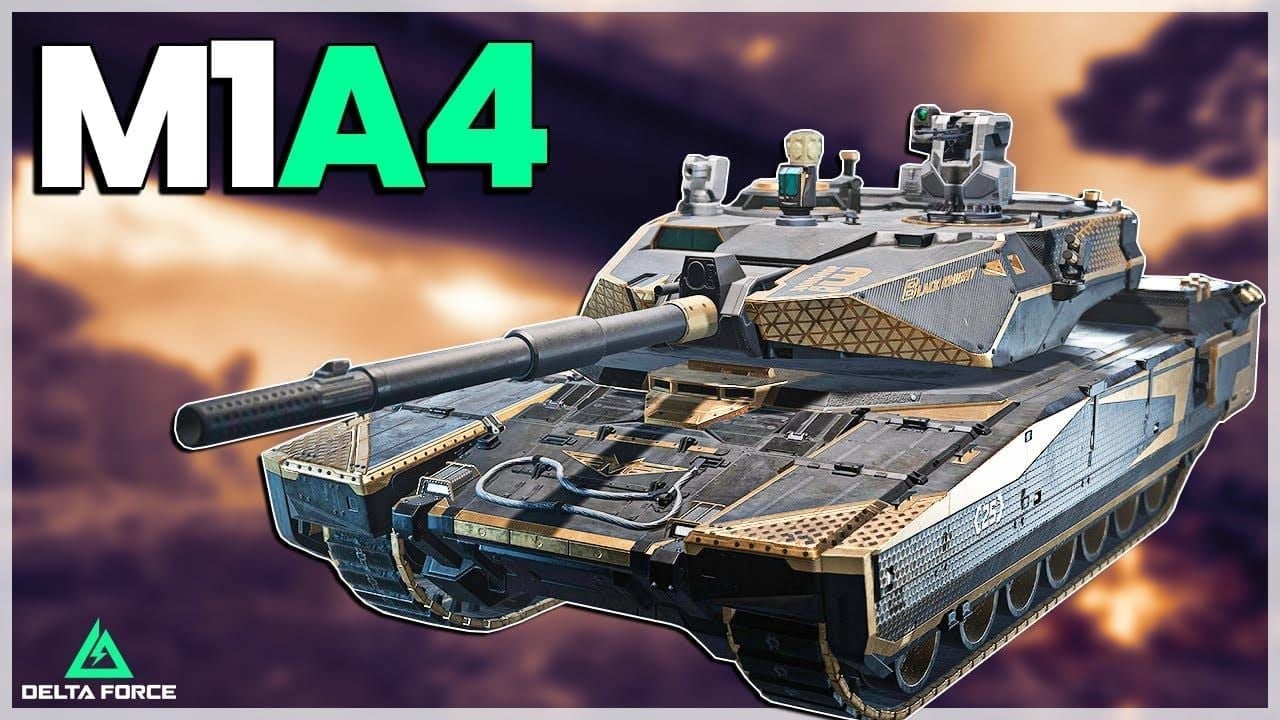
The rear engine compartment has minimal armor. Engine damage reduces mobility 30-50%, compromising tactical flexibility and escape capability.
Successful hits trigger smoke emissions and reduced speed. Engine fires create damage-over-time effects, potentially destroying vehicles without additional shots if crews can't repair.
Optimal Positioning for Rear Attacks
Urban environments offer building cover for flanking. Open terrain requires coordinated distraction—one teammate engages frontally while flankers target the engine.
Vehicles unlock via objectives and control points. Anticipate tank spawns at bases and capture zones for pre-positioned rear attacks.
Weapons for Engine Destruction
Shepard/Uluru AT4 Launcher sequence:
Identify enemy vehicles (red outlines)
Press 4 to equip AT4
Hold Mouse 2 to aim at engine
Press Mouse 1 to fire
Escape immediately
Uluru's loitering missiles deal 30 armor damage per strike—fire-and-forget convenience.
Vyron Magnet Bomb deployment:
Hold W+Shift to approach
Hold G to aim Magnet Bomb
Release G to launch
Execute immediate escape
Higher risk but devastating close-range damage.
Critical Weak Spot #2: Turret Assembly
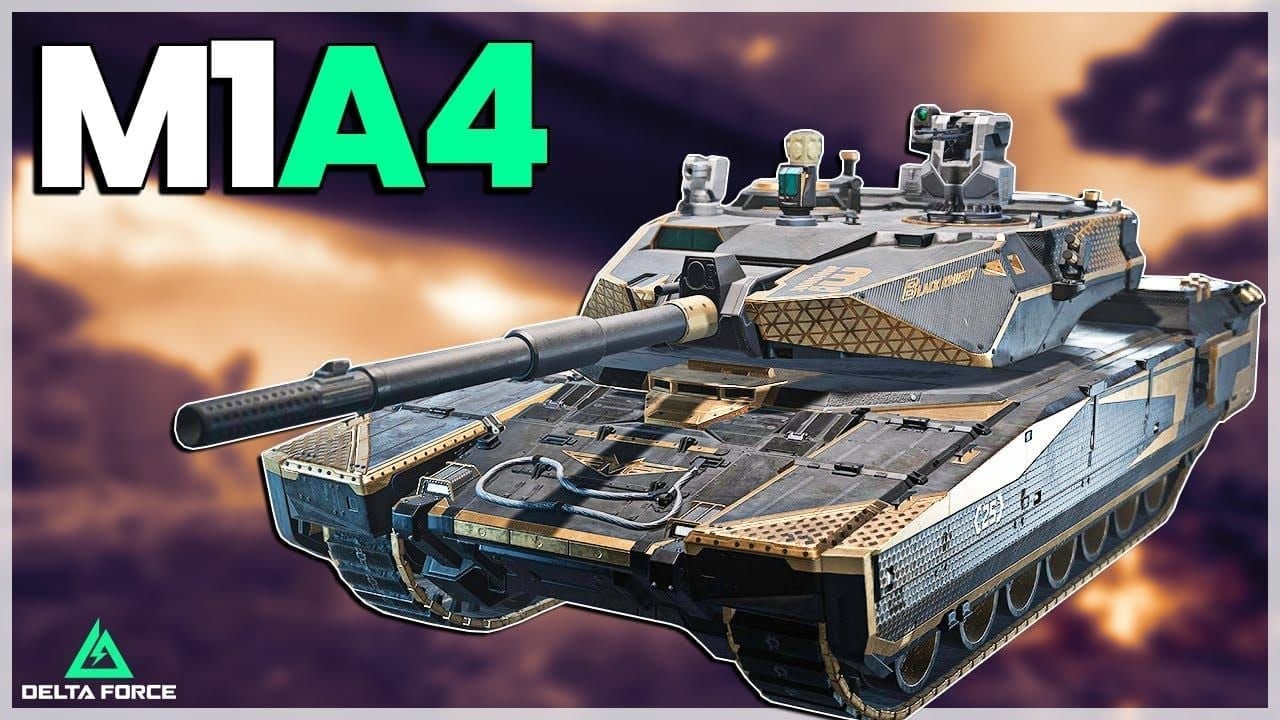
Turret damage disables rotation, eliminating offensive function. A tank unable to aim becomes a stationary obstacle, not an active threat.
Side approaches offer optimal turret targeting, balancing accessibility with reduced frontal armor exposure. Elevated positions provide downward angles bypassing side skirt protection.
Visual Identification
Turret features: main cannon barrel, commander cupola, rotation ring. Damaged turrets show reduced rotation speed before complete failure—exploit these windows before Engineer repairs restore functionality.
Weapon Recommendations
AT4 Launchers provide accuracy at 100-300m, balancing projectile travel time with precision. Closer ranges increase hit probability but expose attackers to secondary weapons.
Javelin and Stinger AT weapons offer alternatives. Choose based on engagement distance, cover, and team coordination.
Critical Weak Spot #3: Track Systems
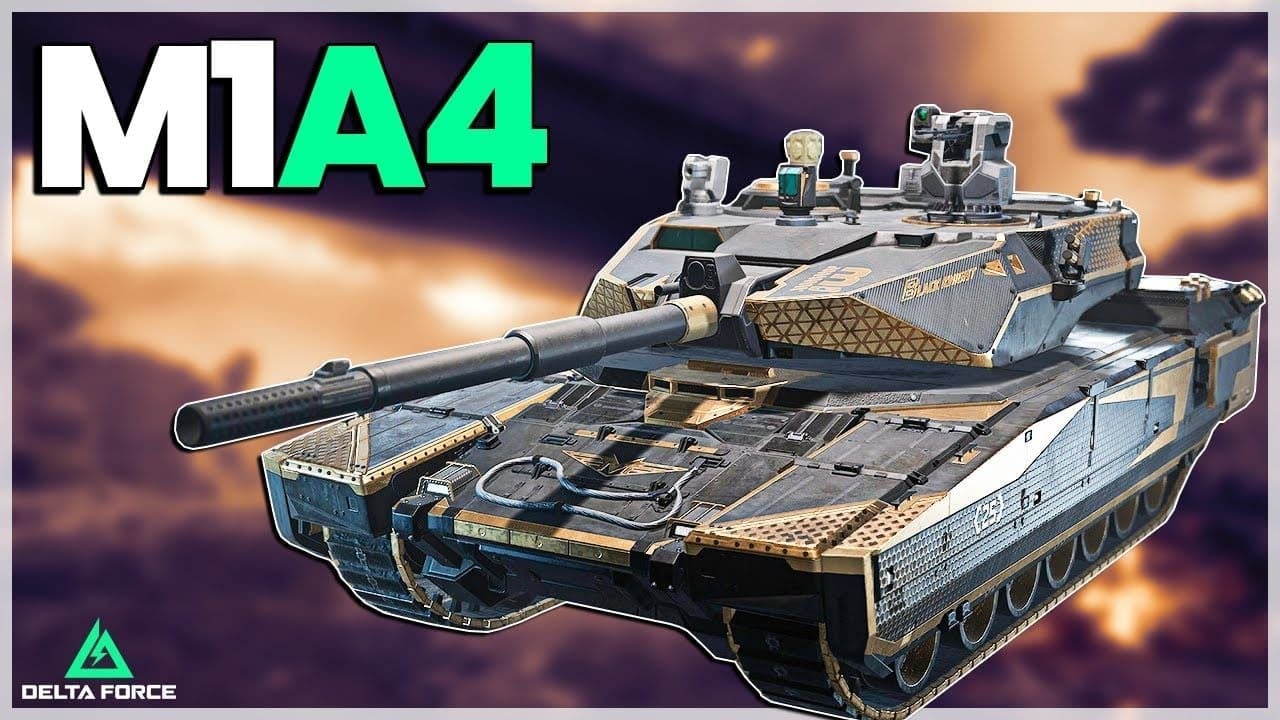
Track destruction immobilizes M1A4s completely—no movement capability. Immobilized tanks can't retreat, reposition, or escape coordinated assaults.
Effective in objective modes where preventing repositioning secures advantages. An immobilized tank blocking chokepoints becomes a liability.
Targeting Methodology
Tracks run along both lower hull sides. Shoot sections closest to drive wheels for maximum damage. Multiple hits may be required.
Coordinated team fire on opposite sides prevents single-side repairs while maintaining partial mobility.
Tactical Applications
Urban: Immobilized tanks in narrow streets create obstacles for enemy reinforcements while providing friendly cover.
Open terrain: Requires follow-up attacks since immobilized tanks retain full turret functionality and long-range capability.
Defensive: Pre-positioned operators target approaching vehicles, immobilizing them outside support range.
Weapon Selection Guide
Operator capabilities:
Shepard/Uluru: AT4 Launcher in slot 4, reliable penetration
Vyron: Magnet Bomb for close-quarters urban environments
AT4 demands clear sightlines and predictive aiming. Magnet Bombs need close approach routes using cover and distraction.
Best Anti-Tank Launchers
AT4 provides consistent performance. Uluru's loitering missiles: 30 armor damage, fire-and-forget, immediate cover-seeking after launch.
Javelin and Stinger AT supplement primary capabilities. Select based on map terrain, engagement distances, team composition.
C4 Placement Strategy
Approach stationary/distracted tanks with patience. Place explosives on engine compartments or tracks for maximum module damage.
Coordinate with distracting teammates, use smoke cover, or exploit moments when crews focus on distant threats. Successful execution often requires multiple attempts.
Engineer Counter-Tactics
While Engineers repair at 25-40% over 10-15 seconds, interrupt enemy repairs through sustained pressure. Target Engineers supporting enemy tanks to eliminate sustainability.
Include backup weapons for self-defense. Tank crews often dismount to engage infantry directly.
Tactical Approach: Angle and Distance
Perpendicular 90-degree impacts maximize penetration by minimizing effective thickness. Oblique angles reduce penetration potential.
Anticipate tank routes for pre-positioning along perpendicular vectors. Reactive positioning after detection often results in disadvantageous angles.
Optimal Range: 100-300m Sweet Spot
This distance balances accuracy with reaction time. Closer increases hit probability but reduces escape time. Beyond 300m introduces projectile drop and travel time.
AT4 Launchers maintain flat trajectories within this envelope, simplifying aim calculations.
Cover Usage
Hard cover provides reload protection between shots. Expose only during firing windows. Alternate positions to prevent crews from pre-aiming common locations.
Soft cover (vegetation) provides concealment without ballistic protection. Use for approach concealment, transition to hard cover before engagement.
Team Coordination
Frontal distractions draw turret attention while flankers target engines and tracks. Communication timing ensures simultaneous strikes overwhelming repair capabilities.
Assign specific operators to mobility denial while others target turrets. Division of labor ensures comprehensive module damage.
Advanced Combat Scenarios
Urban Environments
Buildings provide elevated positions for downward attacks bypassing side skirts. Narrow streets limit maneuverability, creating predictable movement patterns.
Fire from one window, relocate internally, engage from different position. Unpredictability prevents suppression of specific locations.
Open Field Engagements
Prioritize mobility kills through track/engine damage, maintain distance while immobilized tank receives follow-up strikes.
Hills and ridges provide defilade positions with minimal exposure while maintaining firing angles.
Infantry Survival Tips
Without anti-vehicle equipment, survival depends on awareness and evasion. Red outlines and mini-map markers provide early warning.
Smoke grenades create temporary concealment. Deploy between your position and tank, move perpendicular to expected firing line.
Countering Experienced Drivers
Skilled operators constantly angle hulls. Force movement through objective pressure or multi-directional threats. Moving tanks can't maintain optimal angling.
Alternatively, target weak spots regardless of angle. Engines and tracks remain vulnerable even when angled.
Common Mistakes
Shooting Reactive Armor Blocks
Reactive armor detonates on impact, dissipating energy before reaching primary armor. Identify placement through visual inspection, aim for gaps or unprotected sections.
Each wasted AT4 shot represents lost destruction potential.
Frontal Assault Errors
Frontal armor withstands direct assaults. Operators engaging frontally waste ammunition and reveal locations without meaningful damage.
Solo operators should prioritize flanking over frontal engagement.
Panic Shooting vs Aimed Targeting
Combat stress induces center mass panic shooting. Train in custom matches to develop weak spot muscle memory under pressure.
Deliberate aiming before firing improves first-shot accuracy, reducing ammunition expenditure and exposure time.
Ignoring Mobility Kills
Operators pursue complete destruction when mobility kills achieve objectives more efficiently. Immobilized tanks lose offensive capability in dynamic situations.
Defensive scenarios benefit from complete destruction; offensive pushes may only require temporary mobility denial.
Performance Tracking
Armor Buster achievement: destroy 2+ vehicles. Track damage per shot metrics—low damage suggests poor aim or unfavorable angles.
Vehicle kill efficiency compares destructions against ammunition expended. High efficiency indicates proper target selection and engagement discipline.
Practice Modes
Custom matches against stationary/AI vehicles develop weak spot muscle memory. Practice complete sequence: identification, approach, aiming, firing, escape.
Focus on specific weak spots individually before combining. Master engine targeting before progressing to turrets or tracks.
Unlock Premium Resources with BitTopup
Accelerate operator unlocks through top up Delta Force game credits via BitTopup for immediate anti-vehicle loadout access. Competitive pricing, fast delivery, secure transactions support extended practice without progression delays.
Absolute Tank achievement: kill 35+ enemies with tank operations. Understanding vehicle operation informs better counter-tactics.
FAQ
Where is the M1A4 engine located?
Rear section with minimal armor. Engine damage reduces mobility 30-50%. Visual confirmation: smoke emissions and reduced speed.
Can you immobilize with track damage?
Yes. Track damage completely immobilizes M1A4s. Target tracks along lower hull sides from perpendicular angles. Immobilized tanks can't retreat but retain turret functionality.
Most effective weapons against weak spots?
Shepard/Uluru AT4 Launchers (slot 4). Uluru's loitering missiles: 30 armor damage, fire-and-forget. Vyron Magnet Bomb for close-quarters. Javelin/Stinger AT supplement primary capabilities.
How long does Engineer repair take?
25-40% restoration over 10-15 seconds. Interrupt repairs through sustained pressure. Target Engineers to eliminate enemy tank sustainability.
Vehicle spawn point threshold?
5000 points. Vehicles unlock via objectives and map control. Respawns occur at bases and capture points.
Difference between turret and engine damage?
Turret damage disables rotation, eliminating aiming capability. Engine damage reduces mobility 30-50%, compromising flexibility and escape. Both create distinct tactical advantages.