

The invade-first jungle path targets enemy Blue Buff at 01:15 after your Red-Blue clear, creating 15-20% gold leads and level advantages. Success requires 00:25 warding, understanding buff spawn mechanics at 00:30, and calculated risks based on enemy tracking. This guide reveals proven techniques for stealing buffs safely, converting advantages into map dominance, and avoiding mistakes that turn aggression into feeding.
Understanding the Invade-First Strategy
Invade-first prioritizes enemy resource denial over personal farm. Target the enemy Azure Golem after securing your buffs, typically at 01:15 when you hit level 3 with both buffs active.
Jungle camps spawn at 00:30. Most junglers follow standardized paths leaving their second buff exposed between 01:00-01:30. Enemy laners focus on wave management, creating brief uncontested opportunities.
Stealing enemy Blue denies 20% cooldown reduction, 3% mana recovery per second, and 225 health restoration on kills—all lasting 70 seconds. For competitive edge, HOK Token Recharge through BitTopup ensures access to latest jungle heroes and skins.
What Is Invade-First?
Standard execution: secure Crimson Golem at 00:30, Azure Golem at 00:45, then path toward enemy territory at 01:15 when you hit level 3.
This differs from reactive counter-jungling. Invade-first proactively plans invasion before minions spawn, selecting paths designed to position you at enemy buffs during vulnerable windows. The 01:15-01:30 timeframe has 67% success rate.
Enemy junglers who lose their second buff face delayed power spikes, forcing defensive farming that surrenders map control.
Why Blue Buff Invades Are Game-Changing in S18
Blue Buff's 20% cooldown reduction enables ability-dependent junglers to clear faster and contest objectives effectively. The 3% mana recovery eliminates base recalls, maintaining map presence.
Buff camps yield 102 gold vs Fire Beak's 58 gold or Big Lizard's 54 gold. Stealing enemy buff while they take small camps creates 48-gold swings. Combined with experience differential, successful invades generate 15-20% gold leads translating to item advantages before first team fight.
S18 meta emphasizes early objective control—Tyrant spawns at 04:00. Junglers with level and gold leads secure Tyrant more reliably. River Sprites respawn every 60 seconds until 04:00, and controlling river after invades lets you monopolize these 126-gold opportunities.
Psychology of Aggressive Jungling in Solo Queue
Without voice comms, enemy teams struggle to respond quickly. The 2-3 second delay between spotting invaders and coordinating collapse provides time to secure buffs and escape.
Aggressive jungling forces reactive postures. Laners rotating to protect their jungler sacrifice minion waves and experience, creating advantages for your laners.
However, solo queue presents coordination challenges. Your laners may not recognize invasion timings or provide lane priority for safe escapes. Develop judgment to assess real-time support availability, abandoning invades when teammates are pushed under towers.
Pre-Invade Preparation
Preparation determines invade success more than mechanics. Before minions spawn, analyze team compositions. Strong early-game laners with wave clear and mobility—particularly mid laners—significantly increase invade safety.
Enemy composition reveals defensive capabilities. Teams with global ultimates, high-mobility assassins, or CC-heavy supports punish invades effectively. Scaling compositions with weak early games create ideal invade conditions.
Vision control begins at 00:25. Ward river entrances to Blue Buff to detect enemy starting positions. If you spot enemy jungler starting Blue, their Red is vulnerable at ~01:00. If they start Red, Blue becomes target at 01:15.
Analyzing Team Compositions
Team comp analysis starts during hero selection. Identify whether your laners have priority—can they push waves faster and rotate first? Mid laners with strong level 1-2 wave clear provide most reliable support.
Evaluate your jungler's dueling potential. Heroes reaching power spikes at level 3 excel at invade-first, while junglers requiring level 4 ultimates should avoid early confrontations. Wukong reaches level 3 after Red, Blue, and two small camps, clearing 15-20 seconds faster than standard paths.
Consider enemy jungler matchups. Junglers with weak early clear or poor dueling become prime targets. If enemy selected scaling jungler like Augran who prioritizes full clears to reach level 4 ultimate, their predictable pathing creates consistent opportunities.
Invade-Friendly vs Invade-Risky Matchups
Invade-friendly matchups feature clear power differentials. Early-game duelist vs farming jungler favors aggression. Your level 3 power spike against their incomplete clear creates windows where you win even without laner support.
Invade-risky matchups involve enemy junglers with superior early dueling or teams with fast rotation potential. Prince of Lanling's stealth-stun combo can turn invades into deaths. Enemy teams with teleport or global ultimates collapse faster than you escape.
Map-side matters. Invading Blue closest to enemy duo lane increases danger—two enemies rotate simultaneously. Blue near solo lane provides safer escapes through river corridors with multiple exits.
Essential Vision Control Points
Ward jungle entrances before 00:30 to track enemy starting positions. River entrance to Blue Buff is highest-priority, revealing enemy movement between lanes and jungle.

Position at 00:25 for 00:30 camp spawn. Request leashes from laners—hitting camps 1-2 times before backing to lane. Proper leashing accelerates clear by 3-5 seconds, creating tempo advantage for timely invades.
Maintain vision during invade by tracking minimap. Before committing, verify enemy laners are visible. Missing enemies represent primary danger—you can't predict positions or rotation timings without vision.
Reading Enemy Starting Positions
Enemy laner behavior at 00:20-00:30 reveals jungle starts. If duo lane arrives late or positions near jungle entrance, they're leashing, indicating bottom-side start. Solo laners delaying lane arrival signal top-side starts.
Skill usage provides clues. Laners using abilities on first wave likely didn't leash, suggesting jungler started opposite side. This lets you predict buff availability—if jungler started Red bottom-side, Blue top-side is vulnerable at 01:15.
Wave management confirms predictions. Enemy laners aggressively pushing first two waves create priority for jungle support, signaling invade awareness. Laners allowing waves to push toward them lack rotation potential, creating safer windows.
Step-by-Step Execution
Standard Red start: Crimson Golem at 00:30, Azure Golem at 00:45, invade at 01:15. This ensures level 3 with both buffs before entering enemy territory.

Crimson Golem applies 15% slow and deals 70-256 true damage to monsters, accelerating clear. Azure Golem's cooldown reduction enables more ability rotations during invade. Combined, these buffs provide combat stats to secure enemy buffs even if confronted.
After securing Blue at 00:45, path directly through river toward enemy Blue rather than clearing additional camps. Every second saved increases likelihood of arriving before enemy laners establish vision. For premium heroes, Honor of Kings Cheap Top Up via BitTopup provides cost-effective tokens with instant delivery.
Level 1 Invade Path
Level 1 invades are highest-risk, highest-reward. Entire team positions in enemy jungle before 00:30, contesting their starting buff directly.
Success depends on team comp advantages. If your team has stronger level 1 fighting—more CC, poke, or sustain—you force enemies away or secure kills. Even forcing enemy jungler to start second buff delays clear by 15-20 seconds.
Level 1 invades fail catastrophically when enemy teams have superior fighting or your team lacks coordination. Single death grants first blood gold and experience, negating potential advantage. In solo queue, avoid unless team explicitly signals cooperation.
Level 2 Invade Timing
Level 2 invades occur after securing first buff at 00:30 and immediately pathing to enemy territory. This catches enemy junglers mid-clear on first buff, creating confrontations where first arrival wins.
Works best with junglers having strong level 2 dueling. Heroes with gap closers and burst damage contest buffs even against laner support. Arrive before enemy completes buff to steal with Retribution or force them away.
Level 2 invades carry moderate risk. You sacrifice your second buff temporarily, and if invade fails, you fall behind in experience and gold. Only attempt when you have confirmed enemy starting positions and verified enemy laners lack rotation priority.
Optimal Skill Rotation
Skill rotation efficiency determines whether you secure buffs before reinforcements arrive. Save highest-damage ability for final 500 health, combining with Retribution for guaranteed secures.
Lam's optimal combo: Wavebreaker for initial damage, Space Split for area control, Death From Below combined with Retribution at threshold. This maximizes damage while maintaining escape options.
Retribution timing is critical. Wait until buff health drops below your Retribution damage plus one ability's damage, then execute combination. This prevents enemy junglers stealing with their Retribution.
Using Retribution Effectively
Retribution deals true damage based on level. Understanding damage values at each level allows calculating exact steal thresholds. At level 3, Retribution deals enough to secure buffs from ~450-500 health when combined with ability.
Position between buff and most likely enemy approach angle, allowing Retribution then immediate movement toward escape route. This minimizes time enemies have to interrupt.
If enemy junglers arrive simultaneously, Retribution duel becomes timing contest. Jungler who waits longer—allowing buff to drop to lowest health—wins secure. Waiting too long risks enemy using Retribution first. Develop judgment to recognize when losing timing battle and abandon attempt.
Hero Selection
Hero selection determines invade viability more than skill. Certain junglers possess kits designed for early aggression, while others require scaling time.
Early-game duelists with strong level 3 power spikes dominate invade scenarios. These heroes win direct confrontations, allowing buff contests even when discovered. Their mobility and burst enable quick secures and reliable escapes.
Scaling junglers requiring level 4 ultimates or multiple items should avoid invade-first. Feyd requires level 4 before becoming effective, making early invades counterproductive. These heroes benefit from efficient farming accelerating power spike timings.
Top Tier Invade Junglers in S18
Lam is premier invade-first jungler. His path—Crimson Golem, Azure Golem, enemy jungle invasion using ultimate at 01:15—combines fast clear with exceptional dueling. Ultimate provides damage and mobility, enabling aggressive plays with built-in escapes.
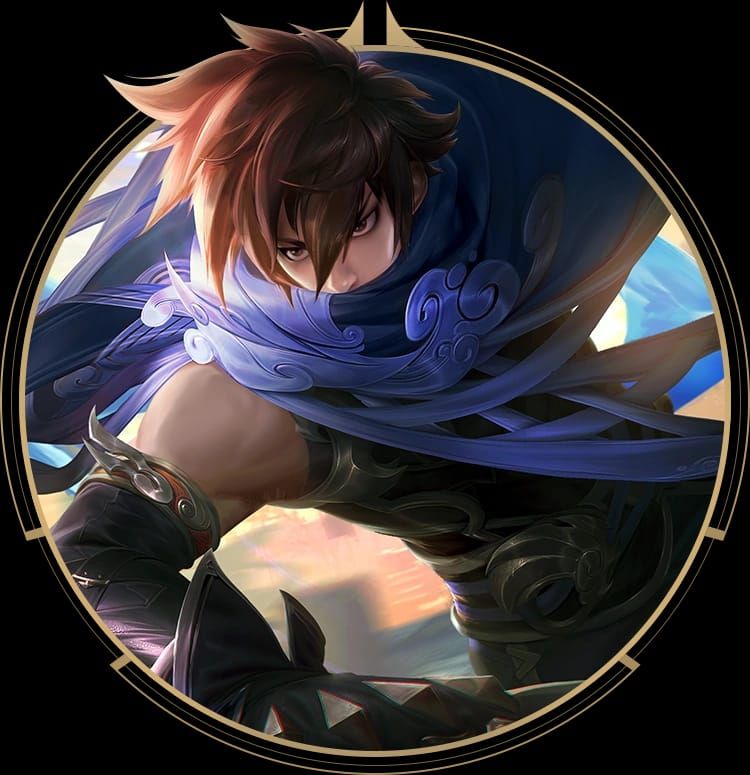
Wukong excels through clear speed. His path of Red, Blue, two small camps reaches level 3 for ganks 15-20 seconds faster. This tempo lets him invade enemy buffs before enemy junglers complete second rotation, often finding buffs undefended.
Prince of Lanling brings stealth-based invades bypassing vision. Skill 4 stealth into Skill 2 stun lets him approach undetected, secure buffs, and escape before reactions. This makes him effective in solo queue where vision control is inconsistent.
Early Game Duelists
Dian Wei's dueling makes him formidable in confrontations. His path—Blue at 00:30, adjacent small camps, Red, full clear, level 4 gank—prioritizes reaching power spikes quickly. At level 4, ultimate provides sustain and damage to win extended fights.
Duelists share characteristics: high base damage, built-in sustain, CC or mobility. They win through superior combat stats rather than outplay potential, making them reliable even with numerical disadvantages. Their presence forces enemy junglers defensive, surrendering map control.
When playing duelists, leverage combat advantage aggressively. Contest every neutral objective, invade on cooldown with vision, force enemy junglers to respect your presence. Constant pressure creates space for laners and accelerates gold lead through denied farm.
Mobility-Based Junglers
Mobility junglers prioritize escape over dueling. These heroes invade deeper because kits include multiple dashes, blinks, or movement buffs enabling escapes even when surrounded.
Excel at hit-and-run invades. Path into enemy jungle, quickly secure buff or camp, use mobility to exit before collapse. While losing direct fights, avoiding confrontations entirely makes them consistent invaders.
Trade-off is reduced combat power. Mobility junglers struggle in forced confrontations, requiring careful timing and vision. Must verify enemy positions before invading and maintain cooldown awareness—invading without escape abilities available results in deaths.
Junglers to Avoid
Augran exemplifies junglers incompatible with invade-first. Optimal path prioritizes full clear to reach level 4 ultimate quickly. Invading delays this power spike, undermining entire game plan. He contributes more farming efficiently and reaching scaling thresholds faster.
Junglers with weak early clear struggle to execute invade-first paths. If you can't complete own buffs and reach enemy buffs during vulnerable windows, strategy fails. These heroes should focus on vertical jungling—rotating to enemy buffs after respawn rather than contesting initial spawns.
Tank junglers generally avoid invade-first. While surviving invades better, they lack damage to quickly secure buffs before collapse. Value comes from mid-game team fighting and objective control, not early aggression.
Risk Assessment
Risk assessment separates successful invaders from feeders. Every invade requires evaluating: enemy positions, laner priority, your health and cooldowns, game state. Invading with incomplete information or unfavorable conditions transforms advantages into throws.
Minimap provides primary information. Before entering enemy territory, verify at least three enemy champions are visible. Each missing enemy represents potential danger—rotating to jungle, setting ambush, or farming in fog where they respond quickly.
Laner priority determines escape viability. If your laners pushed waves and can rotate first, invades become safer. If your laners are pushed under tower, they can't support, and enemy laners arrive first. Never invade when team lacks priority.
Reading Minimap Before Committing
Minimap reading begins with enemy laner positions. If enemy mid disappeared 5 seconds ago, assume they're rotating toward jungle. Time to cross map varies by mobility, but generally mid laners reach jungle within 8-10 seconds of leaving lane.
Wave states indicate rotation potential. Enemy laners who just cleared large wave can rotate freely without sacrificing farm. Enemies with waves crashing into towers must choose between defending tower and supporting jungler—most choose tower, creating safe windows.
Summoner spell availability affects risk. If you used Flash or Sprint during previous play, invading without escape tools dramatically increases death risk. If you know enemy laners have these available, they chase more effectively, reducing escape success.
Identifying Enemy Rotation Patterns
Enemy rotation patterns become predictable after 2-3 minutes observation. Some players aggressively rotate to every skirmish, others prioritize lane farm. Identifying which pattern each follows lets you predict responses.
Support players rotate fastest, sacrificing least farm. If enemy support frequently roams, assume they'll respond within 5-7 seconds of spotting you. Adjust invade timing—invade when support is visible elsewhere or secure buffs faster to escape before arrival.
Jungler pathing reveals buff timings. Most junglers follow consistent routes, clearing camps in same sequence each game. After observing first clear, predict where they'll be during subsequent rotations. If they full-clear clockwise, Blue is undefended when they're clearing opposite side.
Calculating Risk vs Reward
Risk-reward weighs potential gains against death probability. Stealing enemy buff worth 102 gold and denying buff benefits justifies moderate risk. Dying grants enemy kill gold (200-300 depending on streak) and lets them secure buff anyway, creating net loss.
Consider current game state. If already ahead, risky invades become less attractive—win through safer plays maintaining lead. If behind, aggressive invades represent few comeback mechanisms, justifying higher risk tolerance.
Time until major objectives affects calculations. If Tyrant spawns in 30 seconds, dying during invade prevents contesting it, potentially costing objective. In these situations, safe farming ensuring presence at objective outweighs invade advantages.
Red Flags Signaling Danger
Multiple missing enemies represent clearest danger. If you can't locate two+ enemy champions on minimap, assume they're positioned to collapse. Proceeding without this information frequently results in 3v1 situations with no escape.
Enemy vision control indicates prepared defenses. If you spot enemy wards near buffs or jungle entrances, they have advance warning. This eliminates surprise element making invades successful, giving time to set counter-plays or ambushes.
Your resource state creates red flags. Invading at low health/mana, with abilities on cooldown, or without Retribution dramatically reduces success probability. These conditions prevent quick buff secures or escaping when discovered, transforming invades into suicide missions.
Survival Techniques
Escape execution determines whether invades generate advantages or feed kills. Securing buff is half the play—you must return to safety to realize value. Escape planning begins before entering enemy territory, identifying routes and backup options before needing them.
Primary escape routes follow shortest path to allied territory, typically through river corridors. These minimize time in enemy territory and provide multiple branching options if enemies cut off primary path. Always enter enemy jungle with escape route planned, positioning to move toward safety immediately after securing buff.
Secondary routes become necessary when enemies block primary paths. These alternatives use terrain—walls, jungle corridors, brush—to break line of sight and create confusion about location. Mastering routes requires practice in custom games, learning which walls can be crossed with mobility abilities and which brush positions provide temporary hiding.
Primary and Secondary Escape Routes
Primary escape from enemy Blue follows river toward your map side. After securing buff, immediately move toward river entrance closest to your territory. This provides most direct route and positions you near mid laner who can support if enemies pursue.
Secondary routes utilize jungle corridors connecting to side lanes. If enemies block river, path through jungle toward top or bottom lane, depending on allied presence. These take longer but often avoid enemy collapses focused on river chokes.
Tertiary options involve using mobility to cross walls directly into lanes. Many junglers can dash/blink over wall separating Blue from mid lane, emerging directly into allied territory. This requires precise positioning and ability timing but provides fastest exit when primary routes are compromised.
Using Terrain to Break Line of Sight
Breaking line of sight forces enemies to guess direction, splitting pursuit and creating escape opportunities. After securing buff, immediately move into nearest brush or behind wall, breaking vision for 1-2 seconds. During this window, change direction or use mobility to create distance.
Wall-crossing abilities provide most reliable line-of-sight breaks. Dashing over walls forces enemies without similar mobility to path around, adding 3-5 seconds to pursuit. This delay often provides time to reach allied territory or encounter reinforcements.
Brush juking requires understanding vision mechanics. When you enter brush, enemies lose vision unless they have champion or ward inside. Use this to enter brush, wait 1 second for enemies to commit to direction, then exit opposite direction. Works best when multiple brush options exist, creating genuine uncertainty.
Flash and Sprint Timing
Flash and Sprint are final escape tools, reserved for situations where normal movement can't create sufficient distance. Using too early wastes potential—enemies wait for effect to end and continue pursuit. Using too late results in death before activation.
Optimal timing uses these to dodge critical CC or cross final terrain obstacles. If enemy uses skill shot stun, Flash immediately to avoid—being stunned in enemy territory almost guarantees death. If you're 90% to safety with enemies closing, Sprint provides final burst to reach allied territory.
Combining Flash with terrain creates maximum distance. Flash over wall while enemies are opposite side, forcing them to path around while you continue moving. This combination often creates 500-800 units separation, enough to escape even when initially surrounded.
Turning Failed Escapes into Trades
When escape becomes impossible, shift objective from survival to maximizing trade value. If you're dying, ensure you deal maximum damage to enemies, potentially securing kill or forcing them low enough they can't capitalize on your death.
Target priority during failed escapes focuses on most valuable enemy. If enemy jungler is present, focus them—trading jungler for jungler maintains neutral state. If only laners present, target carry who benefits most from kill gold, minimizing advantage your death provides.
Ability usage during death scenarios should maximize damage rather than attempting futile escapes. Use all remaining abilities on enemies rather than saving them—you gain no value from unused cooldowns when dead. This occasionally turns 1v2 or 1v3 into favorable trades when enemies underestimate damage output.
Solo Queue Communication
Solo queue lacks voice comms enabling coordinated invades in organized play. However, effective ping systems and reading teammate behavior creates sufficient coordination. Key is communicating intentions clearly and recognizing when teammates can't or won't support plays.
Quick chat provides primary communication. Before invading, ping Attack on enemy buff you're targeting, then ping Gather on your location. This two-ping sequence communicates both objective and request for support. Repeat 5-10 seconds before entering enemy territory to give teammates time to respond.
Teammate positioning reveals willingness to support. If mid laner pushes wave and moves toward river after you ping, they're signaling availability. If they continue farming or recall, they can't support. Recognizing these signals prevents committing to invades without backup, reducing death risk.
Using Quick Chat Effectively
Attack ping on enemy buffs/camps communicates invasion intentions. Use 10-15 seconds before you plan to invade, giving teammates time to establish lane priority and position for rotations. Single pings often go unnoticed; use 2-3 pings in quick succession for visibility.
Gather ping on your location requests teammate support. After pinging target, ping yourself to indicate you need assistance. This combination—target ping followed by gather ping—creates clear call to action teammates can choose to follow or ignore.
Retreat ping signals abandoning invade. If you approach enemy territory and spot multiple missing enemies or unfavorable conditions, ping retreat on yourself and exit immediately. This communicates to any teammates who started rotating that play is off, preventing them entering danger after you've left.
Pinging Strategy
Ping timing affects response rates. Pinging too early (20+ seconds before) allows teammates to forget or become distracted. Pinging too late (less than 5 seconds) doesn't provide time for rotations. The 10-15 second window balances these concerns, maintaining awareness without overwhelming.
Ping frequency requires balance. Too many pings create annoyance and get muted; too few fail to communicate urgency. Use 2-3 pings per communication—enough for visibility without spam. If teammates don't respond to first sequence, avoid repeating more than once—they've likely made conscious decision not to support.
Contextual pings enhance communication. If you spot enemy jungler opposite side of map, ping their location, then ping now-vulnerable buff. This sequence explains why invade is safe, increasing teammate confidence in supporting play. Providing context through pings creates better decision-making than simple attack commands.
Reading Teammate Positioning
Teammate positioning communicates availability more accurately than pings. Mid laner who pushes wave and positions toward river signals readiness to rotate. Mid laner pushed under tower can't support invades regardless of intentions.
Wave states determine rotation capability. Teammates with waves crashing into enemy towers can rotate freely for 10-15 seconds while wave clears. Teammates with waves pushing toward them must clear before rotating, delaying support by 5-10 seconds. Time invades to coincide with favorable wave states.
Health and mana levels indicate fight readiness. Teammates at full resources can commit to extended fights; teammates at 40% health/mana should avoid confrontations. Check teammate resource bars before invading—if potential support is low on resources, they can't effectively help even if positioned correctly.
When to Abandon Plans
Abandoning invades requires discipline. Many players commit to planned invades despite unfavorable conditions, resulting in unnecessary deaths. Recognizing when to abort separates intelligent aggression from feeding.
If teammates don't respond to pings within 5 seconds, assume they won't support. Proceeding solo against potential collapses dramatically increases risk. Unless you have overwhelming individual advantage or confirmed information enemies can't respond, abort and return to farming.
Changing conditions justify abandonment. If you planned invade but spot multiple missing enemies while approaching, exit immediately. Information changed, making previously acceptable risk now unacceptable. Flexibility in execution prevents turning good plans into bad plays when circumstances shift.
Converting Buff Advantage
Securing buffs is beginning of advantage conversion, not end. The 15-20% gold lead and level advantage must be leveraged into map pressure, objective control, and extended leads. Failing to capitalize allows enemy junglers to catch up through efficient farming.
Immediate post-invade window provides maximum power differential. You have both buffs active, level advantage, and enemy jungler is weakened or dead. Use this 30-45 second window to force plays—gank lanes, contest neutral objectives, or invade additional camps. Passive farming wastes temporary power spike.
Level leads enable successful ganks that would otherwise fail. Reaching level 4 at 02:00-02:30 while enemy junglers remain level 3 provides ultimate ability advantages. Ganking during this window increases success rates—you have abilities enemies can't match. Prioritize ganking lanes where ultimate provides most impact.
Leveraging Level Lead for Ganks
Level advantages translate directly into gank success. The 67% gank success rate during 01:15-01:30 window stems from level 3 power spikes against level 2 laners. Your additional ability and higher base stats overwhelm enemies who can't match damage output.
Target selection prioritizes lanes where level advantage matters most. Ganking lanes with CC amplifies damage advantage—stunned enemies can't escape regardless of level. Ganking mobile champions with escape abilities wastes advantage, as they disengage before you deal lethal damage.
Gank timing coordinates with buff durations. Both buffs last 70 seconds, creating window where you have maximum combat power. Execute ganks during this window rather than after buffs expire, ensuring you have stats necessary to secure kills. Track buff timers mentally and plan ganks to utilize full duration.
Controlling River and Neutral Objectives
River control stems from jungle dominance. After establishing level and gold leads, position aggressively in river, contesting River Sprites respawning every 60 seconds until 04:00. Each River Sprite pair yields 126 gold—controlling them extends gold lead by 250+ gold over first four minutes.
Vision control in river enables objective setups. Place wards at river entrances to track enemy rotations, allowing you to contest or secure Tyrant safely when it spawns at 04:00. Team controlling river vision typically secures Tyrant, as they position first and force enemies to face-check or surrender objective.
Objective priority follows power spike timings. If you have level and item advantages, force Tyrant fights immediately at 04:00. Your superior stats increase win probability in team fights, allowing objective secure and permanent buff it provides. Delaying allows enemies to catch up, reducing advantage.
Denying Enemy Farm and Experience
Farm denial extends advantages beyond single buff steals. After invading successfully, track buff respawn timers—buff camps respawn every 90 seconds. Return to enemy buffs at respawn timings to steal again, creating sustained farm denial preventing enemy recovery.
Small camps respawn every 70 seconds, providing additional denial opportunities. After clearing enemy buffs, take their small camps too, maximizing farm you deny. This approach, called vertical jungling, rotates between your jungle and enemy jungle, monopolizing resources across map.
Experience denial matters more than gold denial early game. Preventing enemy junglers from reaching level 4 delays ultimate availability, creating extended windows where you have ability advantages. This level suppression compounds with gold leads, creating insurmountable gaps when executed consistently.
Snowballing into Mid Game
Mid game transitions require converting early leads into permanent advantages. Use gold lead to complete core items before enemy junglers, creating power spikes enabling objective control. Hunting Knife costs 250 gold and grants 25% monster damage reduction plus 20% bonus experience—completing this and first major item before enemies provides significant combat advantages.
Objective control accelerates snowballing. Teams securing first Tyrant and first tower gain gold advantages distributing across all members. Use individual lead to enable these team objectives, translating personal advantages into team-wide benefits becoming harder to overcome.
Maintain pressure through consistent invades and ganks. Don't allow enemy junglers to farm safely and catch up. Every minute you maintain level and gold leads represents another minute where your team has superior map control and fight potential. Sustained pressure prevents comebacks and closes games before enemies reach scaling points.
Common Mistakes
Even experienced players make recurring mistakes undermining invade-first strategies. Recognizing errors and implementing corrections separates consistent success from occasional lucky plays. Most mistakes stem from incomplete information, overconfidence, or poor risk assessment.
Overcommitting to invades without vision represents most common error. Players plan invades, then execute regardless of changing conditions. This inflexibility results in walking into enemy teams, dying, and surrendering advantages they sought to create. Successful invaders maintain flexibility, abandoning plans when information suggests unfavorable conditions.
Ignoring buff respawn timers wastes value of initial invades. Stealing one buff creates temporary advantage; stealing buffs on cooldown creates sustained dominance. Track respawn timings mentally—buff camps respawn every 90 seconds—and plan pathing to contest enemy buffs at each respawn.
Overcommitting Without Vision
Vision dependency can't be overstated. Invading without knowing enemy positions transforms calculated risks into gambles. Difference between successful invade and death often comes down to whether you spotted enemy mid laner rotating 3 seconds earlier.
Overcommitment manifests when players proceed despite missing enemy information. Thought process becomes I planned this invade, so I'll execute it rather than Do current conditions support this invade? This mental trap causes more deaths than mechanical failures.
Correction requires discipline. Before entering enemy territory, perform mental checklist: Where are enemy laners? Do I have escape abilities available? Can my team support if enemies collapse? If you can't answer confidently, abort invade. Farming safely for 30 seconds until you have better information costs less than dying.
Ignoring Enemy Rotation Timings
Laner rotation timings determine invade safety more than jungler matchups. Even if you win 1v1 against enemy jungler, losing 1v2 or 1v3 when laners arrive results in death. Understanding rotation timings prevents these scenarios.
Mid laners rotate fastest, typically reaching jungle within 8-10 seconds of leaving lane. Side laners require 12-15 seconds depending on map position. These timings create windows—if you spot enemy mid in lane, you have ~8 seconds to secure buff and begin escaping before they arrive.
Correction involves constant minimap monitoring. Develop habit of checking minimap every 2-3 seconds, tracking enemy positions continuously. When you spot enemy laner, mentally note position and calculate how long they need to reach jungle. Use this information to time invade execution.
Failing to Track Buff Respawns
Buff camps respawn every 90 seconds after being cleared. Failing to track these timers means missing opportunities to deny enemy buffs repeatedly. Single buff steals create temporary advantages; consistent buff denial creates permanent dominance.
Mental timer tracking requires practice. When you clear or spot enemy clearing buff, add 90 seconds to current game time. Set mental reminder to return to that buff at respawn timing. Initially overwhelming, but with practice becomes automatic.
Correction uses visual cues and patterns. Most junglers follow consistent clear patterns, making buff timings predictable. If you know enemy jungler cleared Blue at 01:15, it respawns at 02:45. Plan pathing to arrive at enemy Blue around 02:40, positioning to contest respawn.
Not Adapting to Game State
Game state determines strategy viability. Invade-first works when you have advantages or even states. When behind, invading into enemy territory often results in deaths extending enemy leads. Recognizing when to abandon aggressive strategies prevents turning deficits into blowouts.
Players often continue invading after dying once or twice, hoping for different results. This persistence transforms manageable deficits into insurmountable leads for enemies. After unsuccessful invades, reassess whether strategy remains viable given current conditions.
Correction requires honest evaluation. If you're 0/2 and down two levels, you can't successfully invade. Shift to safe farming, focusing on reaching power spikes and supporting lanes through ganks. Accepting that invade-first isn't working and adapting to alternatives demonstrates strategic maturity.
Advanced Tactics: Enemy Tracking
Enemy jungler tracking transforms invading from risky gambles into calculated plays. Understanding where enemy junglers are—and where they'll be—allows invading during windows when they can't contest. This predictive ability separates elite junglers from average players.
Tracking begins with identifying enemy starting positions at 00:30. Leash patterns, laner arrival timings, and early ward placements reveal whether enemies started Red or Blue. This information lets you predict entire first clear with high accuracy, as most junglers follow standard paths.
Prediction extends beyond first clear. After observing enemy jungle patterns for 2-3 minutes, you can anticipate movements throughout game. If they consistently full-clear before ganking, you know they'll be in predictable locations at specific times. Use this knowledge to invade opposite side of their jungle while they're clearing camps far away.
Memorizing Standard Clear Patterns
Standard clear patterns follow efficient routes minimizing travel time between camps. Red start clears Crimson Golem at 00:30, Azure Golem at 00:45, then either ganks at 01:15 or clears small camps before ganking at 01:30. Blue start reverses this sequence, clearing Azure first, adjacent camps second, Crimson third, then ganking at 01:30.
Full clear patterns prioritize reaching level 4 by clearing all camps before first gank. These take ~02:00-02:30 depending on jungler clear speed. Junglers following full clears become predictable—they'll be in jungle until 02:00, making invades during this window safe.
Memorizing these patterns for each jungler creates mental database. When you see enemy selected Augran, you know he prioritizes full clear to reach level 4 ultimate. This knowledge tells you he won't contest early invades, as he's focused on efficient farming. Exploit this by invading his buffs while he clears opposite side.
Predicting Buff Locations by Game Time
Buff respawn timings create predictable windows. If you spotted enemy jungler clearing Blue at 01:15, you know it respawns at 02:45. Arriving at enemy Blue at 02:40 positions you to contest or steal respawn before enemy jungler arrives.
Game time correlates with buff availability. At 00:30, both junglers start first buff. At 01:00-01:15, second buffs become available. At 02:30-03:00, first buffs respawn. These timing windows create invade opportunities—target buffs during respawn windows when you know they're available.
Prediction accuracy improves by tracking enemy clear speed. Fast-clearing junglers complete buffs 10-15 seconds earlier than slow clearers. Adjust timing predictions based on which jungler you're facing. Against Wukong, who clears 15-20 seconds faster, expect buffs taken earlier and respawning earlier.
Using Lane Pressure to Deduce Position
Lane pressure reveals jungler positions indirectly. If enemy laners suddenly play aggressively after playing passively, their jungler is likely nearby, providing gank threat. If enemy laners play passively despite favorable matchups, their jungler is probably opposite side of map.
Wave management patterns indicate jungler proximity. Enemy laners who freeze waves near tower are setting up ganks, signaling jungler is approaching. Laners who hard-push waves are either unaware of jungler position or know jungler is elsewhere and can't support.
Missing laners provide strongest signal. If enemy mid disappears from lane, assume they're rotating to their jungle or yours. This 5-10 second uncertainty window should pause any invade plans until you reacquire vision of missing laner.
Counter-Invading Based on Enemy Ganks
Enemy gank attempts reveal jungler positions with certainty. When you spot enemy jungler ganking top lane, their bottom-side jungle becomes completely vulnerable. This creates perfect counter-invade opportunities—path to their opposite-side jungle and clear camps while they're committed to gank.
Gank duration determines how much you can take. Successful ganks resulting in kills keep enemy junglers in lane for 10-15 seconds as they help push waves. This extended absence allows clearing multiple camps. Failed ganks ending quickly provide only 5-7 seconds, enough for one camp.
Counter-invading during enemy ganks creates no-risk scenarios. Enemy jungler can't contest because they're opposite side of map. Enemy laners can't rotate because they're dealing with own lanes. This approach provides safest invade opportunities, guaranteeing farm denial without confrontation risk.
Defending Against Enemy Invades
Understanding invade-first from attacker's perspective enables effective defense. Recognizing invade setups early allows positioning defensively, requesting laner support, or abandoning buffs to avoid deaths. Defensive play prevents enemy junglers from establishing early leads that snowball into victories.
Invade recognition begins during champion select. If enemies draft early-game junglers with strong dueling or mobility, expect invade attempts. This knowledge allows planning defensive measures—starting buff closer to laners, requesting stronger leashes, or warding earlier to spot invaders.
Defensive positioning prioritizes survival over buff security. If you spot multiple enemies invading, abandon buff and farm elsewhere. Dying to defend buff worth 102 gold while giving enemies 200-300 kill gold creates net losses. Buffs respawn; deaths create permanent gold and experience deficits.
Recognizing Invade Setups Early
Invade setups reveal themselves through enemy positioning. If enemy laners arrive late to lane or position near jungle entrances at 00:20-00:30, they're providing extended leashes enabling faster clears and earlier invades. This early aggression signals invade intentions.
Ward placements indicate invade plans. If you spot enemy wards in your jungle or at jungle entrances before 00:30, enemies are gathering information for invades. These wards tell them when you start buffs and which path you're taking, enabling precise invade timing.
Enemy jungler selection provides strongest signal. Champions like Lam, Wukong, or Prince of Lanling excel at invading. When facing these junglers, assume they'll attempt invades and prepare accordingly. This proactive mindset prevents surprise and enables better defensive responses.
Positioning to Protect Buffs
Defensive positioning starts buffs closer to allied laners. Instead of tanking buff in center of camp, pull it toward lane entrance. This positioning allows laners to rotate faster if enemies invade, reducing time you're alone and vulnerable.
Request laner support explicitly. Ping starting buff and use Gather commands to request leashes. Strong leashes—where laners deal 20-30% of buff's health—accelerate clear and allow moving to second buff before invaders arrive. This tempo advantage often prevents invades entirely.
Ward defensively at 00:25. Place wards at jungle entrances leading to starting buff. These wards provide 5-10 seconds warning if enemies invade, allowing you to either escape or call for laner support. Early warning transforms invades from guaranteed deaths into contested fights you can win.
When to Contest vs Trade Objectives
Contesting invades requires favorable conditions: laner support availability, equal or superior combat power, and vision of enemy positions. If you have these advantages, contesting invades can result in kills and buff secures, turning enemy aggression against them.
Trading objectives represents intelligent response when you can't contest. If enemies invade your top-side Blue, immediately rotate to their bottom-side Red. This trade maintains neutral buff counts while avoiding dangerous confrontations. Both junglers get one buff, but you avoid death risk.
Abandoning buffs entirely becomes necessary when severely outmatched. If you're playing scaling jungler against early-game duelist, and they invade with laner support, simply leave. Farm small camps, reach power spikes safely, and outscale in mid game. Short-term buff losses matter less than avoiding deaths creating permanent deficits.
FAQ
What is the invade-first jungle path in Honor of Kings?
The invade-first jungle path prioritizes stealing enemy buffs immediately after completing your Red-Blue clear at 01:15. This strategy targets enemy Azure Golem during vulnerable windows when enemy junglers are mid-clear and laners lack rotation priority, creating 15-20% gold leads and level advantages dictating early game momentum.
When should you steal enemy blue buff in S18?
Steal enemy Blue at 01:15 after reaching level 3 with both buffs active, or at 02:45 when it respawns. The 01:15-01:30 window provides 67% success rates because enemy laners focus on wave management and can't rotate quickly. Always verify enemy positions on minimap before committing—ensure at least three enemies are visible elsewhere.
Which junglers are best for invading enemy buffs?
Lam, Wukong, and Prince of Lanling excel at invading. Lam uses ultimate at 01:15 for mobility and damage, Wukong clears 15-20 seconds faster enabling earlier invades, and Prince of Lanling's stealth bypasses vision entirely. These heroes combine fast clear speeds with dueling power or escape mechanisms necessary for successful invades.
How do you safely escape after stealing a buff?
Path through river toward allied territory immediately after securing buff, using most direct route to safety. Break line of sight by moving through brush or over walls, forcing enemies to guess direction. Reserve Flash and Sprint for dodging critical CC or crossing final terrain obstacles. Always plan escape route before entering enemy territory.
What are risks of invading in solo queue?
Solo queue invades risk deaths when teammates can't or won't provide support, enemy teams collapse faster than expected, or you lack vision of enemy positions. Each death grants enemies 200-300 gold plus buff control, creating net losses. Minimize risks by verifying enemy positions on minimap, confirming laner priority, and maintaining escape ability cooldowns before invading.
How do you track enemy jungler position before invading?
Track enemy junglers by identifying starting position at 00:30 through laner leash patterns, then predicting clear path based on standard routes. Most junglers follow Red-Blue-gank or Blue-camps-Red-gank patterns, making locations predictable at specific game times. Spot them during ganks or use lane pressure changes to deduce position, then invade opposite side of their jungle.
Master invade-first strategy and dominate the jungle! Need to recharge your Honor of Kings account for premium skins and battle passes? Visit BitTopup for instant, secure top-ups with best rates. Power up your game today!