

Lane swaps in Honor of Kings separate skilled players from average ones. This guide reveals optimal timing windows for rotating from farm lane to mid, focusing on the 3:30-5:30 mark when tower shields break at 4:00 and early dive threats peak. Master wave management, vision control, and communication to execute safe rotations that preserve gold leads while countering aggressive enemy setups.
Understanding Lane Swap Fundamentals
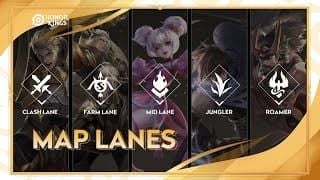
Lane swaps involve strategic repositioning between lanes to optimize gold distribution, protect vulnerable carries, and establish map control. Farm lane traditionally hosts marksmen or fighters requiring extended gold income, while mid lane offers centralized positioning for objective control and roaming.
The core purpose of swapping from farm to mid centers on countering early tower dive vulnerabilities. Farm lane heroes face significant pressure between levels 2-4 when enemy junglers and supports coordinate aggressive plays. Honor of Kings Tokens top up resources through BitTopup ensure you have access to the latest heroes optimized for lane swap strategies, with competitive pricing and instant delivery.
Gold and experience distribution differs substantially between lanes. Farm lane provides isolated farming with four minions per wave pre-4:00, while mid lane offers River Sprite access worth 63 gold each, respawning every 60 seconds until 4:00. Mid lane's shorter distance between towers enables safer farming and faster rotations to jungle camps or side objectives.
The Tower Dive Problem: Why Farm Lane is Vulnerable (Levels 2-4)
Tower shields break at exactly 4:00, creating a critical vulnerability window. Before this timing, farm lane heroes lack defensive tools to survive coordinated dives. Ganks executed at 1:00-1:30 yield 73% higher win rates, making early farm lane pressure a dominant strategy.
Reaching level 4 by 2:00-2:30 provides 67% gank success rates for attackers, while defenders at lower levels struggle to trade or escape. The Primal Portal spawning at 2:00 enables team teleports, allowing enemy teams to quickly reinforce dive attempts with numerical advantages.
Pre-4:00 wave freezing near your tower with 3-4 enemy minions generates 15-20% gold leads through safe last-hitting, but this defensive posture becomes untenable when enemies commit to breaking the freeze. Three frozen waves create 60-90 gold differentials, making you a high-value target.
Optimal Timing Windows for Farm Lane to Mid Rotation
The golden window for farm to mid rotation occurs between 3:30-5:30, synchronized with critical objective spawns and tower vulnerability changes. Dragon spawns at 3:30 mark the first major team fight opportunity, while tower shields breaking at 4:00 fundamentally alter lane safety dynamics.
Level 4 Power Spike: Why This Timing is Critical
Reaching level 4 by 2:00-2:30 unlocks ultimate abilities for most heroes, creating significant combat power differentials. Swapping before securing level 4 sacrifices combat effectiveness, while delaying past 4:30 exposes you to post-shield tower dives.
Target 6-7 creep score per minute at 70-80% efficiency to maintain level parity. Securing buffs by 1:15 provides 15-20% gold leads that compound through efficient farming. Clear your first mid wave immediately at 0:30 to establish lane priority, enabling safer rotations when the swap window opens.
First Dragon Spawn Considerations (2:00 Mark Impact)
While Dragon spawns at 3:30, the Primal Portal at 2:00 influences early rotation planning. Teams controlling mid lane priority can secure portal access, enabling faster responses to dragon contests. Position 30-45 seconds early for dragon spawns with proper vision.
Tyrant spawning at 4:00 coincides with tower shield breaks, creating dual pressure points. Coordinating your lane swap to arrive mid before Tyrant spawn establishes your team's ability to contest this gold-rich objective. Ward river entrances 30-45 seconds before objective spawns to detect enemy rotations.
Reading Enemy Tower Dive Setups: Warning Signs
Enemy jungler positioning patterns reveal dive intentions 30-45 seconds before execution. When opposing junglers clear top-side camps then linger near farm lane river entrances instead of rotating to their next camp, dive preparation is underway. Buffs respawn every 90 seconds—track these timings to predict jungler locations.
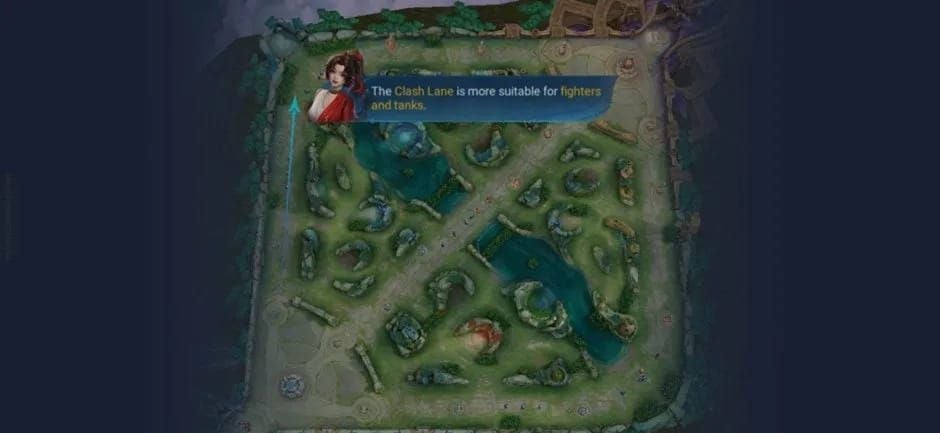
Support roaming from mid lane toward farm lane, especially when accompanied by vision denial through ward clearing, signals coordinated aggression. River Sprites respawning every 60 seconds until 4:00 provide legitimate roaming reasons, but supports lingering after sprite collection indicate ulterior motives.
Wave State Manipulation by Enemy Farm Laner
Enemy farm laners building large minion waves that crash into your tower create ideal dive conditions. When opponents sacrifice last-hits to fast-push waves, they're establishing the minion advantage needed for tower tanking during dives. Maintain 3-4 enemy minions near your tower for pre-4:00 freeze, but release the freeze 30-45 seconds before objectives to enable rotation.
Vision denial through systematic ward clearing in river entrances and jungle pathways precedes dive attempts. When your river wards disappear without replacement opportunities, assume enemy presence and adjust positioning defensively.
Pre-Swap Preparation: Wave Management Essentials
Creating a slow push 30 seconds before rotating ensures minion waves crash into enemy tower during your transition, denying farm and preventing immediate tower damage. Stack 2-3 waves by last-hitting only, allowing your minions to accumulate before the final push.
Fast push versus freeze decisions depend on enemy positioning and objective timings. Fast push when enemies show on opposite map sides, enabling quick rotation without punishment. Freeze when uncertain about enemy locations, maintaining safety until vision confirms safe passage.
Minion Wave Crash Timing for Safe Rotation
Waves spawn every 30 seconds, creating predictable timing windows. Crash your wave into enemy tower at 3:00 or 3:30 to enable rotation during the 30-second window before the next wave arrives. This timing prevents tower damage while you transition and establishes mid lane presence before dragon spawn.
Last-hitting under tower grants 50% gold bonus, making efficient tower farming crucial before rotation. Clear the wave completely rather than leaving minions that provide enemy gold, then immediately begin your rotation path through warded jungle routes.
Recall timing versus walking depends on health, mana, and item purchase needs. Recall when below 60% resources or when gold enables significant item purchases. Walk when healthy and the rotation path is secure, saving recall cooldown for emergency escapes.
Step-by-Step Lane Swap Execution Guide
Step 1: Communicate Swap Intention (Ping System Usage)
Use quick chat commands 45-60 seconds before executing the swap. Ping Gather on mid lane tower, followed by Retreat on farm lane, signaling your intention to teammates. Repeat communication if initial pings receive no response.
Step 2: Establish Vision in River and Enemy Jungle
Ward river entrances in farm lane against ganks during your rotation window. Place vision at river intersections and enemy jungle entrances near mid lane to detect intercepting enemies. Vision control prerequisites include at least two active wards covering your rotation path.
Step 3: Coordinate with Mid Laner's Rotation Path
Your mid laner must rotate to farm lane simultaneously to prevent tower loss. Coordinate timing so both heroes transition during the same wave cycle. Mid laners should clear their wave before rotating, maintaining experience parity while transitioning.
Step 4: Secure Safe Passage with Jungler Escort
Request jungler escort through river or jungle pathways, especially when enemy jungler location is unknown. Roamers should clear mid wave first, protect farm marksman during transition, then sync ganks with your new mid lane positioning.
Step 5: Establish Mid Lane Presence and Wave Control
Immediately contest River Spirit in mid for gold and experience advantage upon arrival. Clear the first mid wave by 0:30 after swapping to establish lane priority. Trade at level 2, 4, and 6 power spikes to assert dominance and prevent enemy mid laner from roaming freely.
Hero-Specific Lane Swap Strategies
Marksmen benefit most from farm to mid swaps due to scaling requirements and dive vulnerability. Prioritize swapping marksmen with weak early games and limited escape tools—heroes lacking dashes or defensive ultimates before level 4 face highest dive risk.
Mage Mid Laners: Who Benefits from Farm Lane Gold
Mages transitioning to farm lane require strong wave clear and self-peel to survive isolated farming. Buy HoK Tokens Global through BitTopup's secure platform to unlock mage heroes with excellent farm lane sustainability, featuring fast delivery and competitive rates.
Mages with area-of-effect abilities clear waves efficiently, maintaining farm while providing utility in team fights. Those with crowd control or mobility tools survive farm lane better than immobile burst mages who struggle without team protection.
Tank/Fighter Farm Lane: Alternative Strategies to Swapping
Tanks and fighters in farm lane possess inherent dive resistance through durability and crowd control. These heroes often skip mid rotation, instead pressuring enemy farm tower to secure first tower at 10:00-12:00 mark. Their presence forces enemy responses, creating map pressure that benefits your team's mid lane control.
Mobility-based heroes execute faster rotations with lower interception risk. Heroes with dashes, blinks, or movement speed steroids traverse river and jungle pathways quickly, reducing vulnerability windows during transition.
Coordination and Communication in Solo Queue
Quick chat commands for lane swap requests include sequential pings: Gather on destination lane, Retreat from current lane, and Attack on nearest objective to justify the rotation. Repeat every 15-20 seconds if teammates don't respond initially.
Dealing with Unresponsive Mid Laners
When mid laners ignore swap requests, adapt by requesting jungler ganks to relieve farm lane pressure instead. Alternatively, execute partial rotations—roaming to mid for objective contests while returning to farm lane between fights. This hybrid approach maintains farm while providing team fight presence.
Jungler's role in facilitating safe swaps extends beyond escort duty. Junglers should apply opposite-side pressure when you rotate, preventing enemy collapse on your transition path. Coordinate timing so jungler invades enemy jungle or ganks opposite lane during your swap execution.
Common Lane Swap Mistakes and How to Avoid Them
Mistake #1: Swapping Too Early (Before Level 4) Rotating before reaching level 4 sacrifices ultimate ability access during critical objective fights. Delay swaps until securing level 4 unless facing imminent tower dive that guarantees death.
Mistake #2: Leaving Farm Lane Tower Undefended Failed coordination leaves farm lane tower exposed to free damage or destruction. Ensure mid laner commits to farm lane before you leave.
Mistake #3: Poor Wave State Before Rotation Rotating while enemy waves crash into your farm tower gifts opponents free tower damage and gold. Always crash your wave into enemy tower first, creating the 30-second window where no minions damage your structure.
Mistake #4: No Vision During Transition Rotating through unwarded jungle or river areas invites interception and death. Invest in vision control before executing swaps.
Mistake #5: Ignoring Enemy Jungler Location Swapping while enemy jungler location is unknown creates ambush opportunities. Track jungler movements through minimap awareness and ward information.
Advanced Tactics: Counter-Swaps and Adaptation
Predicting enemy lane swaps through draft phase analysis provides proactive advantages. When enemies draft dive-heavy compositions with early-game junglers and roaming supports, anticipate swap attempts and prepare counter-strategies.
Punishing Enemy Failed Dives with Immediate Swap
When enemies commit to farm lane dives but fail to secure kills, immediately execute your planned swap while they're low on resources. Failed dives leave attackers vulnerable with depleted health and cooldowns.
Double swap strategies involve simultaneous rotations where both farm and mid laners exchange positions while your jungler applies pressure elsewhere. This advanced coordination confuses enemy tracking and enables efficient transitions.
Late game lane reassignment post-8:00 mark focuses on objective control rather than dive prevention. Assign heroes to lanes based on split-push capability, team fight priority, and tower-taking speed.
Pro Player Analysis: KPL Lane Swap Meta
Current season professional trends emphasize earlier swap timings around the 3:30 dragon spawn rather than waiting for 4:00 tower shield breaks. Professional teams coordinate vision control and jungler positioning to enable safe rotations 30 seconds earlier than solo queue standards.
Championship-winning lane rotation plays demonstrate the importance of information advantage. Teams that maintain superior vision control execute swaps with near-zero risk.
Adapting Pro Strategies to Ranked Solo Queue
Professional strategies require modification for solo queue environments with limited communication. Simplify coordination by using standardized ping sequences and executing swaps during obvious timing windows like dragon spawns when teammates naturally group.
Focus on personal execution elements within your control—wave management, vision placement, and positioning—rather than depending on perfect teammate coordination.
Measuring Success: Lane Swap Performance Metrics
Gold difference at 5-minute mark reveals swap efficiency. Successful swaps maintain or increase gold leads established during farm lane phase, typically showing 200-400 gold advantages over lane opponents.
Tower Health Preservation Rate: Preserving farm lane tower above 80% health after swapping indicates excellent wave management and timing.
Experience lead maintenance ensures your swap doesn't sacrifice level advantages. Maintain level parity or advantages after swapping by efficiently clearing waves and contesting River Sprites.
First dragon contest success rate directly correlates with swap timing quality. Teams executing swaps before 3:30 dragon spawn win 65%+ of dragon contests through superior positioning.
FAQ
When should I swap from farm lane to mid in Honor of Kings? Execute swaps between 3:30-5:30, ideally before the 4:00 tower shield break. Prioritize swapping after reaching level 4 and before dragon spawns at 3:30, ensuring you crash your wave into enemy tower first.
How do I counter early tower dives in HoK farm lane? Maintain 3-4 enemy minions near your tower for pre-4:00 freeze, ward river entrances 30-45 seconds before expected ganks, and track enemy jungler positioning through buff spawn timings every 90 seconds.
What wave state is best before swapping lanes? Crash a large wave into enemy tower 30 seconds before rotating. Stack 2-3 waves through selective last-hitting, then fast-push the accumulated minions into enemy tower.
How to predict enemy tower dive attempts? Monitor enemy jungler clearing top-side camps then lingering near farm lane, support roaming from mid without clear objectives, enemy farm laner fast-pushing waves, and systematic vision denial through ward clearing.
What vision do I need before rotating from farm lane? Place wards at river entrances in farm lane and enemy jungle pathways near mid lane, ensuring at least two active wards cover your rotation path. Ward 30-45 seconds before objectives spawn.
Should marksman always swap to mid after first tower? Marksmen should swap to mid between 3:30-5:30 when facing dive pressure or when dragon contests require mid lane presence. Skip swaps when dominating farm lane matchups or when team composition favors split-push strategies.
Master your Honor of Kings macro gameplay and climb the ranks faster! Need to top up your account for the latest heroes and skins? Visit BitTopup for instant, secure Honor of Kings top-ups with exclusive bonuses. Power up your game today!