

With Delta Force launching on PlayStation 5 and Xbox Series X|S on August 19, 2025, at 10 PM EST, console players face cross-play lobbies against established PC veterans. This guide identifies three controller-optimized operators—Stinger, Luna, and Hackclaw—whose ability-focused kits minimize precision aiming disadvantages while maximizing tactical impact.
Understanding Console Cross-Play in Delta Force 2025
Console release marks a pivotal shift. Unlike the December 5, 2025 PC open beta, console players immediately face cross-platform matchmaking against opponents with months of practice. The game runs at 60 FPS on both PS5 and Xbox Series X|S, with PS5 Pro enhancements confirmed for later 2025.
Cross-play connects console, PC, and mobile through LIPASS account progression—operator unlocks and loadouts transfer seamlessly. Console players can toggle cross-play in Settings > Game for console-only lobbies, though this increases queue times.
For faster operator unlocks before console launch, Delta Force Top Up through BitTopup provides secure access to Delta Coins, bypassing the standard 30-match or 100-kill recruitment challenges.
Console Launch Content
August 19, 2025 brings 11 operators, 13 maps, 50+ weapons, and 11 vehicles to PlayStation and Xbox. This coincides with Season 6 (launched September 23, 2025), featuring balancing for controller gameplay. The Warfare practice range supports 63 bots for pre-match warmup.
Controller aim assist is calibrated for console parity but primarily benefits hitscan weapons at medium range. Operators relying on precise flick shots still favor mouse users, creating a clear hierarchy of controller-friendly versus precision-dependent operators.
Input Method Differences
Mouse users maintain advantages in snap aiming, 180-degree turns, and long-range precision. Recommended controller settings: deadzone 10/80, hipfire sensitivity 450 horizontal/300 vertical, ADS 200/150. FOV 100-105 balances awareness with target clarity.
Controller players excel in sustained tracking, predictable recoil control, and ability deployment during movement. Operators emphasizing area denial, information gathering, and support leverage these strengths while minimizing aim-dependent weaknesses. The M4A1 (25 damage, 672 RPM, 10.1% pick rate) suits controller inputs due to manageable recoil.
Why Operator Selection Matters
In cross-play, operator choice compensates for input limitations. A controller Raptor using Trace Scanner provides five enemy pings without firing a shot—equivalent value to a PC sniper landing headshots. Shepherd's Sonic Drone suppresses enemies within 30 meters regardless of aiming ability.
Competitive teams typically feature one Recon (Luna), one Support (Stinger), one Engineer (Shepherd), one Assault (D-Wolf). Console players should prioritize operators whose abilities create value independent of gunfight outcomes.
Operator Selection Criteria for Console Success
Selecting operators for console cross-play requires evaluating: ability execution complexity, skill floor accessibility, mode versatility, and team synergy potential.
Controller-Friendly Ability Mechanics
Controller-optimized abilities feature generous activation windows, area-of-effect impacts, and minimal precision requirements. Stinger's Stim Pistol delivers heal-over-time across a 25-meter smokescreen wall, requiring only general target direction. Luna's Detection Arrow creates sensor trails automatically tracking movement, while Volt Arrow applies shock damage in a radius. Hackclaw's Signal Decoder scans 60 meters in all directions with a single button press.
Skill Floor vs Skill Ceiling
Skill floor = minimum competence for basic effectiveness. Skill ceiling = mastery potential. Console players benefit from low skill floors and high skill ceilings. Stinger exemplifies this: basic healing requires only line-of-sight to teammates, but advanced play involves predictive smokescreen placement and debuff timing.
Vyron (unlockable after three days or 500 Delta Coins) features Dynamic Propulsion dash mechanics with a steep learning curve demanding rapid directional inputs. D-Wolf's Motorized Exoskeleton provides speed boosts and HP restoration with simpler activation.
Versatility Across Modes
Warfare (large-scale, 63-bot practice range, infantry-focused) and Hazard Operations (extraction-based) demand different priorities. Warfare rewards area control and sustained support. Hazard Operations emphasizes survival and tactical disengagement.
Luna functions in both: Detection Arrows reveal positions during Warfare objective contests and warn of third-party threats during Hazard Operations extractions. Stinger's healing proves universally valuable, though smokescreen walls shine in Warfare chokepoints.
Team Composition Flexibility
Operators complementing multiple configurations maximize queue flexibility. Stinger's Support classification fills the critical healer role in every competitive composition. Luna's Recon abilities synergize with aggressive Assault players and defensive Engineers alike.
Hackclaw's Engineer classification offers alternatives to Shepherd's drone-focused kit. His crouch walk speed increase silences footsteps, enabling flanking maneuvers.
Operator #1: Stinger - The Console-Optimized Frontline Anchor
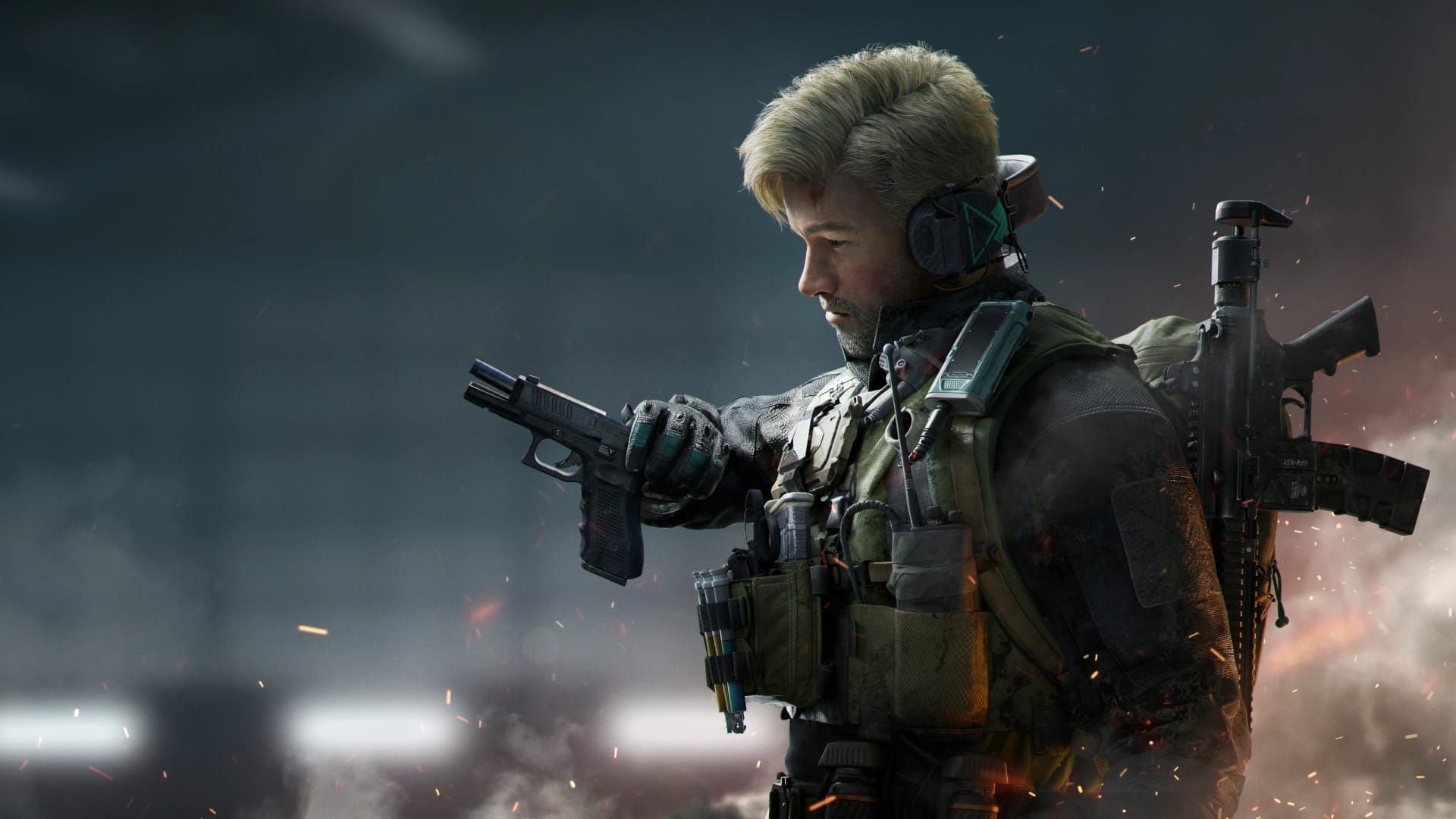
Stinger (Support, real name Roy Smee) represents the ideal console operator through his ability-focused kit delivering maximum team impact with minimal aiming requirements. His Stim Pistol and Smokescreen function identically regardless of input method.
Why Stinger Dominates Controller Gameplay
Stim Pistol applies heal-over-time removing debuffs, requiring only general aim direction. Controller aim assist activates on friendly targets, making teammate healing more consistent. The 25-meter smokescreen creates instant cover for objectives, revives, and repositioning without precision placement.
Stinger's kit rewards game sense over mechanical skill—knowing when to heal versus deploy smoke matters more than flick-shot accuracy. His Support role ensures team slots in every composition.
Core Ability Breakdown
Stim Pistol's heal-over-time provides sustained recovery during extended firefights. Debuff removal cleanses status effects from Shepherd's Sonic Trap, Nox's tracking, and environmental hazards. Controller players track moving teammates more reliably than mouse users attempting rapid 180-degree healing turns.
Smokescreen walls extend 25 meters, creating visual barriers equalizing sightline advantages. PC players lose precision aiming inside smoke, while controller players maintain tracking through aim assist lock-on. Deploy on objectives, chokepoints, and downed teammates to force close-range engagements.
Optimal Loadout for Console
Build code 6FIAPV406L5PA4U76HE30: M250 LMG with 75-round belt and Sentinel Short Barrel. The M250 delivers 55 damage at 550 RPM with 125-round magazine, providing sustained suppressive fire compensating for lower controller accuracy through volume.
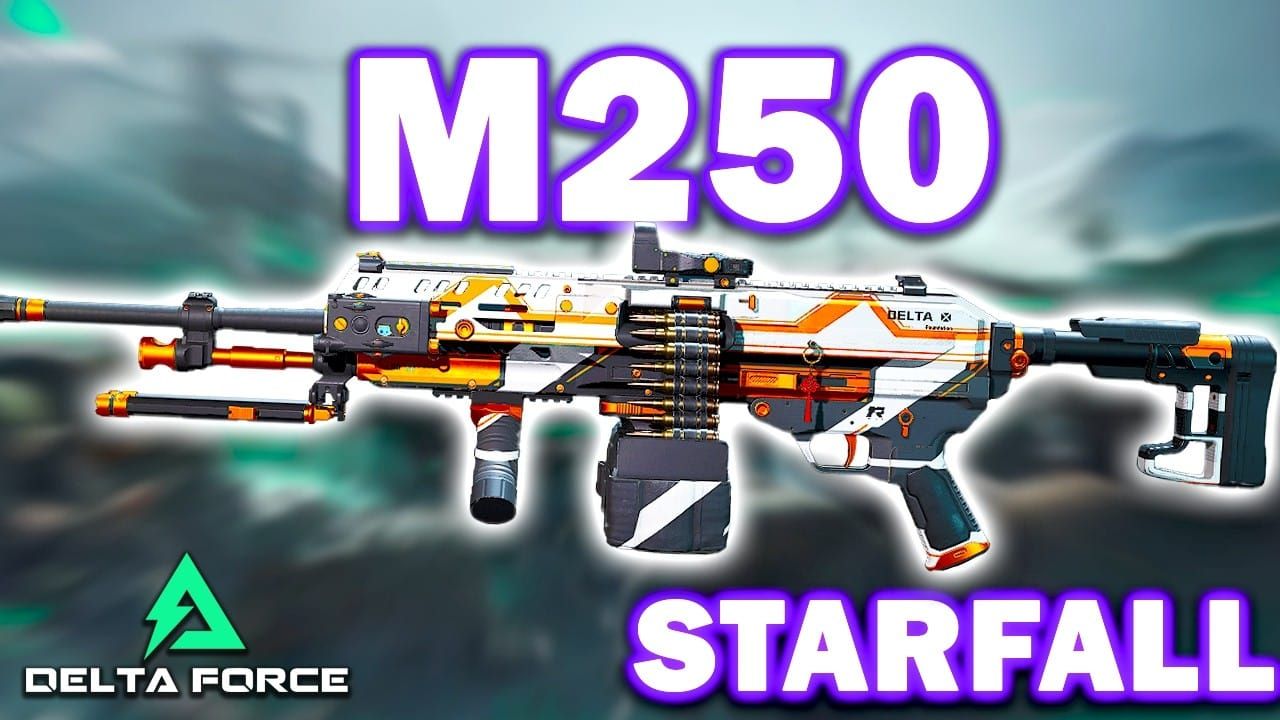
Pair with controller settings emphasizing recoil control: vertical sensitivity 300, ADS 150, Quality mode maintaining 60 FPS. The LMG's predictable recoil suits controller thumbsticks better than high-RPM assault rifles. Equip extended magazines and recoil-reducing attachments.
Advanced Positioning Strategies
Position near high-traffic chokepoints where teammates funnel through predictable routes, enabling proactive healing before engagements. Use smokescreen to bisect sightlines, forcing PC snipers to reposition while your team advances under cover.
In Warfare, deploy smoke on contested objectives 5-10 seconds before capture attempts. Maintain mid-range distances (30-50 meters) where M250 damage remains effective while aim assist provides maximum benefit. Avoid long-range sniper duels—use smokescreen to deny those sightlines entirely.
During Hazard Operations extractions, create smoke corridors connecting cover points, enabling safe movement through open areas.
Common Mistakes
Don't waste smokescreen on panic deployments—reserve for objective plays, revives, and planned advances. The 25-meter range exceeds most estimates; practice range deployment to internalize coverage area.
Don't overheal. Prioritize teammates below 50% HP and those actively engaging enemies. Heal-over-time continues after initial application, so single shots suffice. Monitor teammate positions through minimap (infantry 100 setting) to anticipate healing needs.
Operator #2: Luna - Intelligence Gathering Without Precision Aiming
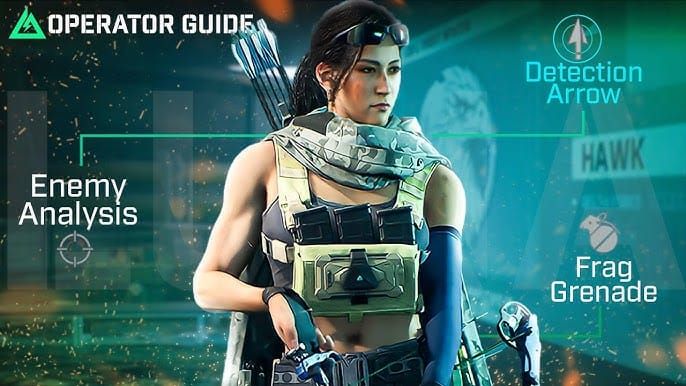
Luna (Recon, real name Luna Kim) excels on console through information-gathering abilities providing team value independent of gunfight performance. Her Detection Arrow and Volt Arrow require only approximate aiming.
Luna's Controller-Friendly Reconnaissance Kit
Detection Arrows create sensor trails revealing enemy movement, providing wallhack-equivalent information without mechanical barriers. Arrow projectiles feature generous hitboxes and travel speeds accommodating controller aim assist. Volt Arrows apply shock damage in area-of-effect patterns, rewarding general placement over precision hits.
The Recon role shifts focus from winning aim duels to enabling teammates through superior information. Console Luna players can match or exceed PC counterparts' value by mastering arrow placement on high-traffic routes.
Tactical Ability Usage
Deploy Detection Arrows on objective approaches 15-20 seconds before your team's push, revealing defender positions. Sensor trails persist for extended durations, providing ongoing intelligence. Prioritize arrows covering multiple sightlines simultaneously.
Volt Arrows function as area denial and engagement openers. Fire into enclosed spaces before entry, damaging and revealing enemies while disrupting positioning. The shock effect impairs movement, creating opportunities for teammates. Combine with Shepherd's Sonic Drone or Stinger's smokescreen for coordinated pushes.
Gadget Synergies and Equipment
Build code 6HLOCT009MFFCME3G7LT2: AWM Skyline with Long Barrel, Resonant Suppressor, ACOG 6x scope. The AWM delivers 100 damage with 200-meter range, securing one-shot chest kills to 30 meters. Luna's information abilities enable console players to hold pre-aimed angles rather than flick-shooting, leveraging controller tracking strengths.
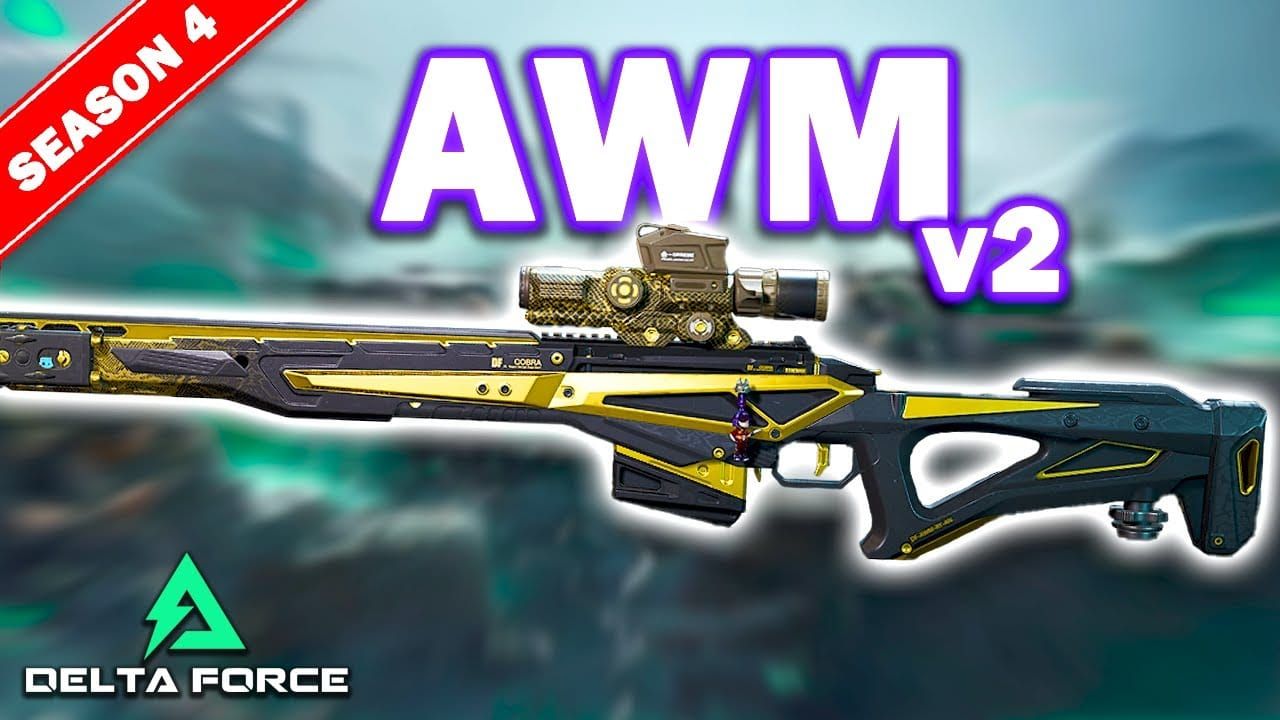
Resonant Suppressor conceals muzzle flash and reduces audio signature, maintaining stealth after shots. ACOG 6x provides sufficient magnification for medium-range without tunnel vision. Practice range drills focusing on holding angles and tracking predictable movement.
For premium weapon skins and attachments, Delta Force Credits Recharge via BitTopup offers secure transactions and competitive rates.
Map-Specific Deployment
On multi-level maps, position Detection Arrows covering vertical approaches—stairwells, ladders, ziplines—where enemies funnel through predictable paths. Sensor trails reveal positions and movement directions. Rotate based on this intelligence rather than holding static angles.
In open Warfare maps, deploy arrows on vehicle routes and flanking paths rather than main engagement zones. This reveals enemy rotations before execution, allowing counter-rotates or crossfire preparation. Minimap settings (ground 150, aircraft 240) display detected vehicles prominently.
Countering PC Mobility Advantages
PC players exploit superior mouse control for rapid peeks, aggressive pushes, and unpredictable movement. Luna's Detection Arrows neutralize these by revealing positions before engagements begin, allowing pre-aim and kills through superior positioning. When sensor trails indicate approaches, communicate directions and establish crossfires.
Use Volt Arrows to slow aggressive PC players, disrupting movement-based advantages. Shock damage and movement impairment create windows where controller tracking matches or exceeds mouse precision. Combine with defensive positioning behind cover, forcing enemies into pre-aimed sightlines.
Operator #3: Hackclaw - Tech Dominance Through Strategic Play
Hackclaw (Recon, real name Mai Xiaowen) offers console players a technology-focused kit emphasizing information warfare over gunfight mechanics. Her Signal Decoder and movement enhancements provide consistent value regardless of aiming ability.
Why Hackclaw Excels in Console Cross-Play
Signal Decoder scans 60 meters in all directions with a single button press, requiring zero aiming precision while revealing all enemies within range. This provides equivalent or superior intelligence to Luna's Detection Arrows without projectile aiming requirements. The 60-meter range covers most objective areas entirely.
Hackclaw's crouch walk speed increase silences footsteps while maintaining mobility, enabling flanks and repositions without audio detection. This compensates for controller players' slower turn speeds by allowing positional advantages before engagements begin.
Electronic Warfare Abilities
Signal Decoder functions as a personal UAV sweep, revealing enemies through walls within 60 meters. The cooldown encourages frequent usage—scan before every objective push, defensive setup, and rotation. Unlike Luna's arrows requiring line-of-sight deployment, Hackclaw scans from any position, including behind full cover.
Revealed information displays on HUD and minimap (infantry 100 setting), with enemy outlines visible through walls for several seconds. Communicate scan results immediately: call out enemy counts, positions, and equipment. Bind voice communication to easily accessible controller buttons.
Defensive vs Offensive Playstyle
Defensively, scans detect approaching attackers before they reach objectives, allowing pre-positioning and crossfires. Crouch walk speed enables rapid rotations between defensive positions without audio signatures. Hold off-angles near objectives, scanning periodically and repositioning based on revealed movements.
Offensively, scan before pushes to identify defender positions and equipment. The 60-meter range reveals most objective areas from safe approach distances, enabling coordinated assaults rather than blind rushes. Use crouch walk to flank revealed positions, approaching from unexpected angles while maintaining audio stealth.
Synergy with Console-Friendly Weapons
Pair Hackclaw with M4A1 (25 damage, 672 RPM, 10.1% pick rate) equipped with CI-19 60-round drums. The M4A1's manageable recoil and high pick rate indicate proven console effectiveness, while extended magazines support sustained engagements after flanking maneuvers.
Alternative loadouts include M250 LMG for suppressive fire or SMG options for aggressive crouch-walk flanks. Prioritize weapons with predictable recoil patterns and high magazine capacities. Test weapons in shooting range with your preferred controller settings (deadzone 10/80, hipfire 450/300).
Mastery Progression: Training Roadmap Before Console Launch
Achieving operator mastery before August 19, 2025 requires structured practice addressing ability usage, positioning, and game sense. Recruitment challenges—30 matches or 100 kills per operator—provide baseline familiarity, but competitive effectiveness demands deliberate skill development.
Week-by-Week Skill Development
Week 1-2: Ability Mechanics Foundation Play 3-5 Warfare matches daily, prioritizing ability usage over kill counts. Track ability effectiveness through post-match statistics. Practice Stinger healing rotations, Luna arrow placements, Hackclaw scan timings in low-pressure situations.
Week 3-4: Advanced Positioning and Map Knowledge Study map layouts, high-traffic routes, common engagement zones. Identify optimal ability deployment positions for each map and mode. Incorporate crouch-walk flanks (Hackclaw), smokescreen advances (Stinger), pre-aimed angle holds (Luna) into standard gameplay.
Week 5-6: Team Coordination and Communication Join squad-based matches emphasizing voice communication and coordinated ability usage. Practice callouts for scanned enemies, healing requests, smokescreen timings. Develop synergies with common teammate operators. Record matches to review communication effectiveness.
Training Range Drills
The Warfare practice range with 63 bots provides controlled environments. For Stinger, practice healing moving targets while maintaining situational awareness. Deploy smokescreen walls at various ranges, internalizing the 25-meter coverage.
Luna players should practice Detection Arrow trajectories on common map angles, developing muscle memory for high-traffic route coverage. The AWM Skyline build requires range time developing pre-aim discipline. Warm up with 3 Hotzone rounds before competitive sessions.
Hackclaw training emphasizes scan timing and crouch-walk movement patterns. Practice scanning before rounding corners, entering buildings, approaching objectives. Develop crouch-walk routes connecting cover points. Test various weapon loadouts to identify recoil patterns matching your controller sensitivity.
Real Match Application
Apply training range skills in real Warfare and Hazard Operations matches, tracking performance metrics. Monitor ability usage rates, healing/damage numbers, information assists. Successful Stinger players average 1,500+ healing per Warfare match; Luna players should achieve 8+ Detection Arrow deployments; Hackclaw players should maintain 10+ scans per match.
Record gameplay to review positioning mistakes, wasted ability charges, missed opportunities. Identify patterns in deaths—long-range duels (positioning error), close-range fights (loadout issue), or getting flanked (awareness problem). Adjust training focus based on identified weaknesses.
Mastery Milestones
Ability Efficiency: Using 90%+ of ability charges effectively per match
Positioning Consistency: Maintaining favorable engagement ranges and cover usage
Team Impact: Top-3 scoreboard placement through healing, assists, objectives rather than pure kills
Adaptability: Performing effectively across all 13 maps and both primary modes
Communication: Providing consistent, accurate callouts enabling teammate success
Loadout Optimization for Console Cross-Play
Loadout configuration directly impacts console performance by compensating for controller limitations through weapon selection, attachment choices, and equipment synergies.
Weapon Attachment Priorities
Prioritize vertical recoil reduction over horizontal control—controller thumbsticks manage vertical patterns more consistently. The M4A1 build with CI-19 60-round drums benefits from vertical grips and compensators, creating predictable upward recoil. Avoid attachments increasing horizontal bounce or random deviation.
Extended magazines prove more valuable on controller than PC—reload timing windows create vulnerability where mouse users' snap-aim dominates. The M250's 125-round magazine eliminates mid-fight reloads, while 60-round AR drums extend engagement capacity.
Optic selection balances magnification with target acquisition speed. ACOG 6x provides sufficient zoom for medium-range without tunnel vision. Red dot sights and holographic optics suit close-quarters, offering faster target acquisition matching controller aim assist activation ranges. Test optics in shooting range under your preferred FOV settings (100-105).
Gadget Selection
Stinger: Equip frag grenades for area denial synergizing with smokescreen walls—throw grenades into smoke, forcing enemies to retreat or take damage while blinded. Alternatively, flashbangs enable aggressive smokescreen pushes.
Luna: Claymores and proximity mines create defensive perimeters around sniper positions. Detection Arrows reveal enemies approaching your position, allowing preemptive mine detonations or repositioning. Smoke grenades provide emergency escape tools.
Hackclaw: EMP grenades disable enemy electronics and reveal positions through equipment destruction, synergizing with Signal Decoder for comprehensive electronic warfare. Alternatively, standard frag grenades capitalize on scanned enemy positions, enabling precise grenade placement through walls.
Perk Combinations
Select perks emphasizing sustained combat effectiveness over burst damage—controller players excel in extended engagements where tracking outweighs flick-shooting. Perks reducing ability cooldowns maximize Stinger healing uptime, Luna arrow availability, Hackclaw scan frequency.
Movement speed perks enable superior positioning, compensating for slower turn speeds through better initial placement. Combine movement bonuses with Hackclaw's crouch walk speed for exceptional flanking mobility.
Defensive perks like increased health regeneration or damage reduction extend time-to-kill windows where controller tracking advantages apply. The longer you survive in gunfights, the more aim assist compensates for initial accuracy disadvantages.
Console-Specific Settings
Optimal controller settings: deadzone 10/80 minimizes input lag while preventing stick drift, hipfire sensitivity 450 horizontal/300 vertical enables adequate turn speed without sacrificing tracking accuracy, ADS 200/150 provides stable sight pictures. These settings require 5-10 hours of practice to develop muscle memory.
Enable HRTF audio at 60% with SFX at 100% to maximize directional audio cues, compensating for slower visual scanning with superior audio awareness. Disable V-Sync to minimize input lag. Quality mode maintains 60 FPS consistently.
Minimap settings (infantry 100, ground 150, aircraft 240, rotating off) optimize information display. Rotating-off maintains consistent directional reference, preventing disorientation during rapid turns. Increase infantry icon size to 100 for clear teammate position tracking.
Countering PC Player Advantages with Operator Abilities
Cross-play creates inherent advantages for mouse users through superior precision, faster turn speeds, and granular aim control. However, strategic operator ability usage neutralizes these mechanical advantages by shifting engagements toward positioning, information, and team coordination.
Neutralizing Superior Aim
Stinger's smokescreen walls eliminate sightlines entirely, forcing PC players into close-range engagements where controller aim assist provides maximum benefit. Deploy smoke between your position and enemy snipers, advancing under cover while their precision advantages become irrelevant.
Luna's Detection Arrows reveal enemy positions before engagements begin, allowing console players to pre-aim common angles and secure kills through superior positioning rather than reaction speed. When you know exactly where enemies hold, controller tracking matches mouse precision on stationary or predictable targets.
Hackclaw's 60-meter scans provide wallhack-equivalent information, enabling console players to avoid unfavorable engagements entirely while capitalizing on advantageous situations. If scans reveal multiple enemies, disengage and rotate. If scans show isolated targets, coordinate teammate collapses for numerical advantages.
Positioning Over Precision
Console players should prioritize positioning advantages over mechanical outplays. Use Hackclaw's crouch walk to reach unexpected angles before enemies arrive, establishing pre-aimed positions where first-shot advantage determines outcomes. Silenced footsteps prevent audio detection, enabling flanks bypassing direct confrontations.
Stinger players should anchor defensive positions near cover and teammates, using healing to sustain extended holds rather than aggressive pushes. Stim Pistol's heal-over-time allows you to outlast PC players in trading scenarios. Position near high-traffic chokepoints where smokescreen walls force enemies into predictable paths.
Luna's sniper role demands patience—hold angles covering high-traffic routes rather than attempting aggressive quickscopes. The AWM's one-shot kill potential to 30 meters rewards patient angle-holding. When Detection Arrows reveal enemy approaches, maintain your position and pre-aim the revealed path.
Team Communication
Voice communication transforms individual operator abilities into coordinated team advantages. Call out Hackclaw scans immediately: Three enemies on A objective, two behind cover left side, one on balcony. This enables teammates to pre-aim specific positions.
Coordinate Stinger smokescreen deployments with teammate pushes: Smoking B entrance in three seconds, push on smoke. Synchronized advances under smoke cover prevent enemies from isolating and eliminating individual pushers.
Luna players should communicate Detection Arrow placements and revealed movement: Arrow on mid-route, two enemies rotating toward C. This information enables defensive rotations, flanking collapses, or objective rushes. Real-time intelligence creates decision-making advantages that matter more than mechanical skill.
Resource Management: Unlocking and Upgrading Priority Operators
The operator unlock system requires either completing recruitment challenges (30 matches or 100 kills) or spending 500 Delta Coins for immediate access. Console players preparing for August 19 launch should prioritize unlocking Stinger, Luna, and Hackclaw before console release.
Operator Unlock Costs
Standard recruitment challenges require significant time investment—30 matches at 15-20 minutes each totals 7.5-10 hours per operator, while 100 kills may take longer. Vyron specifically requires three days of playtime or 500 Delta Coins, indicating similar costs for other premium operators.
The Operations battle pass costs $7 and provides Gear tickets for basic loadout customization, while Black Site activities offer stat bonuses through crafting systems. Prioritize operator unlocks over cosmetic purchases.
Efficient Currency Farming
Focus on Warfare mode for fastest kill accumulation toward recruitment challenges—large-scale battles provide more engagement opportunities than Hazard Operations' survival-focused gameplay. The 63-bot practice range doesn't count toward recruitment progress.
Complete daily and weekly challenges providing Delta Coin rewards, accumulating currency for immediate operator unlocks. Prioritize challenges matching your preferred playstyle—healing challenges for Stinger players, reconnaissance challenges for Luna/Hackclaw users.
Premium Currency Through BitTopup
For immediate operator access without grinding recruitment challenges, BitTopup provides secure Delta Force currency purchases with competitive pricing and fast delivery. The platform's excellent customer service and high user ratings make it the trusted choice for console players preparing for August 19 launch.
Premium currency purchases enable immediate access to all three recommended operators—Stinger, Luna, Hackclaw—plus weapon attachments, equipment, and cosmetics. Time saved through currency purchases allows more practice time mastering operator abilities rather than grinding unlocks.
Progression System Optimization
Cross-progression through LIPASS accounts means PC practice directly benefits future console play. Players with PC access should unlock and practice recommended operators now, transferring that progress to console on August 19. Shared progression eliminates redundant grinding.
Prioritize weapon attachment unlocks for recommended loadouts—M250 LMG for Stinger, AWM Skyline for Luna, M4A1 for Hackclaw. These attachments require weapon-specific usage to unlock. The shooting range allows attachment testing without match pressure.
Preparing Your Account for Console Cross-Play Dominance
The weeks before August 19, 2025 represent critical preparation time for console players seeking competitive advantages. Account progression, operator unlocks, and skill development completed before launch translate directly into day-one performance advantages.
Current PC Practice Benefits
Players with PC access should begin operator practice immediately—the December 5, 2024 PC open beta provides months of preparation before console release. Cross-progression ensures all unlocks, attachments, and progression transfer to console.
Focus practice on the three recommended operators—Stinger, Luna, Hackclaw—developing ability usage patterns, positioning habits, and game sense that transfer across input methods. While aiming mechanics differ between mouse and controller, ability deployment timing, map knowledge, and tactical decision-making remain identical.
Account Progression Strategy
Prioritize operator unlocks over cosmetic purchases, weapon variety, or vehicle customization. The three recommended operators provide comprehensive role coverage—Support (Stinger), Recon (Luna/Hackclaw)—enabling effective contribution in any team composition.
Unlock weapon attachments for recommended loadouts through dedicated weapon usage. The M250 LMG, AWM Skyline, and M4A1 require weapon-specific progression to access optimal attachments. Dedicate practice sessions to each weapon, completing attachment unlocks before console launch.
Building a Versatile Operator Pool
While Stinger, Luna, and Hackclaw provide strong console foundations, competitive play requires backup options when teammates select your preferred operators. D-Wolf (Assault) offers controller-friendly abilities through his Motorized Exoskeleton speed boosts and HP restoration on knockdowns.
Shepherd (Engineer) provides alternative support options through his Sonic Drone's 30-meter suppression and Sonic Trap's 4-meter damage/slow effects. His build code 6FIAPV406L5PA4U76HE30 features the same M250 LMG recommended for Stinger, allowing shared weapon proficiency.
Avoid precision-dependent operators like Nox (Silent Assault requiring stealth execution) or Raptor (footprint tracking demanding rapid target acquisition) until mastering controller fundamentals.
FAQ
Which Delta Force operators work best with controller aim assist? Stinger, Luna, and Hackclaw excel with controller aim assist because their abilities provide value independent of precision aiming. Stinger's Stim Pistol healing and 25-meter smokescreen require only general target direction, Luna's Detection Arrows create automatic sensor trails with forgiving projectile hitboxes, and Hackclaw's 60-meter Signal Decoder scans require zero aiming.
How does cross-play affect operator selection in Delta Force? Cross-play creates mixed lobbies where mouse users maintain precision advantages in direct gunfights. Optimal operator selection emphasizes ability-focused kits delivering value through information gathering, healing, and area denial rather than pure gunfight performance. Operators like Stinger neutralize PC advantages through smokescreen walls eliminating sightlines, while Luna and Hackclaw provide intelligence enabling superior positioning.
What operators should console players unlock first in Delta Force? Prioritize Stinger (Support) first for universal team value and controller-friendly healing mechanics, followed by Luna (Recon) for information gathering with minimal aim requirements, then Hackclaw (Recon) for alternative reconnaissance options and flanking capabilities. This unlock order provides comprehensive role coverage ensuring team composition flexibility.
How long does it take to master an operator in Delta Force? Basic competence requires 30 matches (7.5-10 hours) completing recruitment challenges, but competitive mastery demands 40-60 hours of focused practice across 4-6 weeks. This includes ability mechanics training, map knowledge development, positioning refinement, and team coordination practice. Consistent performance across all 13 maps and both game modes indicates true mastery, typically achieved after 100+ matches.
Can you transfer operator progress from PC to console in Delta Force? Yes, Delta Force features full cross-progression through LIPASS accounts, transferring all operator unlocks, weapon attachments, cosmetics, and progression between PC, console, and mobile platforms. Players with PC access can unlock and practice operators before the August 19, 2025 console launch, immediately accessing that progress on PlayStation 5 or Xbox Series X|S.
Which Delta Force operators counter PC mouse and keyboard advantages? Stinger counters PC precision through smokescreen walls forcing close-range engagements where controller aim assist provides maximum benefit. Luna counters through Detection Arrows revealing positions before fights begin, enabling pre-aimed kills through positioning. Hackclaw counters through 60-meter scans providing wallhack-equivalent information and crouch walk speed enabling flanks that bypass direct confrontations entirely.