

Mastering weight thresholds in Arena Breakout Infinite determines raid survival. Optimal loadouts stay under 6.33kg for medium backpacks, maximizing stamina efficiency while maintaining combat effectiveness. Heavier gear accelerates stamina drain during sprinting, running, and jumping. Exceeding critical thresholds eliminates sprint and jump capabilities entirely. This guide reveals precise weight breakpoints, stamina mechanics, and tactical loadout strategies competitive players use to dominate without combat fatigue penalties.
Understanding Stamina and Weight System
The stamina system operates as a dynamic resource governing every movement action. Your stamina bar depletes when sprinting, running, or jumping, with depletion rates directly tied to total gear weight. This relationship separates players who maintain tactical mobility from sitting targets mid-firefight.
Weight management fundamentally alters combat performance. Every kilogram increases stamina consumption rates, reduces repositioning speed, and extends recovery times between engagements. Players ignoring weight thresholds can't sprint to cover, chase wounded enemies, or escape dangerous situations.
The system rewards strategic loadout planning over gear stacking. For optimized equipment access, Arena Breakout Bonds top up through BitTopup provides premium gear balancing protection with weight efficiency.
Stamina Bar Functions
Your stamina bar depletes in real-time during physical actions. Each 5-foot jump consumes measurable stamina. Sprinting creates continuous drain accelerating with weight load. Running produces moderate sustained consumption.
Critical distinction: walking preserves stamina entirely, allowing full regeneration during movement. Crouch-walking maintains stamina while reducing noise—essential for tactical positioning. Experienced players alternate movement modes based on tactical needs rather than defaulting to sprinting.
Stamina regeneration begins only after stopping stamina-draining actions. Recovery rate varies by total weight—lighter loadouts recover significantly faster. This creates tactical windows where you choose between mobility and engaging enemies during extended firefights.
Gear Weight and Stamina Drain Relationship
Heavier gear changes stamina depletion speed across all movement types. Running with a knife drains substantially less stamina than running with an M4, despite identical movement speeds. This means you cover greater distances with lighter equipment before stamina exhaustion forces slowdown.
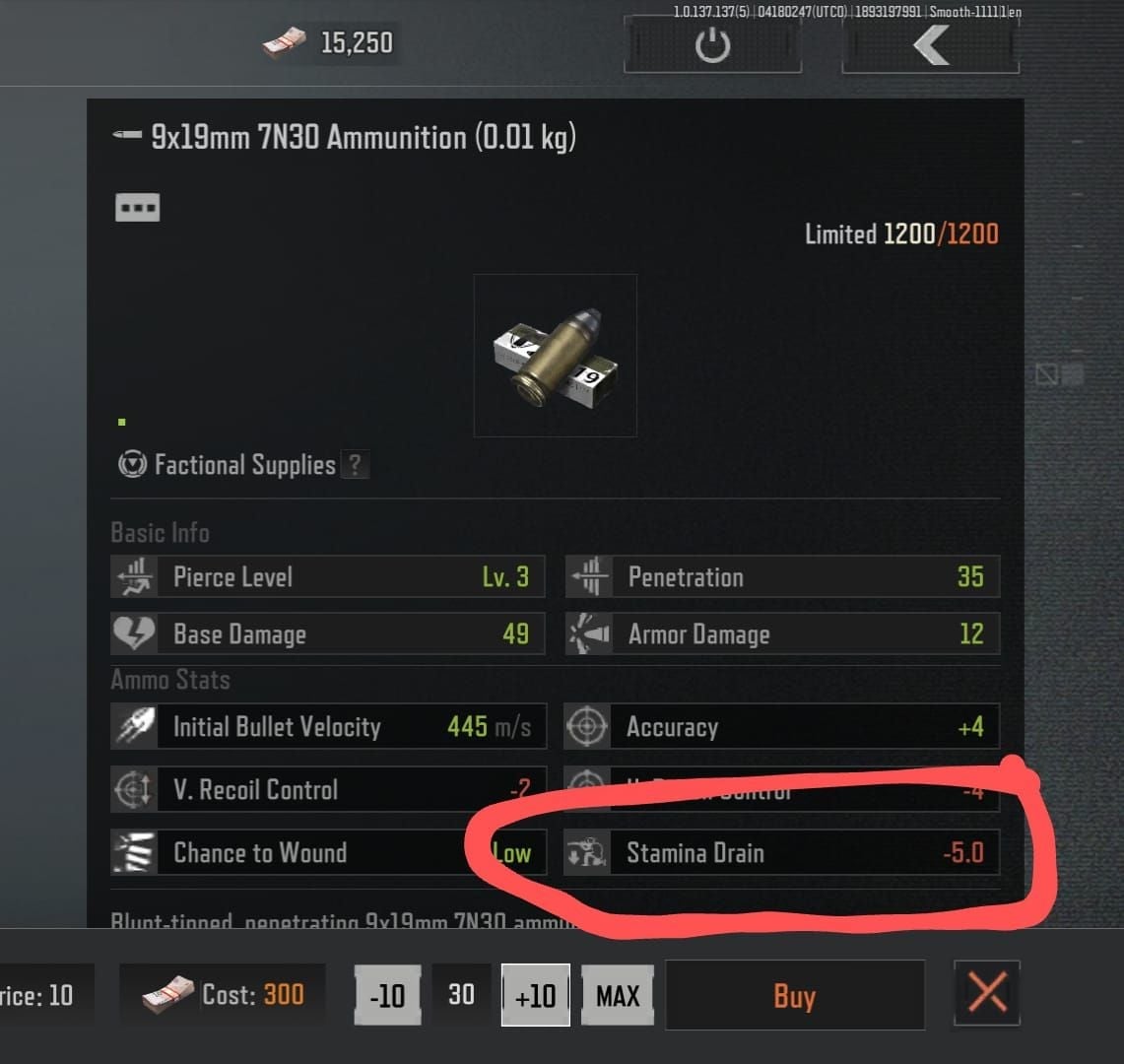
Weight-stamina relationship affects combat beyond endurance. Heavier loadouts slow overall movement speed, creating compounding disadvantages. Combined with faster stamina drain, heavy configurations severely limit controlling engagement distances and exploiting positional advantages.
Smart players exploit weapon-switching mechanics. Instantly pulling out your knife while repositioning reduces stamina loss, then stowing it and drawing your primary weapon occurs with no time penalty. This maintains combat readiness while preserving stamina for critical moments.
Why Weight Management Matters
Raid success depends on maintaining tactical options throughout operations. Exceeding weight thresholds eliminates fundamental movement capabilities—Critical Overload completely removes sprint and jump ability, transforming you into a slow-moving target. Fatal in Arena Breakout's fast-paced combat where mobility equals survival.
Weight optimization impacts loot extraction efficiency. Players entering raids with optimized loadouts maintain stamina reserves for carrying valuable loot to extraction. Overweight configurations force difficult decisions between keeping protective gear and securing high-value items, often resulting in abandoned loot or failed extractions.
Competitive advantage appears most during multi-engagement raids. Optimized loadout players maintain consistent performance across sequential firefights, while heavy loadout users experience degrading effectiveness as stamina depletes. This endurance advantage translates to higher survival rates and successful extractions.
Critical Weight Threshold: Medium Backpack Optimization
The Medium Camping Backpack establishes a crucial 6.33kg maximum capacity threshold. This breakpoint represents optimal balance between carrying capacity and stamina efficiency for most raids. Staying under this threshold maintains high mobility while carrying essential equipment and moderate loot.
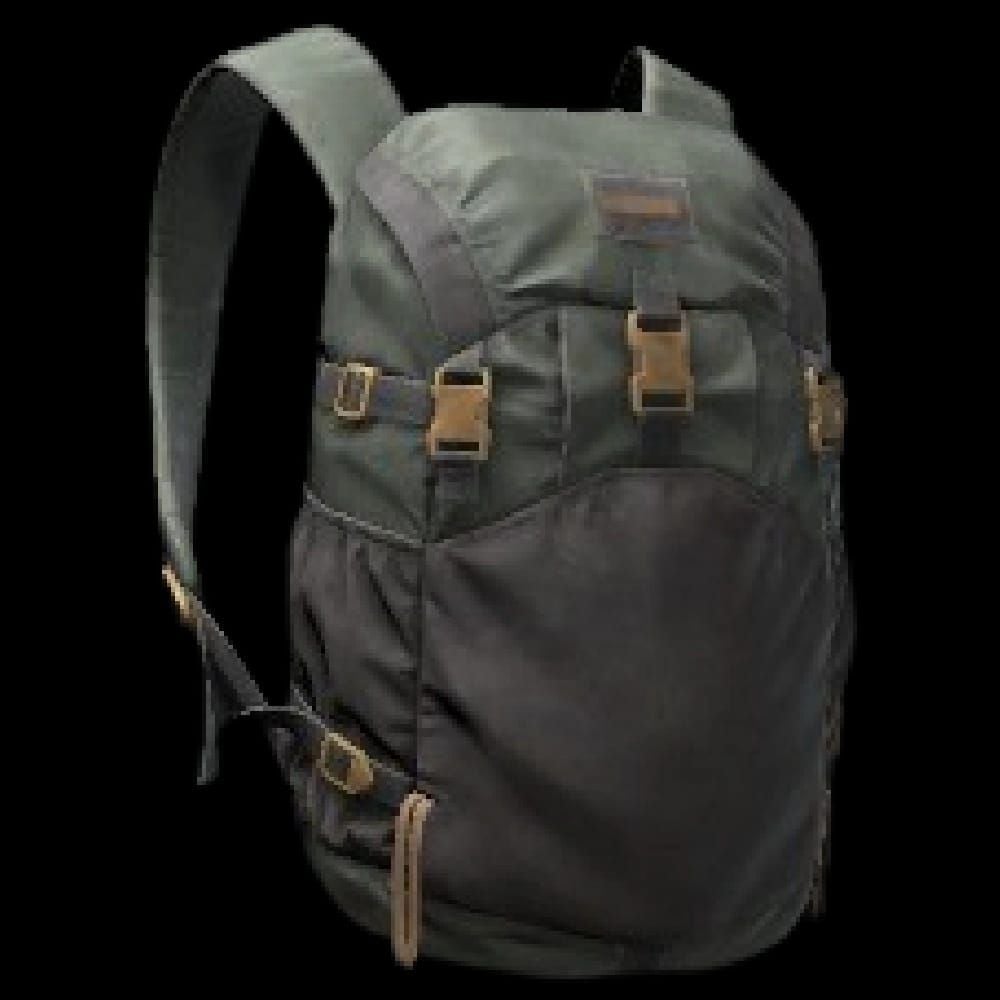
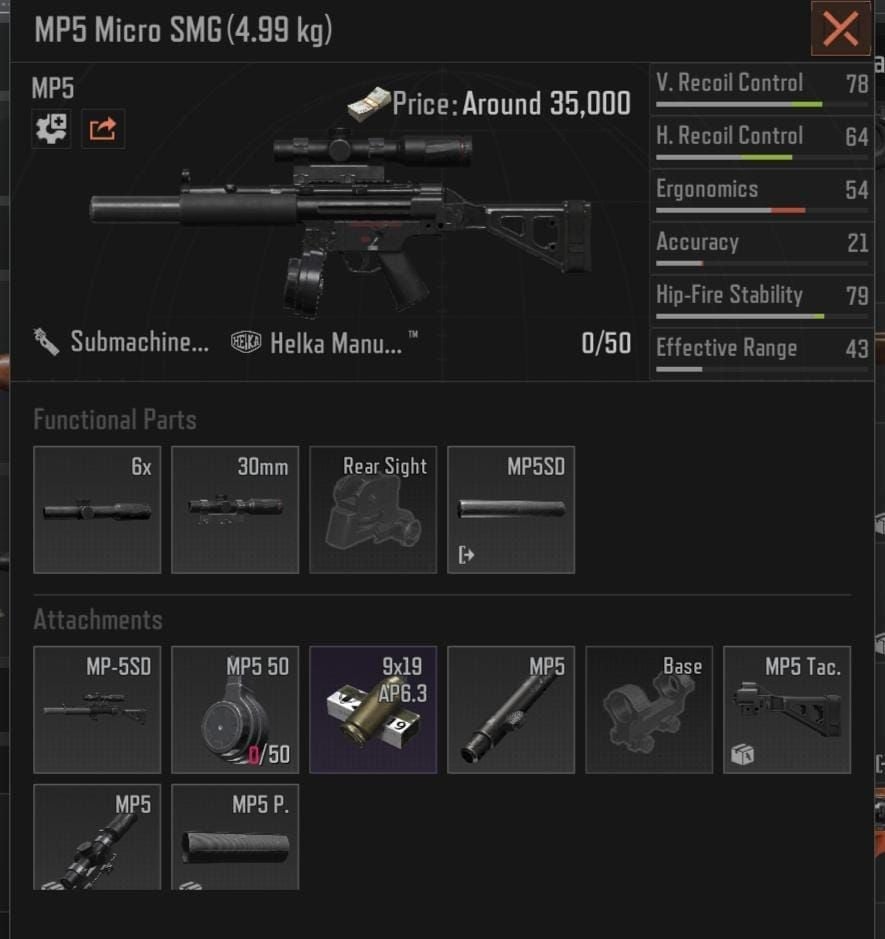
Loadouts designed around 6.33kg achieve remarkable performance. An MP5 configuration reaches 50+ ergonomics under this limit, providing excellent handling without stamina penalties. Similarly, a Vector .45 loadout stays comfortably within threshold while delivering devastating close-quarters firepower.
Building Loadouts Under 6.33kg
Constructing effective sub-6.33kg loadouts requires careful component selection:
Primary Weapons: Start with lightweight options like MP5 or Vector .45, providing strong combat performance without excessive weight. These maintain competitive damage output and handling while preserving stamina budget for armor and ammunition.
Armor Selection: Prioritize lightweight armor providing adequate protection for intended engagement ranges without exceeding threshold. Level 3-4 armor pieces exist in weight-efficient configurations balancing protection against stamina preservation.
Tactical Rigs & Ammunition: Carry only necessary magazine count for expected engagement intensity—typically 4-6 magazines. Each additional magazine adds measurable weight compounding across entire loadout. Limit healing items to essential types rather than redundant medical supplies.
Stamina Performance Under 6.33kg
Loadouts under 6.33kg deliver exceptional stamina efficiency across all movement types. Sprinting distances extend significantly compared to heavier configurations, allowing quick ground coverage when rotating between objectives or escaping danger. Jump height remains at full 5-foot maximum without excessive stamina penalties, enabling vertical movement options heavier players can't access.
Recovery rates support aggressive playstyles requiring frequent repositioning. Your stamina bar regenerates quickly during brief movement pauses, allowing high tempo operations without extended recovery periods. This regeneration advantage proves decisive in multi-stage engagements requiring movement between cover positions while maintaining combat readiness.
Tactical flexibility manifests in sustained combat scenarios. You maintain ability to sprint to cover, jump obstacles, and reposition aggressively even after extended firefights. This endurance lets you dictate engagement terms, pursue wounded enemies, or disengage from unfavorable situations—options unavailable to overweight players.
Combat Fatigue Effects: Critical Overload
Critical Overload represents the most severe weight penalty. This condition completely eliminates sprint and jump ability, reducing you to walking and running speeds only. Tactical implications are catastrophic—you can't quickly reposition during firefights, escape danger zones, or pursue enemies effectively.
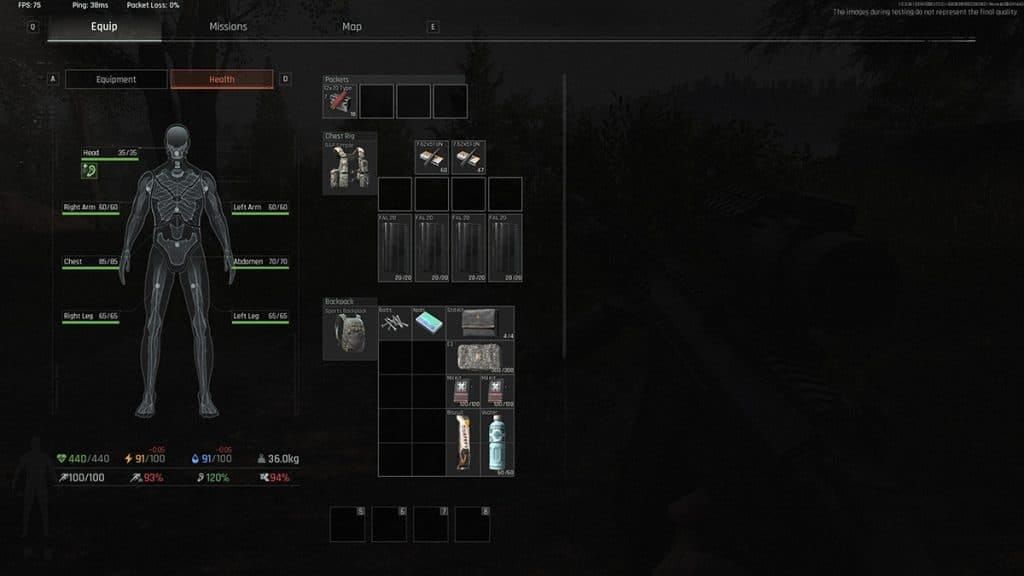
Movement speed reduction compounds excessive weight dangers. Even before Critical Overload, heavy configurations slow base movement speed across all modes. This affects corner peeking efficiency, strafing during firefights, and rotating between positions. The cumulative effect transforms you into a predictable, slow-moving target experienced players easily track and eliminate.
Strength Stimulants: Emergency Solutions
Strength Stimulants provide temporary relief from overweight penalties, enabling sprint capability when carrying excessive loads. These consumables treat Critical Overload, restoring sprint and jump ability for limited durations. Smart players carry Strength Stims as emergency tools when valuable loot pushes them over weight thresholds mid-raid.
Tactical Application: Use when covering dangerous open ground while overweight, escaping hostile contact with valuable loot, or racing to extraction before raid timers expire. Temporary effects mean you can't rely on them for sustained overweight operations—they're tactical band-aids, not permanent solutions.
Resource management limits Strength Stimulant viability as primary strategy. These consumables occupy valuable inventory space and represent additional costs reducing raid profitability. Players consistently requiring Strength Stims have fundamentally flawed loadout strategies needing optimization rather than chemical compensation.
Stamina Drain Comparisons
Knife-equipped running provides baseline minimum stamina consumption. This configuration allows substantially further running than M4-equipped running despite identical speeds. Stamina efficiency difference becomes measurable after just 50-100 meters continuous running.
Heavier primary weapons accelerate stamina drain proportionally to weight. Battle rifles and machine guns create significantly faster depletion than carbines and SMGs, limiting sustainable movement distances. This creates direct trade-offs between firepower and mobility based on intended engagement ranges.
Jumping represents the most stamina-intensive action regardless of weight, but heavier loadouts amplify cost dramatically. Each jump while heavily equipped consumes disproportionate stamina compared to light loadouts, making vertical movement increasingly prohibitive. This effectively removes multi-level buildings and elevated positions from tactical options when overweight.
Optimal Movement Techniques
Walking eliminates stamina drain entirely while maintaining reasonable speeds for tactical positioning. Use when clearing buildings, approaching contested areas, or repositioning during combat lulls. Stamina preservation maintains full reserves for critical sprint moments when contact occurs.
Crouch-walking combines stamina preservation with noise reduction, creating optimal movement mode for stealth approaches. This maintains stamina bar at full capacity while minimizing audio signature, allowing you to close distances on unaware enemies or avoid detection. Reduced movement speed represents worthwhile trade-off for tactical advantages.
Weapon Switching for Stamina Efficiency
Instantly pulling out your knife before running creates immediate stamina savings during repositioning. This requires no complex timing—simply switch to knife when covering ground without immediate combat threat. Stamina preservation accumulates significantly over full raids, potentially providing reserves needed for critical late-raid movements.
Stowing knife and drawing primary weapon occurs with no time penalty, eliminating traditional weapon-switching risks. This maintains knife-running efficiency until combat initiates, then instantly transitions to combat readiness. Experienced players develop muscle memory making this automatic during movement phases.
Tactical application: Use knife-equipped movement when rotating between buildings, approaching loot containers, or moving to extraction. Reserve weapon-drawn movement for high enemy contact probability areas—contested landmarks, high-value loot zones, common ambush positions.
Tactical Bag Dropping
Dropping your backpack during active firefights provides immediate mobility improvements when needed most. This eliminates weight contribution of bag and contents, restoring sprint efficiency and movement speed for engagement duration. Tactical advantage often proves decisive in close-quarters combat where mobility determines survival.
Execute bag drops when identifying enemy contact and determining fighting represents optimal response. Brief animation time creates minimal vulnerability compared to sustained mobility advantages gained. Position near cover before dropping to minimize exposure.
Recovery considerations: Remember bag location to retrieve after eliminating threats—abandoned bags represent lost loot and wasted capacity. Mark locations mentally or use environmental landmarks ensuring recovery. Only abandon bags permanently when extraction becomes priority over loot retention.
Advanced Loadout Strategies
MP5 Configurations: Exemplify optimal weight-efficient loadouts for aggressive playstyles. These builds achieve 50+ ergonomics while staying well under 6.33kg threshold, providing exceptional handling for close to medium-range engagements. High ergonomics translates to faster ADS times and reduced weapon sway, creating competitive advantages in fast-paced firefights.
Vector .45 Loadouts: Offer alternative weight-efficient firepower with devastating close-quarters performance. High rate of fire and manageable weight make it ideal for building-clearing and aggressive pushes. Staying under 6.33kg while running Vector requires disciplined ammunition management—carry sufficient magazines for expected engagements without excessive reserves.
For enhanced loadout options without extensive farming, buy Arena Breakout Infinite Bonds through BitTopup's secure platform for immediate access to premium equipment maintaining optimal weight efficiency.
Balancing Protection and Mobility
Armor Selection: Represents primary tension between protection and weight management. Level 4 armor provides substantial damage reduction but adds significant weight impacting stamina efficiency. Evaluate playstyle honestly—aggressive players benefit more from mobility than damage absorption, while defensive players leverage heavier armor when holding positions.
Helmet Choices: Follow similar logic with additional head protection value considerations. High-tier helmets prevent one-shot deaths from many weapons but contribute measurable weight. Consider engagement ranges—close-quarters combat sees more headshots, making helmet investment more valuable than long-range scenarios.
Tactical Rig Selection: Balances ammunition capacity against weight contribution. Larger rigs enable more magazine storage but add weight compounding with magazines themselves. Optimize by carrying only ammunition you'll realistically use rather than maximizing theoretical capacity. Most successful raids consume 3-5 magazines, making 6-magazine rigs optimal for weight-conscious players.
Ammunition and Consumable Optimization
Ammunition Weight: Accumulates quickly across multiple magazines. Each magazine adds both magazine weight and ammunition weight, creating compound effects. Carry ammunition appropriate for expected engagement intensity:
4 magazines for low-intensity raids
6 for contested areas
8 only for extended high-intensity operations
Healing Items: Prioritize efficiency over redundancy. Carry one or two high-efficiency healing items rather than multiple low-efficiency options. Individual First Aid Kits (IFAKs) provide better healing-to-weight ratios than multiple bandages. One comprehensive painkiller serves better than multiple partial solutions.
Grenade Loadouts: Represent pure offensive weight many players overpack. Carry 1-2 grenades maximum unless tactical plan specifically requires explosive ordinance. Each grenade adds weight without guaranteed utility—many raids conclude without grenade usage, making excessive loads wasted weight budget.
In-Raid Weight Management
Successful raids require dynamic weight management as you accumulate loot. Enter raids with optimized loadouts leaving weight capacity for valuable items. This ensures you can extract high-value loot without forcing difficult decisions between keeping gear and taking valuables.
Loot Priority System:
High-value, low-weight items: keys, intelligence items, compact valuables (optimal value-to-weight ratios)
Weapon attachments and ammunition types with strong market demand
Larger items only when weight capacity permits
Emergency Weight Reduction
When valuable loot exceeds remaining weight capacity, systematic reduction preserves maximum value:
Drop excess ammunition beyond minimum combat requirement—retain 3-4 magazines, drop the rest
Evaluate healing items and drop redundant or low-efficiency medical supplies
Consider dropping helmet if prioritizing extraction over additional combat
Backpack Upgrades: Found during raids create weight capacity expansion opportunities. Swapping to larger backpacks allows more loot carrying, but evaluate weight increase against current stamina status. If already approaching overweight, larger backpack might push you into Critical Overload, negating capacity benefit.
Tactical Rig Swaps: Follow similar logic with additional ammunition compatibility considerations. Found rigs with better weight efficiency can replace starting rig, but ensure they accommodate your ammunition types and magazine quantities. Incompatible rigs force carrying magazines in backpack, reducing loot space.
Stamina Recovery and Engagement Timing
Stamina bar reading provides critical information for engagement timing. Initiating firefights with depleted stamina severely disadvantages you—reduced mobility during combat often proves fatal. Monitor stamina bar constantly and avoid engaging enemies when reserves are low unless absolutely necessary.
Pre-engagement Positioning: Minimizes stamina requirements during actual combat. Approach contested areas at walking speed to maintain full stamina reserves, then initiate contact from positions requiring minimal repositioning. This ensures you enter firefights with maximum mobility options available.
Recovery Window Exploitation
Brief pauses in combat create stamina recovery windows experienced players exploit aggressively. After eliminating immediate threats, use 3-5 seconds stationary positioning to regenerate stamina before pushing to new positions. This discipline ensures you maintain mobility advantages throughout extended engagements.
Cover Positions: Serve dual purposes as both protection and recovery zones. When taking cover during firefights, use protected time to allow stamina regeneration rather than immediately re-peeking. Few seconds recovery often provides stamina needed for critical repositioning or aggressive pushes.
Extended Firefights: Require stamina management as primary tactical consideration. Avoid continuous sprinting between positions—use walking and running to preserve stamina for critical moments. Save sprint capability for dodging grenades, rushing wounded enemies, or escaping unfavorable situations.
Common Weight Management Mistakes
Over-packing Ammunition: Most common weight management error. Players routinely carry 8-10 magazines when 4-6 suffices for realistic scenarios. This excessive ammunition adds substantial weight without proportional tactical benefit—most players die or extract before consuming more than 5-6 magazines.
Redundant Healing Items: Create similar weight waste. Carrying multiple types serving overlapping purposes adds weight without increasing survival probability. Optimize by selecting one comprehensive healing solution rather than multiple partial options.
Ignoring Weapon Weight Variations: Weapon selection based purely on damage output without weight consideration creates suboptimal loadouts. Heavy weapons like battle rifles and machine guns provide impressive firepower but severely impact stamina efficiency. Evaluate whether engagement ranges actually require heavy weapon firepower or if lighter alternatives perform adequately.
Attachment Over-optimization: Adds measurable weight for marginal performance improvements. Each scope, grip, and stock adds weight to weapon system. Evaluate whether each attachment provides tactical value worth its weight contribution. Often, iron sights or lightweight optics perform adequately while preserving weight budget for armor or ammunition.
Neglecting Knife-Running: Wastes stamina throughout entire raids. Players keeping primary weapons drawn during all movement consume unnecessary stamina accumulating into significant disadvantages. Developing muscle memory for weapon switching transforms stamina efficiency across all raid phases.
Map-Specific Weight Considerations
Different maps reward different weight optimization strategies based on terrain characteristics and engagement patterns:
Open Maps: Long sightlines favor lighter loadouts enabling rapid repositioning between cover points. Optimize for sub-6.33kg configurations maintaining sprint efficiency across extended distances. Stamina reserves prove essential for escaping sniper fire and reaching cover before sustaining fatal damage.
Urban Maps: Dense cover allows heavier configurations since movement distances between engagements remain short. You can accept moderate weight penalties when most firefights occur within 25 meters and repositioning distances rarely exceed 50 meters between cover.
Vertical Gameplay Environments: Punish overweight loadouts severely. Maps with multi-level buildings and elevated positions require jump capability to access optimal positions. Critical Overload effectively removes entire map sections from tactical options, severely limiting strategic flexibility.
Extraction Point Distances: Influence acceptable weight thresholds. Maps with distant extraction points require lighter loadouts ensuring you reach extraction even when carrying loot. Maps with multiple nearby extractions allow heavier starting loadouts since you'll never cover extreme distances while loaded.
FAQ
What is the optimal weight threshold in Arena Breakout Infinite? The Medium Camping Backpack's 6.33kg maximum capacity represents optimal threshold for balanced raids. Loadouts under this weight maintain excellent stamina efficiency while providing adequate firepower and protection for most engagement scenarios.
How does weight affect stamina drain? Heavier gear accelerates stamina consumption during all movement types. Running with a knife drains substantially less stamina than running with an M4, despite identical movement speeds. Each additional kilogram compounds stamina drain rates during sprinting, running, and jumping.
What happens when you exceed weight limits? Exceeding critical weight thresholds triggers Critical Overload status, completely eliminating sprint and jump ability. This severely reduces tactical mobility and often proves fatal during combat. Strength Stimulants provide temporary relief by restoring sprint capability.
How do I reduce combat fatigue? Maintain loadouts under 6.33kg, use knife-equipped running during repositioning, and alternate between walking and running to preserve stamina. Drop your backpack during active firefights to restore mobility, and avoid continuous sprinting by using tactical movement modes.
What is the best lightweight loadout? MP5 and Vector .45 configurations achieve 50+ ergonomics while staying under 6.33kg. These combine lightweight primary weapons with efficient armor selections and disciplined ammunition loads—typically 4-6 magazines maximum with essential healing items only.
Can I improve my weight capacity? Strength Stimulants temporarily enable overweight movement and treat Critical Overload, restoring sprint and jump capabilities for limited durations. These serve as emergency tools for extraction scenarios rather than permanent solutions to weight management challenges.
Optimize your Arena Breakout loadouts with premium gear! Visit BitTopup for instant, secure currency top-ups and unlock the best weight-efficient equipment today. Dominate raids with the perfect balance of protection and mobility!